Tehosta ravintolasi toimintaa ja säästä 12 tuntia viikossa
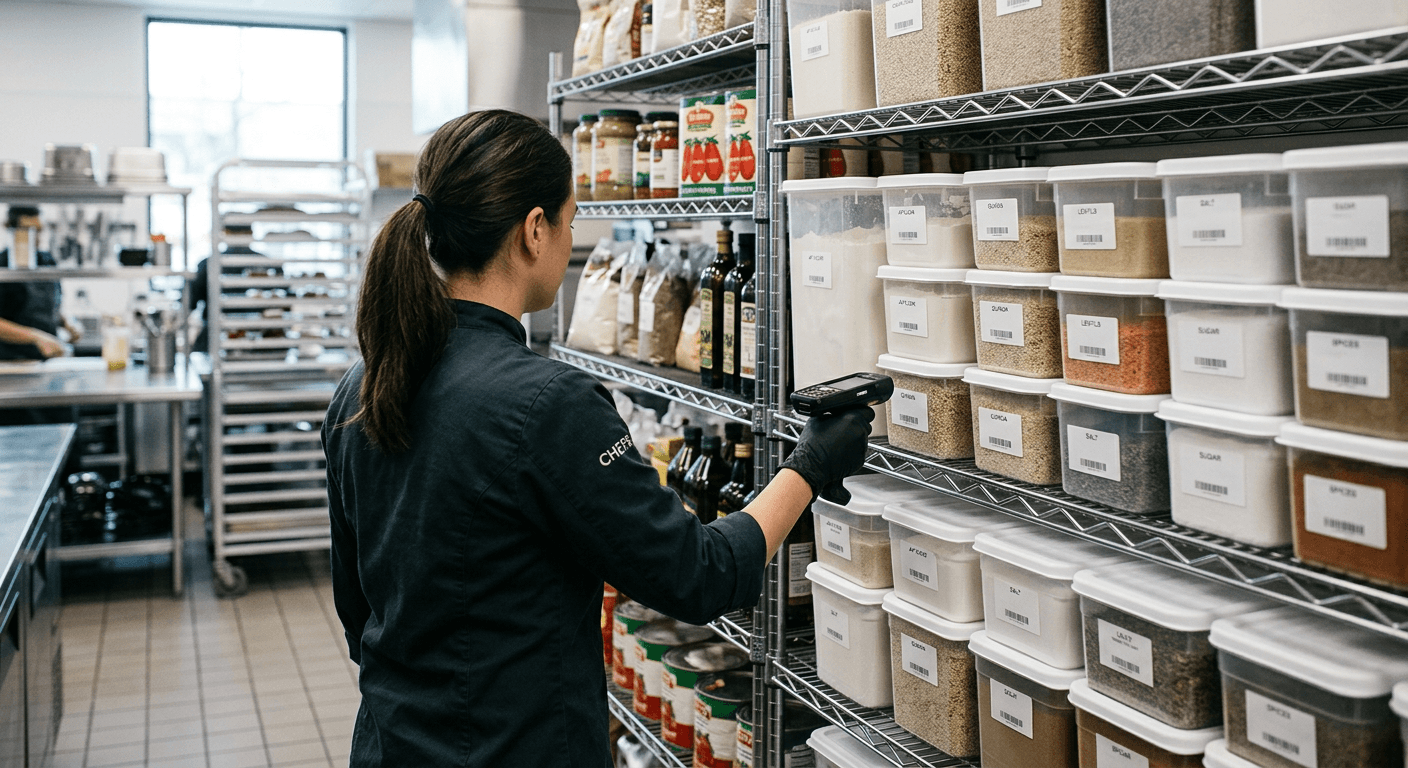
Ravintola-alan tyypillisen matalat, vain 3–5 prosentin nettokatteet eivät jätä tilaa virheille. Suurin osa keittiön arjen kaaoksesta ja hukatuista työtunneista johtuukin pirstaleisista järjestelmistä, jotka kuluttavat rahaa ylimitoitetun henkilöstön ja ruokahävikin muodossa. Yhtenäistämällä työnkulut voit kuitenkin tilkitä nämä vuotokohdat ja säästää jopa 12 tuntia hallinnollista työtä joka viikko.
Kuriin työvoimakustannukset – ennustava työvuorosuunnittelu avuksi
Henkilöstökulut ovat tyypillisesti ravintolan suurin muuttuva kustannus. Täyden palvelun ravintoloissa ne haukkaavat usein jopa 36,5 % liikevaihdosta. Jos vuoroja sumplitaan Excelillä ja mututuntumalla, tuloksena on herkästi joko ylemiehitettyjä suvantovaiheita tai alimiehitettyjä ruuhkahuippuja, jolloin asiakaspalvelu tökkii. Osaajapula onkin koko alan yhteinen päänvaiva – yhdeksän kymmenestä ravintoloitsijasta raportoi kärsivänsä siitä säännöllisesti. Tilannetta vaikeuttaa se, että pikaruoka- ja konseptiravintoloissa (limited-service) tuntityöntekijöiden vaihtuvuus on noussut jopa 135 prosenttiin, ja jokaisen työntekijän lähteminen ja uuden rekrytointi maksaa keskimäärin 5 864 dollaria.
Tämän pyöröovi-ilmiön voi pysäyttää siirtymällä automaattiseen, ennustavaan työvuorosuunnitteluun. Kun työvuorot julkaistaan kaksi viikkoa etukäteen, viime hetken poissaolot vähenevät 28 % ja työntekijät saavat kaipaamaansa ennustettavuutta arkeensa. Älykkäät suunnittelutyökalut analysoivat toteutunutta myyntiä, sääennusteita ja paikallisia tapahtumakalentereita mitoittaakseen henkilöstömäärän todellisen asiakasvirran mukaan. Työvoiman sovittaminen todelliseen kysyntään voi alentaa henkilöstökustannuksiasi jopa 15 %. Jos haluat oppia lisää toimivien ja säännösten mukaisten vuorojen suunnittelusta, tutustu oppaaseemme aiheesta: strateginen työvuorosuunnittelu ravintolassa.
Kassajärjestelmän ja varastonhallinnan liitto: tehokkain lääke ruokahävikkiin
Yhdysvalloissa ravintolat heittävät vuosittain roskiin huimat 10–15 miljardia kiloa (22–33 miljardia paunaa) ruokaa. Noin 84,3 % käyttämättömästä ruoasta päätyy suoraan sekajätteeseen hyötykäytön tai lahjoittamisen sijaan. Hävikki nakertaa suoraan ravintolan katetta, mutta tarkalla seurannalla voit leikata raaka-ainekustannuksistasi helposti 2–6 %.
Käsin täytettävät taulukot paljastavat virheet vasta silloin, kun vahinko on jo tapahtunut ja raaka-aineet pilalla. Reaaliaikainen hallinta edellyttää, että kassajärjestelmä integroidaan varastonhallintaohjelmistoon. Kun asiakas tilaa esimerkiksi Buffalo Chicken -leivän, integroitu järjestelmä vähentää digitaalisesta varastosta välittömästi 170 grammaa (kuusi unssia) kanaa, ruokalusikallisen buffalo-kastiketta ja briossisämpylän.
Tällainen reaaliaikainen, jatkuva inventointi pitää varastotasot optimaalisina, ehkäisee raaka-aineiden vanhenemista ja estää ylitilaamisen jo ennen kuin tavarantoimittajan kuorma-auto kurvaa pihaan. Jos haluat rakentaa erittäin toimintavarmat rutiinit keittiön puolelle, ota käyttöön parhaat käytännöt ravintolan varastonhallintaan. Näitä ovat esimerkiksi tiukka FIFO-periaate (First-In, First-Out) sekä säännöllinen hävikin ja varastopoikkeamien seuranta.
Eroon tablettikaaoksesta – vauhtia ja sujuvuutta saliin
Toiminnan pullonkaulat kärjistyvät usein konkreettiseksi kaaokseksi ravintolan tiskillä. Viiden eri kotiinkuljetuskumppanin laitteet luovat työpisteelle sekavan ”tablettiviidakon”, joka pakottaa henkilökunnan syöttämään tilauksia manuaalisesti järjestelmästä toiseen. Tämä pirstaleinen toimintatapa hidastaa tilausten valmistumista ja lisää virhealttiutta.
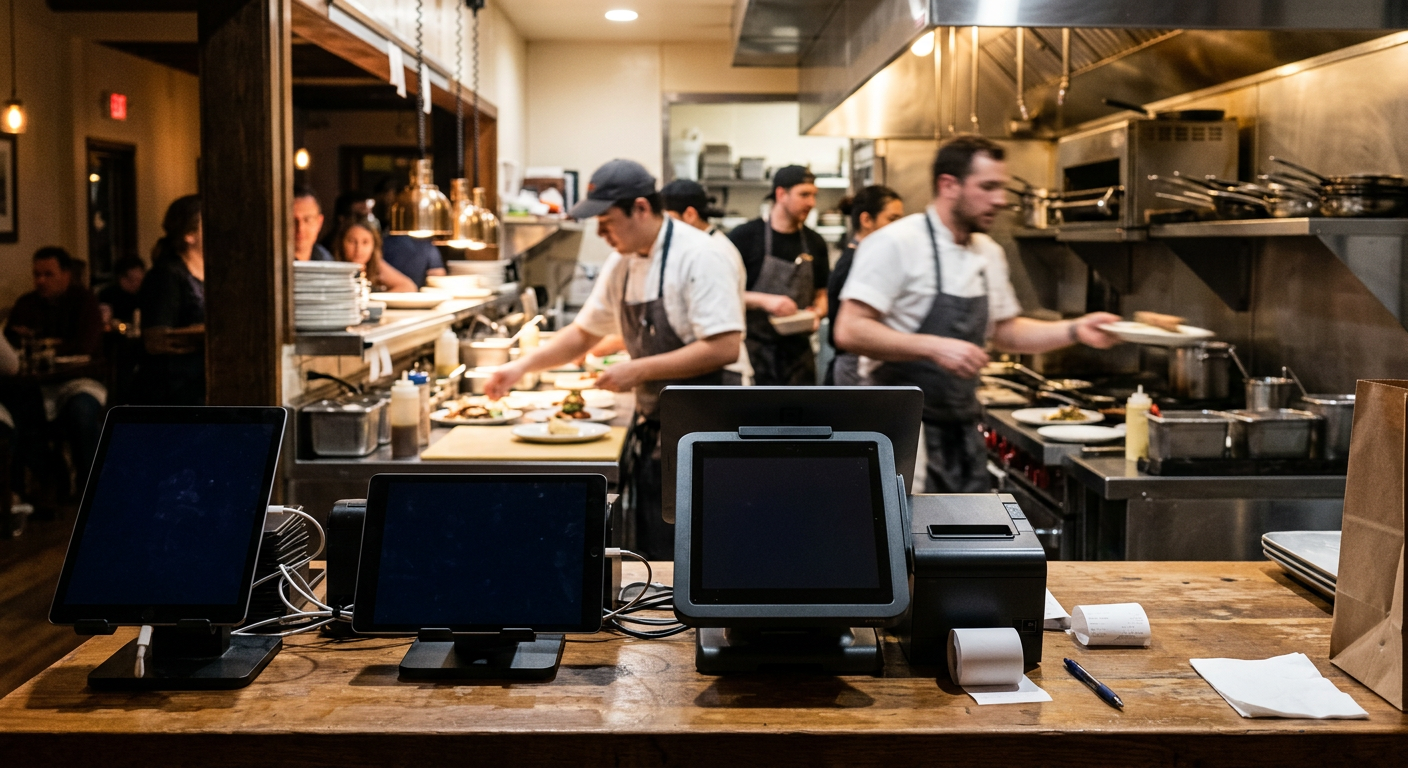
Kun ulkopuoliset kuljetuskumppanit, itsepalvelukioskit ja kassajärjestelmä (POS) integroidaan yhdeksi kokonaisuudeksi, inhimilliset näppäilyvirheet poistuvat ja tilaustarkkuus voi nousta jopa 98,5 prosenttiin. Kun tilaukset lähetetään suoraan keittiönäyttöjärjestelmään (KDS), valmistusajat lyhenevät huomattavasti. Tämä on tutkitusti tehokas tapa lyhentää asiakkaiden odotusaikoja ja nopeuttaa pöydänkiertoa. Yli kaksi kolmasosaa asiakkaista asioi mielellään pöytätableteilla tai itsepalvelukioskeilla, jotka kaiken lisäksi nostavat keskiostosta keskimäärin 15–30 %. Voit tutustua näihin järjestelmiin tarkemmin katsauksessamme, jossa esitellään ravintoloiden tärkeimmät digitaaliset työkalut.
Muuta reaaliaikainen analytiikka puhtaaksi katteeksi
Jos ravintolaa johdetaan pelkästään jälkikäteen valmistuvan kuukausittaisen tuloslaskelman perusteella, ajetaan helposti sumussa karille. Peruskulut eli niin sanotut prime cost -kustannukset (raaka-aine- ja henkilöstökulujen yhteissumma) haukkaavat tyypillisesti 55–65 % ravintolan kokonaisliikevaihdosta. Tämän hallitseminen reaaliajassa vaatii kassajärjestelmän datan ja reaaliaikaisen analytiikan hyödyntämistä.
Hyödynnä analytiikkaa ja luokittele ruokalistasi tuotteet kassamagneetteihin (korkea kate ja kova kysyntä) ja katteensyöjiin. Huonosti myyvien tuotteiden karsiminen ja reseptien vakiointi vähentävät hävikkiä keittiössä. Menestyvät ravintoloitsijat seuraavat herkeämättä myös RevPASH-tunnuslukua (liikevaihto vapaata istumapaikkaa ja tuntia kohden) tunnistaakseen hiljaiset ajankohdat ja käynnistääkseen kohdennettuja kampanjoita silloin, kun asiakasmäärät muuten laskisivat. Katso, miten pidät kulut kurissa tutustumalla käytännön vinkkeihimme ravintolabudjetin laadintaan.
Vakioi toiminta keittiökoulutuksen ja laadunvalvonnan avulla
Tasalaatuisuus on se tekijä, joka saa asiakkaat palaamaan uudelleen. Jos keittiöhenkilökunta on puutteellisesti perehdytetty, annoskoot alkavat vaihdella, esillepano muuttuu epätasaiseksi ja ruokahävikki kasvaa. Ratkaisu tähän on järjestelmällinen perehdytysprosessin luominen. Moderneja, yhtenäisiä toimintamalleja hyödyntävät ravintolat perehdyttävät uudet työntekijänsä jopa 25 % nopeammin.
Käyttämällä järjestelmällistä keittiöhenkilökunnan koulutusohjelmaa asetat uusille työntekijöille selkeät ja mitattavat tavoitteet. Kun tähän yhdistetään tiukat laadunvalvontatoimenpiteet – kuten avausrutiinien tarkistuslistat, lämpötilamittaukset kesken vuoron ja vakioidut reseptit – virheet saadaan kiinni ennen kuin annokset päätyvät asiakkaan pöytään.
Näin tehostat ravintolasi toimintaa – ota haltuun nämä askeleet jo tänään
Jos olet valmis siirtymään mututuntumasta tietoon perustuvaan johtamiseen, aloita näistä käytännön toimenpiteistä:
- Kartoita ravintolasi nykyiset teknologiat ja karsi päällekkäiset ohjelmistolisenssit sekä erilliset siiloutuneet sovellukset.
- Digitoi keittiön reseptit varmistaaksesi tarkan annosvalvonnan ja seurataksei teoreettisen ja todellisen raaka-ainekustannuksen välistä eroa (hävikkiä).
- Laadi selkeät vakioidut toimintatavat (SOP-ohjeet) aina asiakkaan kohtaamisesta annosten valmistusaikatavoitteisiin.
- Ristiinkouluta salin ja keittiön työntekijöitä, jotta vuorot rullaavat sujuvasti myös äkillisissä ruuhkahuipuissa tai sairaustapauksissa.
- Yhdistä kaikki tilauskanavat – salimyynti, noutotilaukset ja kotiinkuljetukset – yhteen yhtenäiseen järjestelmään.
- Lue lisää käytännön keinoista tehostaa ravintolan toimintaa laatiaksesi selkeän 90 päivän toimintasuunnitelman.
Jos haluat optimoida nykyisen laitteistosi ilman raskasta kassajärjestelmän vaihtoprojektia, tutustu AgenticPOS-järjestelmään. Tämä tehokas MCP-palvelin integroituu suoraan nykyiseen kassaasi. Sen avulla voit päivittää ruokalistoja, suunnitella työvuoroja ja ajaa reaaliaikaisia raportteja suoraan chat-komennoilla tekoälyagentteja hyödyntäen.
Kun olet valmis päivittämään kerralla koko järjestelmäsi, valitse Spindlin kattava ravintolan toiminnanohjausjärjestelmä. Spindl kokoaa tilaustenhallinnan, kassatoiminnot, kotiinkuljetukset ja kanta-asiakasohjelmat yhdelle helppokäyttöiselle alustalle. Tutustu joustaviin Spindl-hinnastovaihtoehtoihin jo tänään ja valjasta ravintolasi todelliseksi tuloskoneeksi.