How to protect restaurant margins as costs climb 35%
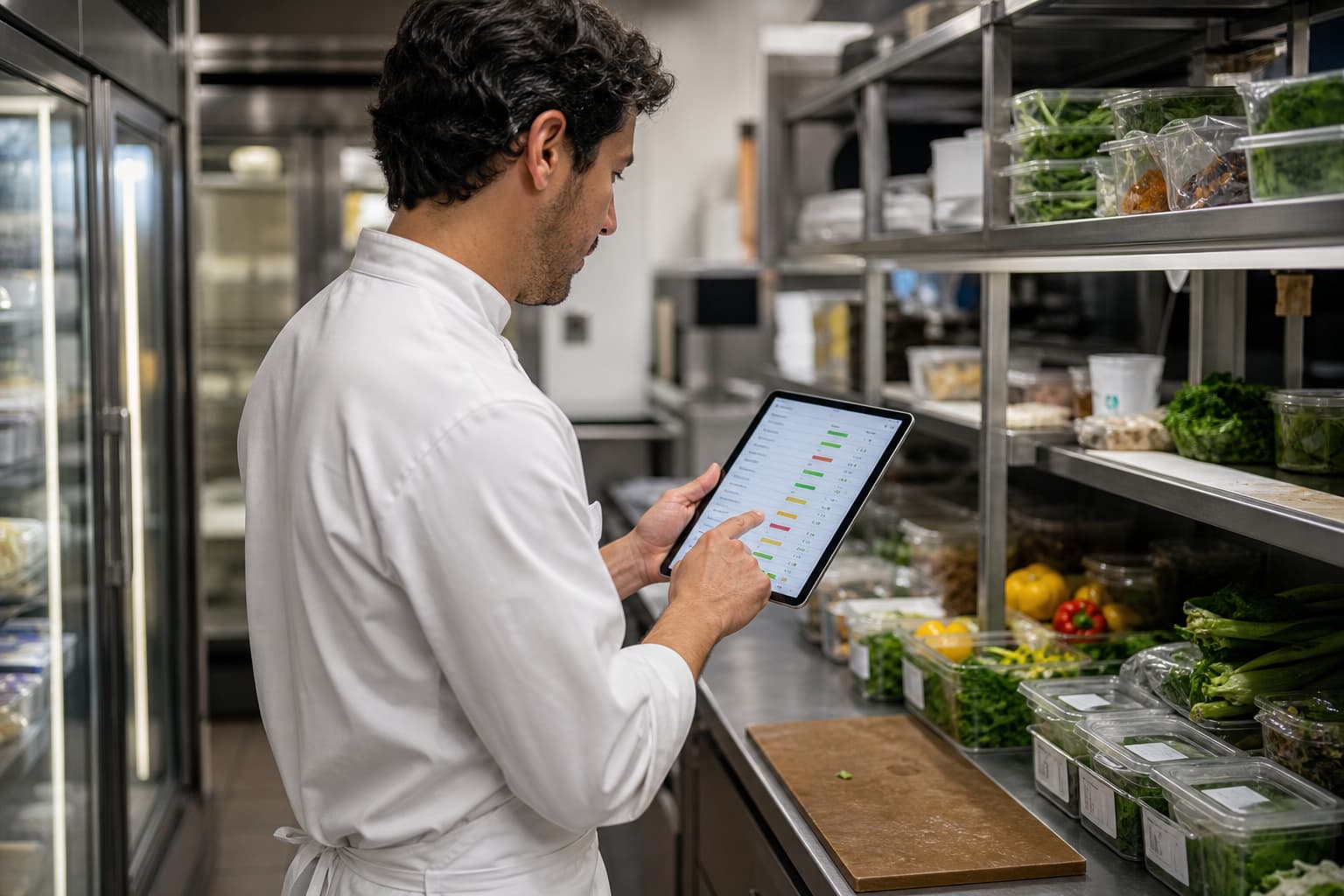
With food and labor costs rising 35% over pre-pandemic levels, thin net profit margins of 3% to 5% leave zero room for operational mistakes. Surviving requires transforming inefficient, disjointed operations into a streamlined, data-driven system. Here is how to audit and optimize your venue today.
Audit and optimize kitchen workflows
Back-of-house inefficiencies stall table turnover and increase food waste, which typically accounts for 3% to 5% of raw food costs. To protect your bottom line, target a food cost of 28% to 32% of revenue through standardized recipe costing and inventory precision.
By adopting restaurant inventory management best practices and connecting your point of sale directly with live inventory software, every sale deducts ingredients from stock in real time. This single source of truth exposes portion creep and prevents surprise stockouts during peak shifts.
Enforce strict kitchen food safety controls, such as following FDA Food Code guidelines to keep cold TCS foods at 41°F or below, reducing spoilage losses. Operational savings can also be found in utility overhead by reviewing the ENERGY STAR restaurant checklist to manage daily energy and water usage.
Reduce staff turnover and optimize labor scheduling
Labor remains your largest controllable expense. Recent National Restaurant Association data shows median labor expenses reached 36.5% of sales for full-service restaurants and 31.7% for limited-service operators. High turnover compounds these costs, running between $1,800 and $3,500 to replace a single line cook.
To stabilize your workforce:
- Build a structured onboarding process: A clear, step-by-step restaurant staff training program cuts early churn and ensures consistent floor execution.
- Schedule to real-time demand: Match hourly labor to historical POS sales volume rather than relying on guesswork. Applying proven labor cost control strategies can cut total labor costs by up to 15%.
- Provide predictable schedules: Sharing schedules two weeks in advance respects work-life balance and stabilizes your team.
Eradicate wait times and speed up service
Slow service destroys guest retention. Clearing bottlenecks on the floor turns tables faster and boosts repeat visits, directly improving overall customer service and revenue.
Replacing handwritten paper tickets with digital ordering speeds up kitchen workflows and eliminates transcription errors.
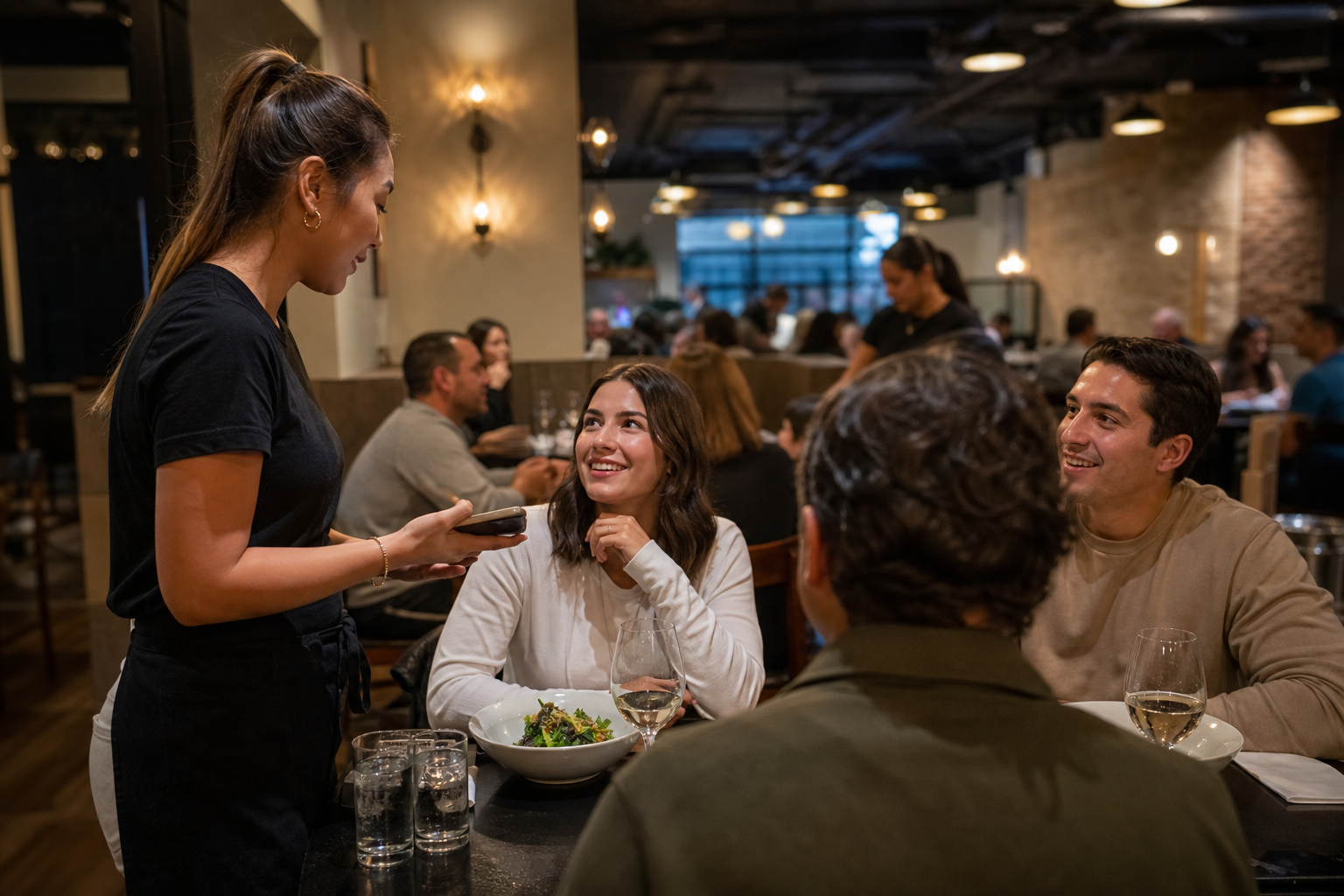
Deploying self-service kiosks and tableside ordering reduces wait times and can shave up to 12 minutes off table turn times. Sending orders directly to a Kitchen Display System (KDS) keeps food moving quickly from expo to guest. To see how direct digital input eliminates miscommunication across all channels, review the impact of POS technology on order accuracy.
Leverage real-time analytics instead of manual spreadsheets
Spreadsheets only tell you what went wrong last month. To preserve daily profitability, you need mid-shift visibility into key metrics like prime cost, average check size, and Revenue Per Available Seat Hour (RevPASH).
Live analytics dashboards allow managers to make proactive operational adjustments. If dining room traffic slows on a Tuesday afternoon, you can cut labor early to preserve your budget.
Reviewing fundamental restaurant budgeting tips alongside POS analytics for operational efficiency helps identify profit leaks before they degrade net margins.
Kill the "tablet farm" with a unified operating system
Juggling multiple tablets for third-party delivery services, a standalone POS, and disconnected loyalty programs creates counter chaos and forces tedious double-entry.
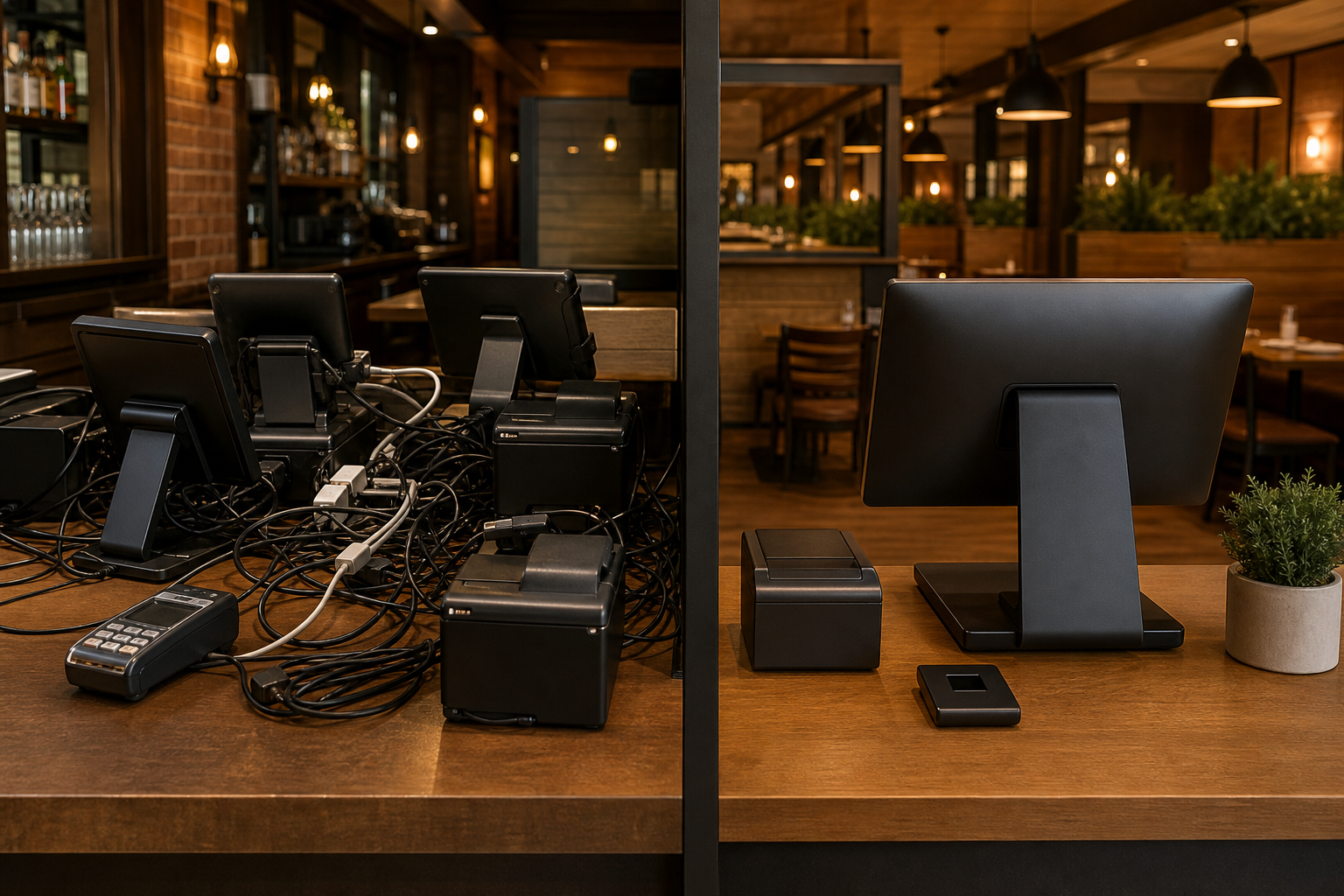
Eliminate system fragmentation by following practical restaurant operational efficiency tips and consolidating your hardware stack.
You can modernize your technology step by step:
- Start free with AgenticPOS on your existing point-of-sale system to manage menu changes, shift swaps, and margin checks using natural language AI commands inside tools like Slack or ChatGPT.
- Connect your management setup to Spindl's AI agent tools to handle back-office operations without clicking through complex dashboards.
- Upgrade to the full Spindl POS platform when you are ready to consolidate dine-in, delivery, self-service, and loyalty into a single OS, cutting administrative task time by up to 30%.
Running a profitable venue requires moving away from manual workarounds and disconnected tools. Streamlining your back-of-house, staffing, and order management protects your bottom line against rising industry expenses. Explore how Spindl unifies your entire restaurant into one intuitive platform – or start testing AgenticPOS on your current POS today.