Kuidas menüü optimeerimine tõstab keskmist arvet 12%
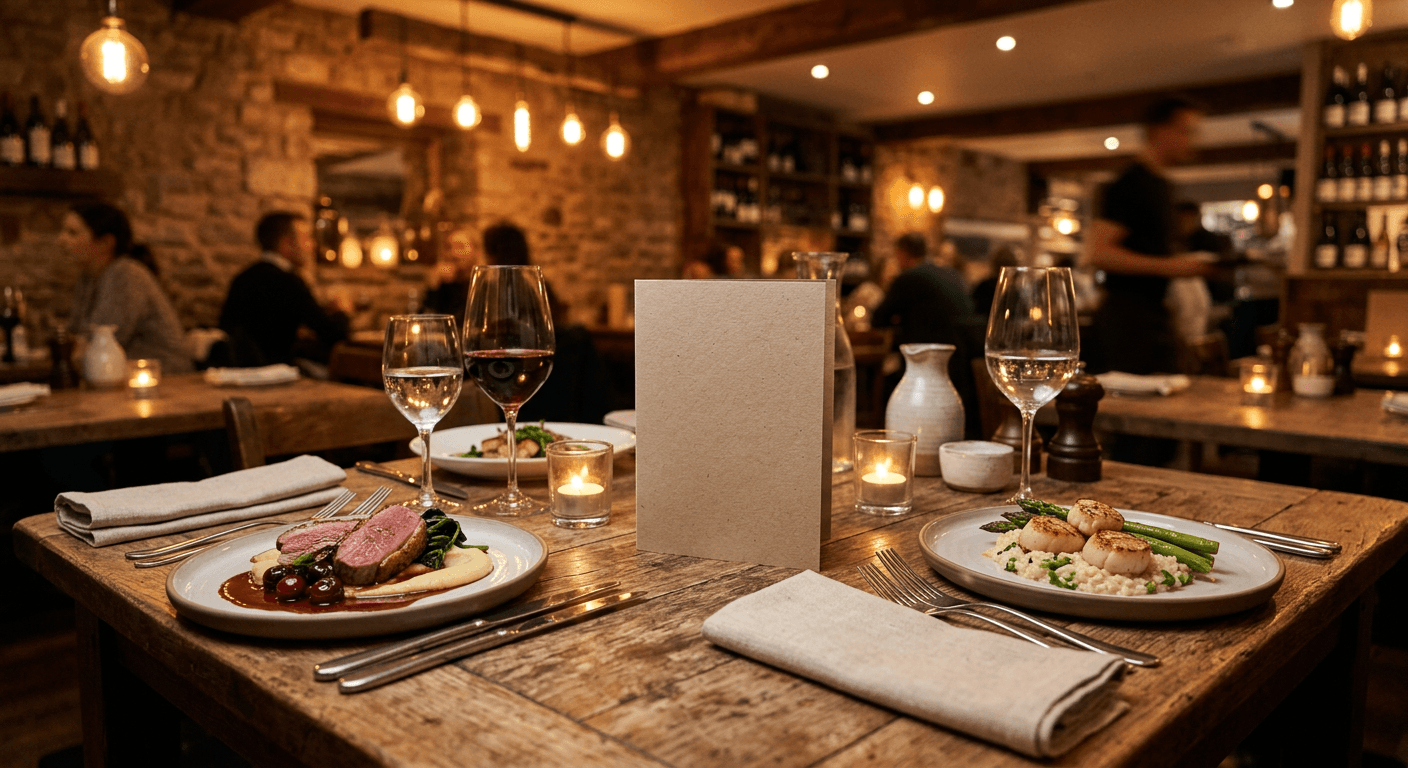
Kas teie menüü on võimas müügitööriist või lihtsalt nimekiri roogadest ja koostisosadest? Enamik restorane kaotab kuni 15% potentsiaalsest tulust vaid seetõttu, et suhtuvad menüüsse kui staatilisse dokumenti. Muutes andmed strateegiliseks disainiks, on võimalik see marginaal aga enda kasuks pöörata.
Kategoriseerige road menüüanalüüsi abil
Optimeerida saab vaid seda, mida on mõõdetud. Professionaalne menüü optimeerimine algab iga roa paigutamisest maatriksisse, võttes aluseks selle populaarsuse ja tulususe.
- „Tähed“ on teie tšempionid – suure populaarsuse ja kõrge marginaaliga road. Need väärivad menüüs parimat kohta ja vankumatut kvaliteedikontrolli.
- „Tööhobused“ on külastajate lemmikud, mille marginaal on aga madalam. Nende tulususe tõstmiseks tasub kaaluda mõõdukat hinnatõusu või portsjonite suuruse kohandamist, et hoida toidukulud (food cost) kontrolli all.
- „Mõistatused“ on road, mis on küll väga tulusad, kuid mida tellitakse harva. Nende ümberpositsioneerimine võib suurendada müüki 20–40%. Sageli piisab vaid märkusest „Peakoka soovitus“ või visuaalselt silmapaistvamast asukohast, et külastaja tähelepanu võita.
- „Koerad“ on madala marginaali ja vähese populaarsusega road, mis koormavad asjatult kööki. Kassasüsteemi analüütika näitab sageli, et nende eemaldamine parandab köögi töökiirust 15–20%.
Kasutage psühholoogiat külastaja pilgu suunamiseks
„Kuldne kolmnurk“ tähistab kognitiivset fookuspunkti, kuhu külastaja pilk esimesena peatuma jääb: esmalt keskele, siis üles paremale ja lõpuks üles vasakule. Paigutades oma „Tähed“ ja „Mõistatused“ just nendesse tsoonidesse, tagate neile maksimaalse nähtavuse. Lisaks paigutusele rõhutavad restorani eelarvestamise nõuanded sageli ka hinnastamispsühholoogia olulisust.
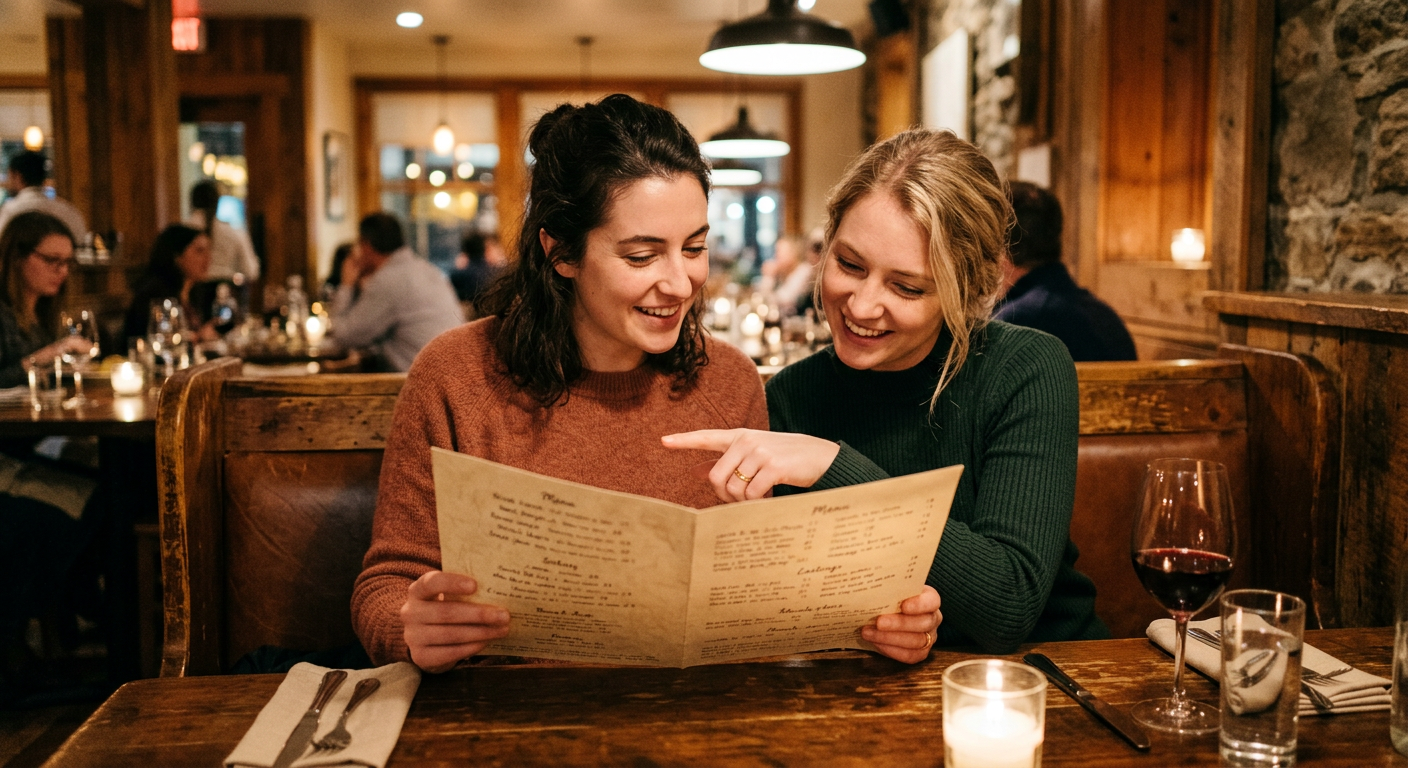
Üks lihtne, kuid tõhus taktika on valuutasümbolite eemaldamine. Cornelli ülikooli uuringud kinnitavad, et külastajad kulutavad rohkem, kui tähised puuduvad, sest see vähendab maksmisega kaasnevat psühholoogilist ebamugavust. Kasutades vormistust „14“ asemel „14.00 €“, püsib fookus kulinaarsel kogemusel, mitte kulul. Samuti toimib hästi hindade ankurdamine: paigutades kategooria algusesse ühe eriti kalli roa, tunduvad järgnevad valikud külastajale soodsamad. See võib tõsta keskmist arvet ligi 7% ilma tegelikke hindu muutmata.
Suurendage töökorralduse efektiivsust
Liiga mahukas menüü on kindel tee suurema toidukao ja aeglasema teeninduseni. Töökorralduse efektiivsus eeldab, et menüü suurus vastaks teenindusmudelile. Fast-casual kontseptsiooni puhul on optimaalne 30–50 nimetust, täisteenindusrestoranides 50–75 ning fine dining puhul 25–40 rooga. See tagab tasakaalu valikuvabaduse ja täpsuse vahel.
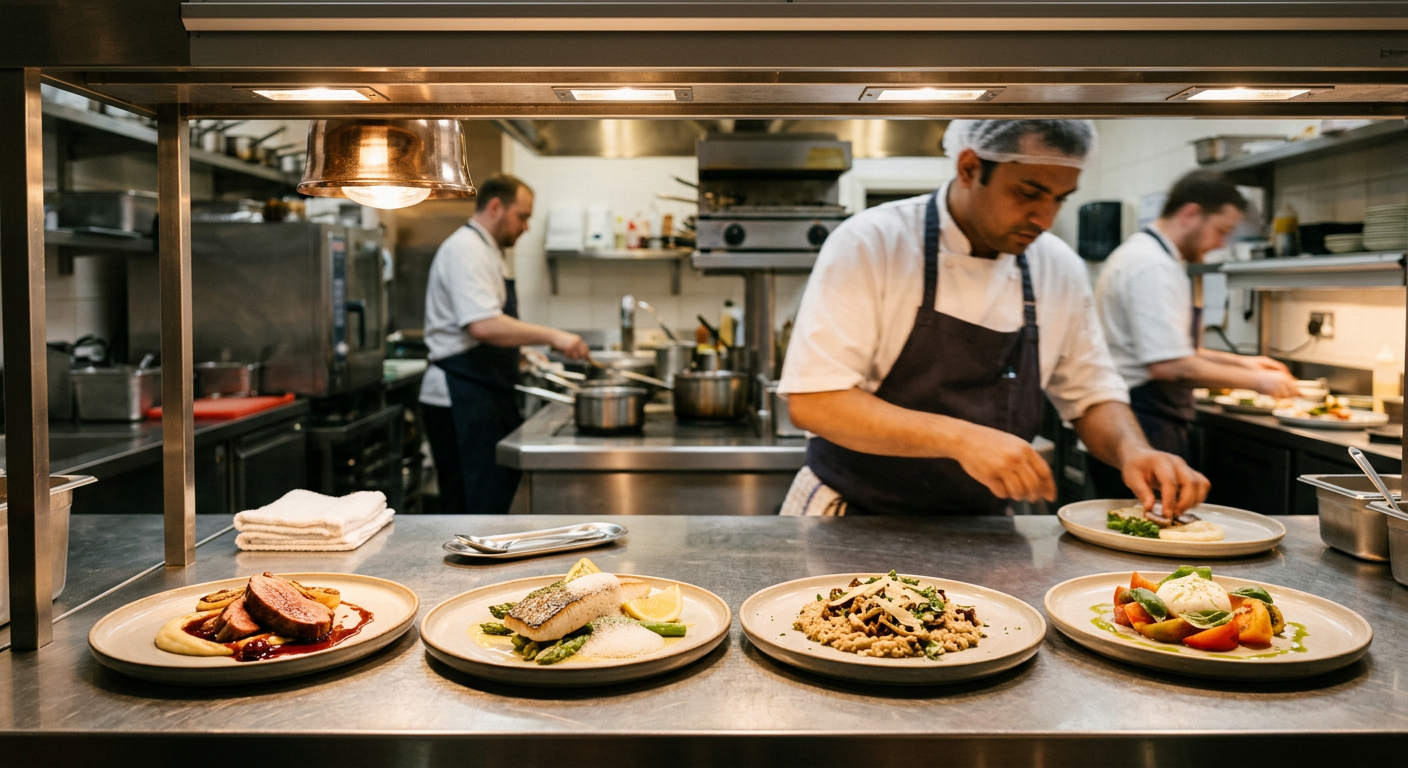
Menüüd koomale tõmmates vähendate „valikuparadoksi“, kus külastaja kulutab otsustamisele liiga kaua aega. Reaalajas müügiandmete analüüs aitab tuvastada, millised väheliikuvad road raiskavad meeskonna ettevalmistusaega ilma kasumit toomata. Fookuse seadmine võimaldab köögil saavutada meisterlikkuse väiksema arvu roogade valmistamisel, mis parandab nii kvaliteeti kui ka väljastuskiirust.
Kirjutage kirjeldusi, mis müüvad
Ärge piirduge vaid koostisosade loetlemisega – jutustage lugu. Sensoorsed kirjeldused nagu „aeglaselt röstitud“, „käsitööna valminud“ või „kohalikust talust“ võivad tõsta roa müüki kuni 27%. Konkreetse päritolu või brändinimede mainimine lisab tajutavat väärtust, mis õigustab ka kõrgemat hinda.
Samas on oluline selgus. Pikki tekstiplokke tavaliselt ei loeta, seega hoidke kirjeldused tabavad ja meeleolukad. Kasutage rasvast kirja või raame, et tõsta esile olulisemaid roogasid, kuid tehke seda säästlikult. Kui rõhutate kõike, ei eristu lõpuks mitte miski ja menüü visuaalne hierarhia laguneb.
Kasutage andmeid pidevaks arenguks
Staatilised menüüd on minevik. Kaasaegne juhtimine tugineb andmepõhistele otsustele, kus pakkumist kohandatakse vastavalt reaalsetele tulemustele kasvõi kord kvartalis. Integreerides laohalduse parimad praktikad oma kassasüsteemiga, näete uue roa või hinnamuutuse mõju päevade, mitte kuude jooksul.
Kui teie praegune tehnoloogia meenutab nutiajastul pigem vana nuputelefoni, jääte tõenäoliselt ilma infost, mis on vajalik konkurentsis püsimiseks. Killustunud süsteemid ja suur halduskoormus söövad teie kasumit. Spindl koondab kassasüsteemi, tarneplatvormid ja analüütika ühte tervikusse, aidates teil jälgida, millised road päriselt teie finantsprognoosidele vastavad.
Ärge jätke oma menüü potentsiaali juhuse hooleks. On aeg loobuda aegunud lahendustest ja võtta kasutusele platvorm, mis on loodud kiiruse ja reaalsete tulemuste saavutamiseks. Tutvuge Spindli võimalustega ja vaadake, kuidas integreeritud süsteem saab muuta teie restorani kasumlikkust.