How data-driven restaurant decisions cut costs by 5%

Food and labor costs eat up 66 cents of every dollar in restaurant sales. Are you managing those margins with gut feel or hard facts? Running a data-driven restaurant turns everyday operational numbers into clear, profitable decisions.
What is data-driven decision making in restaurants?
Data-driven decision making means systematically gathering operational facts – sales velocity, labor hours, inventory usage, customer ordering habits – to make strategic choices. It replaces guesswork with actionable insights.
Instead of measuring everything and drowning in reports, focus on tracking 5–7 core KPIs:
- Average check size
- Food cost percentage
- Labor cost percentage
- Table turnover rate or orders per hour
- Customer retention rate
Establishing a weekly 30-minute analytics routine lets your management team review performance, evaluate trends, and run focused operational experiments to protect your margins.
Why data analytics is critical for modern operations
According to National Restaurant Association analysis, food and labor expenses each account for roughly 33% of every dollar in sales. With margins pinched tight, relying on instinct is risky.
Legacy systems isolate data into separate silos – delivery apps, POS terminals, inventory sheets, and loyalty tools. Unifying these data streams gives you immediate visibility into prime costs. Operators who adopt POS analytics best practices protect profitability and scale far faster than those sticking to spreadsheets.
Four ways analytics transforms daily operations
1. Menu engineering and margin optimization
Sales volume alone does not equal profit. Analyzing dish popularity against item margins helps categorize your menu into four distinct segments:
- Stars: High popularity and high profitability. Feature them prominently.
- Plow Horses: High popularity but low profitability. Modestly reprice or resize portions.
- Puzzles: Low popularity but high profitability. Reposition them or train servers to recommend them.
- Dogs: Low popularity and low profitability. Remove them from the menu.
Evaluating customer behavior insights from POS data ensures pricing adjustments reflect real dining patterns without scaring off regular guests.
2. Labor cost control and demand forecasting
Labor costs frequently exceed 30% of sales. Matching shift schedules to 15-minute demand curves eliminates both overstaffing during lulls and understaffing during rushes.
Using analytics for scheduling allows you to track sales per labor hour (SPLH) and adjust staffing dynamically. Implementing proven labor cost control strategies can reduce labor expenses by up to 15% while improving service speed.
3. Inventory control and waste reduction
Connecting sales directly to ingredient deductions reveals variances between theoretical and actual food costs. Digitizing standardized recipes ensures every sale draws down inventory accurately.
By integrating POS with inventory software, kitchens eliminate surprise stockouts and curb waste. You can monitor stock levels live via automated inventory management tools built into modern platforms.
4. Order accuracy and real-time service adjustments
Kitchen delays and incorrect orders hurt repeat visits and drain revenue through comps and re-fires. Live dashboards track ticket times and order modifications as they happen.
Reviewing real-time sales data analysis lets shift leaders resolve kitchen bottlenecks mid-service. Understanding POS impact on order accuracy helps standardize workflows and eliminate delivery tablet clutter.
A 90-day roadmap for data-driven implementation
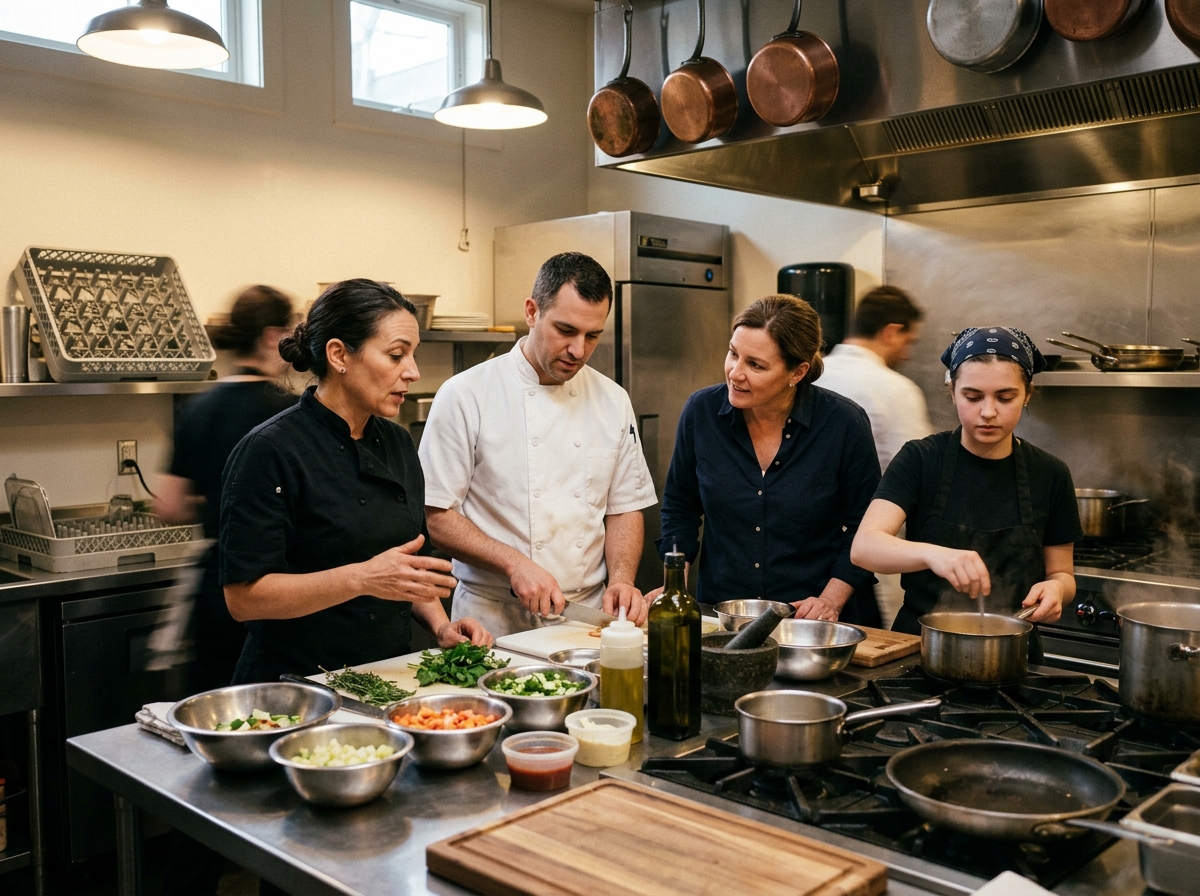
Transitioning to a data-driven operation does not happen overnight. Following a structured plan keeps your team focused on high-impact wins:
- Days 1–30: Audit current tech tools and baseline core metrics like food cost, labor spend, and waste.
- Days 31–60: Standardize digital recipes, connect inventory data, and deploy an integrated Spindl POS platform.
- Days 61–90: Establish a weekly P&L review, prune low-margin menu items, and optimize schedules using sales forecasts.
For deeper insights into how operators execute this transition, explore analytics revenue case studies and practical guides on streamlining operations with analytics.
Managing operations with natural language AI
Clicking through complex dashboards mid-service takes focus away from guests. Next-generation tools let operators manage back-office tasks using natural conversational language.
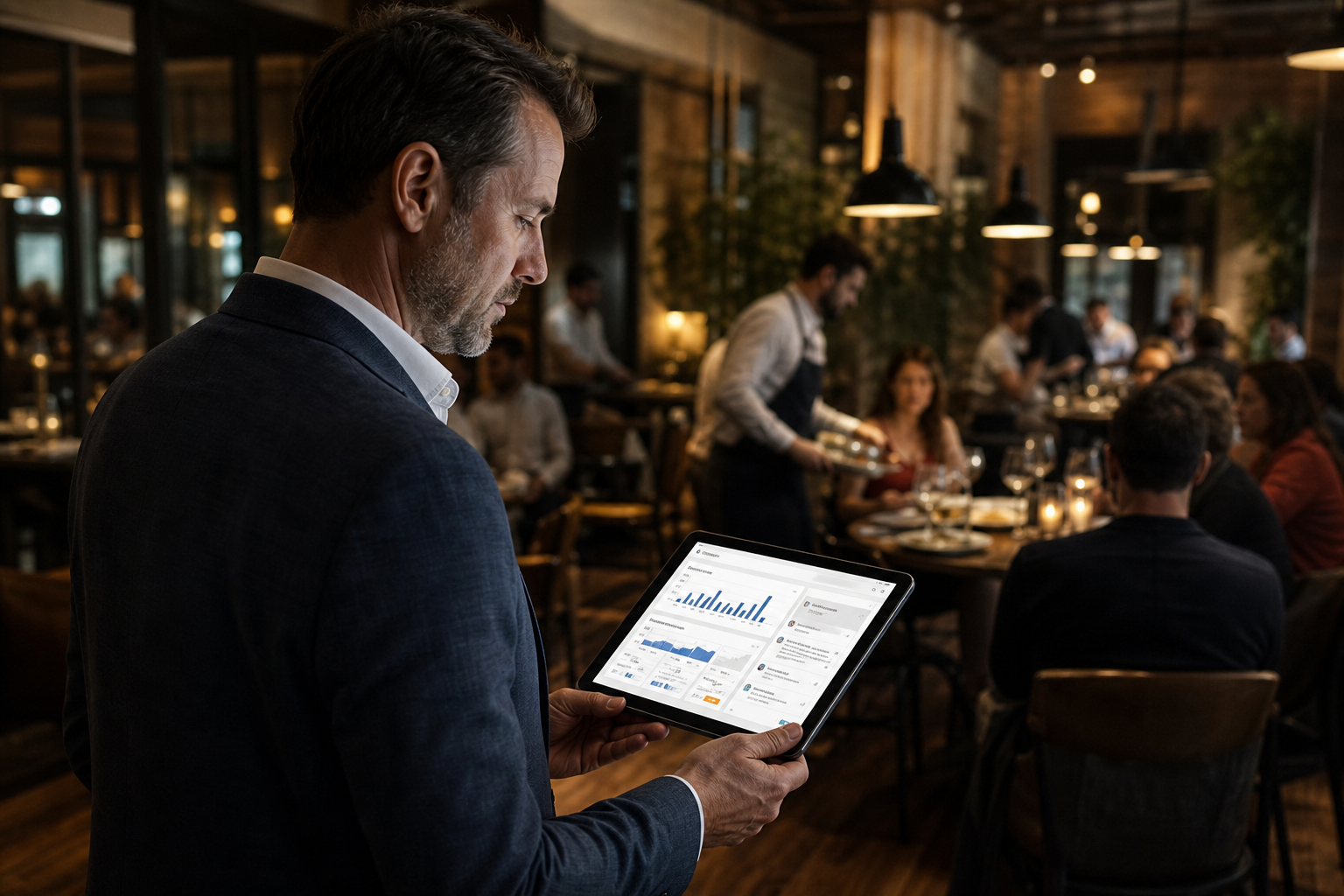
With the Spindl AI agent, managers can adjust menu prices, check item margins, or query shift sales directly through tools like Slack or ChatGPT.
If you want AI management on your existing system without swapping hardware right away, AgenticPOS provides an open MCP server that connects to your current POS. You can start managing menus, shifts, and promotions through chat for free, scale into Pro for multi-location management, and transition to full Spindl OS when you are ready to streamline your entire tech stack.
Streamline your operation today
Data-driven management turns operational complexity into consistent growth. By centralizing order channels, inventory tracking, and sales analytics into a single platform, operators eliminate data silos and protect bottom-line profitability.
To consolidate your ordering, inventory, and delivery workflow into one unified ecosystem, explore third-party integrations or schedule a demo with Spindl today.