Ruokalistan päivittäminen: Tehokas keino maksimoida ravintolan tuotto

Onko ruokalistasi vain passiivinen luettelo annoksista vai strateginen myyntityökalu? Monet ravintoloitsijat menettävät katettaan huomaamattaan, jos he eivät reagoi raaka-ainekustannusten muutoksiin tai asiakkaiden muuttuviin mieltymyksiin. Nykyaikaisessa ravintolaliiketoiminnassa ruokalista on nähtävä dynaamisena kasvun moottorina.
Milloin ruokalista kannattaa uusia?
Yhtä kaikille sopivaa päivitystahtia ei ole, vaan optimaalinen rytmi riippuu ravintolasi konseptista. Tilastot osoittavat, että säännölliset päivitykset voivat kasvattaa myyntiä 10–15 %, kun sesonkitrendit ja keskiostoksen optimointi hyödynnetään oikein.
Fast casual -ravintolat ja pikaruokapaikat (QSR) menestyvät usein lyhytaikaisilla kampanjatuotteilla (LTO) ja sesonkipaketeilla, jotka voivat kasvattaa asiakasvirtaa 5–10 %. Näille konsepteille neljännesvuosittaiset päivitykset ovatkin alan vakiintunut käytäntö.
Casual dining -ravintoloille sopii yleensä uudistus kerran tai kaksi vuodessa. Tämä mahdollistaa niin kutsuttujen ”työjuhtien” – eli suosittujen mutta matalakatteisten annosten – kierrättämisen niin, että kokonaisuus pysyy tuoreena vieraannuttamatta kanta-asiakkaita. Fine dining puolestaan vaatii ravintolatoiminnan tehokkuutta ja sesonkien tarkkaa seurantaa. Näissä ravintoloissa asiakkaat odottavat kulinaarista ketteryyttä ja jatkuvaa innovointia raaka-aineiden parhaan saatavuuden mukaan.
Ruokalistan uudistamisen strategiset hyödyt
Ruokalistan säännöllinen päivittäminen on kriittinen taloudellinen työkalu. Koska raaka-aineiden hinnat heilahtelevat, staattinen lista tarkoittaa usein sitä, että ravintola kantaa nousevat kustannukset itse katteen kustannuksella. Kun ruokalistaa käsitellään elävänä dokumenttina, voit suojata kannattavuuttasi markkinoiden epävakaudelta.
Raaka-ainekustannusten ja katteen optimointi
Tavoitteellisen raaka-ainekustannuksen (Food Cost) tulisi yleensä asettua 28–32 prosentin välille. Säännölliset päivitykset mahdollistavat kalliiden raaka-aineiden vaihtamisen edullisempiin sesonkituotteisiin, mikä voi laskea kustannuksia jopa 20 % sesonkia kohden. Huonosti myyvien tuotteiden poistaminen voi vähentää keittiön hävikkiä jopa 30 %. Esimerkiksi eräs pihviravintola hyödyntäen reaaliaikaista myyntidatan analysointia onnistui nollaamaan ulkofileen hävikin lähes seitsemästä kilosta pelkästään hiomalla tuotevalikoimaansa.
Asiakkaiden odotuksiin vastaaminen
Nykypäivän ruokailijat ovat hintatietoisia mutta elämyshakuisia. Arviolta 75 % kuluttajista odottaa löytävänsä sesonkituotteita ravintolan listalta. Jos tarjontasi näyttää heinäkuussa samalta kuin tammikuussa, menetät uutuudenviehätyksen, joka houkuttelee asiakkaita palaamaan ja kannustaa somenäkyvyyteen. Keittiön synkronointi ravintolan sesonkimarkkinoinnin kanssa varmistaa, että pysyt kiinnostavana kilpaillulla markkinalla.
Muutosten vaikutus operatiiviseen toimintaan
Vaikka listan päivittäminen kasvattaa liikevaihtoa, se voi aiheuttaa kitkaa keittiössä. Luovuus ja ravintolan budjetointivinkit on pidettävä tasapainossa, jotta muutoksen kustannukset eivät ylitä saatua hyötyä.
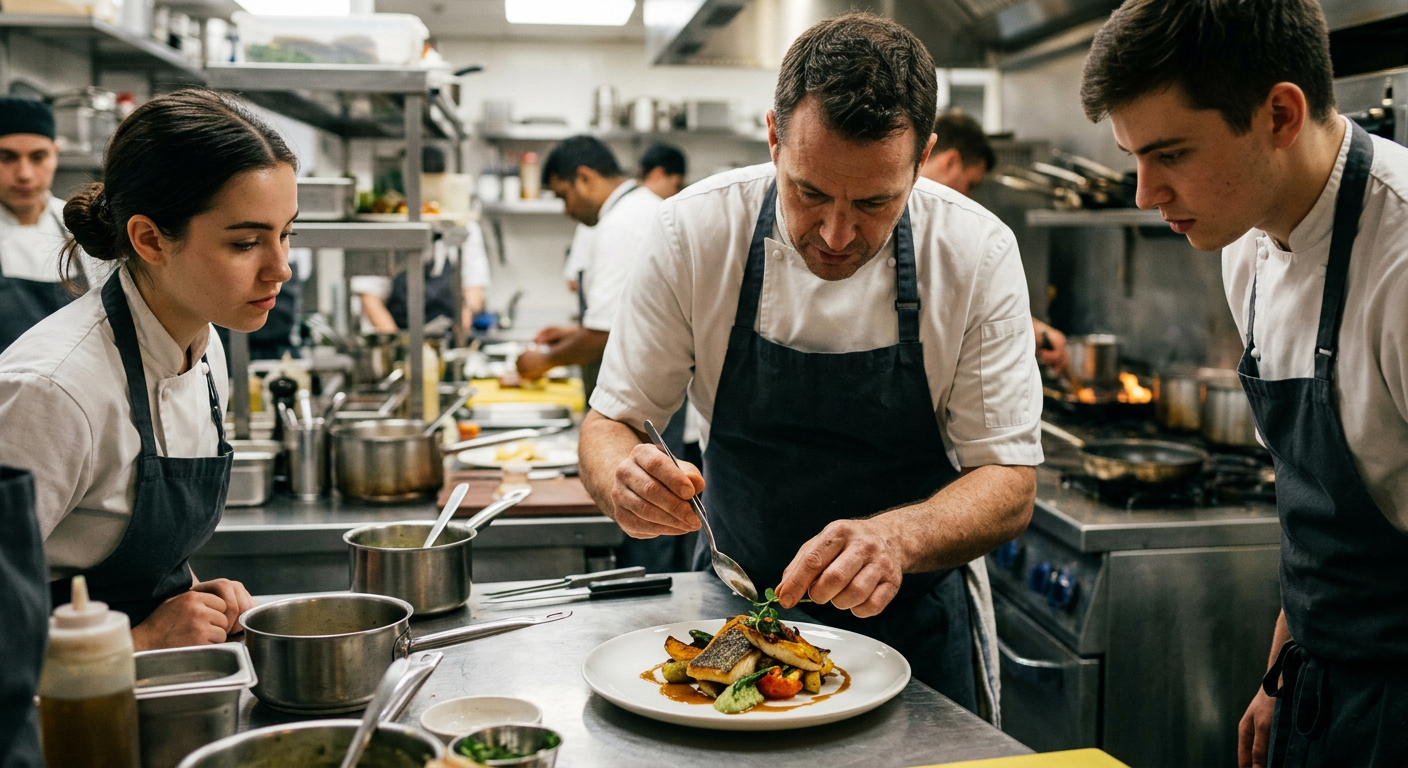
- Henkilökunnan koulutus: Jokainen uusi annos vaatii perehdytystä. Palvelunopeus voi hidastua hetkellisesti ensimmäisten päivien aikana, kun tiimi opettelee uudet reseptit ja esillepanot.
- Hankintaketjun hallinta: Sesonkimuutokset vaativat varaston tarkkaa valvontaa. Hyödynnä ravintolan varastonhallinnan parhaita käytäntöjä välttääksesi liikatilaukset ja hävikin siirtymävaiheessa.
- Digitaalinen synkronointi: Vanhentuneet järjestelmät tekevät tilauskanavien päivittämisestä työlästä. Nykyaikaiset ratkaisut, kuten Spindlin yhtenäinen alusta, mahdollistavat ruokalistan päivittämisen kaikkiin kanaviin yhdellä kertaa, jolloin tiedot pysyvät aina ajan tasalla.
Ruokalistan optimointi nelikentän avulla
Ennen kuin teet muutoksia, aja myyntiraportti ja luokittele annoksesi neljään strategiseen lohkoon (Menu Engineering). Näin varmistat, että jokainen päätös perustuu dataan, ei arvauksiin.

- Tähdet (Stars): Suosittuja ja korkeakatteisia annoksia. Pidä ne listalla ja sijoita ne parhaille paikoille.
- Työjuhdat (Plowhorses): Suosittuja, mutta katteeltaan matalia. Älä poista niitä, mutta kokeile reseptin viilaamista tai pientä hinnankorotusta parantaaksesi ravintolan voittomarginaalia.
- Arvoitukset (Puzzles): Korkeakatteisia, mutta huonosti myyviä. Nämä tarvitsevat markkinointia: kokeile uudelleennimeämistä tai ohjeista tarjoilijat suosittelemaan niitä aktiivisesti.
- Rakit (Dogs): Tuotteet, joiden suosio ja kate ovat matalia. Nämä kannattaa poistaa listalta välittömästi, sillä ne vain kuormittavat keittiötä ja varastoa.
Tee ruokalistastasi tulosmoottori
Ruokalistamuutosten ei pitäisi perustua pelkkään mututuntumaan. Käytä tietoon perustuvaa päätöksentekoa tunnistaaksesi, mitkä annokset tuovat tulosta ja mitkä jarruttavat kasvua.
Kun integroit tilausten vastaanoton, analytiikan ja hallinnan yhteen Spindl OS -järjestelmään, voit toteuttaa muutokset minuuteissa. Oletko valmis kääntämään ravintolasi tuloksen kasvuun? Varaa Spindl-demo jo tänään ja näe, miten helppoa koko liiketoiminnan hallinta voi olla yhdellä selkeällä käyttöliittymällä.