Miten ravintola toimii: sujuva arki ja toiminnan taustajärjestelmät
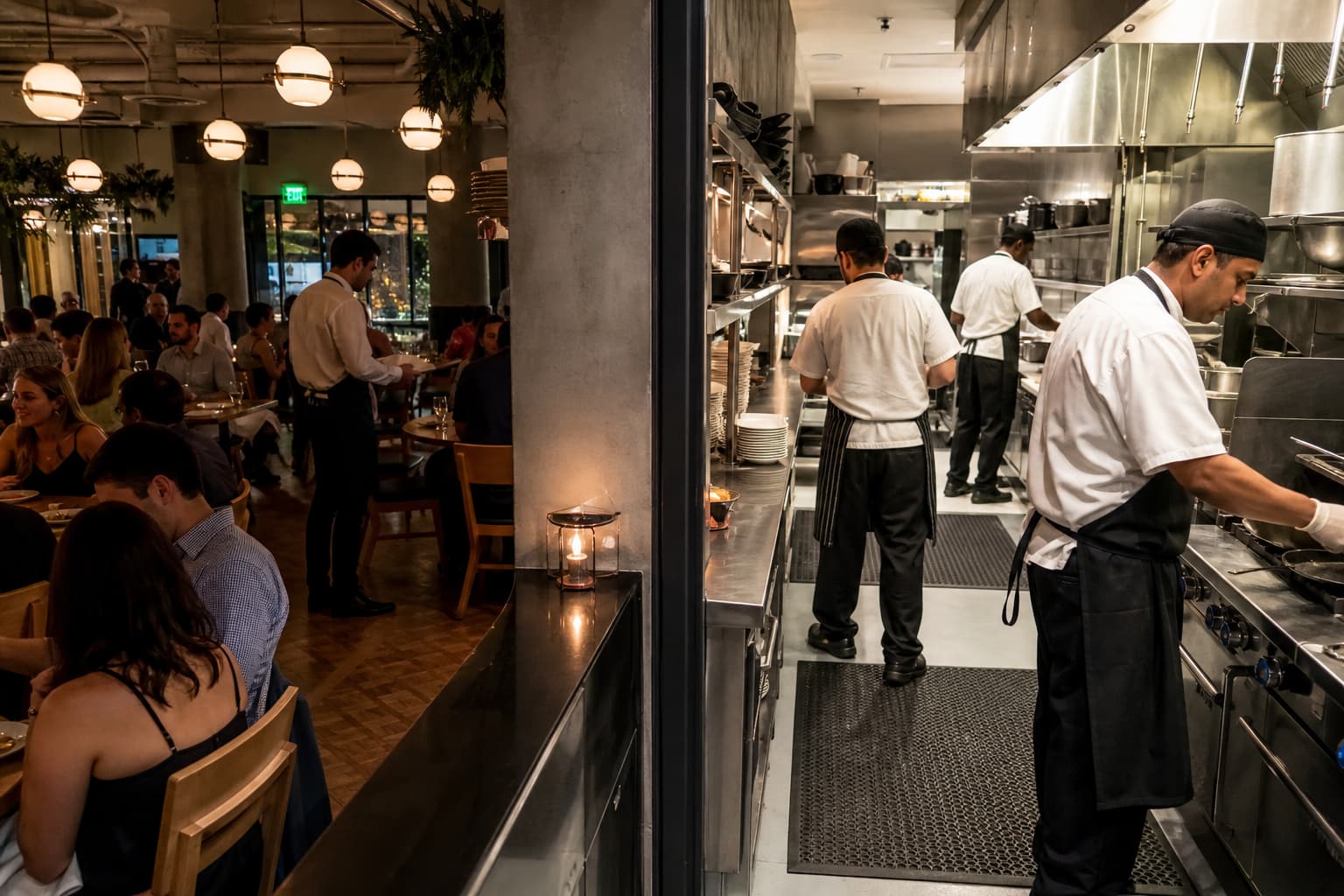
Miksi jotkin ravintolat pyörivät kuin rasvattu ruuhkaisinakin perjantai-iltoina, kun taas toisissa ajaudutaan kaaokseen? Vaikka ruokalistalla on merkitystä, vasta toimivat taustajärjestelmät ratkaisevat menestyksen. Kannattavan ja hyvin johdetun ravintolan pyörittäminen vaatii selkeää käsitystä siitä, miten salin ja keittiön roolit, työprosessit sekä viestintä kytkeytyvät toisiinsa.
Ravintolan rakenne: salin ja keittiön vuorovaikutus (FOH vs. BOH)
Ravintolaliiketoiminta nojaa kahden pääalueen tiiviiseen yhteispeliin: saliin (Front of House, FOH) ja keittiöön (Back of House, BOH). Sali muodostaa asiakkaiden ruokailuympäristön, jossa vieraanvaraisuus konkretisoituu. Keittiö puolestaan toimii ravintolan moottorina, jossa raaka-aineet jalostetaan valmiiksi annoksiksi.
Jos salin ja keittiön välinen viestintä tökkii, tilaukset viivästyvät, väärinkäsitykset lisääntyvät ja asiakastyytyväisyys kärsii. Saumaton yhteistyö edellyttää selkeitä roolijakoja, toimivia rutiineja ja yhteisiä laatutavoitteita.
Salin henkilöstön roolit ja vastuualueet
Salin henkilökunta vastaa kaikista asiakaskohtaamisista aina vastaanotosta maksutapahtumaan asti. Heidän keskeisiä tavoitteitaan ovat vieraanvaraisuus, palvelun sujuvuus ja tilausten tarkkuus, jotka vaikuttavat suoraan ravintolan asiakaspalvelun laatuun.
- Hovimestarit ja vastaanottajat (Hosts): Ottavat asiakkaat vastaan, hallinnoivat pöytävarauksia ja -karttaa sekä sääntelevät asiakasvirtaa tasoittaakseen tarjoilijoiden ja keittiön työkuormaa.
- Tarjoilijat: Ottavat tilaukset vastaan, esittelevät ruokalistaa, huolehtivat lisämyynnistä ja syöttävät tilaukset viiveettä ravintolan POS-kassajärjestelmään.
- Baarimestarit ja baarimikot: Valmistavat juomat sekä baaritiskille että pöytiin, ylläpitävät juomavarastoa ja huolehtivat lasihuollosta.
- Ruoan viejät ja passinhoitajat (Food runners & expeditors): Varmistavat keittiön passissa annosten laadun, oikean esillepanon ja tilauksen täsmällisyyden ennen kuin ruoat tarjoillaan kuumina pöytiin.
- Salin apulaiset (Bussers): Tyhjentävät käytetyt astiat, siistivät ja desinfioivat pöydät sekä valmistelevat ne nopeasti seuraaville asiakkaille.
Toiminnan korkea taso vaatii selkeitä ravintolan laadunvalvontatoimenpiteitä, jotta jokainen asiakas saa tasalaatuista ja erinomaista palvelua vuorosta toiseen.
Keittiön henkilöstön roolit ja vastuualueet
Keittiön arki nojaa sekunnintarkkaan ajoitukseen, korkeisiin lämpötiloihin ja saumattomaan linjastotyöskentelyyn.
- Keittiömestari (Executive chef): Vastaa ruokalistojen suunnittelusta, raaka-ainekustannuksista, tavarantoimittajasuhteista ja keittiön yleisestä laatutasosta.
- Apulaiskeittiömestari (Sous chef): Toimii keittiömestarin oikeana kätenä, johtaa keittiön linjastoa ruuhka-aikoina, perehdyttää työntekijöitä ja purkaa toiminnan pullonkauloja.
- Kokit ja esivalmistelijat (Line & prep cooks): Huolehtivat mise en place -valmisteluista, annostelevat raaka-aineet vakioreseptien mukaan ja valmistavat ruoka-annokset tilausten tahtiin.
- Esivalmistushenkilöstö (Food preparation workers): Vastaa raaka-aineiden alustavasta käsittelystä – kuten vihannesten ja lihojen pilkkomisesta – sekä kylmätilojen järjestämisestä FIFO-periaatteen (First-In, First-Out) mukaisesti.
Raaka-ainekustannusten hallinta vaatii reaaliaikaista näkyvyyttä ainesten kulutukseen. Kun keittiön tuotanto kytketään suoraan myyntiin ajantasaisen varastonhallintaohjelmiston avulla, vältetään annoskokojen karkaaminen ja estetään kalliit raaka-ainepuutteet kesken työvuoron.
Johtajuus, turvallisuus ja sääntelyn noudattaminen
Sujuvan toiminnan ylläpitäminen sekä salissa että keittiössä edellyttää jämäkkää johtajuutta ja tiukkaa turvallisuusvalvontaa.
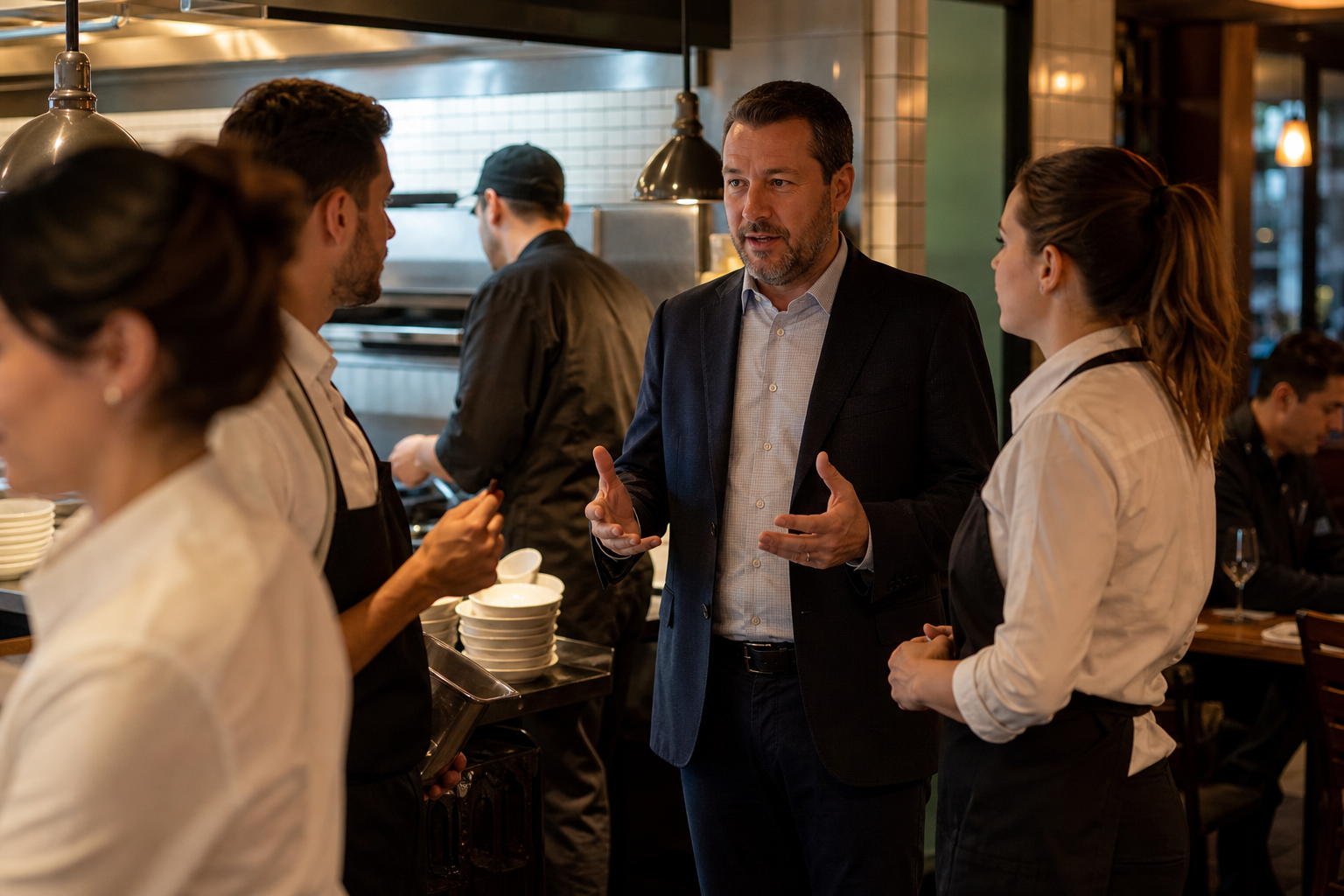
Ravintolapäälliköt ja vuoropäälliköt
Ravintolapäälliköt luotsaavat päivittäistä toimintaa: he laativat työvuorolistat, käsittelevät asiakaspalautteet, seuraavat henkilöstökustannuksia ja analysoivat taloudellista tulosta. Tuloksellisessa johtamisessa seurataan tiiviisti niin kutsuttua prime cost -tunnuslukua eli raaka-aine- ja henkilöstökustannusten yhteissummaa, joka pyritään pitämään alan yleisen suosituksen mukaisesti noin 60 prosentissa liikevaihdosta.
Vastaava henkilö (PIC) ja elintarviketurvallisuus
Elintarvikesääntelyn (kuten Yhdysvaltain FDA Food Coden) mukaan nimetyn vastaavan henkilön (Person in Charge, PIC) on oltava paikalla aina ravintolan ollessa auki. Vastaava henkilö valvoo käsihygieniaa, estää paljain käsin koskemisen valmiisiin elintarvikkeisiin, varmistaa hyväksyttyjen tavarantoimittajien käytön ja huolehtii siitä, että tiimi noudattaa kaikkia elintarviketurvallisuusohjeita.
Keittiöissä hyödynnetään aktiivista omavalvontaa HACCP-järjestelmän avulla kriittisten aika- ja lämpötilarajojen Seuraamiseksi. Tämä nojaa neljään elintarviketurvallisuuden peruspilariin: puhtaus, erillään pito, kuumennus ja jäähdytys.
Päivittäinen toimintaprosessi
Sujuva ravintolavuoro noudattaa selkeää kaavaa aina avausta edeltävistä valmisteluista sulkemisen jälkeisiin rutiineihin:
- Avaus ja valmistelu: Keittiöhenkilökunta kirjaa kylmälaitteiden lämpötilat ja tekee aamun esivalmistelut. Salin henkilökunta käynnistää POS-kassapäätteet, tarkistaa pohjakassan ja siistii ruokapöydät.
- Vuoropalaveri (Briefing): Esimiehet pitävät ennen vuoron alkua lyhyen palaverin tiimin kanssa. Palaverissa käydään läpi päivän erikoisannokset, loppuunmyydyt tuotteet (86'd), odotetut asiakasmäärät sekä palvelutavoitteet.
- Tilausten vastaanotto ja rytmitys: Hovimestari ottaa asiakkaat vastaan ja sijoittaa heidät pöytiin tasaisella tahdilla. Tarjoilijat kirjaavat erikoisruokavaliot, syöttävät tilaukset kassajärjestelmään ja lähettävät ne välittömästi keittiön oikeille työpisteille.
- Valmistus ja luovutus (passi): Kokit valmistavat annokset, ja passinhoitaja tarkistaa tilausten täsmällisyyden, esillepanon sekä tarjoilulämpötilan ennen kuin lautaset viedään pöytiin.
- Vuoronvaihto ja auditointi: Vuoropäälliköt tekevät merkinnät päiväkirjaan, tarkistavat arvokkaimpien raaka-aineiden varastosaldot ja välittävät tärkeät toimintatiedot seuraavalle vuorolle.
- Sulkeminen ja täsmäytys: Keittiöhenkilökunta puhdistaa laitteet, pakkaa ja päivää tähteelle jääneet ruoat sekä huolehtii jätehuollosta. Salin henkilökunta täsmäyttää kassajärjestelmän päiväraportit, laskee käteiset, lukitsee ovet ja kytkee hälytysjärjestelmän päälle.
Vuorokaaoksen välttäminen perustuu työvoiman oikeaan mitoitukseen. Hyödyntämällä strategisia vinkkejä ravintolan työvuorosuunnitteluun varmistat, että salissa ja keittiössä on riittävästi väkeä ruuhka-aikoina ilman, että henkilöstökustannukset karkaavat käsistä hiljaisina päivinä.
Työvuon modernisointi teknologian ja tekoälyn avulla
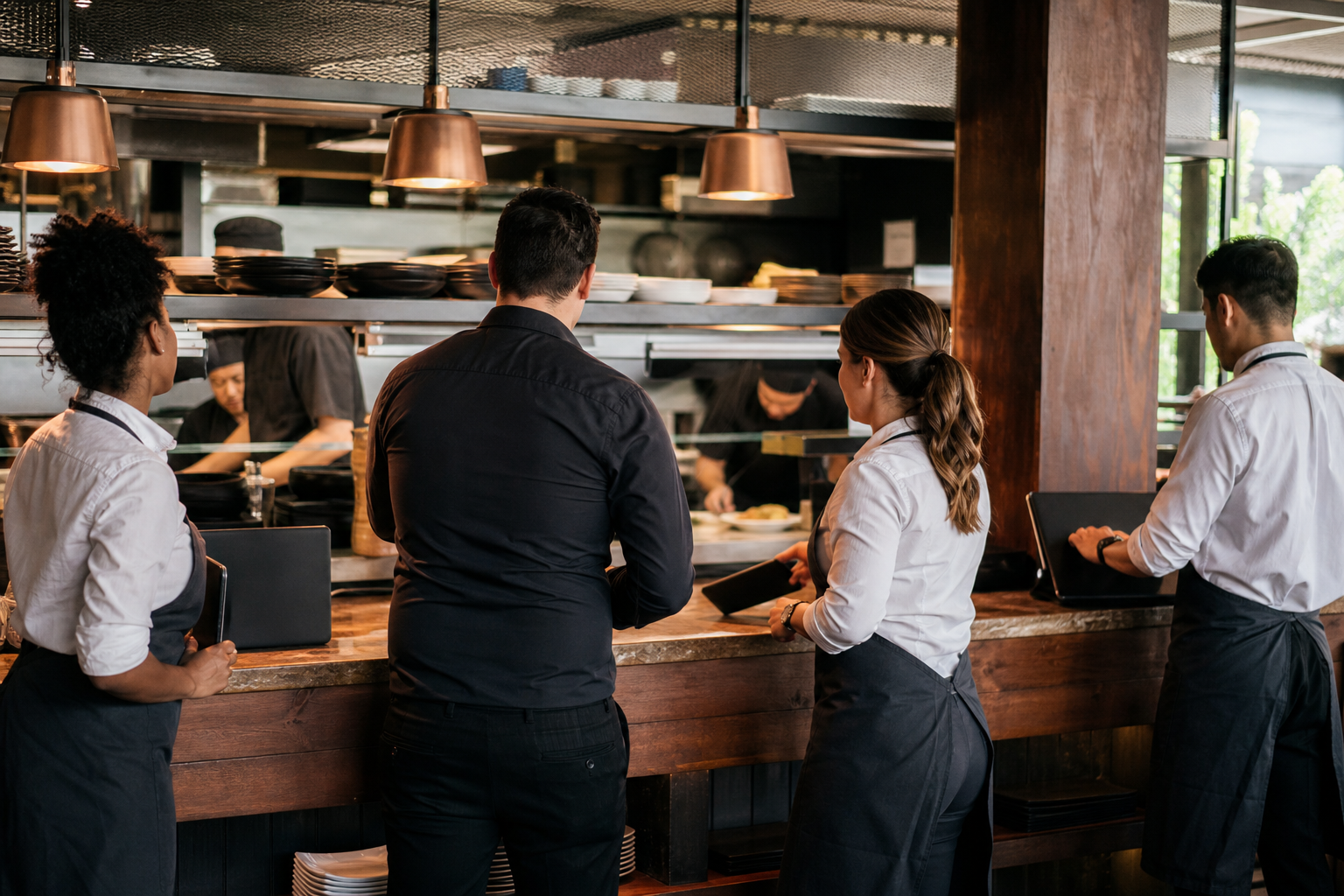
Päivittäisten prosessien hallinta paperilomakkeilla tai irrallisilla ohjelmistoilla lisää inhimillisiä virheitä ja hidastaa palvelua. Nykyaikainen ravintolatoiminta tehostuu yhdistämällä kassatapahtumat, kuljetuskanavat ja varastotiedot yhdeksi yhtenäiseksi järjestelmäksi.
Kun järjestelmään kytketään vakioitu ravintolahenkilöstön koulutusohjelma, uudet työntekijät pääsevät nopeasti vauhtiin ja perehdytysaika lyhenee. Jos haluat löytää käytännön keinoja toiminnan kitkan poistamiseen ja päälliköiden työajan säästämiseen, lue opaskirjoituksemme vinkkejä ravintolan toiminnan tehostamiseen.
Ravintoloitsijat voivat lisäksi hyödyntää tekoälyautomaatiota AgenticPOS -ratkaisun avulla. AgenticPOS tarjoaa MCP-palvelimen, jonka avulla ravintolapäälliköt voivat hallinnoida kassatyökaluja, työvuorolistoja, hinnoittelua ja varastopäivityksiä suoraan keskustelualustojen, kuten Clauden, ChatGPT:n tai Slackin, kautta. Voit aloittaa AgenticPOSin maksuttoman käytön nykyisellä kassajärjestelmälläsi, laajentaa toimintaa saumattomasti useisiin toimipisteisiin ja siirtyä Spindlin kattavaan alustaan aina, kun olet valmis uudistamaan koko operatiivisen teknologiasi.
Rakenna sujuvampi ja tehokkaampi ravintolatoiminta
Ravintolan tehokas johtaminen tiivistyy selkeisiin roolijakoihin, toistettaviin päivittäisiin rutiineihin ja älykkäisiin ohjelmistoratkaisuihin. Kun salin ja keittiön tiimit toimivat saumattomasti yhteen ja heillä on täysi näkyvyys myyntiin sekä varastosaldoihin, palvelu rullaa sujuvasti ja kannattavuus paranee. Tutustu jo tänään siihen, miten Spindl voi yhdistää kassajärjestelmän, varastonhallinnan ja tilaustenkäsittelyn yhdeksi intuitiiviseksi alustaksi.