How restaurant leadership style cuts $5,864 turnover costs
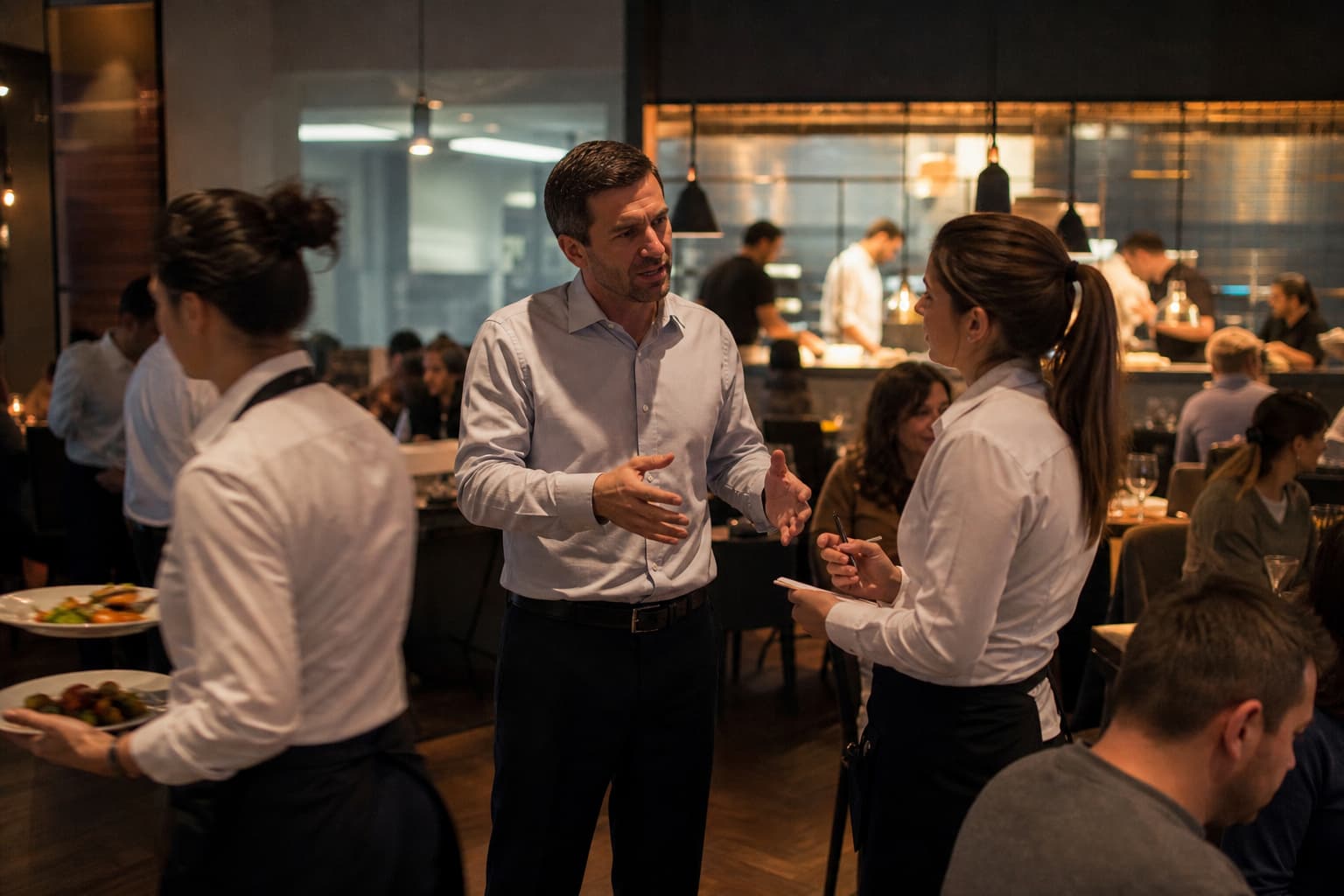
Are you tired of losing $5,864 every time an employee walks out the door? With industry turnover consistently exceeding 75%, your leadership style directly dictates your profit margins. To survive, you must build systems that empower your team to succeed independently.
The true cost of disengaged staff
Running a restaurant in a tight labor market is a daily battle. National Restaurant Association research reports that 45% of operators did not have enough staff to meet demand, and nearly 57% were more than 10% understaffed. When your floor is short-handed, chronic stress trickles down to your guests.
The financial damage of this stress is staggering. Cornell University research shows that losing a single front-line employee costs an average of $5,864. This includes pre-departure, recruiting, and lost productivity costs. If you look at hard replacement costs, you are looking at $2,305 for an hourly worker, $10,518 for a manager, and $16,770 for a general manager.
The key to stopping this bleeding is engagement. Gallup’s research proves that highly engaged teams experience 23% higher profitability, 18% higher sales, and 21% to 51% lower turnover. When you proactively address restaurant staff stress, you protect your bottom line. Investing in your team is the most reliable way to reduce staff turnover in restaurants.
Choosing the right leadership style
Effective restaurant managers do not rely on a single, rigid management style. Instead, they pivot between different approaches depending on the immediate needs of the floor.
- Transformational: This style focuses on inspirational motivation and a shared vision. Empirical studies show that transformational leadership significantly improves employee performance and job satisfaction. It is your best tool for long-term retention.
- Autocratic: This style provides clear, immediate direction. It is necessary during a heavy Friday night rush or a surprise health inspection. However, overuse of autocratic leadership leads to decreased satisfaction and high turnover.
- Democratic: This is highly effective for menu planning and problem-solving. It builds buy-in from veteran staff and fosters a strong sense of ownership.
- Laissez-faire: This works best for highly experienced, self-motivated teams who need the freedom to exercise their abilities at work.
The goal is to move toward a democratic and transformational approach as your staff gains competence. To get there, you must provide a comprehensive training program for restaurant staff. This ensures that your baseline for "good work" is clearly defined and consistent. By masterfully executing these restaurant management strategies, you can elevate your entire operation and deliver exceptional customer service in restaurant management.
Build a bulletproof communication loop
In a busy kitchen, a single missed message can ruin a guest's experience and stress out your crew. Clear communication requires a mix of verbal and written habits. This is especially true when navigating restaurant management challenges with diverse, multilingual teams.
To keep your team aligned, focus on structured communication at three key stages:
- Pre-shift: Use the pre-shift meeting to set clear goals, share out-of-stock items, and use encouraging language to energize the team. If you employ non-native English speakers, use visual aids and keep your language clear and concise.
- Mid-shift: Remain accessible on the floor. Use mobile communication tools for quick updates and conduct periodic check-ins to gauge progress and support struggling stations.
- Post-shift: Run a quick debrief. Highlight strengths, give constructive feedback privately to address individual performance, and express explicit gratitude to build camaraderie.
Never let critical operational details get lost in the noise of a dinner rush. Send schedules out in advance with detailed notes. Support your verbal directions during busy shifts with simple written materials posted at key stations.
Stop guessing and lead with data
Managing labor costs does not mean understaffing your floor. If you rely on intuition to build schedules, you will inevitably overschedule during slow lunches or drown during sudden rushes.
Successful restaurant leaders use data to drive efficiency. By using a modern restaurant POS system with real-time analytics, you can forecast staffing needs based on actual historic demand.
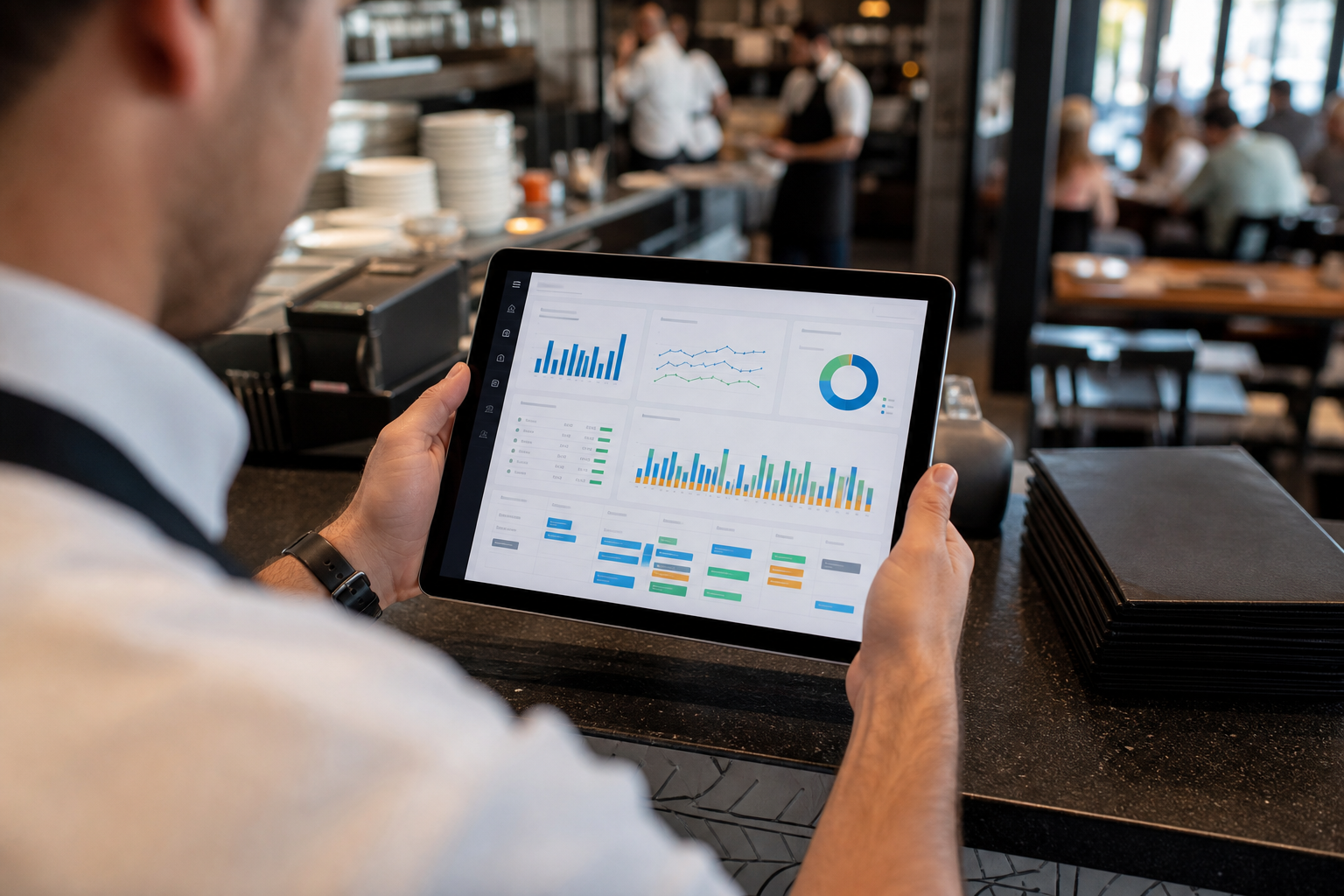
- Analyze key metrics like Sales per Labor Hour (SPLH) to optimize your scheduling decisions.
- Leverage AI-driven forecasting to reduce labor costs by up to 15%.
- Implement automated time tracking to save managers five to eight hours of administrative work weekly.
When you master these restaurant shift scheduling tips, you protect your prime cost without burning out your staff.
Remove system friction with Spindl and AgenticPOS
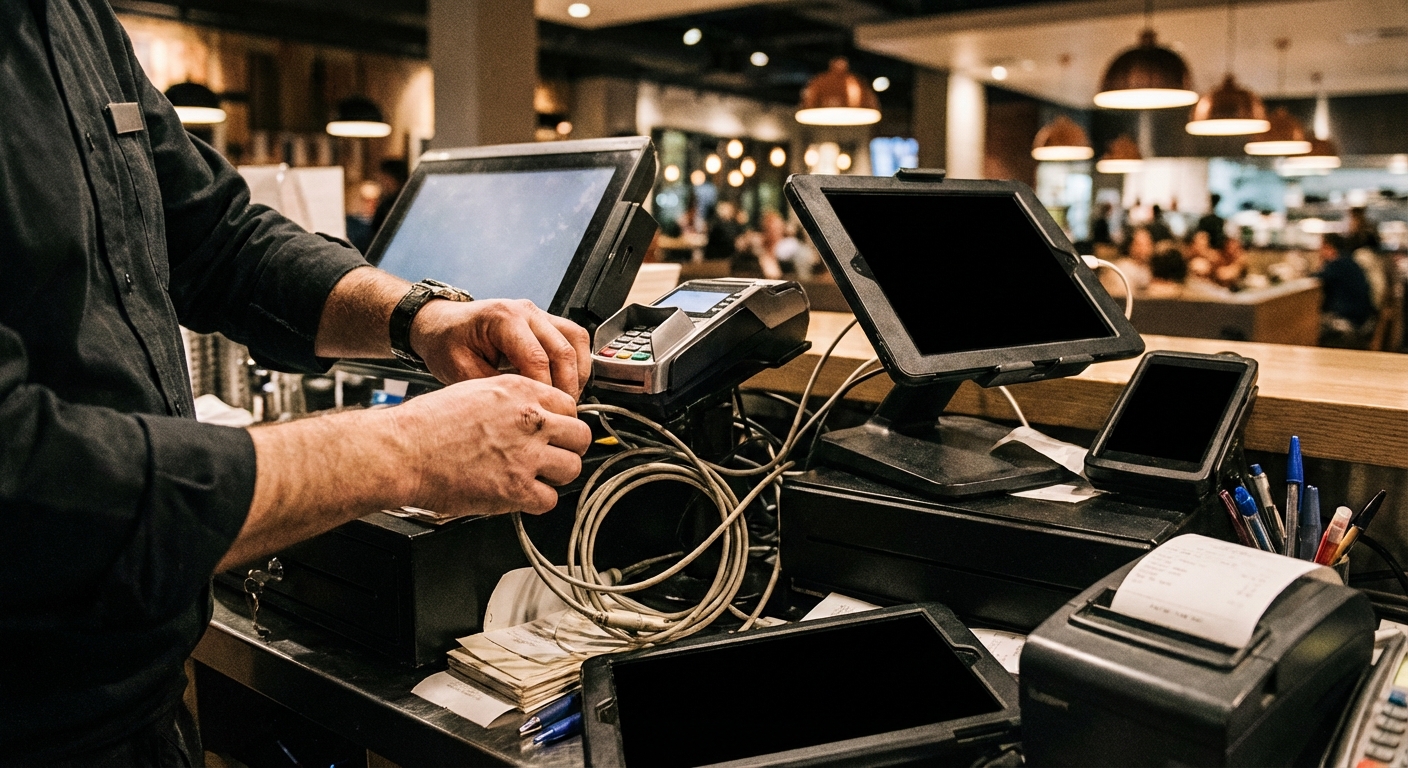
Your team cannot perform at a high level if they are constantly fighting outdated technology. When servers have to navigate multiple clunky tablets to input a simple modifier, they lose their focus on the guests.
You can eliminate this operational friction using tools designed for speed. Start with AgenticPOS, an MCP server that lets AI agents control your POS through chat. Instead of clicking through dashboards, managers and operators can run daily operations – like menu management, promotions, shifts, and inventory – through Claude, ChatGPT, or Slack bots. It is a free-to-start solution that scales with you as your multi-location operations grow.
When you are ready to completely retire your legacy stack, transition to Spindl. Spindl is an all-in-one restaurant operating system that consolidates dine-in, delivery, takeaways, and analytics into one seamless screen. By reducing the cognitive load on your staff, you give them the mental breathing room to lead, serve, and excel.
Stop managing fires and start leading your restaurant toward predictable growth. Explore how AgenticPOS simplifies your day-to-day operations through AI, or schedule a demo with Spindl to transform your entire system today.