The great migration of restaurant talent
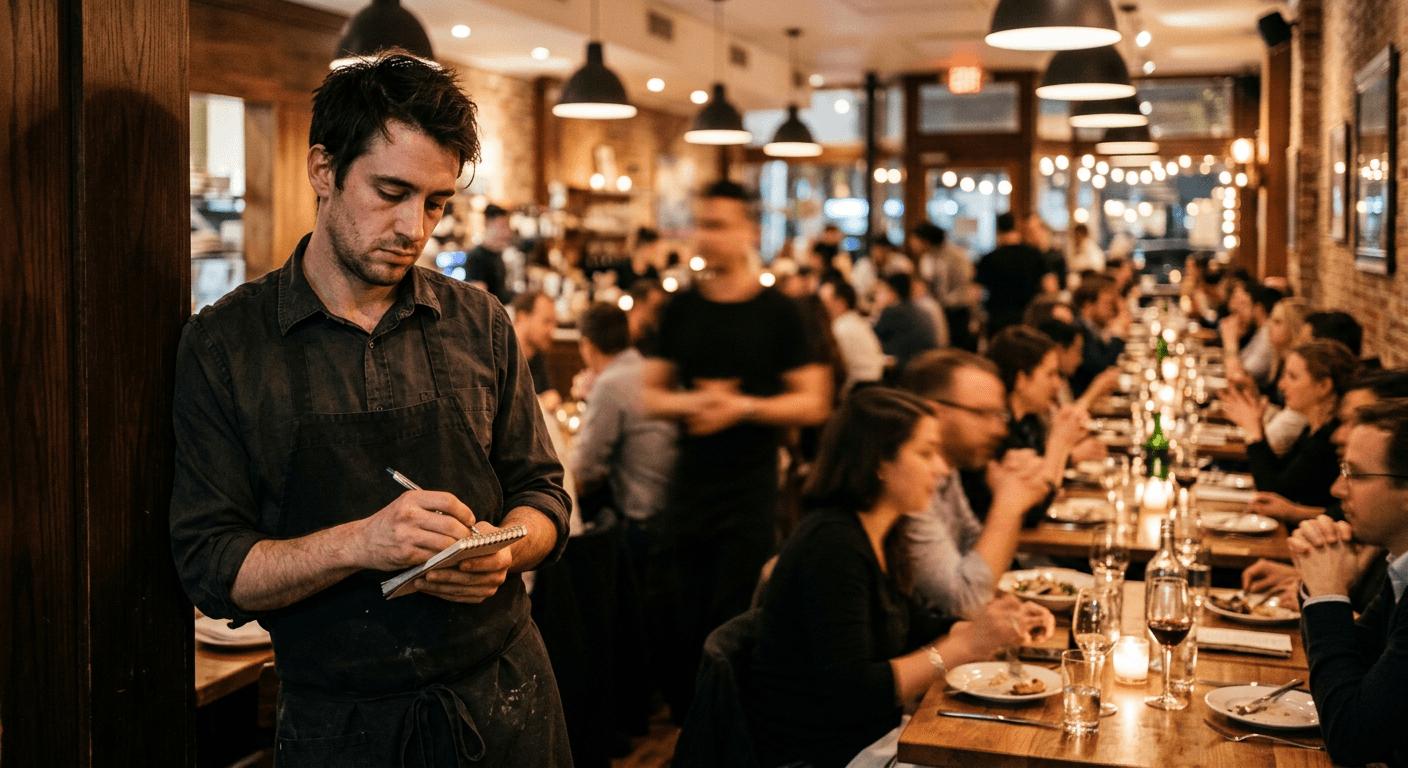
The hospitality landscape has fundamentally shifted. While the industry is facing sustained demand – with job openings in the food and lodging sector averaging 856,000 per month according to National Restaurant Association data – the workforce has changed.
Many workers have exited the sector permanently. The pandemic accelerated career changes, prompting veterans to transition into industries offering better work-life balance, health benefits, and stable pay. Others migrated to gig work for greater autonomy or warehouse roles offering higher starting wages and highly predictable schedules.
This labor-supply drain is further exacerbated by structural realities:
- A shrinking traditional youth workforce, with the 16-to-24-year-old labor base smaller than in previous decades.
- Tighter immigration policies and visa limits that restrict access to key kitchen talent.
- Rising competition from other sectors that can easily outbid traditional restaurant margins.
This environment has created persistent restaurant recruitment problems that make standard hiring practices ineffective, compounding broader restaurant industry challenges.
Burnout and the revolving door
If recruiting is difficult, retention is even harder. The hospitality sector experiences an overall turnover rate of roughly 79.6%, spiking to an incredible 123% in quick-service restaurants. Understaffing breeds more understaffing. When a team is short-handed, the remaining staff must absorb the extra workload. This cycle of chronic restaurant worker stress leads to exhaustion, physical strain, and eventual departures.
The financial toll of this churn is devastating. Replacing a single kitchen or front-of-house employee costs upwards of $5,000 when accounting for recruiting, onboarding, and lost productivity. If your kitchen is constantly training new hires, operational efficiency plummets, wait times rise, and customer satisfaction drops. To survive, operators must implement deliberate strategies to reduce staff turnover rather than treating employees as disposable resources.
Combatting shortages with operational fixes
You cannot control national labor trends, but you can control your internal operations. Savvy operators are redesigning their workflows to run more efficiently with smaller, highly satisfied teams:
- Simplify the menu: Complex menus strain the kitchen. Cutting menu items down – like a Portland bistro that reduced its menu from 32 to 18 items – slashes prep time, reduces waste, and shortens cook training from a month to just two weeks. Read more on restaurant operational efficiency tips.
- Cross-train your staff: Train your front-of-house and back-of-house teams to handle multiple roles. This floating system ensures gaps are covered during mid-shift rushes or unexpected call-outs, making your restaurant labor cost control strategies far more effective.
- Provide predictable scheduling: Unpredictable hours drive burnout. Posting schedules at least 14 days in advance gives your staff stability, reducing last-minute no-shows by 28%. Learn more from these restaurant shift scheduling tips.
- Establish structured training: A robust, structured staff training program builds confidence early, helping new hires reach full competency quickly and reducing the early-stage turnover that plagues disorganized kitchens.
Streamlining operations through technology
Manual administrative tasks eat up hours that your managers should spend on the floor supporting the team. When your POS, delivery platforms, and scheduling apps do not talk to each other, you end up juggling multiple screens and battling tablet chaos.
Technology can act as a crucial operational buffer. For instance, self-service kiosks and QR code ordering can relieve front-of-house pressure, allowing restaurants to run smooth shifts with fewer staff.
Using the right tools reduces the friction that burns your team out. For instant back-office relief, AgenticPOS offers an MCP server that lets AI agents control your existing POS system via chat. Operators can manage menus, shift scheduling, inventory, and real-time reporting using natural language through Claude, ChatGPT, or Slack.
For a completely unified operations stack, the Spindl all-in-one platform consolidates order taking, POS, self-service, and delivery management into a single system. This integration eliminates administrative overhead, saving up to 10 hours of manual work every week and letting your team focus on hospitality.
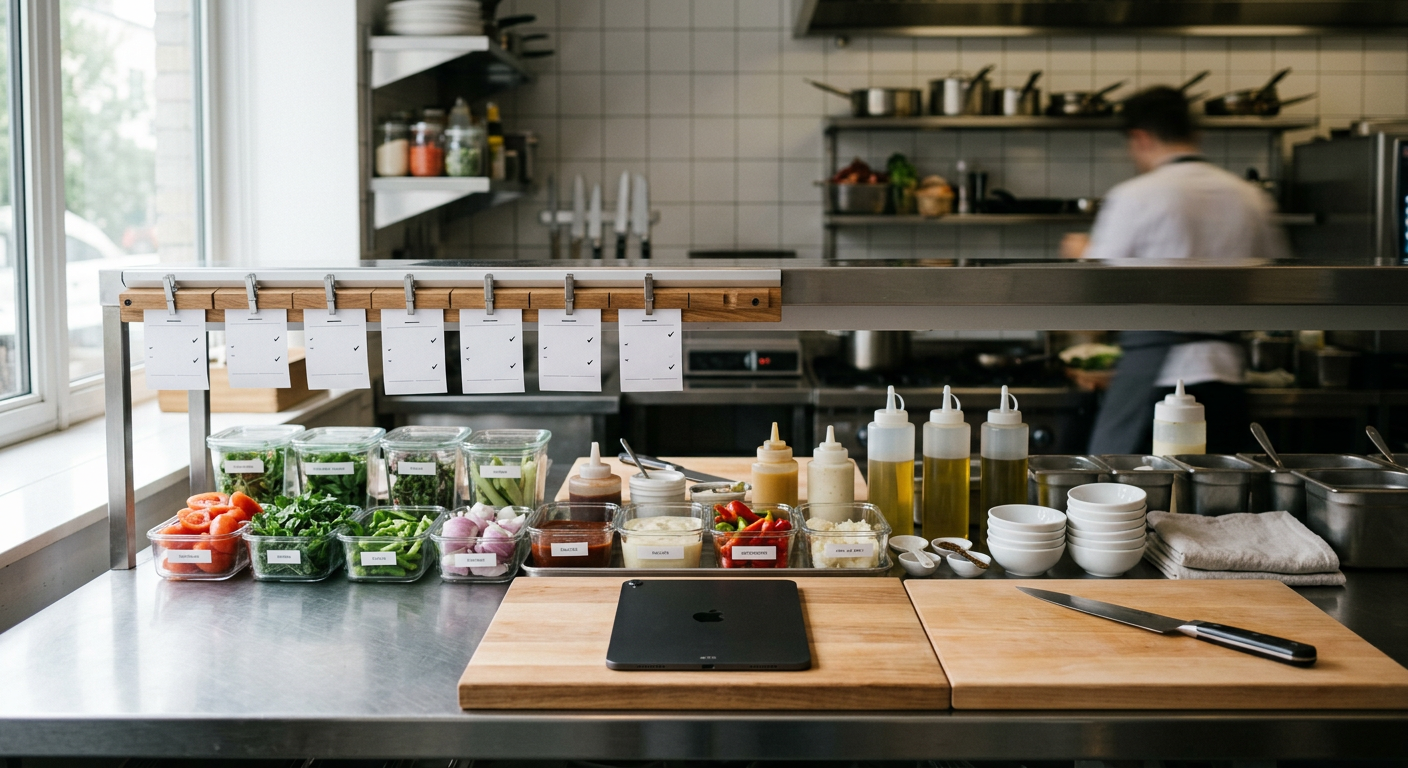
Understaffing is a system design issue, not just a hiring problem. By giving your team predictable schedules, clear career paths, and the right technology, you can protect your margins and build a resilient workforce. Start simplifying your operations for free with AgenticPOS on your current POS, and scale into the full Spindl OS when you are ready to retire the legacy stack.