How to survive the 2025 restaurant margin squeeze
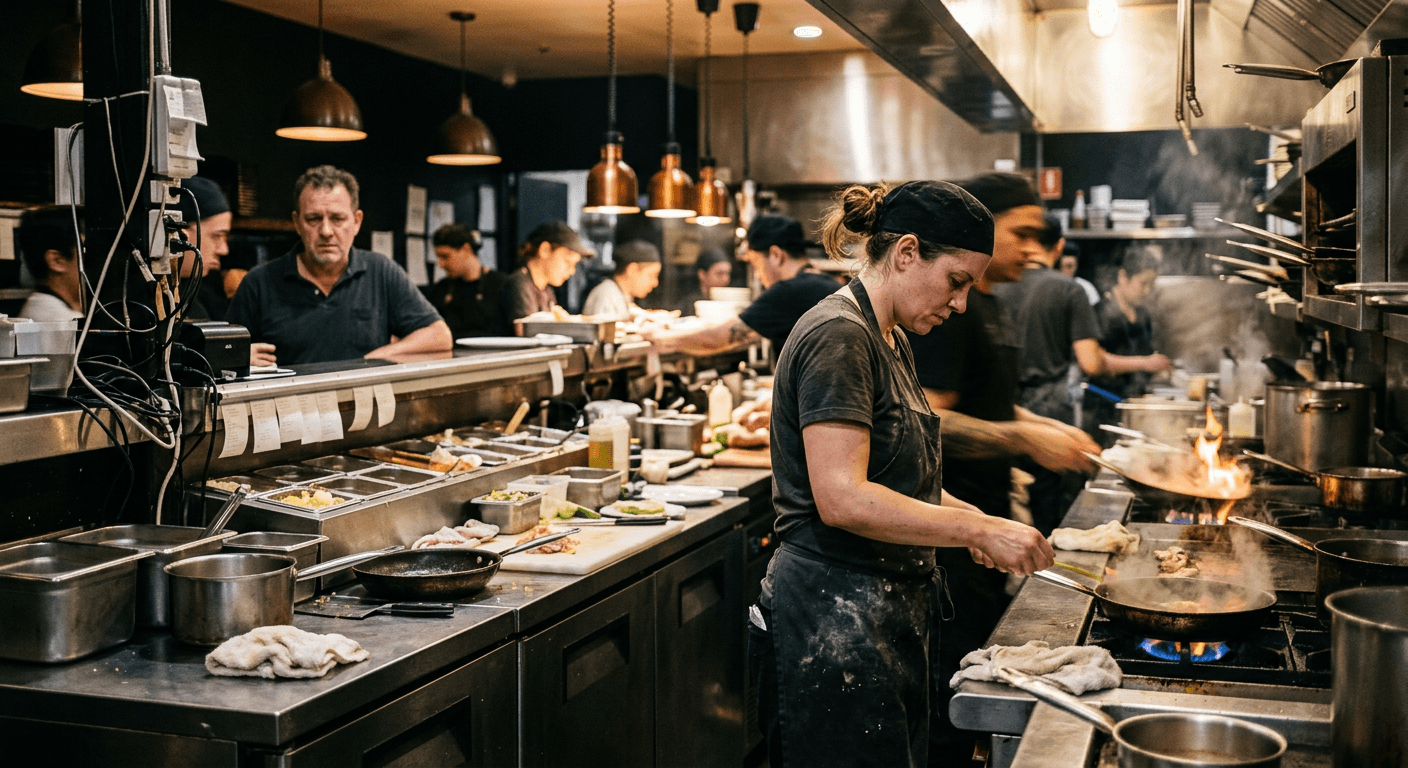
Can you survive on a 3% net margin when your food and labor costs have spiked 35%? In 2025, restaurant management isn't just about hospitality; it’s a war of attrition against rising inputs and a shrinking talent pool. Here is how to fight back.
The labor crisis and the turnover trap
Labor is no longer just your largest expense – it is your biggest operational bottleneck. Approximately 70% of U.S. operators struggle to fill open positions, and those who do find staff often face a revolving door. Hourly turnover in Quick Service Restaurants (QSR) has peaked at a staggering 123%, creating a chaotic environment where consistency is nearly impossible.
This volatility is expensive. The cost of replacing a single line cook ranges between $1,800 and $5,000 when you factor in recruiting, training, and lost productivity. To survive, you must move beyond the "help wanted" sign and focus on operational endurance. Smart operators are implementing strategies to reduce staff turnover by offering predictable, data-driven scheduling. Posting schedules two weeks in advance can reduce turnover by up to 35%, giving your team the stability they crave.
You can also fight the labor shortage by reducing the learning curve. In an industry where staff might only stay for 110 days, you cannot afford a two-week training period. Utilizing an integrated restaurant management platform that uses familiar app logic allows new hires to master the system in minutes. If your technology can pass the "Grandma Test," your onboarding becomes an asset rather than a hurdle.
The profitability squeeze: Prime costs and delivery
Your "North Star" metric is prime cost – the combination of Cost of Goods Sold (COGS) and labor. In 2025, if this figure exceeds 65% of your revenue, your business is in the danger zone. Food costs remain volatile, and nearly 92% of operators cite elevated costs as their primary headache.
The "delivery dilemma" further erodes these already thin margins. While off-premise sales have kept many doors open, third-party commissions of 15–30% often leave operators with pennies. For context, consider the math of a standard order. A $14 burger might net a $5 contribution during a dine-in visit. However, that same burger nets only $0.80 in contribution when ordered through a delivery app once you subtract fees and packaging.
To combat this, you must be ruthless with menu engineering. Successful managers are applying operational efficiency tips by cutting low-margin "dog" items and aggressively pushing high-contribution "stars." Every inch of your menu must justify its existence in a high-inflation environment.
Operational friction and the tablet farm
Most restaurants are drowning in "tech debt" – a fragmented mess of separate tablets for DoorDash, UberEats, and Grubhub that refuse to communicate with the house POS. This "tablet chaos" creates a nightmare for the back of house. It leads to manual re-entry errors, strained kitchen capacity, and inflated administrative labor.
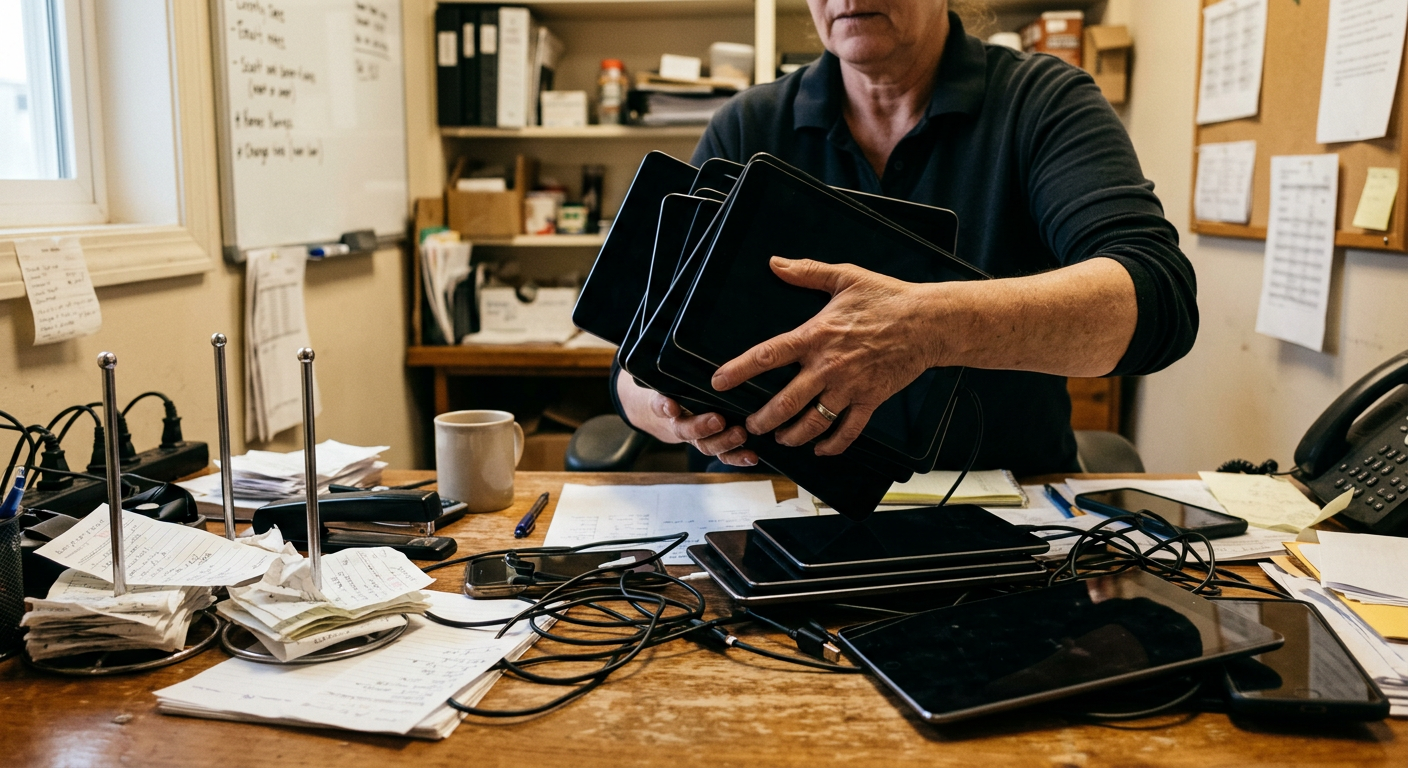
Consolidating these disparate systems into one set of features can save between five and ten administrative hours per week. By automating the workflow, you redeploy labor from data entry to guest hospitality. It is the difference between your manager staring at a screen and your manager greeting a regular.
Regulatory hurdles and FSMA 204
The regulatory landscape is shifting beneath your feet. Beyond the rising minimum wage laws impacting over 20 states in 2025, new food safety requirements are looming. The FSMA Rule 204 will require restaurants to maintain digital traceability for high-risk foods by early 2026.
Manual clipboards and paper logs simply don't cut it anymore. Paper-based systems see 15–20% more logging failures than digital alternatives. Integrating your inventory with your POS isn't just a convenience; it’s becoming a requirement for legal compliance. Digital logs provide the auditable food-flow records necessary to protect your license and your guests.
Stop losing and start winning
The gap between profitable restaurants and those facing closure is widening every month. The "dinosaurs" of the industry are still using systems that feel like a Nokia 3310 in a smartphone world. To win in 2025, you need real-time financial projections and an operational stack that works as hard as you do.
Stop managing by "gut feeling" and start managing by data. If you are tired of the tablet farm and the margin squeeze, it is time to upgrade your infrastructure. Visit Spindl to see how one device can run your entire show and put profit back on the menu.