Derfor har casual dining-restauranterne det svært i dagens økonomi
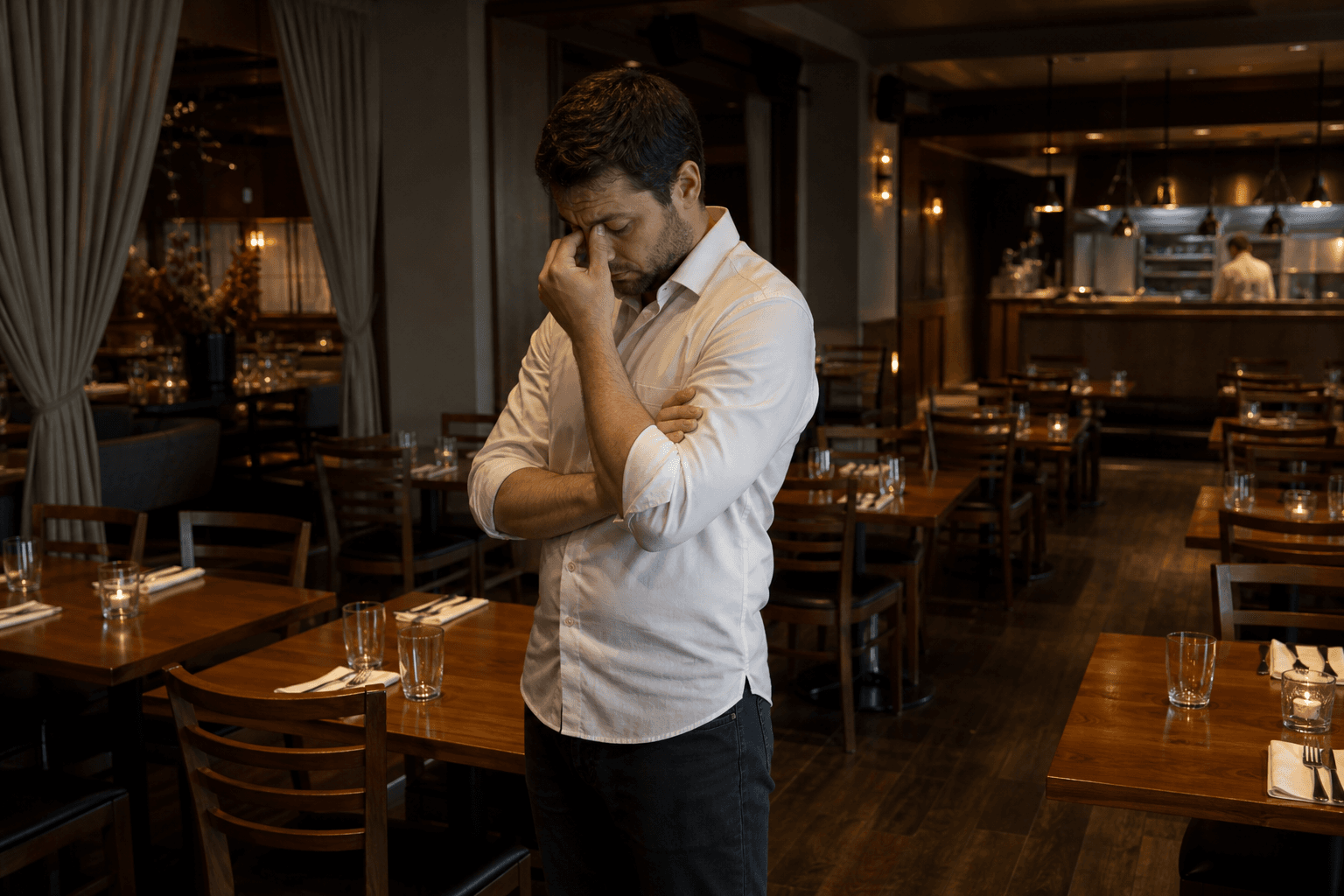
Det har aldrig været sværere at drive en klassisk restaurant – det føles efterhånden som at løse en professorterning i mørke. Hvis du oplever tomme borde og skrumpende avancer, er du langt fra den eneste. Og tallene taler deres eget tydelige sprog.
Den voksende kløft mellem supermarkedet og restaurantbesøget
Forbrugerne mærker det økonomiske pres og stemmer med tegnebogen. Ifølge tal fra de amerikanske landbrugsmyndigheder, USDA, har prisstigningerne på mad uden for hjemmet konsekvent overhalet både fødevarepriserne i supermarkederne og den generelle inflation i tiårsperioden fra 2014 til 2024. Denne voksende prisforskel har forvandlet det ugentlige restaurantbesøg til en luksus, som mange vælger fra i hverdagen.
Nye data fra det amerikanske arbejdsministerium, U.S. Bureau of Labor Statistics, viser, at priserne på restaurantbesøg og takeaway steg med 3,6 % det seneste år. For traditionelle restauranter med fuld servering var stigningen helt oppe på 3,8 %. Når supermarkedernes hylder tilbyder et langt billigere alternativ, tænker gæsterne sig om en ekstra gang, før de bestiller et bord. Det konstante pres på indtjeningen er en væsentlig årsag til, hvorfor restauranter ikke er rentable i dagens økonomiske landskab, hvilket tvinger restauratører til konstant at forsvare deres prisniveau.
Skrumpende rådighedsbeløb ændrer forbrugsmønstrene
Det handler dog ikke kun om enkeltstående prisstigninger – det generelle forbrug er ved at køle af. Indsigter fra Deloittes State of the US Consumer viser, at selvom forbrugernes lyst til at bruge penge på ikke-essentielle goder oplevede en lille fremgang, ligger den stadig langt under tidligere og mere stabile niveauer.
En bredere forbrugerundersøgelse fra Deloitte underbygger dette og viser, at lysten til at bruge penge på restaurantbesøg generelt er lavere end for to år siden. Ifølge en undersøgelse fra McKinsey er det en kombination af øget prisbevidsthed, ændrede præferencer og nye alternativer, der i øjeblikket omformer vores madkultur. I stedet for at reservere bord søger gæsterne efter steder, hvor de kan skære ned på budgettet. I denne virkelighed fokuserer gængse tips til budgettering i restauranter nu i høj grad på stram omkostningsstyring og beskyttelse af cashflowet frem for risikabel vækst.
Det massive skift mod mad ud af huset
Der er blevet markant mere stille i restauranternes spisesale, fordi gæsterne i stigende grad vælger at spise hjemme på sofaen. En brancherapport offentliggjort via PR Newswire afslører, at næsten 75 % af al restauranttrafik i dag udgøres af mad ud af huset (off-premises dining).
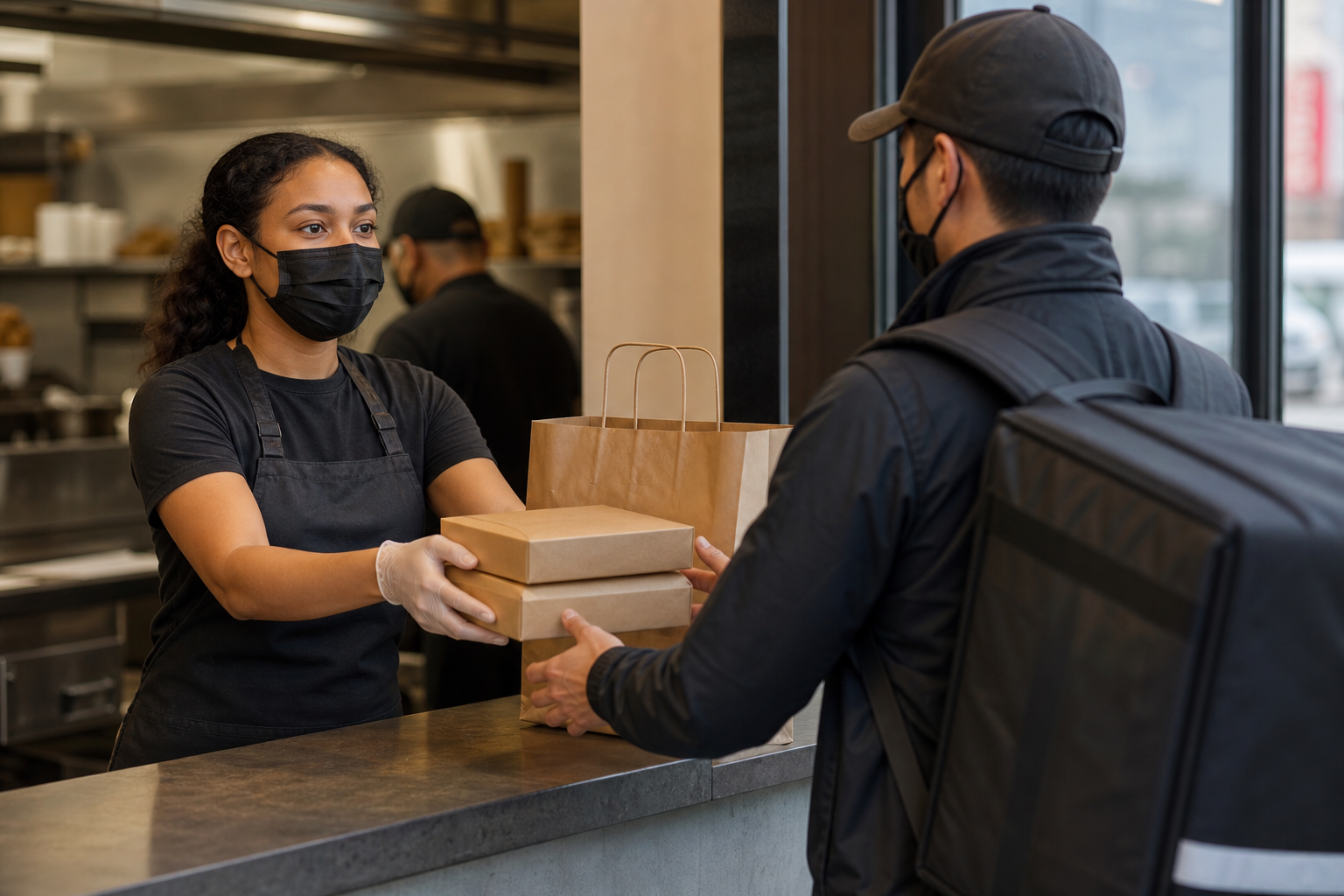
Dette skift udgør en enorm strukturel udfordring for casual dining-restauranter. Klassiske restauranter baserer traditionelt deres indtjening på salg af drikkevarer med høje avancer, forretter og mersalg ved bordet. Når maden i stedet pakkes i papæsker og sendes afsted med et bud, går restauranterne glip af de mest profitable salgsmuligheder – samtidig med at de må aflevere høje kommissionsgebyrer til udbringningstjenesterne. At navigere i disse udfordringer og muligheder i restaurantbranchen kræver en total gentænkning af den traditionelle servicemodel.
Alkoholfrie trends presser avancen på drikkevarer
Alkohol har historisk set været den helt store økonomiske redningsplanke for dækningsbidraget i casual dining-segmentet. Men det kulturelle landskab er under forandring. Gallup melder om et historisk lavpunkt, hvor kun 54 % af amerikanerne angiver, at de drikker alkohol, mens et stigende flertal mener, at selv et moderat alkoholforbrug er skadeligt for helbredet.
Når færre gæster bestiller fadøl, cocktails eller dyre vine, forsvinder den solide avance, som tidligere kunne dække over de stigende råvarepriser. Dette strukturelle skift føjer sig til rækken af bredere udfordringer i restaurantbranchen, som tvinger restauratører til at gentænke deres menukort og finde nye måder at skabe indtjening på.
Personalemangel og stigende lønomkostninger presser driften
Selv når det lykkes at fylde bordene, er det en konstant kamp at finde personale nok til serveringen. Selvom dele af markedet har stabiliseret sig en smule, påpeger FSR Magazine, at 62 % af alle restauratører stadig ser rekruttering og fastholdelse af medarbejdere som en af de absolut største udfordringer.
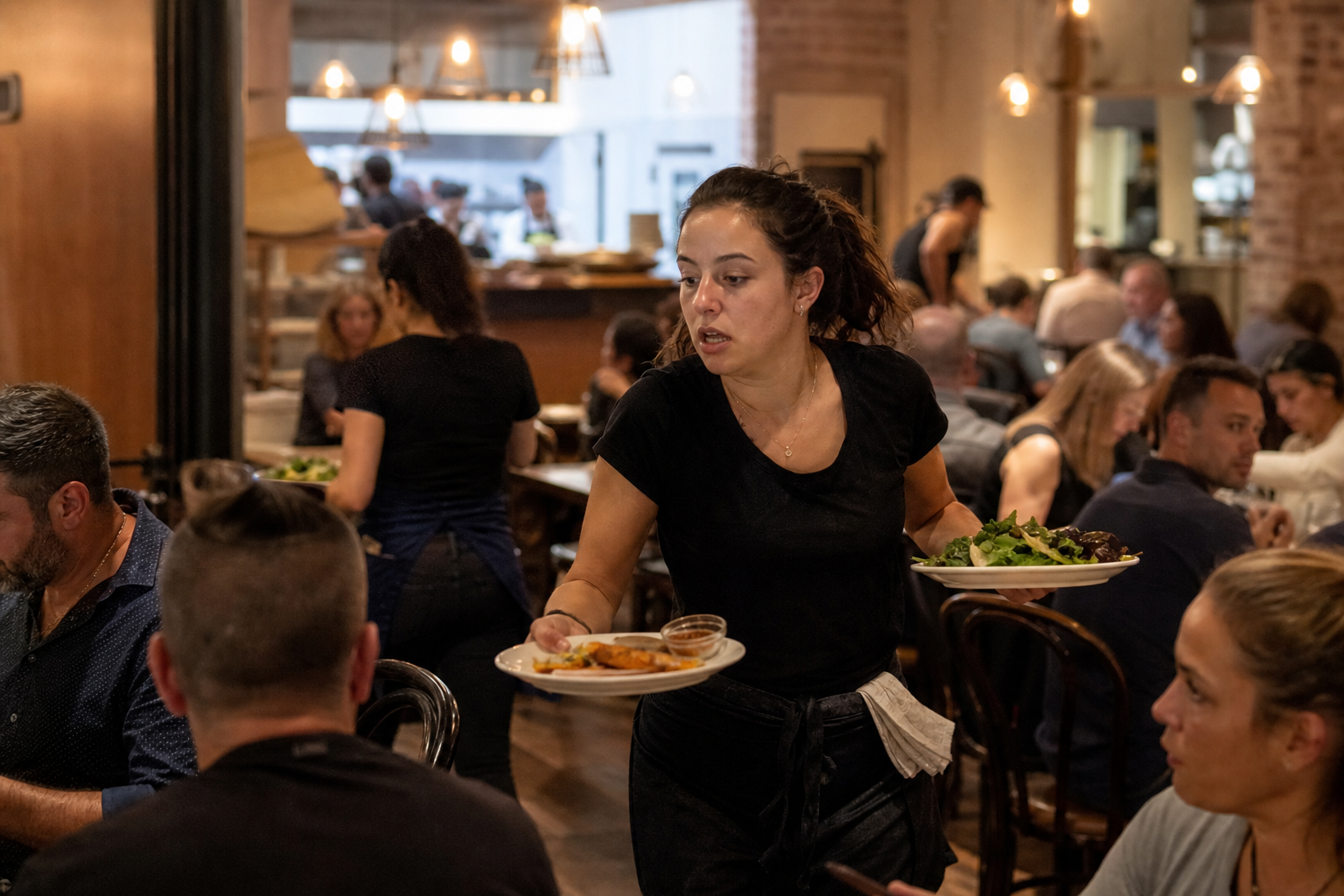
Stigende lønkrav har presset personaleomkostningerne i vejret. Men hvis man skærer i bemandingen for at kompensere, resulterer det ofte blot i langsommere betjening, dårlige online-anmeldelser og udbrændte medarbejdere. At forstå, hvorfor restauranter er underbemandede, er afgørende for at løse problemet. Men det akutte pres på de primære driftsomkostninger (råvarer og løn) gør det utroligt svært at ramme et sundt mål for råvareomkostninger på 28 % til 32 %.
Hvordan restauratører tilpasser sig den nye virkelighed
For at overleve det økonomiske pres må moderne ledere vinke farvel til forældede og fragmenterede systemer. At løse nutidens udfordringer inden for restaurantledelse kræver et skift mod smartere, integrerede driftsværktøjer.
En modernisering af teknologien kan lette presset på personalet med det samme. For eksempel kan implementering af intelligente platforme med behovsstyret vagtplanlægning hjælpe restauratører med at reducere lønomkostningerne med 5 % til 15 %. Det kan du læse mere om på Spindls side om økonomisk restaurantstyring og side om operationel effektivitet, som beskriver, hvordan man kan tilpasse bemandingen præcist efter historisk efterspørgsel og vejrudsigt.
I stedet for at holde styr på fem forskellige tablets til udbringningstjenester, kassesystemer og lagerstyring, vælger innovative køkkener nu samlede systemer. Det minimerer administrationen, eliminerer fejlbestillinger og beskytter bundlinjen. Ved at samle driften på én enkelt platform sikrer du, at front-of-house og back-of-house arbejder i perfekt synkronisering. Book en gratis demo hos Spindl i dag, og se, hvordan et alt-i-et-styresystem kan beskytte dine marginer.