Kasvata ravintolasi liikevaihtoa optimoimalla pöytien kiertonopeus
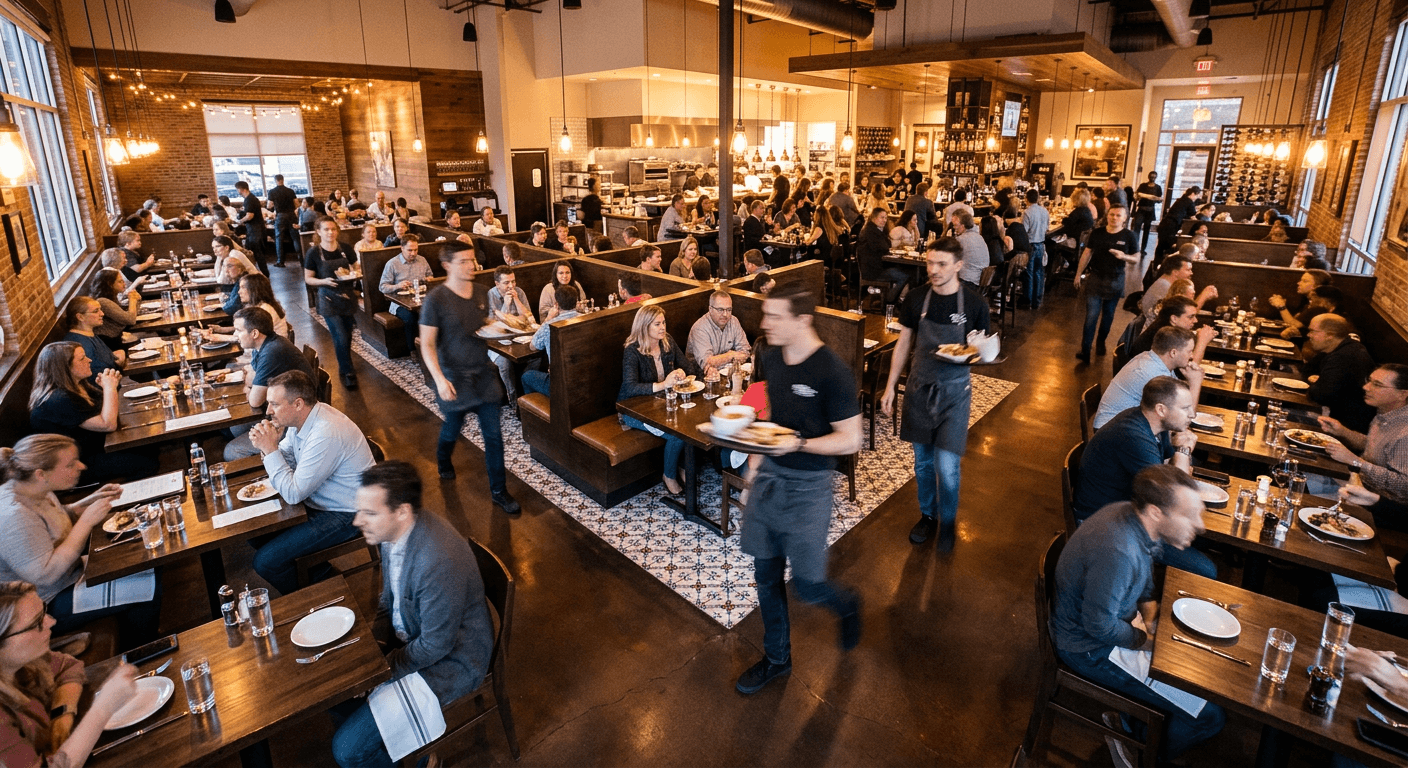
Voisiko kymmenen prosentin parannus pöytien kiertonopeudessa todella kasvattaa kuukausittaista liikevaihtoasi kymmenillä tuhansilla euroilla? Salin toiminnan optimointi on nopein tapa kasvattaa liiketoimintaa ilman kalliita lisäneliöitä tai mittavia laajennusremontteja.
Pöytien kierron matematiikka: RevPASH-tunnusluvun merkitys
Salin toiminnan todellinen tehostaminen edellyttää katseen siirtämistä pelkästä päivämyynnistä kohti RevPASH-tunnuslukua (Revenue Per Available Seat Hour). Tämä luku saadaan jakamalla kokonaisliikevaihto käytettävissä olevien asiakaspaikkojen ja aukiolotuntien tulolla. Vaikka rennon ruokailun ravintolat tavoittelevat yleensä kolmesta viiteen kiertoa päivässä, pienelläkin parannuksella on valtava kerrannaisvaikutus.
Jos RevPASH-lukua onnistutaan kasvattamaan vain parilla eurolla istumapaikkatuntia kohden, se voi tarkoittaa satojen tuhansien eurojen lisäystä vuosittaiseen liikevaihtoon ilman investointeja lisätilaan. Kun hyödynnät ravintolan toiminnan tehostamisvinkkejä, kymmenen prosentin kasvu kiertonopeudessa vastaa käytännössä kymmenen prosentin lisäystä ravintolan kapasiteettiin. Esimerkiksi 200-paikkaiselle ravintolalle, jonka keskiostos on 45 euroa, tämä voi tarkoittaa lähes 30 000 euron lisätuloa joka kuukausi.
Älykäs pohjaratkaisu sujuvoittaa työnkulkua
Ravintolan pohjaratkaisu on palvelunopeuden perusta. Jos tarjoilijat joutuvat väistelemään tuoleja tai juuttuvat ahtaisiin kohtiin, tilausajat pitkittyvät ja asiakkaiden kärsivällisyys joutuu koetukselle. Pöytien muodolla on tässä keskeinen rooli: suorakulmaiset ja soikeat pöydät tarjoavat usein parhaan suhteen tilankäytön ja istumapaikkojen välillä nopeatempoisessa palvelussa. Pyöreät pöydät puolestaan voivat syödä kokonaiskapasiteettia ja tehdä pöytien yhdistämisestä suurille seurueille haastavaa.
Joustavat istumajärjestelyt ovat kriittisiä katteen turvaamiseksi. Esimerkiksi muunneltavat loosit tai helposti yhdisteltävät kahden hengen pöydät estävät tilanteita, joissa kahden hengen seurue varaa kuuden hengen pöydän ruuhka-aikana. Strateginen pöytäsijoittelu varmistaa, ettei paikkoja mene hukkaan kysynnän ollessa huipussaan. Lisäksi jo kymmenen senttimetrin lisäys käytävien leveyteen voi helpottaa henkilökunnan liikkumista ja parantaa ravintolan palvelunopeutta. Sali kannattaa myös jakaa vyöhykkeisiin: sijoita nopean kierron pöydät lähelle sisäänkäyntiä ja rauhallisemmat, usein korkeamman keskilaskun paikat nurkkiin, jotta eri tyyppisistä asiakaskäynneistä saadaan paras mahdollinen tuotto.
Henkilöstön työnjaon ja blokkaamisen tehostaminen
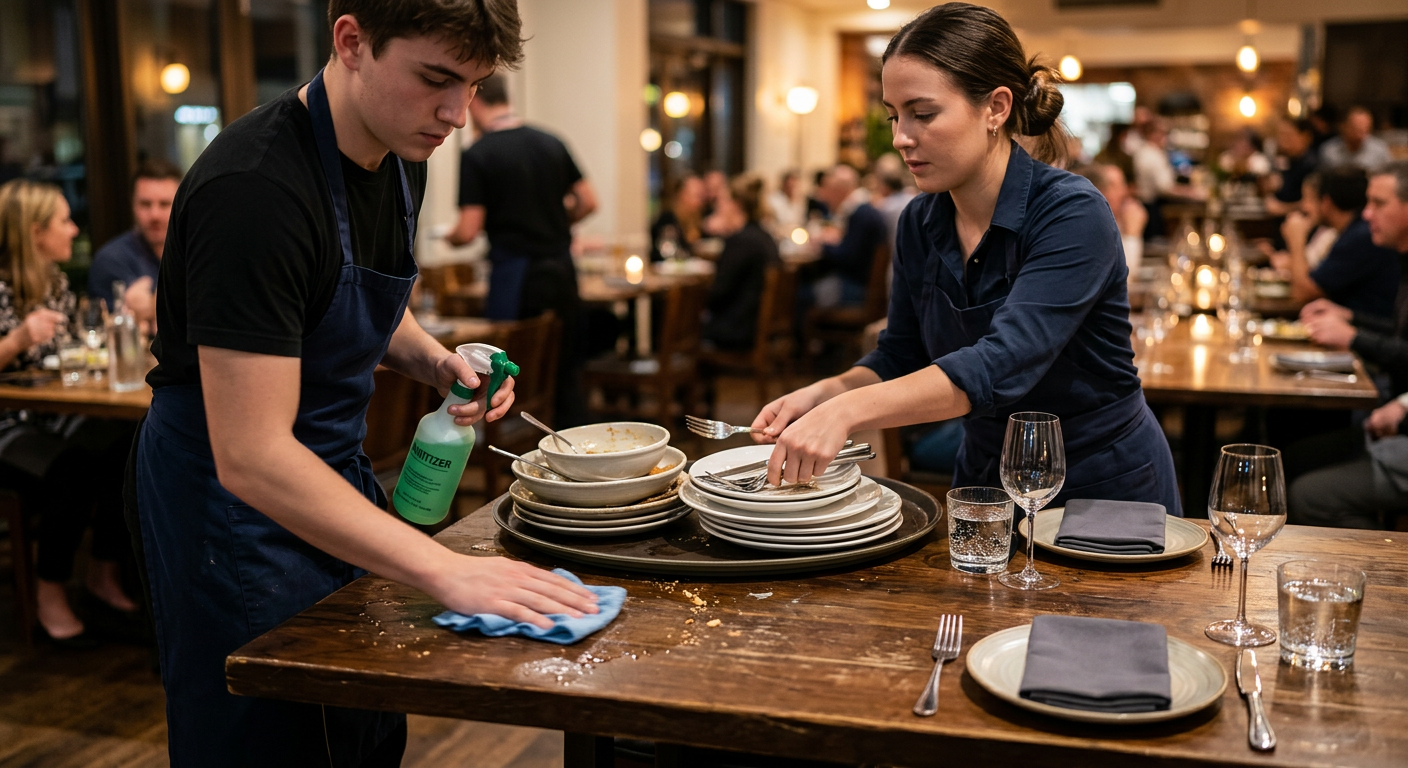
Pöytien kierto on viestijuoksu, jossa viiveet syntyvät usein keittiön, tarjoilijan ja blokkarin välisissä siirtymissä. Vauhdin ylläpitämiseksi tavoitteeksi kannattaa asettaa "kahden minuutin sääntö": pöydän tulisi olla siivottu ja katettu uudelleen 120 sekunnin kuluessa asiakkaan poistumisesta. Esimiesten on tärkeää tukea tiimiä ruuhkahuipuissa, jotta yksikään pöytä ei jää seisomaan likaisena – tyhjä mutta siivoamaton pöytä on odottaville asiakkaille merkki hitaasta palvelusta.
Aktiivinen esiraivaus on toinen tehokas keino nopeuttaa kiertoa. Kun tarjoilijat keräävät tyhjät lautaset ja lasit pois ruokailun edetessä, lopullinen siivousaika lyhenee huomattavasti. Samalla vältetään tilanne, jossa asiakkaat odottavat tarpeettomasti pöydän tyhjentämistä ennen kuin kokevat voivansa pyytää laskun. Siirtyminen tiimipohjaiseen palvelumalliin perinteisten pöytäalueiden sijaan voi myös poistaa turhan odottelun esimerkiksi juomatäydennysten tai maksun yhteydessä. Hyvin jäsennelty ravintolan koulutusohjelma varmistaa, että jokainen tiimin jäsen osaa tukea pöytien kääntämistä omasta tehtävästään riippumatta.
Hyödynnä teknologiaa palveluviiveiden poistamiseen
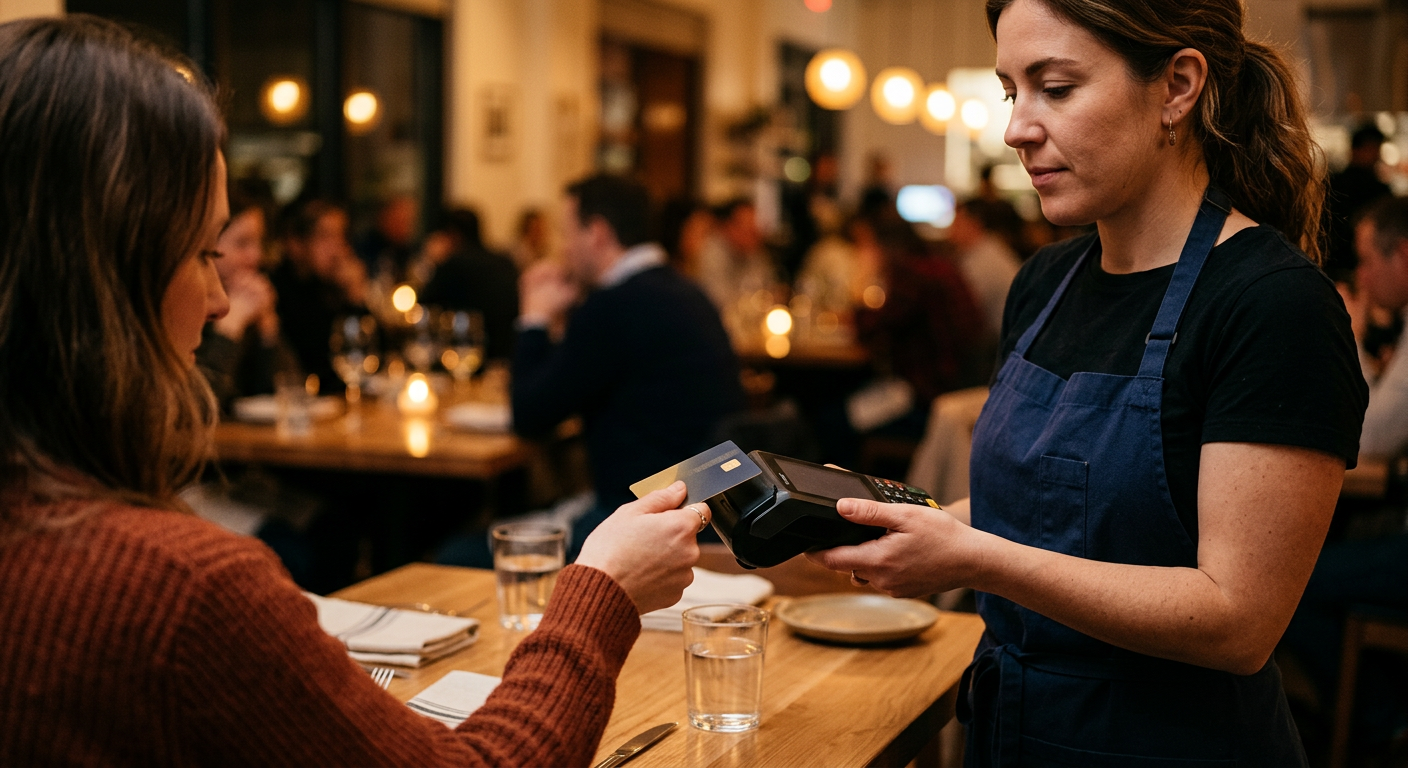
Teknologia on tehokkain työkalu aterian alkuun ja loppuun sijoittuvan "hukka-ajan" karsimiseen. Moderni ravintolan kassajärjestelmä voi parantaa pöytien kiertonopeutta jopa 15–20 prosentilla sujuvoittamalla salin ja keittiön välistä tiedonkulun viivettä. Kämmenpäätteet ovat tässä erityisen tehokkaita: ne lyhentävät keskimääräistä tilausaikaa, kun tilaukset siirtyvät keittiöön välittömästi ja maksaminen onnistuu suoraan pöydässä.
Keittiössä paperisten tilauslappujen korvaaminen keittiönäyttöjärjestelmällä (KDS) nopeuttaa toimintaa tilausten reaaliaikaisen jaksotuksen ansiosta. Salin puolella QR-koodit tilaamiseen ja maksamiseen antavat asiakkaille mahdollisuuden edetä omaan tahtiinsa, mikä lyhentää loppuvaiheen maksuprosessia usein jopa kymmenellä minuutilla. Käyttämällä kattavia ravintola-alan automaatiotyökaluja vältät useiden eri sovellusten aiheuttaman hallinnollisen taakan. Spindl-alustan kaltaiset integroidut ratkaisut yhdistävät toimitukset, kassajärjestelmän ja analytiikan yhteen järjestelmään, minkä on osoitettu vähentävän hallinnollista työtä jopa 30 prosentilla.
Tasapaino nopeuden ja vieraanvaraisuuden välillä
Pöytien kierron optimointi ei saa koskaan tarkoittaa sitä, että asiakkaalle tulee tunne kiirehtimisestä. Tavoitteena on poistaa nimenomaan hukka-aika – kuten valikoiden, ruoan tai laskun odottelu – ei suinkaan itse sosiaalisen kokemuksen lyhentäminen. Kun turha odottelu poistuu, asiakas poistuu tyytyväisenä, ei hoputettuna.
Luo selkeät laadunvalvontatoimenpiteet, jotka asettavat asiakaskokemuksen etusijalle – esimerkiksi tavoite tervehtiä jokaista pöytää minuutin kuluessa saapumisesta. Jos haluat nähdä, miten yhtenäinen alusta auttaa hallitsemaan näitä mittareita ja miten voit digitalisoida ravintolasi toiminnot, tutustu Spindl OS:n ominaisuuksiin ja aloita katteesi parantaminen jo tänään.