Advantages of a POS system for your restaurant
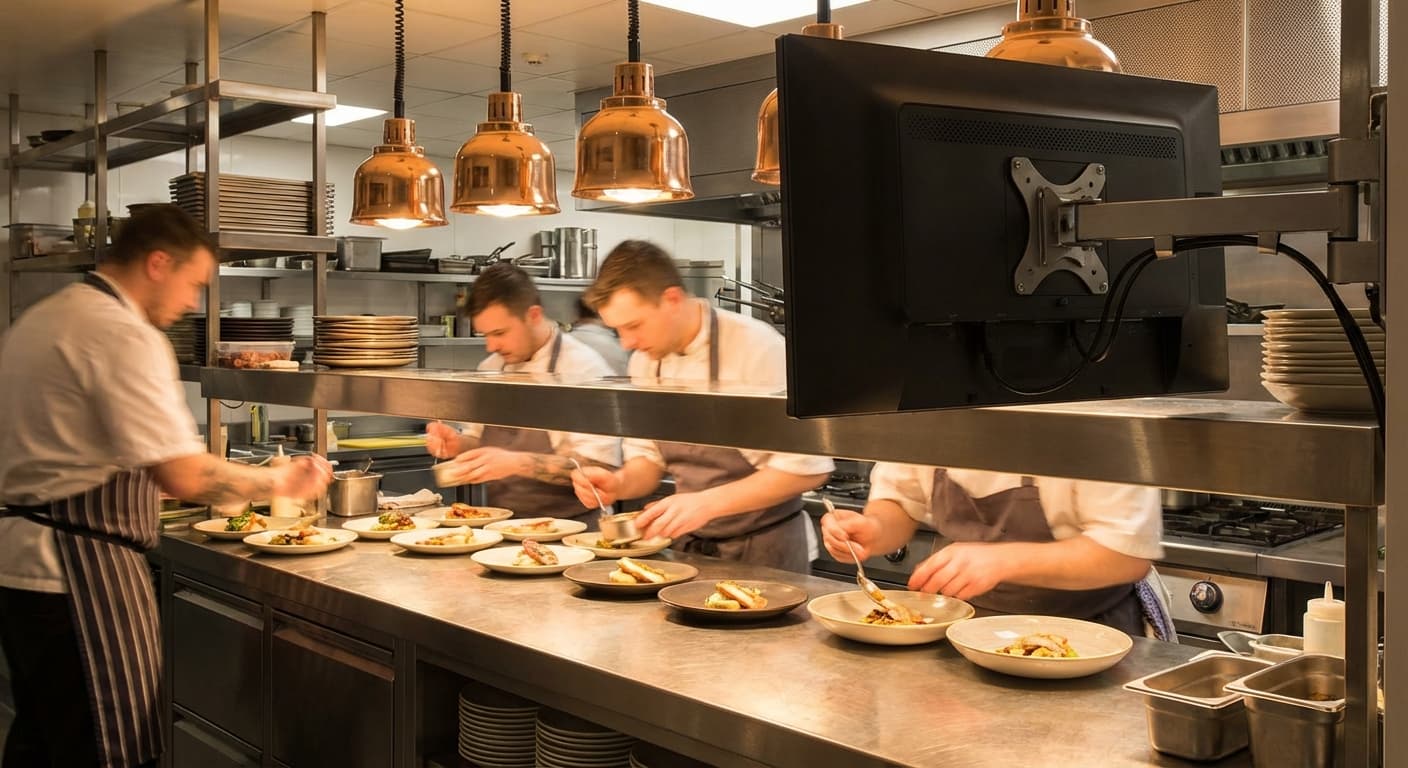
Are you still wrestling with paper tickets and "tablet chaos" from delivery apps? A modern POS system acts as your restaurant’s central nervous system. Upgrading can improve table turnover by up to 20% while eliminating the manual errors that drain your monthly margins.
What exactly is a restaurant POS system?
At its core, a restaurant POS combines robust hardware and cloud-based software to manage sales, track inventory, and orchestrate the kitchen. Unlike legacy cash registers that merely process payments, a modern system connects your front-of-house (FOH) directly to the back-of-house (BOH) in real time.
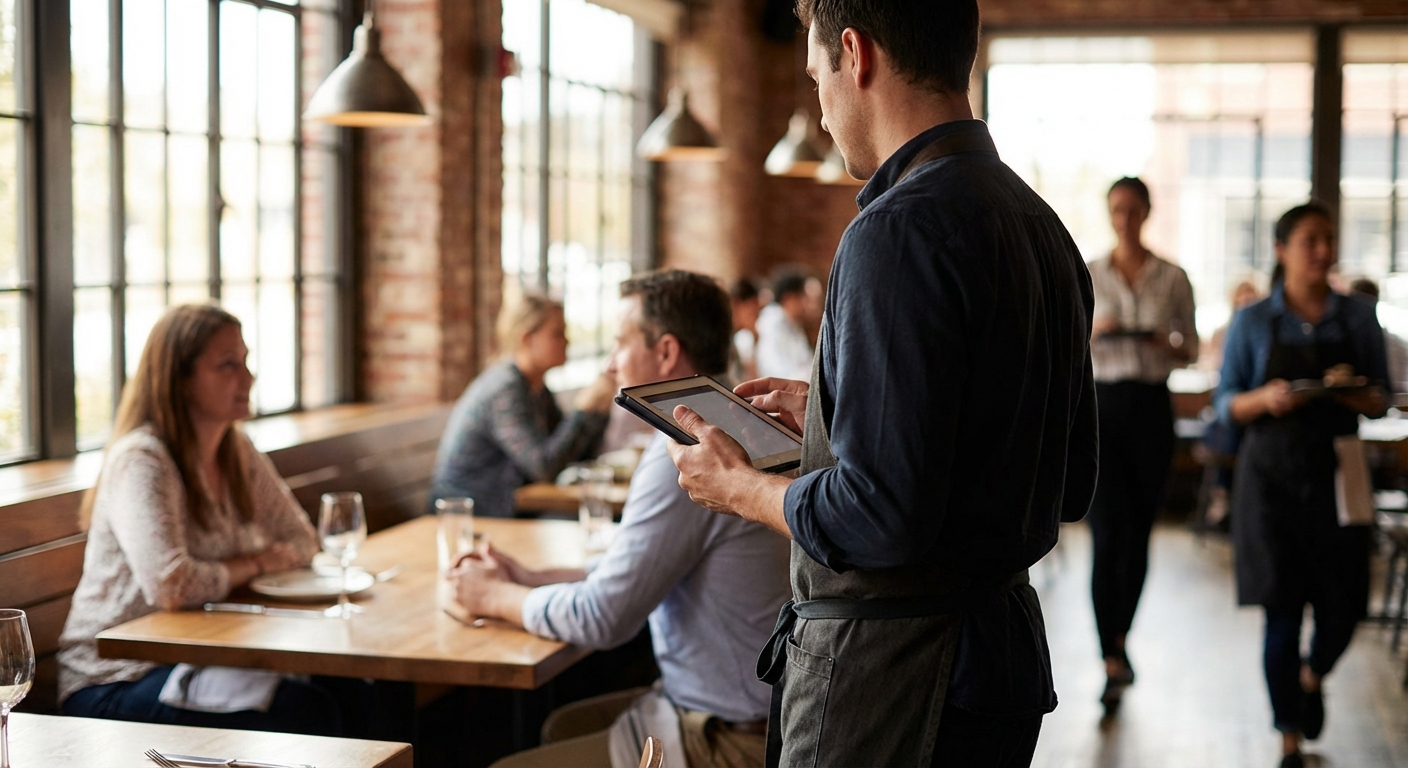
The hardware foundation usually includes touchscreen terminals for order entry, receipt printers, and kitchen display systems (KDS) that replace paper tickets with digital clarity. Tableside tablets have also become standard, allowing staff to move with agility. On the back end, the software serves as the logic center. It handles everything from menu management and employee scheduling to real-time analytics, ensuring data flows seamlessly across every department.
Key advantages of modern POS technology
Near-perfect order accuracy
Manual transcription is a silent margin-killer. Handwritten tickets frequently lead to kitchen confusion, wasted ingredients, and frustrated guests who receive the wrong meal. Research indicates that modern POS systems achieve 98.5% order accuracy, representing a 95% reduction in errors compared to manual methods. By enforcing standardized modifiers – such as requiring a staff member to select a cooking temperature – the system ensures the kitchen receives precise instructions every time.
Accelerated table turnover
In a 50-seat room, cutting wait times by just 10 minutes can lead to an 8–12% increase in total covers. Tableside ordering allows servers to send orders directly to the kitchen without walking back to a stationary terminal. This eliminates the typical two-minute delay per table, facilitating faster service and keeping the flow of the dining room steady during peak hours.
Automated inventory tracking
Managing food costs is a game of ounces. An integrated POS links every sale to your inventory at the recipe level. For example, a $14.99 chicken sandwich sale instantly deducts specific components – like 6 oz of chicken, 1 tbsp of sauce, and one brioche bun – from your stock. This real-time visibility helps prevent "86'd" items mid-service and can reduce food waste by up to 30%. When you know exactly what you have on hand, you stop over-ordering and start protecting your bottom line.
Simplified staff and labor management
Labor typically accounts for 25–35% of total revenue, making it one of your largest controllable expenses. Modern systems provide detailed labor reports that help you align staffing with actual demand. By analyzing hourly sales velocity, managers can identify overstaffed windows and make adjustments on the fly, potentially saving 5–12% on labor costs. Additionally, intuitive interfaces – such as Spindl’s "Grandma Test" verified UI – reduce training time for new hires to just one or two shifts.
Data-driven decision making
Stop guessing which menu items are your "Stars" and which are your "Dogs." POS analytics reveal customer behavior patterns and item-level profitability. If a high-margin appetizer isn't moving as expected, you will see it in the data immediately. This allows for instant menu engineering rather than waiting for an end-of-month P&L report to reveal that you have been losing money on a specific dish.
Moving from fragmented to integrated
Many operators currently struggle with "tablet mayhem" – a cluttered counter featuring five different devices for various delivery apps. This fragmentation forces redundant data entry and increases administrative task time by as much as 30%. It is a disjointed way to work.
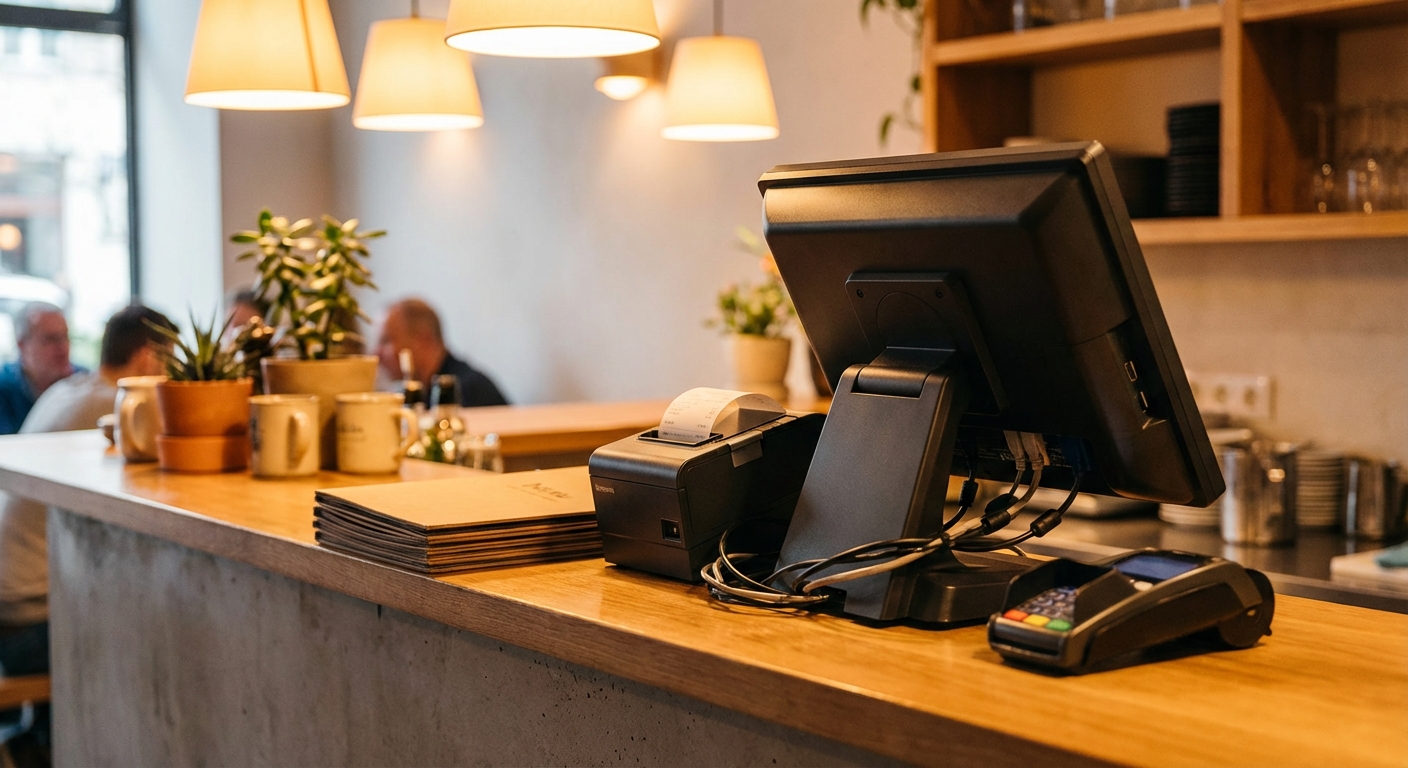
The modern alternative is an all-in-one platform like Spindl. Just as the iPhone replaced the separate camera, GPS, and phone, Spindl integrates order taking, delivery management and loyalty into a single device. This "integration-first" approach eliminates silos and ensures your digital orders flow as smoothly as your dine-in tickets.
Operating on instinct is no longer sufficient in a high-inflation environment where average net margins hover around 3–5%. A robust POS system provides the precision and speed necessary to protect those thin margins and scale your business effectively.
Explore Spindl’s features and discover how to simplify your operations, from delivery integration to real-time analytics.