Why your restaurant is losing money and how to stop the bleed

Nearly 38% of US restaurants were unprofitable in 2023. If your sales are high but your bank account is empty, you are likely losing a war of attrition against shrinking profit margins. It is time to plug the leaks.
Audit your prime cost
Your prime cost – the sum of your Cost of Goods Sold (COGS) and total labor – is the most predictive metric of your restaurant’s health. According to the National Restaurant Association, you should target a prime cost of 60% or less. If your costs sit at 70% or higher, you aren't just busy; you are paying for the privilege of serving food. This typically breaks down into a food cost of 28–32% and a labor cost of 25–35%.
When food costs exceed this range, it usually signals a deeper problem with portioning, theft, or inventory management. Similarly, labor percentages above 35% often point toward a scheduling mismatch where you are overstaffed during dead shoulder hours. Tracking these weekly allows you to adjust staffing to actual demand rather than relying on gut feel.
Stop the kitchen leak
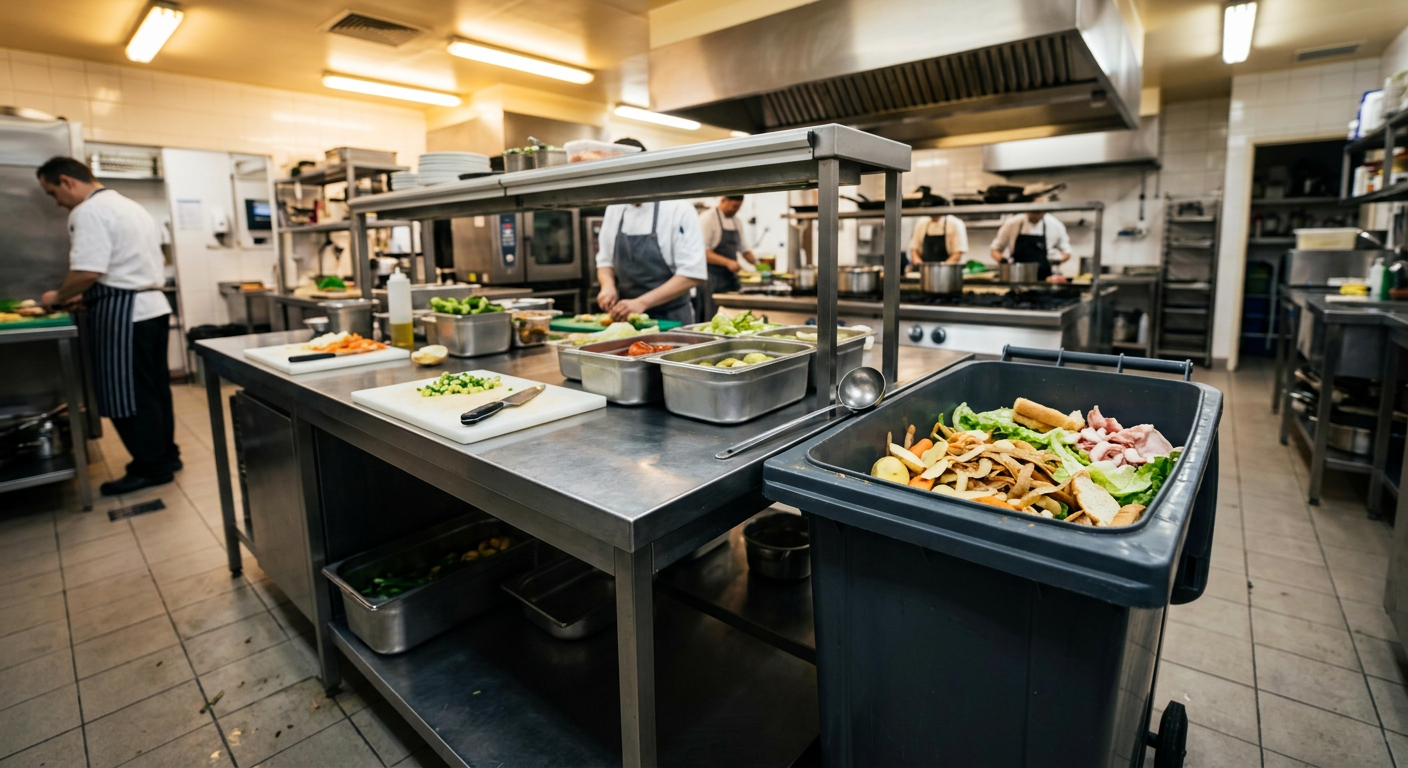
Food waste typically accounts for 4–10% of all purchased inventory. According to USDA data, nearly 31% of the total food supply is wasted annually, representing a $162 billion "leak." In a professional kitchen, this is often invisible waste, such as a line cook over-portioning a ribeye by two ounces or a prep cook ignoring FIFO (First In, First Out) protocols.
Implementing real-time tracking can reduce this variance significantly by creating accountability. For example, one steakhouse saved $15,600 annually just by tightening portioning controls on a single high-value SKU. If you aren't tracking your theoretical versus actual food costs, you are likely throwing a significant portion of your profit directly into the dumpster.
Fix your distribution mix
Third-party delivery platforms are a double-edged sword. While they drive volume, their 25–30% commissions can erode your margins by up to 94% compared to dine-in. A $14 burger might net you a 36% margin in-house, but that drops to a mere 6% when ordered through a delivery app. To protect your bottom line, you must refine your distribution strategy by marking up delivery menus by 10–12% to offset these fees.
You should also use a loyalty program to incentivize customers to order directly through your own website or app, where commissions are lower. Eliminating the "tablet farm" chaos is equally vital, as manual entry errors from fragmented systems can cost a restaurant over $4,000 annually. Consolidating these channels ensures that orders flow directly to the kitchen without manual re-keying.
Deploy menu engineering
Increasing prices is a blunt instrument that can alienate your regulars. Instead, use menu engineering to boost profits by up to 15% without a broad price hike. This involves categorizing items into quadrants based on popularity and margin. Stars are your high-popularity, high-margin winners that deserve prime real estate on your menu. Plowhorses are popular but low-margin; these may need modest portion adjustments or price tweaks to remain profitable.
Puzzles have high margins but low popularity, making them perfect candidates for server-led upselling or rebranding as daily specials. Finally, Dogs are low in both categories and should be removed entirely. These items clutter your kitchen, slow down prep times, and increase the likelihood of ingredient spoilage.
Modernize your operational nervous system
Many restaurants are still running on "Nokia 3310" technology in an iPhone world. If your point-of-sale system does not talk to your inventory, and your delivery apps do not talk to your kitchen, you are losing precious hours to administrative waste. Operators report spending up to 12 hours per week on manual reconciliation and data entry.
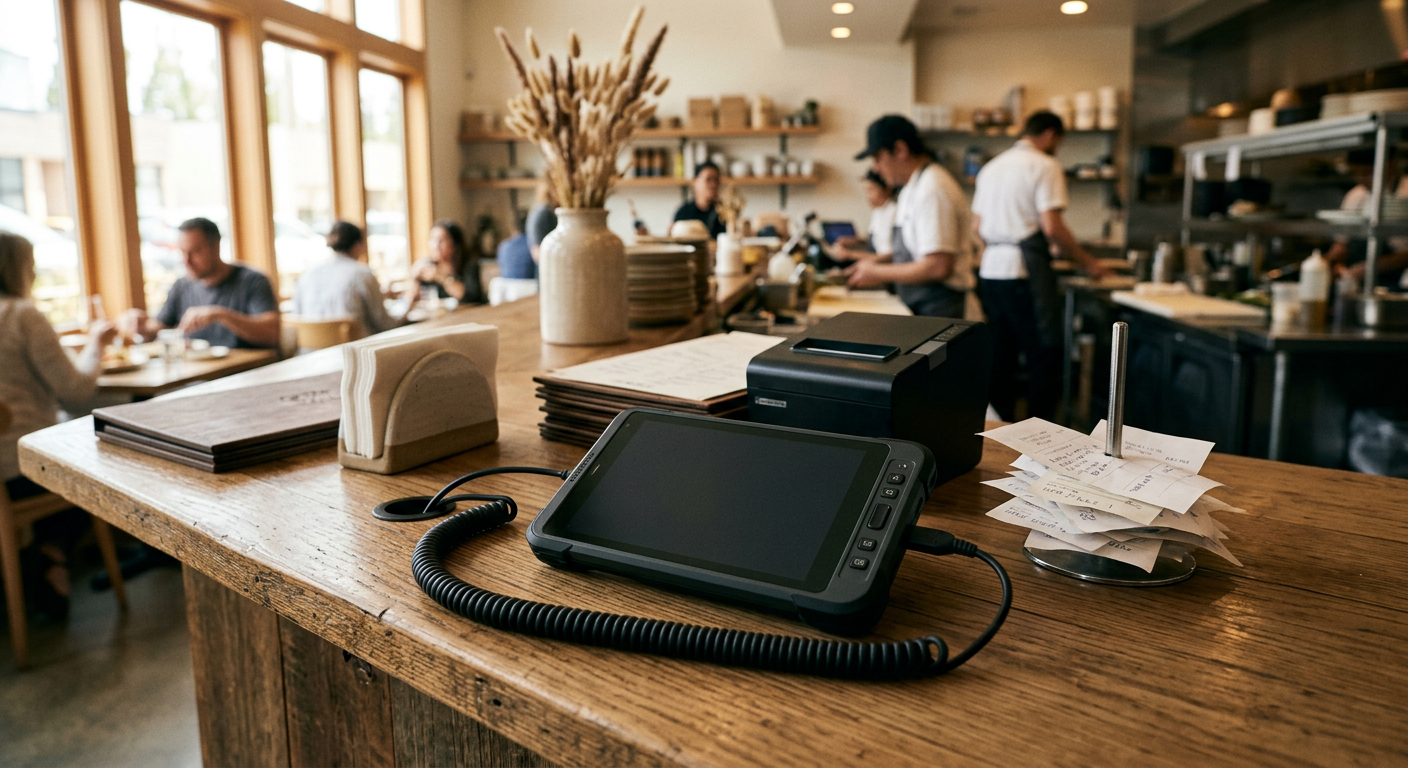
The solution is operational efficiency through consolidation. An all-in-one platform like Spindl integrates order taking, delivery aggregation, and real-time analytics into a single device. This simplicity eliminates re-keying errors and provides the real-time sales data needed to make decisive moves during service, such as sending staff home early when sales dip or pushing a specific promotion when inventory levels are too high.
Reclaim your margins
Unprofitability is rarely the result of a single catastrophic event. Instead, it is a death by a thousand cuts caused by waste, high commissions, and inefficient labor. By tightening your prime costs and unifying your technology stack, you can transform your restaurant from a high-volume hobby into a high-margin business.
Ready to see where your money is going? Explore Spindl’s features and discover how an all-in-one OS can put thousands back into your monthly profit.