How to build a restaurant marketing plan that grows sales
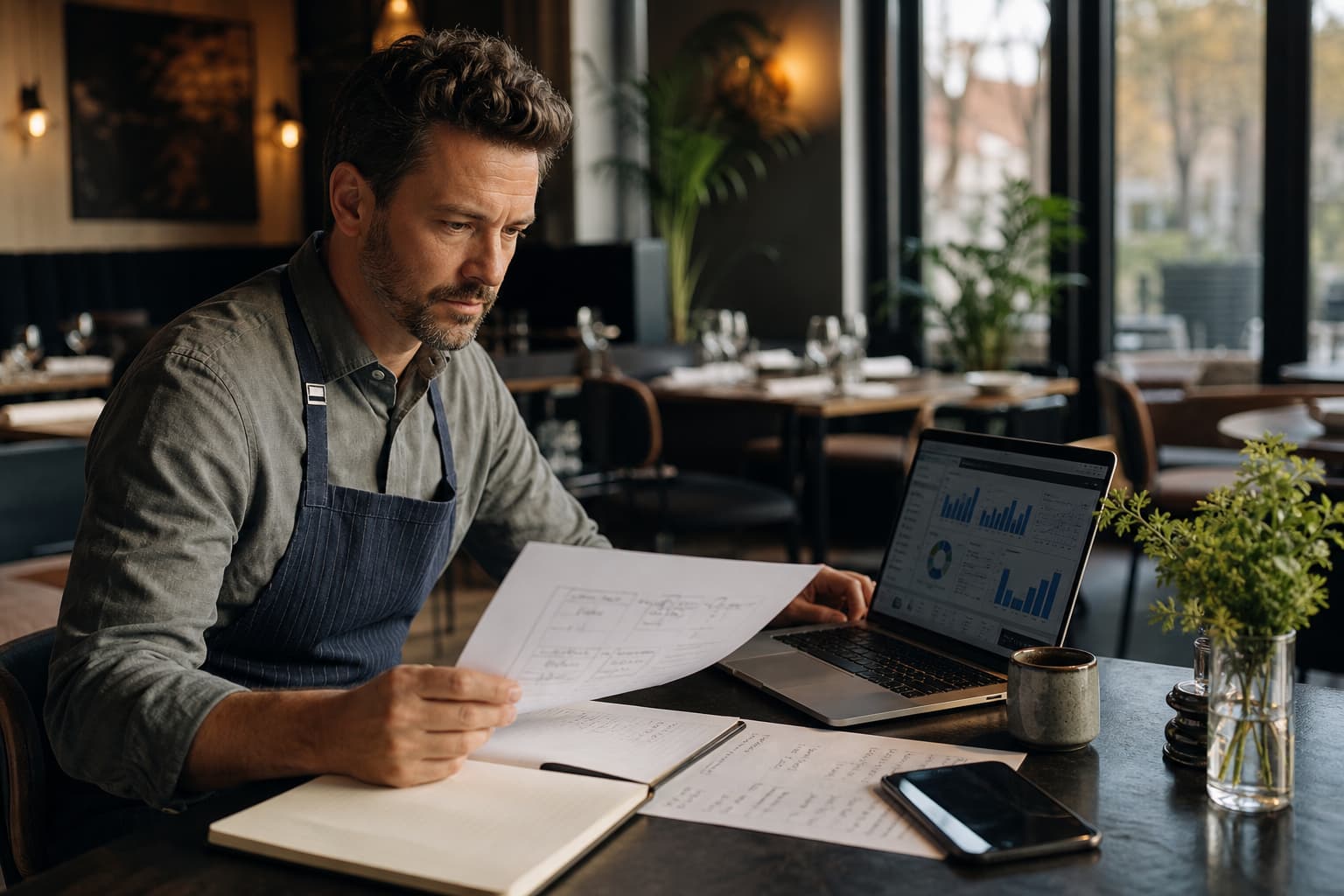
Are you relying on word-of-mouth while your dining room sits half-empty on Tuesdays? Operating without a written marketing roadmap leaves your guest acquisition to pure chance. Building a structured restaurant marketing plan transforms unpredictable foot traffic into consistent, measurable revenue growth across all ordering channels.
Why every restaurant needs a structured marketing plan
A restaurant marketing plan is your strategic playbook for attracting guests and maximizing profit margins. Without one, marketing becomes a series of disconnected, expensive experiments.
A clear strategy helps you solve key operational challenges:
- Target high-value guest segments rather than discounting blindly
- Differentiate your concept from nearby competitors
- Allocate marketing spend efficiently across proven digital channels
- Connect promotional activity directly to POS revenue and repeat visit rates
Core components of a restaurant marketing plan
Market overview and situation analysis
Start by taking an honest look at your current market position. According to guidance from the U.S. Small Business Administration, effective market research evaluates localized demand, economic indicators, market saturation, and pricing structures.
Map out direct competitors alongside indirect threats like grocery store grab-and-go sections and meal kit services. Document your strengths, weaknesses, expansion opportunities, and market threats to establish a realistic baseline.
Clear, measurable goals
Define key performance metrics using specific targets. Avoid vague objectives like "increase awareness." Instead, set measurable targets like raising average order value by 12% or growing direct online ordering volume by 20% within six months. Reviewing your financials through practical restaurant budgeting tips ensures your marketing targets align with your prime cost and margin goals.
Target audience and buyer personas
Segment your potential guests into distinct buyer profiles:
- Local office lunch crowds seeking rapid service
- Neighborhood regulars looking for casual weeknight dining
- Off-premise diners who prioritize seamless online ordering
- Special-occasion guests seeking premium experiences
Tailor your messaging, promotional offers, and channel distribution to match the specific habits of each segment.
Unique selling proposition
Your unique selling proposition (USP) defines why a guest should choose your table over the competition. Base your USP on concrete elements like scratch-made preparation, hyper-local sourcing, or an exclusive dining atmosphere.
Brand identity and messaging
Consistency builds recognition. Ensure your brand voice, visual identity, menu design, and digital touchpoints deliver a unified narrative. Reviewing a comprehensive restaurant branding strategy helps align customer touchpoints with operational capabilities.
The 7 Ps marketing mix
Structure your execution around the expanded 7 Ps framework:
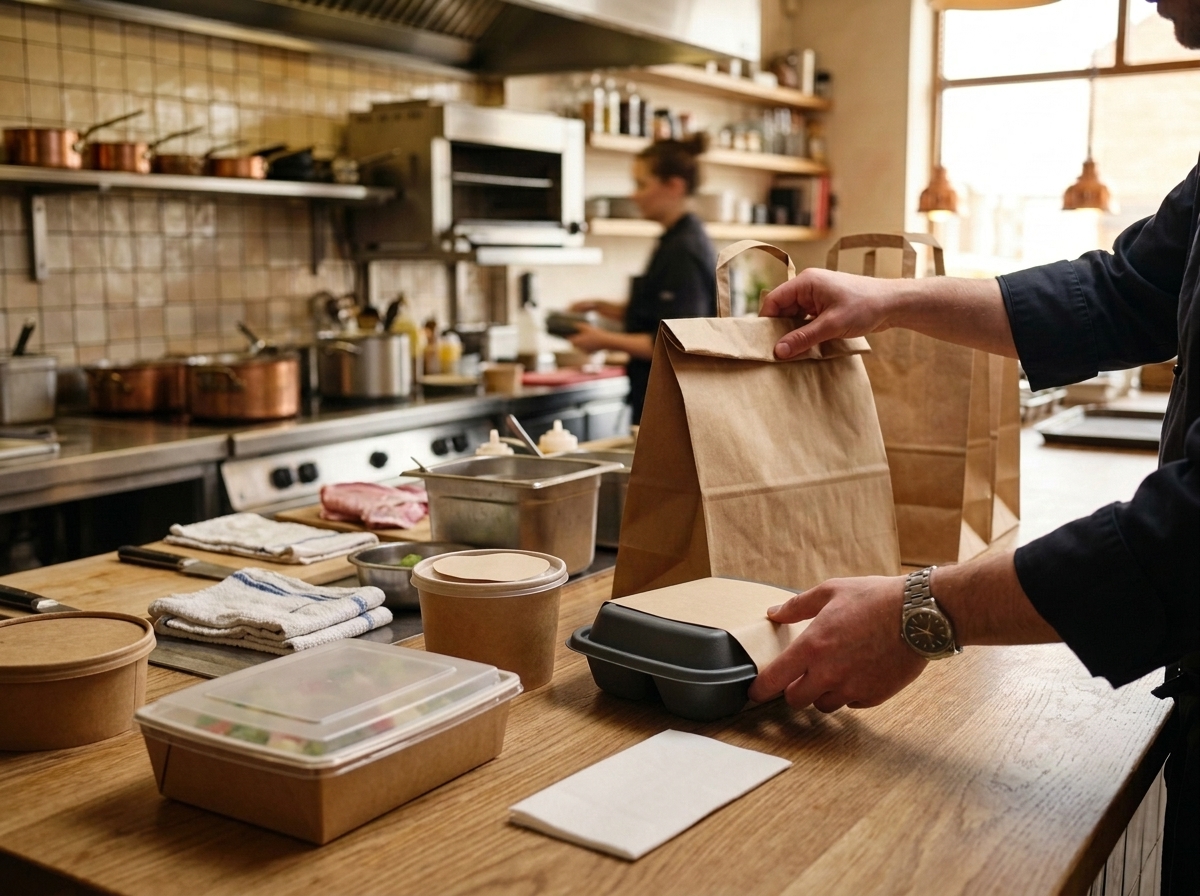
- Product: Unique menu innovations, item presentation, and travel-ready takeout packaging.
- Price: Value positioning, margin-conscious pricing, and targeted restaurant promo ideas.
- Place: Physical location, delivery radiuses, and direct commission-free online ordering platforms.
- Promotion: Cross-channel digital campaigns, loyalty rewards, and local public relations.
- People: Front-of-house service standards and staff brand advocacy.
- Process: Frictionless ordering workflows, rapid kitchen throughput, and instant review responses.
- Physical Evidence: Dining room ambiance, website interface design, and branded packaging.
Executing digital marketing channels
Local SEO and website optimization
Diners research online before choosing where to eat. Ensure your website loads quickly, displays HTML menus instead of slow PDFs, and features prominent call-to-action buttons for ordering and reservations. Check tactical SEO tips for restaurant websites to build local search visibility.
Claim and verify your Google Business Profile. Keep your operating hours, menu links, address details, and food photography updated continuously.
Social media and influencer partnerships
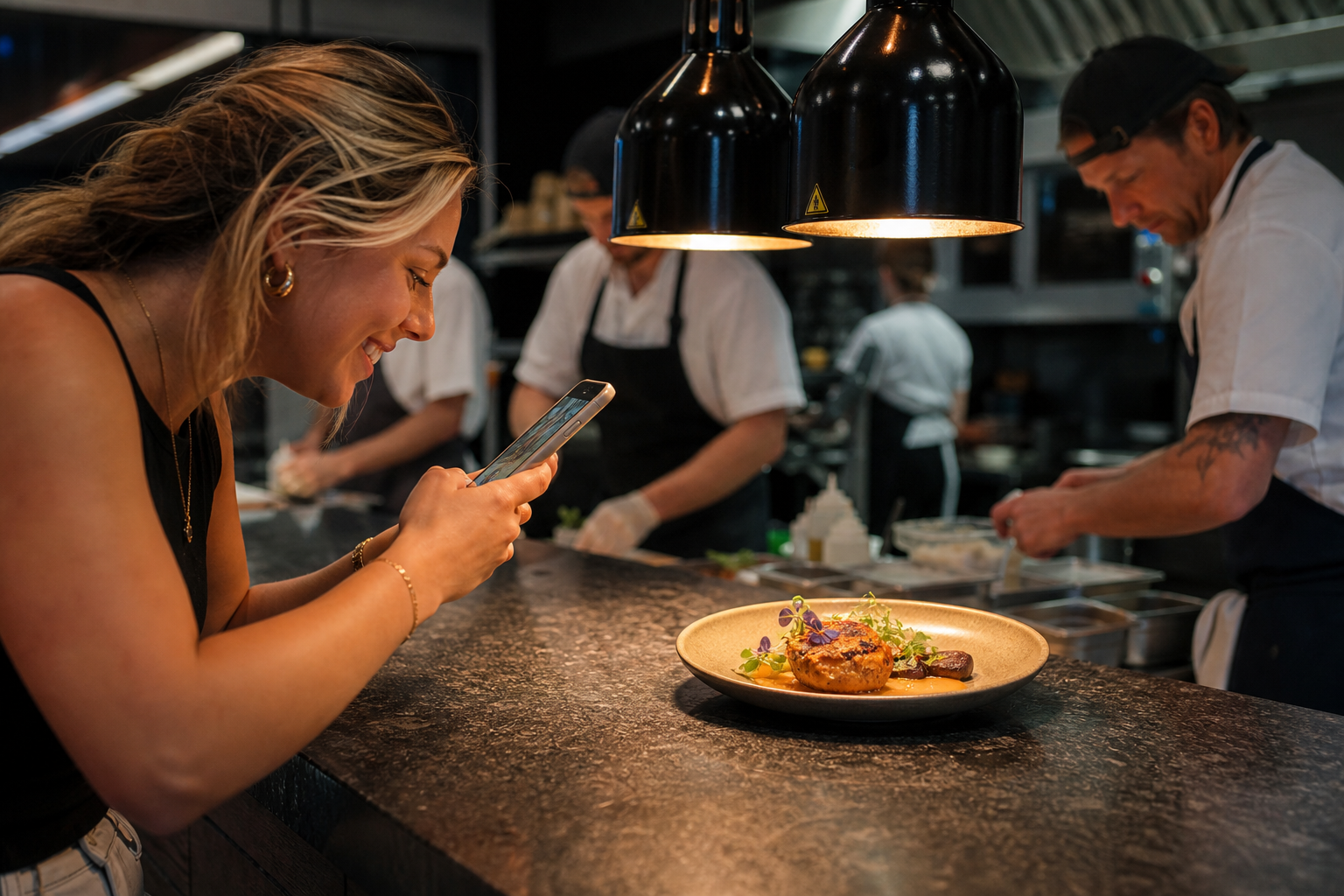
Visual content drives dining decisions. Leverage platforms like Instagram and TikTok to highlight signature dishes, kitchen prep, and team culture through a cohesive social media marketing strategy.
When collaborating with local creators, follow the FTC Endorsement Guides. Ensure influencers clearly disclose material connections using plain terms like "sponsored" or "paid partnership." If launching a brand-new concept, combine social teasers with a structured restaurant grand opening marketing plan.
Email and SMS compliance
Direct customer communication delivers high returns, but strict legal standards apply.
When sending commercial emails, follow the FTC's CAN-SPAM Act compliance guide:
- Include a valid physical postal address in every email footprint
- Avoid misleading subject lines or deceptive headers
- Provide an easy, single-click unsubscribe mechanism
- Honor opt-out requests within 10 business days
For SMS marketing, comply with TCPA rules by collecting prior express written consent via clear opt-in checkboxes. Always provide straightforward text opt-out options like replying "STOP."
12-month marketing calendar and budget
Allocate roughly 3% to 6% of total revenue toward your marketing budget. Map campaigns across a 12-month calendar to keep execution consistent:
- Seasonal menu rotations and holiday specials
- Mid-week off-peak promotions
- Community event sponsorships
- Automated email and loyalty flows
- Local ad campaigns
Explore real-world food marketing strategy examples to build seasonal promotions that preserve menu margins.
Measuring success and campaign attribution
According to data from the National Restaurant Association, 70% of operators with loyalty programs report that these programs successfully increase customer traffic.
Track campaign performance using concrete KPIs:
- Customer Acquisition Cost (CAC)
- Customer Lifetime Value (CLV)
- Repeat visit rates across channels
- Net promotional ROI
Connecting guest activity across ordering channels provides true campaign attribution, as detailed in our guide to executing a complete digital marketing strategy for restaurants.
Streamlining marketing with integrated operations
Managing separate tools for point-of-sale, online ordering, and marketing leads to disconnected data and wasted time. Consolidating your stack allows customer order histories to feed directly into targeted marketing campaigns.
An all-in-one platform like Spindl combines order management, delivery integration, POS, and a built-in restaurant loyalty program into a single system. Every guest order automatically updates customer profiles, making it easy to spot regulars and re-engage lapsing diners.
To simplify daily management, operators can also use AgenticPOS. Its MCP server lets management control back-office operations through simple chat prompts in Claude, ChatGPT, or Slack. You can update menu items, adjust channel pricing, alter schedules, and run promotion analytics without clicking through complex administrative dashboards.
Turn your marketing plan into predictable revenue
A successful restaurant marketing plan relies on consistent execution, precise channel tracking, and operational integration. Stop relying on outdated promotional tactics or unmeasured ad spending. Aligning clear marketing goals with integrated POS and ordering software gives you total control over guest retention, sales volume, and bottom-line profitability.