Restaurant grand opening marketing plan: 90 days to success
How do you ensure your new concept avoids joining the 65% of restaurants that fail in their first year? Success requires a marketing engine that turns local curiosity into cash flow weeks before opening day. Here is your operational 90-day roadmap to launching strong.
Phase 1: Building the digital foundation (Days 90–60)
Do not wait until your doors open to start selling. Your digital presence must go live while drywall is still being installed.
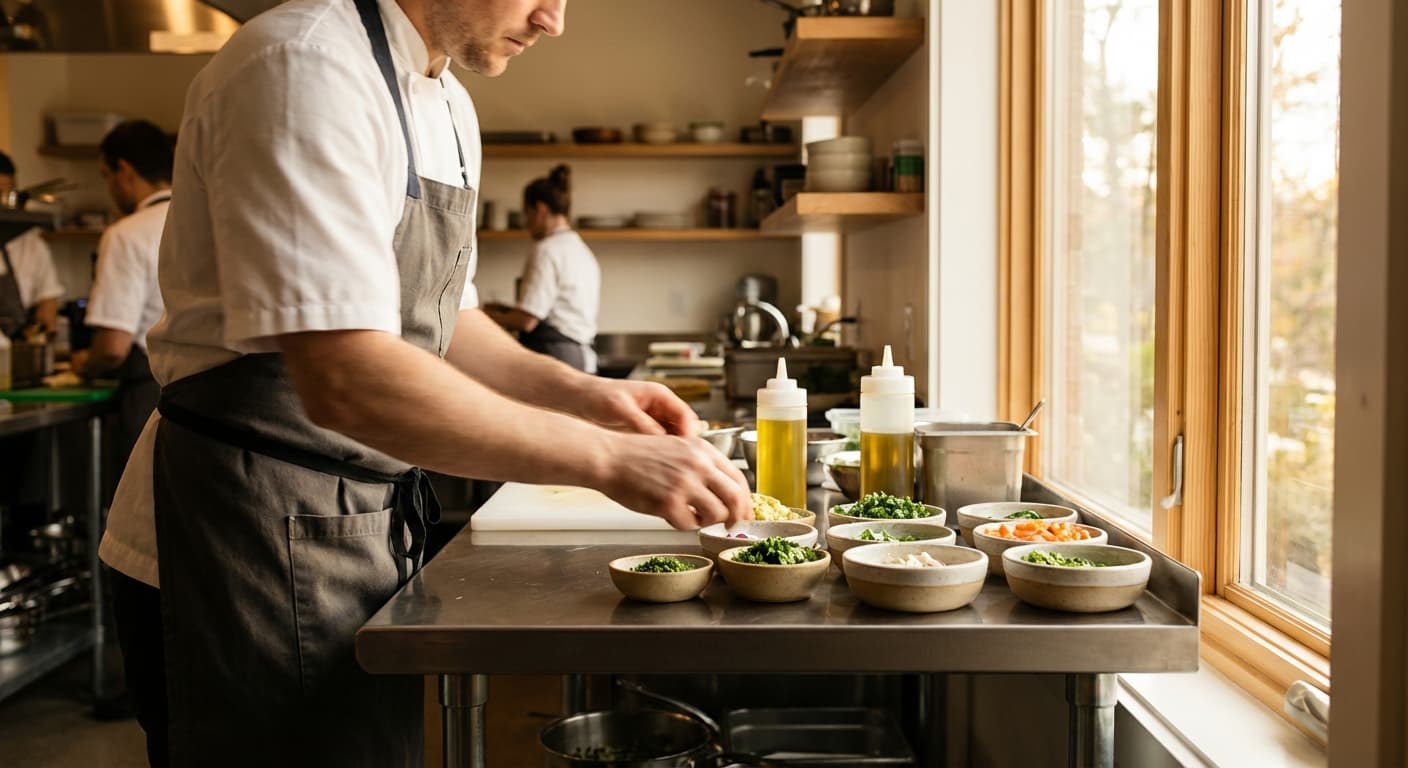
Start by defining a strong restaurant branding strategy that clarifies your positioning, core messaging, and visual identity. Diners process imagery faster than text, and professional food photography can increase menu-item sales by up to 30%. Capture high-quality images of signature dishes early to power your website, social channels, and local PR efforts.
Next, claim and set up your core digital assets:
- Create your Google Business Profile up to 90 days before your official launch by setting a future opening date.
- Optimize local search attributes by applying targeted SEO tips for restaurant websites, capturing "near me" search traffic which has grown 900% in recent years.
- Publish a dedicated "Coming Soon" landing page to capture guest emails and phone numbers before flipping the sign to open.
- Set up a commission-free online ordering system to handle early digital discovery and takeout demand.
Phase 2: Generating pre-launch buzz (Days 60–30)
Once your foundation is set, build anticipation across your target community.
Short-form video humanizes your brand. Share behind-the-scenes content on TikTok and Instagram, such as kitchen build-out time-lapses or chef preparation routines. Adapt your visual content using proven Instagram marketing strategies to highlight signature ingredients and dish development.
Amplify your reach through community partnerships:
- Invite local micro-influencers (1,000–5,000 followers) to private pre-launch tastings in exchange for dedicated content.
- Ensure all influencer partners follow FTC guidelines by clearly disclosing comped meals or sponsorships.
- Partner with neighboring offices, gyms, and boutiques using targeted local store marketing tactics.
- Offer exclusive "neighborhood-only" previews to build immediate foot traffic from people who work or live nearby.
Phase 3: The soft opening (Days 30–7)
Roughly 70–80% of restaurants host a soft opening before welcoming the general public. Treat this period as an operational stress test rather than a ceremonial party.
Keep soft-opening hours short and cap guest counts to manageable levels. Serve a limited sneak-peek menu to streamline kitchen prep and highlight your strongest dishes.
Use this phase to test technology under real conditions:
- Verify that your point-of-sale system, kitchen display screens, and payment terminals handle peak ticket volumes seamlessly.
- Test online ordering and delivery marketplace integrations to eliminate host stand chaos.
- Collect structured guest feedback via digital surveys or table cards to fix kitchen delays before opening night.
- If you want to streamline POS management without swapping hardware before launch, tools like AgenticPOS let you control back-office operations like menu tweaks, shifts, and inventory through AI assistants like Claude or ChatGPT.
Phase 4: The grand opening week (Day 0 & Week 1)
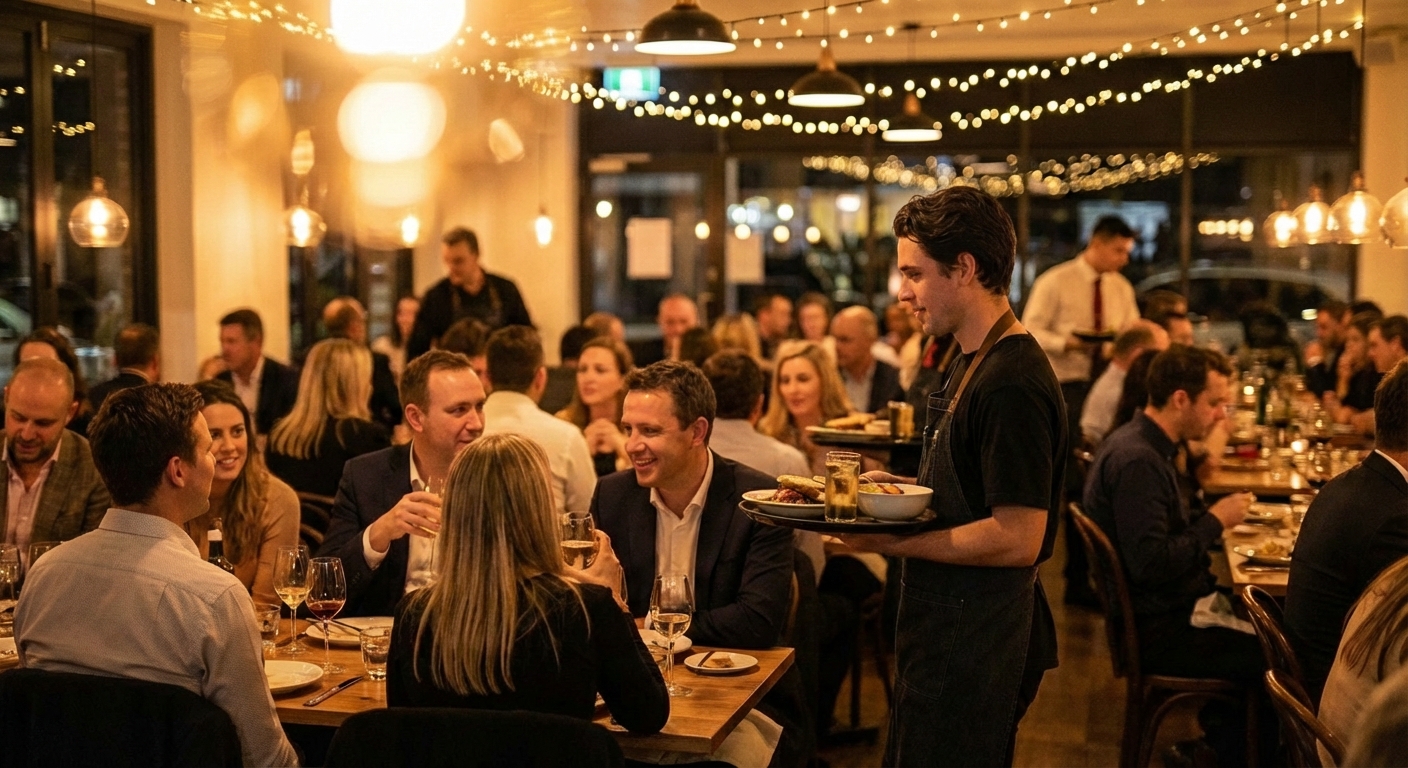
Grand opening week is about data capture and converting curiosity into long-term habits. Every guest who walks through your doors during launch week should leave with a clear reason to return.
Execute a multi-channel campaign to maximize opening week impact:
- Coordinate opening announcements across a cohesive social media marketing strategy.
- Launch targeted creative restaurant promotion ideas such as bounce-back vouchers valid for their next visit.
- Enroll guests directly into a built-in customer loyalty program at checkout or via digital receipts.
- Brief front-of-house staff on promotional offers, VIP seating rules, and rapid customer registration.
Phase 5: Retention, legal compliance, and ROI
Acquiring a new diner costs five to 25 times more than retaining an existing one. Once grand opening week ends, shift your focus from discovery to visit frequency.
Legal compliance is essential when executing post-launch marketing campaigns:
- Ensure all email marketing complies with the CAN-SPAM Act by including accurate sender information, a valid physical postal address, and an opt-out link honored within 10 business days.
- Ensure text marketing complies with TCPA requirements by securing prior express written consent before sending promotional SMS messages.
- Avoid offering incentives conditioned on specific review sentiment, adhering to FTC consumer review guidelines.
Finally, measure operational and marketing KPIs continuously. Track covers by time slot, average order value, labor costs, cost of goods sold, and promotion redemption rates. Spindl unifies order taking, POS, delivery management, and loyalty into a single platform – giving you real-time visibility into which channels drive actual covers and bottom-line profit.
Ready to streamline your launch? Upgrade your operations with Spindl.