How customer service improves restaurant revenue by 9%
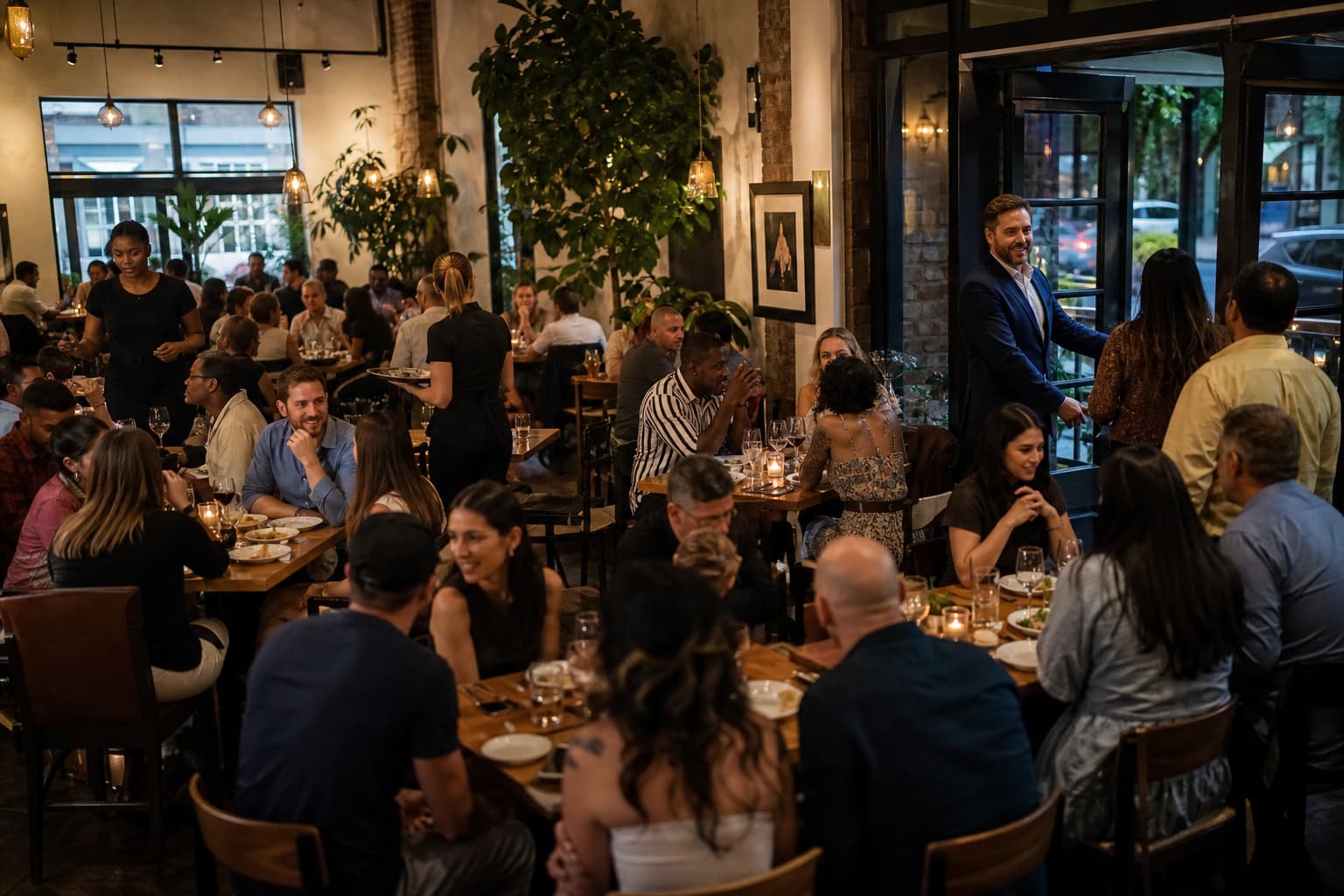
Why do so many dining establishments struggle with razor-thin margins? While rising ingredient costs get the blame, guest churn is the silent margin-killer. Delivering exceptional customer service plugs that leak and directly accelerates top-line growth.
The true cost of guest churn
Many operators constantly question why restaurants are not profitable, assuming single-digit net margins are an inescapable penalty of hospitality. While inflation and rising wages create genuine friction, customer retention remains your primary driver of financial health.
Acquiring a new guest requires substantial marketing spend compared to maintaining an existing relationship. A retained regular represents roughly $1,560 in lifetime value (LTV), whereas a churned first-time visitor brings in only about $555.
Every disappointed diner takes their future spending straight to your competitors. Cornell University research confirms that reported guest return intentions account for 55% of the variance in unit-level sales across restaurant locations. Strategic service is not just a hospitality gesture – it is your defense against revenue loss.
Speed and order accuracy as drivers of margin growth
While atmosphere and food presentation matter, operational speed directly dictates peak-hour capacity. Slow table turns leave revenue on the table.
Focusing on reducing wait times delivers compounding financial returns:
- The friction point: Approximately 42% of diners abandon a brand and never return if table wait times exceed 30 minutes.
- The efficiency gain: Optimizing workflows to turn tables just 10% faster allows a venue serving 200 covers per night to capture 20 extra covers.
- The bottom-line impact: At a $45 average check, that operational tweak generates $900 in extra nightly revenue, compounding to $27,000 monthly.
Order accuracy is equally vital. Kitchen mistakes and order entry errors drain profitability through wasted inventory, double labor, and comped plates. Training staff on structured service routines and boosting average order value through precise upselling turns routine interactions into profit centers.
The direct link between online reviews and revenue
Hospitality standards rarely stay inside your dining room. They broadcast directly to digital review platforms, influencing reservations in real time.
A landmark Harvard Business School study reveals that a one-star increase in a restaurant's Yelp rating leads to a 5% to 9% increase in sales for independent venues. Furthermore, California reservation study data shows that higher rating scores yield tangible operational wins:
- Sell out available tables 19 percentage points more frequently during peak dining periods.
- Generate a 49% relative increase in full-capacity reservations during prime weekend slots.
Active, effective online review management ensures that high front-of-house standards convert directly into full seating charts.
Turning service complaints into retention assets
No kitchen or front-of-house team runs a flawless shift every single time. What separates high-performing venues from struggling ones is service recovery.
Hospitality research proves that welcoming complaints, acting promptly, and offering fair compensation are the strongest drivers of long-term guest loyalty. When an issue arises, follow a proven six-step framework: Listen, Empathize, Investigate, Solve, Compensate, and Follow-up.
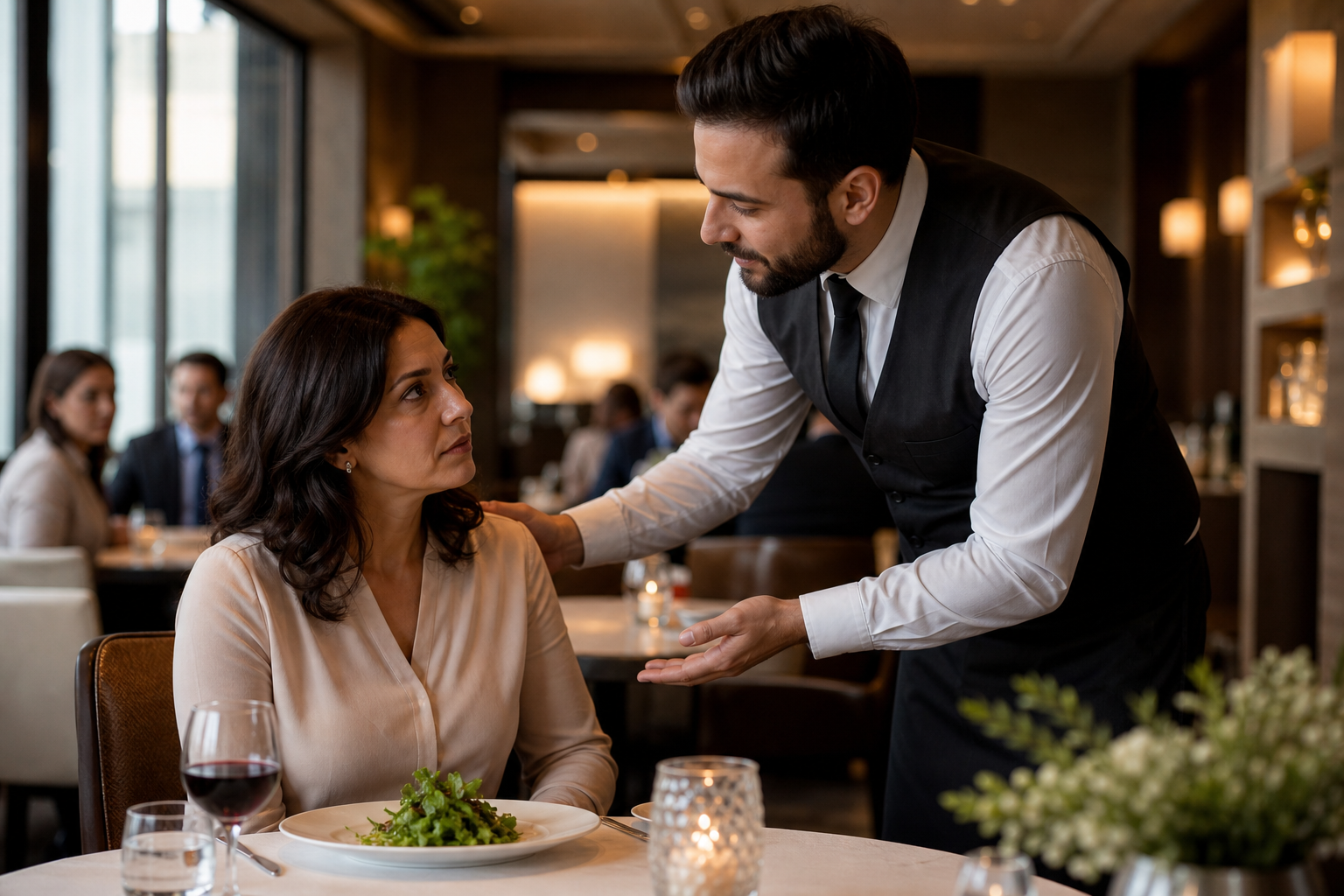
Empowerment speeds up this cycle. If a server must spend ten minutes hunting down a manager to comp a spoiled drink, guest frustration escalates. Giving frontline staff clear authority to resolve minor disputes on the spot defuses tension, preserves margins, and turns unhappy guests into loyal advocate. Reviewing detailed restaurant complaint handling strategies equips your team with the tools to de-escalate mistakes smoothly.
Capturing guest data through frontline hospitality
Attentive table service is your primary channel for guest acquisition and data collection. When servers build genuine rapport, guests readily opt into marketing channels.
Training staff to prompt guests at the table can increase contact capture rates by up to 40%. Linking table interactions with an integrated customer loyalty program lets you capture preferences and automate targeted offers.
Pairing loyalty workflows with a structured restaurant customer satisfaction survey lets you tie specific feedback directly to shifts, menu items, and individual servers. For a deeper breakdown of operational standards, explore our guide on customer service in restaurant management.
Empowering staff with modern operational tools
Servers cannot deliver warm, personal hospitality if they are overwhelmed by clunky interfaces, manual paper checks, and disconnected systems. Great customer service relies on reducing friction across your entire workspace.
To eliminate operational barriers without discarding your current setup, you can start free with AgenticPOS. It provides an MCP server that lets AI agents control your existing POS back-office operations – like menu updates, analytics, and pricing – directly through simple chat interfaces like Claude, ChatGPT, or Slack.
As your operation grows, scale into advanced multi-location controls and shift into Spindl’s fully integrated restaurant management platform when you are ready to consolidate your entire tech stack into a single interface.
Ready to eliminate operational friction and grow your margins? Explore how Spindl unifies your point of sale, delivery, and loyalty operations by scheduling a demo today.