Sådan beskytter du restaurantens avance, når omkostningerne stiger med 35 %
Råvare- og personaleomkostninger er steget med helt op til 35 % sammenlignet med niveauet før pandemien. Når man samtidig arbejder med beskedne overskudsgrader på blot 3 til 5 %, er der absolut intet råderum til fejl i driften. Hvis din restaurant skal overleve og skabe overskud i dagens marked, kræver det et opgør med ineffektive, fragmenterede arbejdsgange til fordel for et strømlinet og datadrevet system. Her får du en konkret guide til at gennemgå og optimere hele restaurantdriften.
Gennemgå og optimér arbejdsgangene i køkkenet
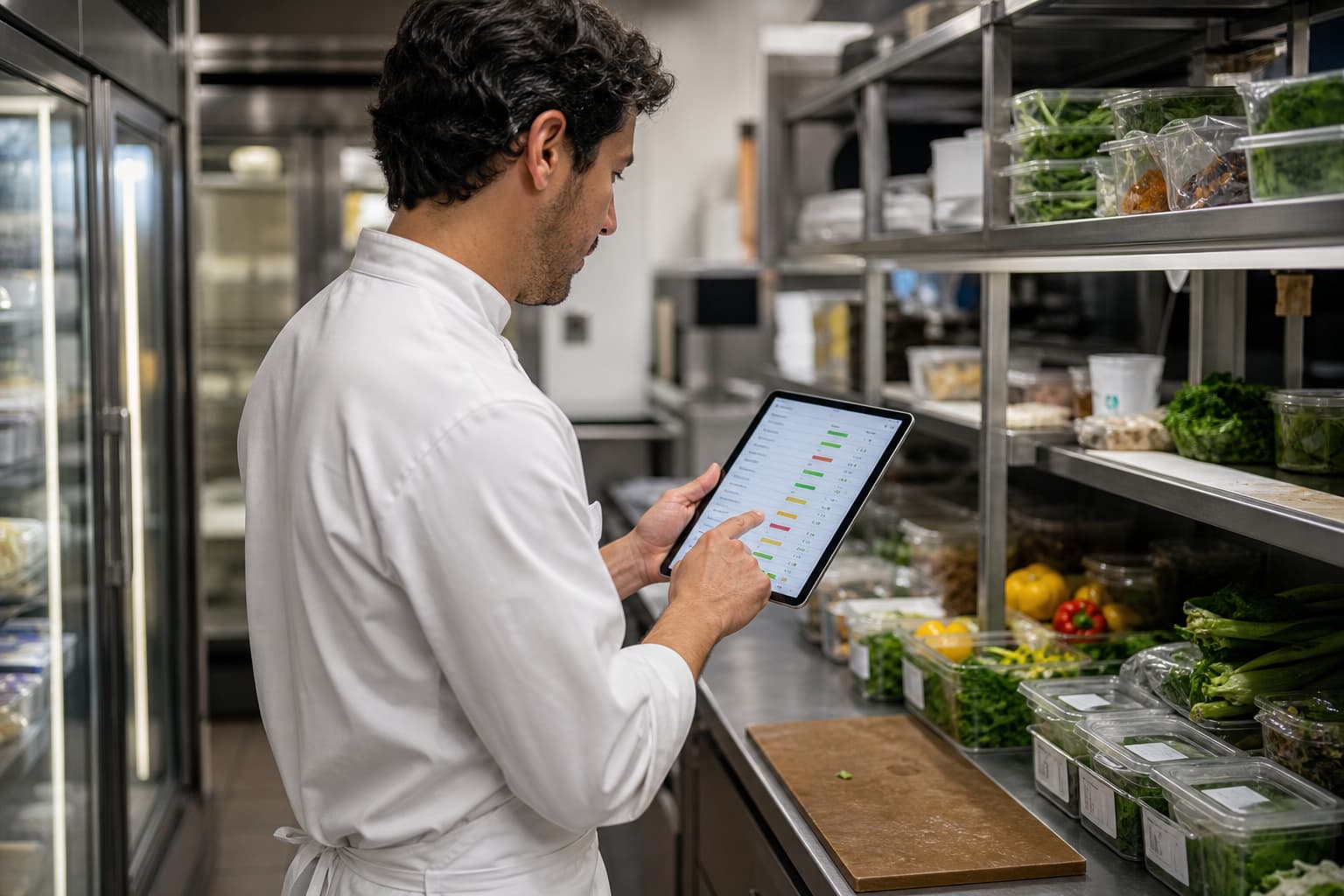
Ineffektivitet i køkkenet (back-of-house) forsinker bordrotationen og øger madspildet, som typisk sluger 3 til 5 % af de samlede råvareomkostninger. For at beskytte bundlinjen bør du styre efter en samlet råvareandel (food cost) på 28 til 32 % af omsætningen. Det kræver præcis lagerstyring og konsekvent brug af standardiserede opskrifter.
Ved at implementere best practice for lagerstyring i restauranter og koble dit kassesystem (POS) direkte til software til lagertræk i realtid, trækkes råvarerne automatisk fra lagerbeholdningen ved hvert salg. Det giver dig et præcist datagrundlag, der afslører skred i portionsstørrelserne og forhindrer, at køkkenet pludselig løber tør for nøgleingredienser midt i et travlt rykind.
Skærp også procedurerne for fødevaresikkerhed – for eksempel ved at følge retningslinjerne fra FDA Food Code om at holde temperaturfølsomme fødevarer (TCS-varer) på maksimalt 5 °C (41 °F), så du minimerer spild fra råvarer, der går tabt. De faste driftsudgifter kan ligeledes sænkes ved at bruge ENERGY STAR's tjekliste for restauranter til at styre det daglige forbrug af el og vand.
Reducér medarbejderflugt og optimér vagtplanlægningen
Lønninger udgør fortsat den største regulerbare omkostning i restauranten. Nyere data fra National Restaurant Association viser, at lønomkostningerne i gennemsnit udgør 36,5 % af omsætningen for full-service-restauranter og 31,7 % for limited-service-steder. Høj personaleudskiftning gør kun regningen større, da det koster mellem 1.800 og 3.500 dollars at rekruttere og oplære en ny linjekok.
Sådan skaber du bedre stabilitet i medarbejdergruppen:
- Opbyg en struktureret onboarding: Et overskueligt og trinvist oplæringsprogram for restaurantpersonale mindsker tidlig medarbejderafgang og sikrer en ensartet serviceoplevelse på gulvet.
- Planlæg vagter ud fra reel efterspørgsel: Tilpas bemandingen til historiske salgsdata fra dit kassesystem i stedet for at lægge vagtplaner på mavefornemmelsen. Brug af afprøvede strategier til styring af lønomkostninger kan sænke de samlede lønudgifter med op til 15 %.
- Skab forudsigelighed om arbejdstiden: Offentliggør vagtplanerne to uger i forvejen. Det viser respekt for medarbejdernes fritid og giver ro på holdet.
Eliminér ventetid og sæt tempo på betjeningen
Langsom betjening koster stamgæster. Når du fjerner flaskehalse i serveringen, øger du bordrotationen og får flere tilfredse gæster til at vende tilbage, hvilket direkte forbedrer kundeservicen og øger omsætningen.
Når håndskrevne papirboner erstattes af digital bestilling, arbejder køkkenet markant hurtigere, og du undgår fejl opstået som følge af misforståelser eller ulæselig skrift.
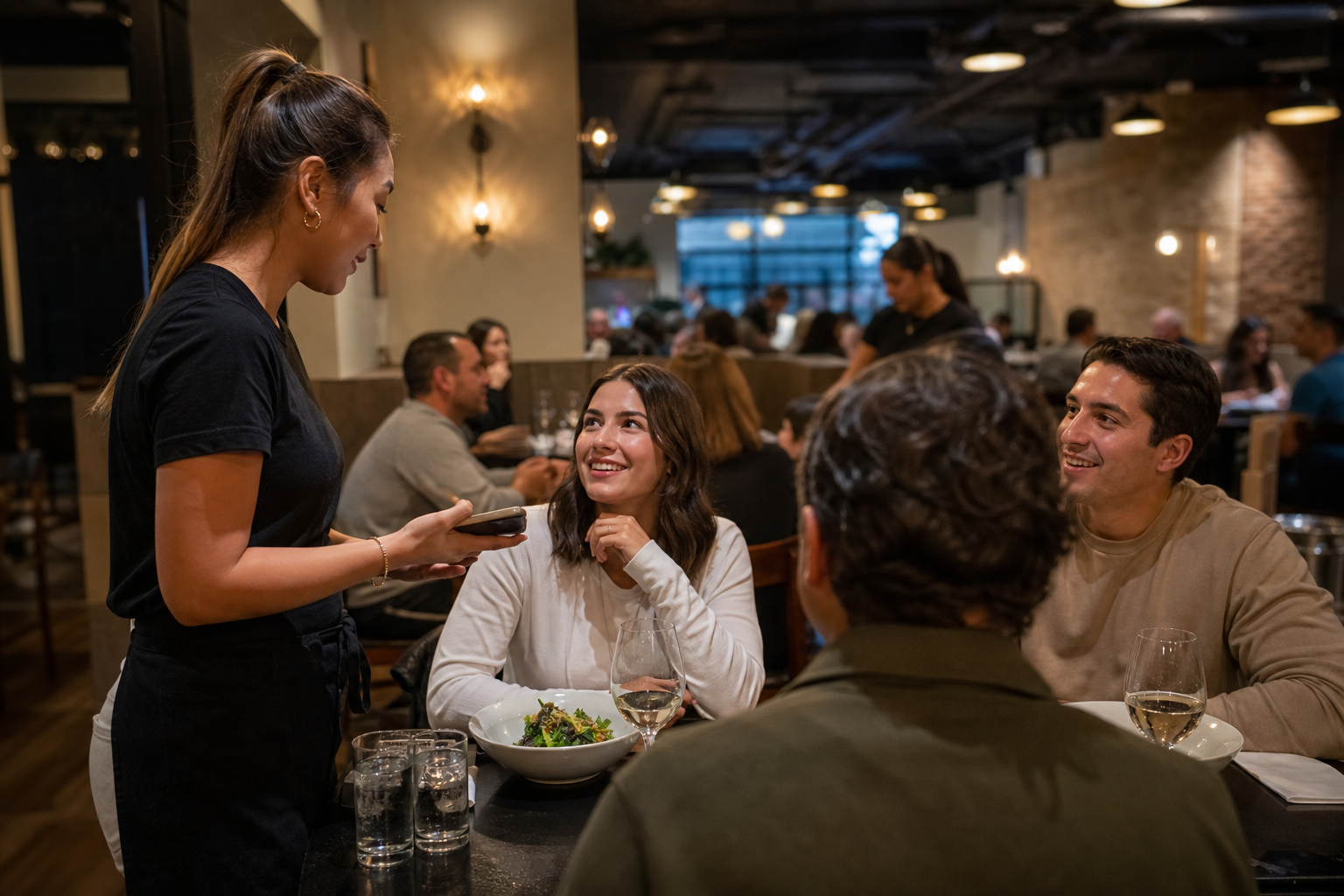
Både ventetiden og bordenes gennemsnitlige ekspeditionstid kan reduceres med op til 12 minutter ved at indføre selvbetjeningskiosker og bestilling ved bordet. Når ordrerne sendes direkte til et skærmsystem i køkkenet (Kitchen Display System / KDS), glider retterne hurtigt og fejlfrit fra køkken til bord. Hvis du vil se, hvordan direkte digital ordreindtastning fjerner kommunikationsfejl på tværs af alle kanaler, kan du læse mere om POS-teknologiens betydning for ordrepræcision.
Udnyt realtidsanalyse frem for manuelle regneark
Traditionelle regneark viser kun, hvad der gik galt i sidste måned. Vil du sikre lønsomheden her og nu, skal du have adgang til nøgletal midt i vagten – blandt andet prime cost (de samlede råvare- og lønomkostninger), den gennemsnitlige bonstørrelse og RevPASH (omsætning pr. tilgængelig siddepladstime).
Analyse-dashboards i realtid giver restaurantchefen mulighed for at gribe ind undervejs. Hvis der for eksempel er uventet stille i restauranten en tirsdag eftermiddag, kan du sende medarbejdere hjem før tid og skåne lønbudgettet.
Ved at kombinere helt nære budgetteringstips til restauranter med POS-analyse til effektivisering af driften opdager du økonomiske lækager, før de æder dine nettomarginer op.
Slip af med "tablet-farmen" med ét samlet operativsystem
At navigere i et hav af separate tablets til udbringningstjenester, et fritstående kassesystem og uafhængige loyalitetsprogrammer skaber rod på disken og fører til tidskrævende dobbeltindtastninger.
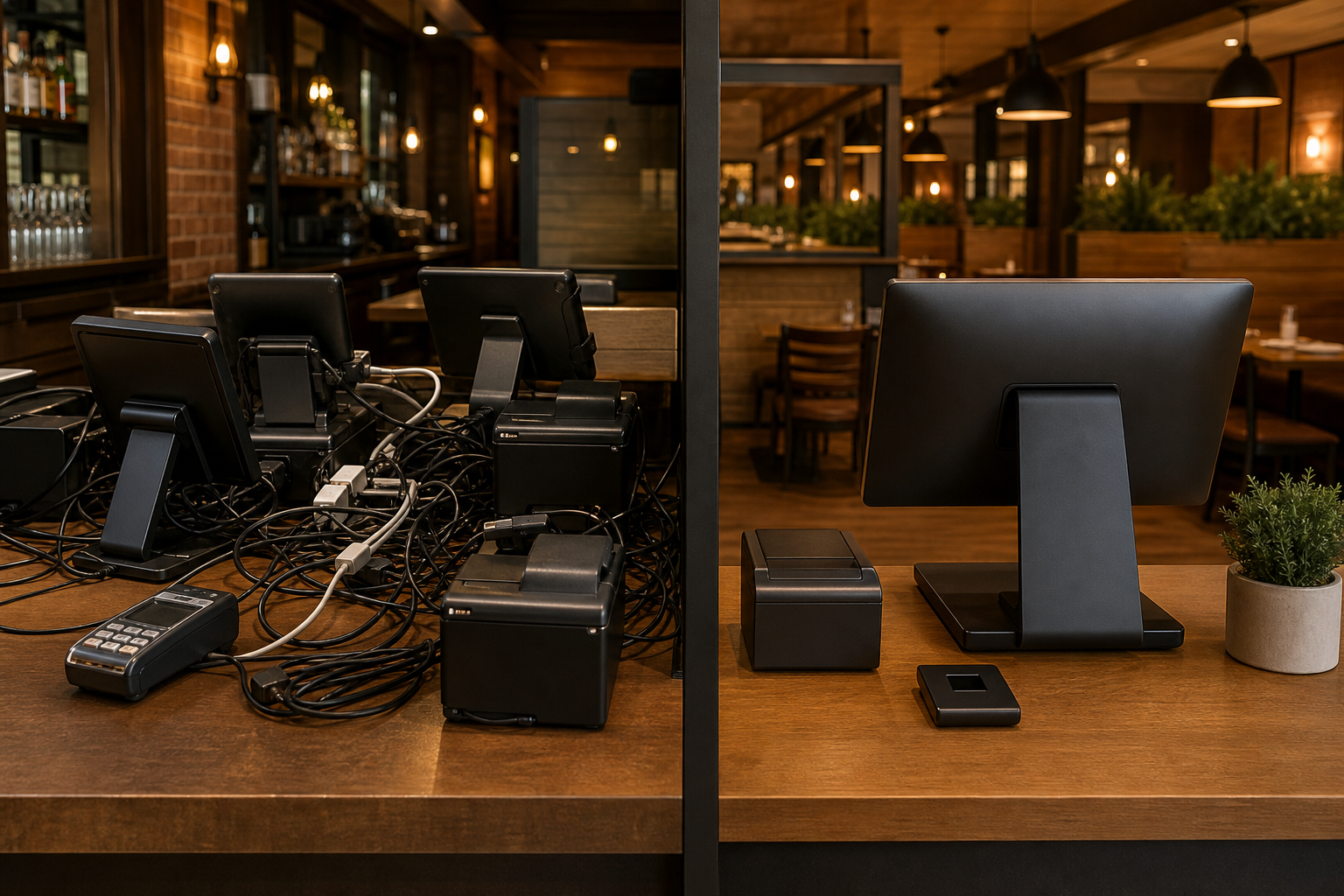
Gør op med den opdelte struktur ved at følge praktiske tips til effektiv restaurantdrift og samle din hardware i én sammenhængende løsning.
Du kan modernisere din teknologi i dit eget tempo:
- Start gratis med AgenticPOS ovenpå dit eksisterende POS-system, så du kan håndtere menuændringer, vagtbytte og tjek af dækningsbidrag via enkle AI-kommandoer i værktøjer som Slack eller ChatGPT.
- Forbind administrationen til Spindls AI-agentværktøjer for at afvikle rutineprægede kontoropgaver uden at skulle klikke dig igennem komplicerede kontrolpaneler.
- Opgradér til den komplette Spindl POS-platform, når du er klar til at samle spiseoplevelsen på stedet, udbringning, selvbetjening og loyalitetsprogram i ét fælles operativsystem – det kan reducere den administrative tid med op til 30 %.
Sund restaurantdrift handler i dag om at fjerne manuelle hovsa-løsninger og adskilte systemer. Ved at strømline arbejdsgangene i køkkenet, optimere vagtplanen og digitalisere ordrehåndteringen beskytter du din bundlinje mod branchens stigende omkostninger. Se, hvordan Spindl kan samle hele din restaurantdrift på én intuitiv platform – eller begynd at teste AgenticPOS på dit nuværende POS-system allerede i dag.