Rebuilding your restaurant profit margins with modern tech
Most restaurants survive on razor-thin 3–5% net margins. A single botched inventory count can wipe out your monthly profit. If you aren’t pulling the right levers, you aren't running a business – you’re a glorified landlord for your food suppliers. Here is how to reclaim your bottom line.
Benchmarking "good" restaurant profit margins
Profitability isn't a universal metric. A "healthy" margin depends heavily on your specific service model and operational overhead. Full-service restaurants typically operate on 2–8% net profit margins, though top performers with obsessive cost control can push past 12%. Quick-service restaurants generally enjoy higher margins than full-service establishments due to lower labor requirements and higher volume. Bars and taverns often represent the industry's most profitable segment thanks to high-margin alcohol sales and lower food-related overhead.
To track where you stand, you must obsess over your prime cost, which is the sum of your Cost of Goods Sold (COGS) and labor. In a healthy operation, prime cost should stay between 55% and 65% of sales. If you are pushing toward 70%, you are in a danger zone where a single slow week can lead to negative cash flow.
The levers of profitability: cost control and menu engineering
Increasing revenue is a slow process, but protecting the revenue you already have is the fastest way to boost your margin. You have three primary levers to pull to stop the bleeding and maximize every dollar that comes through the door.
Stopping the "kitchen leak"
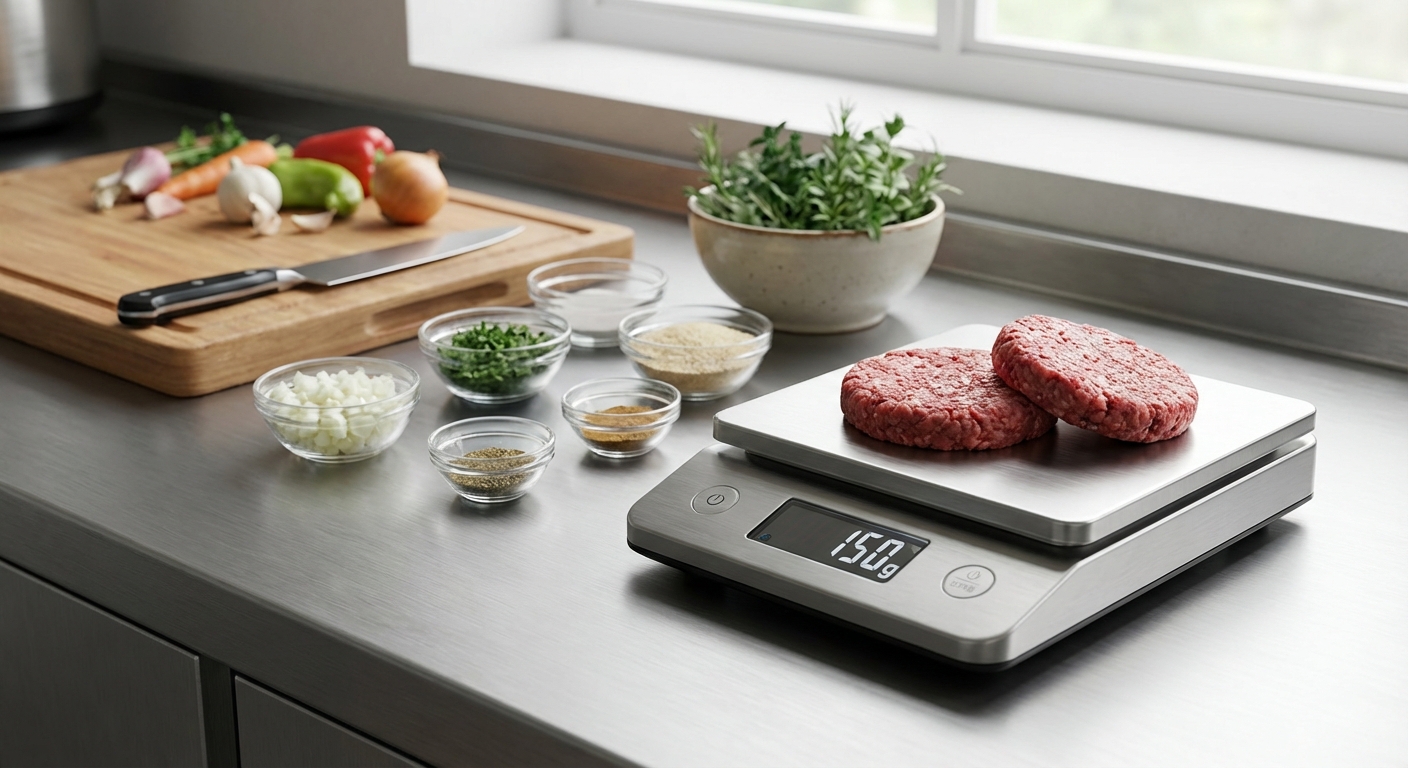
Food waste accounts for 4–10% of purchased inventory, acting as a silent tax on your growth. However, research suggests a 700% ROI on waste reduction – meaning for every $1 you invest in better tracking, you save $7 in lost product. The biggest leak is the gap between theoretical and actual food costs. For example, if your recipe says a burger uses 6 oz of beef but your inventory shows you’re burning through 8 oz per sale, you have a portioning or theft problem. Spindl’s integrated inventory management automates these deductions at the recipe level, identifying variances before they become five-figure annual losses.
Strategic menu engineering
Don't just raise prices across the board; 68% of operators did that last year and many saw guest pushback. Instead, use POS analytics to categorize your menu into four distinct buckets:
- Stars: High popularity and high margin items that you should keep front and center.
- Plow horses: High popularity but low margin dishes. You should modestly reprice these items or adjust portions to protect the margin.
- Puzzles: Low popularity but high margin. Use your staff to push these as specials or featured items.
- Dogs: Low popularity and low margin. Remove these immediately as they clutter your kitchen and slow down your line.
Labor optimization
Labor is your largest controllable expense, yet turnover rates exceeding 75% make the cost of hiring and training a constant drain. You can't just cut staff and expect service quality to remain high. Instead, you must increase individual efficiency. Digital tools like self-service kiosks can increase average check sizes by 15–30% because customers are 25% more likely to add modifiers or appetizers when they order themselves. This frees up your staff to focus on hospitality and guest recovery rather than manual data entry.
Ending the "tablet farm" and administrative waste
Fragmentation is a silent profit killer. Many restaurant managers spend 12 hours a week on administrative tasks like manual reconciliation. Juggling five different delivery tablets leads to order errors, wasted ingredients, and costly comps when mistakes happen during the rush. One Brooklyn restaurant saved $4,000 annually just by eliminating redundant tablets and reducing the errors associated with manual re-entry.
Spindl replaces this chaos with a single device. By consolidating your POS and delivery platforms, you eliminate the "tablet farm" and gain a single source of truth. When a sale happens on a third-party app, it should instantly deduct from your inventory and update your P&L. If your tech stack doesn't communicate, you are flying blind during your most critical service hours.
Reclaiming your margins with Spindl
Profitability in the current market isn't about working harder; it's about operating smarter. You need to see your margins in real-time to make decisions during service, not two weeks later when you finally look at a spreadsheet. Modern operators are moving away from "dinosaur" legacy systems toward unified platforms that handle everything from the first order to the final inventory count.
Spindl OS is built for speed and serious results, designed to reduce food costs by 5% within 90 days. Stop losing money to hidden leaks and fragmented data. Book a Spindl demo today and see how an all-in-one platform can put thousands of dollars back into your pocket every month.