Slik driver du flere restaurantavdelinger effektivt
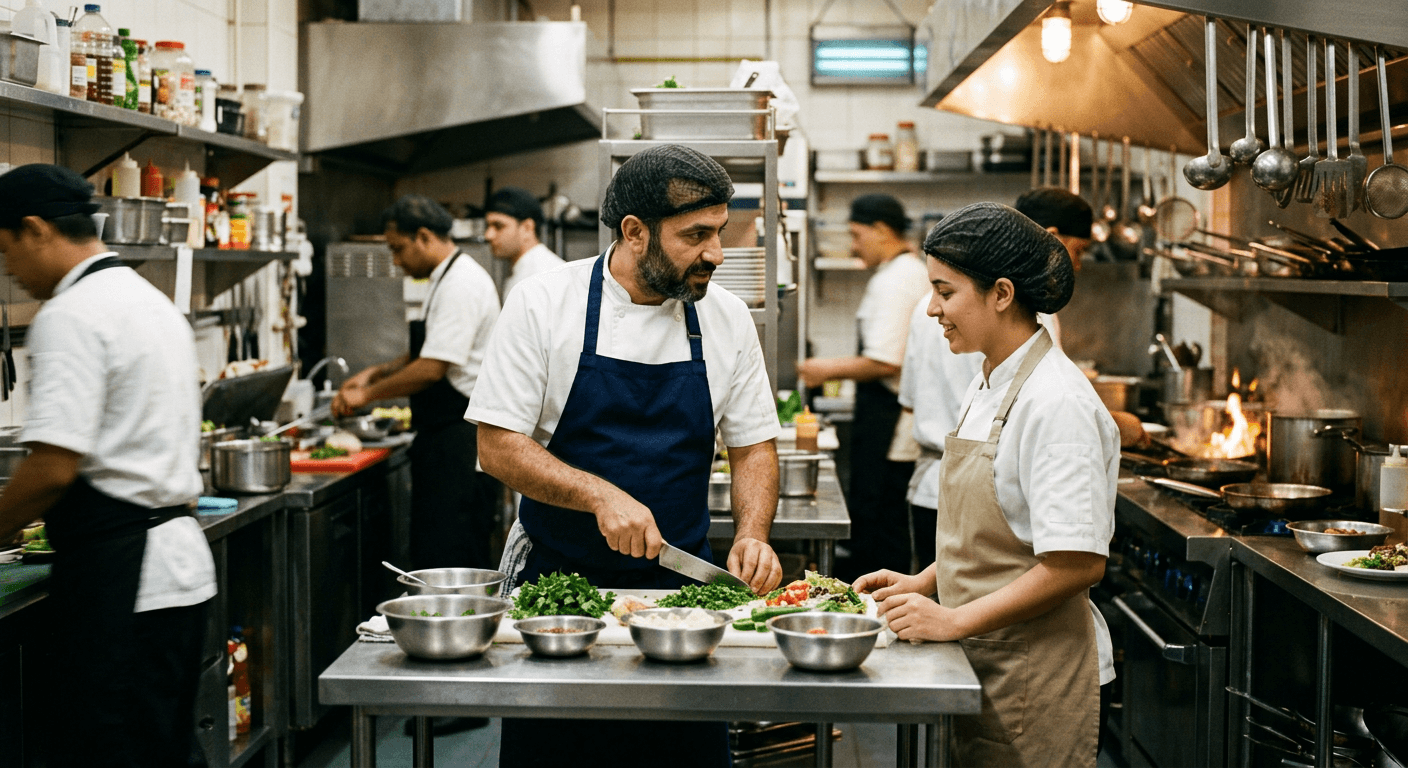
Overlever restaurantkonseptet ditt hvis du ikke selv er til stede på gulvet? Å ekspandere fra én enkelt restaurant til flere avdelinger krever innarbeidede systemer og felles rutiner på tvers av alle steder. Uten samkjørt styring vil små, daglige lekkasjer i driften raskt spise opp de allerede knappe nettomarginene på 3–5 %.
Standardiser teknologiparken på tvers av avdelingene
Nettbrettkaos på disken – med egne skjermer for hver enkelt utkjøringstjeneste og interne bestillinger – ødelegger oversikten over driftsdataene dine. Fragmenterte systemer gjør det nesten umulig å beregne lønnsomheten per avdeling i sanntid.
Ved å samle alt i ett integrert kassasystem (POS) kan du redusere tiden du bruker på administrative oppgaver med 30 % – tilsvarende rundt 12 sparte timer i uken. Sømløse integrasjoner for leveringstjenester samler alle nettbestillinger i én felles kjøkkenkø, noe som gir over 98 % presisjon på bestillingene på tvers av alle avdelinger. Med en slik sentralisert oversikt slipper du å bruke tiden på manuell brannslukking, og kan i stedet ta beslutninger basert på faktiske data.
Vil du effektivisere administrasjonen på tvers av avdelingene ved hjelp av samtale-AI oppå ditt eksisterende oppsett? Du kan koble til AgenticPOS for å håndtere menyendringer, vaktbytter og prisjusteringer direkte via chat.
Innfør et strukturert rammeverk for opplæring
Rekruttering og bemanning er ofte en krevende flaskehals når man skal skalere en restaurantvirksomhet. Å erstatte en linjekokk koster typisk mellom 1 800 og 3 500 dollar i ren rekruttering og tapt produktivitet.
Et strukturert opplæringsprogram for kjøkkenansatte sikrer at nyansatte får den samme faglige tyngden, uavhengig av hvilken avdeling de starter ved:
- Første 30 dager: Fokus på matsikkerhet, bedriftskultur og grunnleggende rutiner på kjøkkenstasjonene.
- Dag 31–60: Oppbygging av arbeidstempo, presisjon i bestillingene og kompetanse på tvers av flere stasjoner.
- Dag 61–90: Full selvstendighet på kjøkkenet og klargjøring for skiftlederansvar.
Mestre etterspørselsbasert bemanningsplanlegging
Lønnskostnader utgjør gjerne 30–35 % av restaurantens totale driftsutgifter. Planlegger du bemanningen basert på magefølelse på tvers av ulike lokasjoner, ender du lett opp med enten for høye personalkostnader eller treig betjening.
Ved å bruke salgsdataanalyse i sanntid kan du skreddersy bemanningsplanen time for time ut fra forventet etterspørsel. KI-drevet vaktplanlegging kan kutte personalkostnadene med 5–15 % ved å plassere de mest erfarne medarbeiderne i timene med høyest omsetning per tilgjengelige sitteplass (RevPASH).
Gjennomfør systematiske kvalitetsrevisjoner
Stabil kvalitet er fundamentet for et sterkt restaurantkonsept. Dersom signaturretten din smaker forskjellig fra avdeling til avdeling, svekkes gjestelojaliteten raskt.
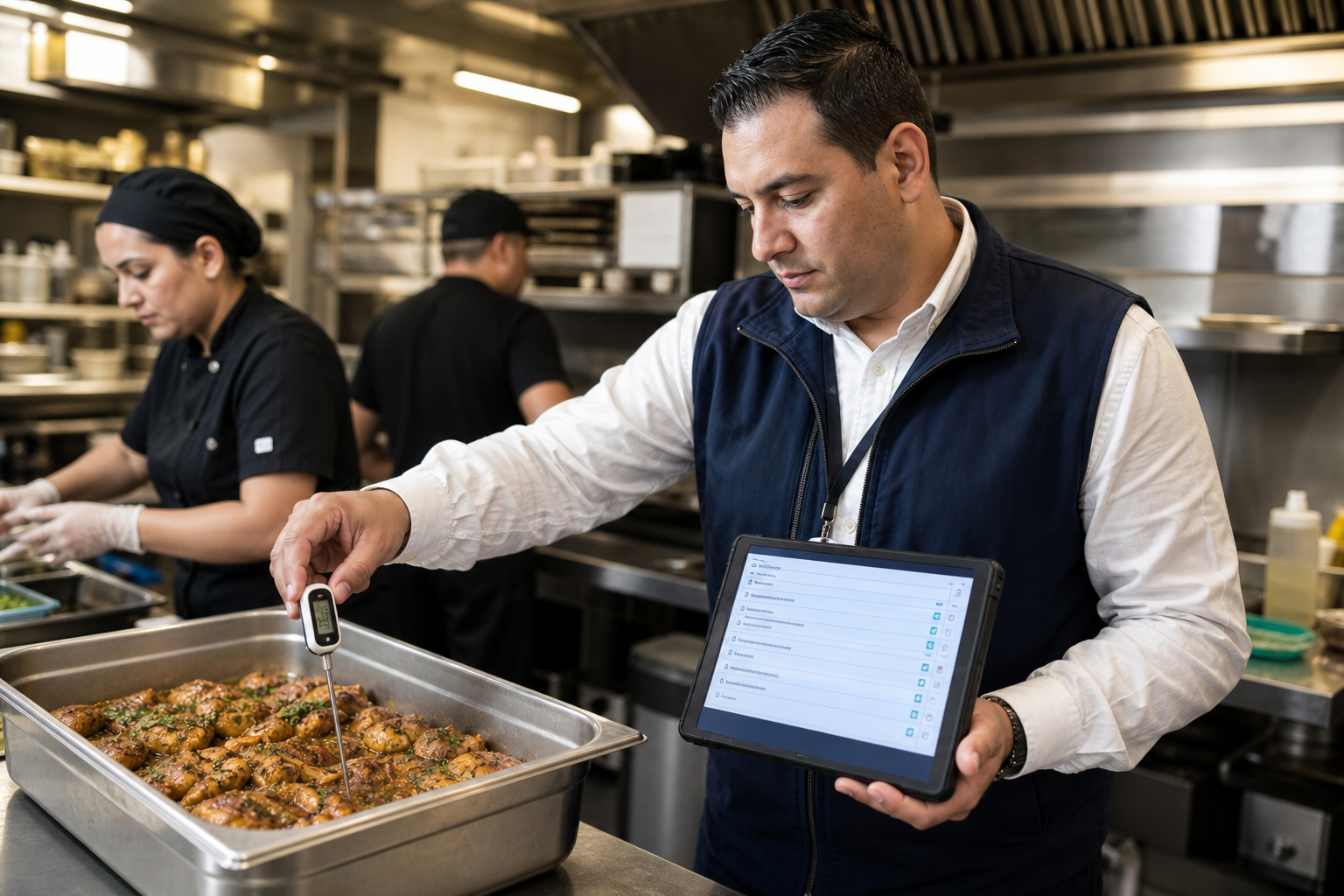
Etabler tydelige retningslinjer i tråd med anerkjente standarder som FDA Food Code. Ta i bruk digitale sjekklister og automatisert temperaturkontroll som anbefalt av organer som CDC for å slippe manuell loggføring. Kombiner streng matsikkerhet med faste servicestandarder – for eksempel å ønske gjester velkommen innen 60 sekunder – for å redusere kundeklager med opptil 25 %.
Få kontroll på primærkostnader og varelager i sanntid
Primærkostnaden (prime cost – råvarekostnader pluss lønn) bør ligge mellom 55 % og 65 % av restaurantens samlede inntekter. Avvik i råvarekostnadene skyldes som regel for rause porsjoner, uregistrert svinn eller tyveri.
Ved å koble salget direkte mot varelagerstyring i sanntid, trekkes råvarene automatisk fra lagerbeholdningen basert på oppskriftene. Ved å innføre faste driftsrutiner og systematisk svinnregistrering i tråd med EPAs retningslinjer for forebygging av matsvinn, kan du holde lageravviket under 2 % og avdekke kostnadslekkasjer lenge før månedsregnskapet er klart.
Bygg en skalerbar ledelsesstrategi
For å skalere driften over flere lokasjoner må du gå bort fra manuell papirflyt og over til automatiserte arbeidsprosesser. Ved å samle salg, varelager og vaktplanlegging i én integrert plattform bygger du en skalerbar modell for langsiktig vekst.

Du kan stille løpende spørsmål om driften på tvers av avdelingene med KI-verktøy for restaurantdrift, eller styre eksisterende kassasystemer direkte via chat med AgenticPOS. Ta i bruk disse metodene for å styre flere avdelinger og utforsk Spindls alt-i-ett-plattform for restaurantdrift for å få full oversikt over alle restaurantene dine i sanntid.