Parimad restorani kassasüsteemid: võrdlusjuhend aastaks 2025
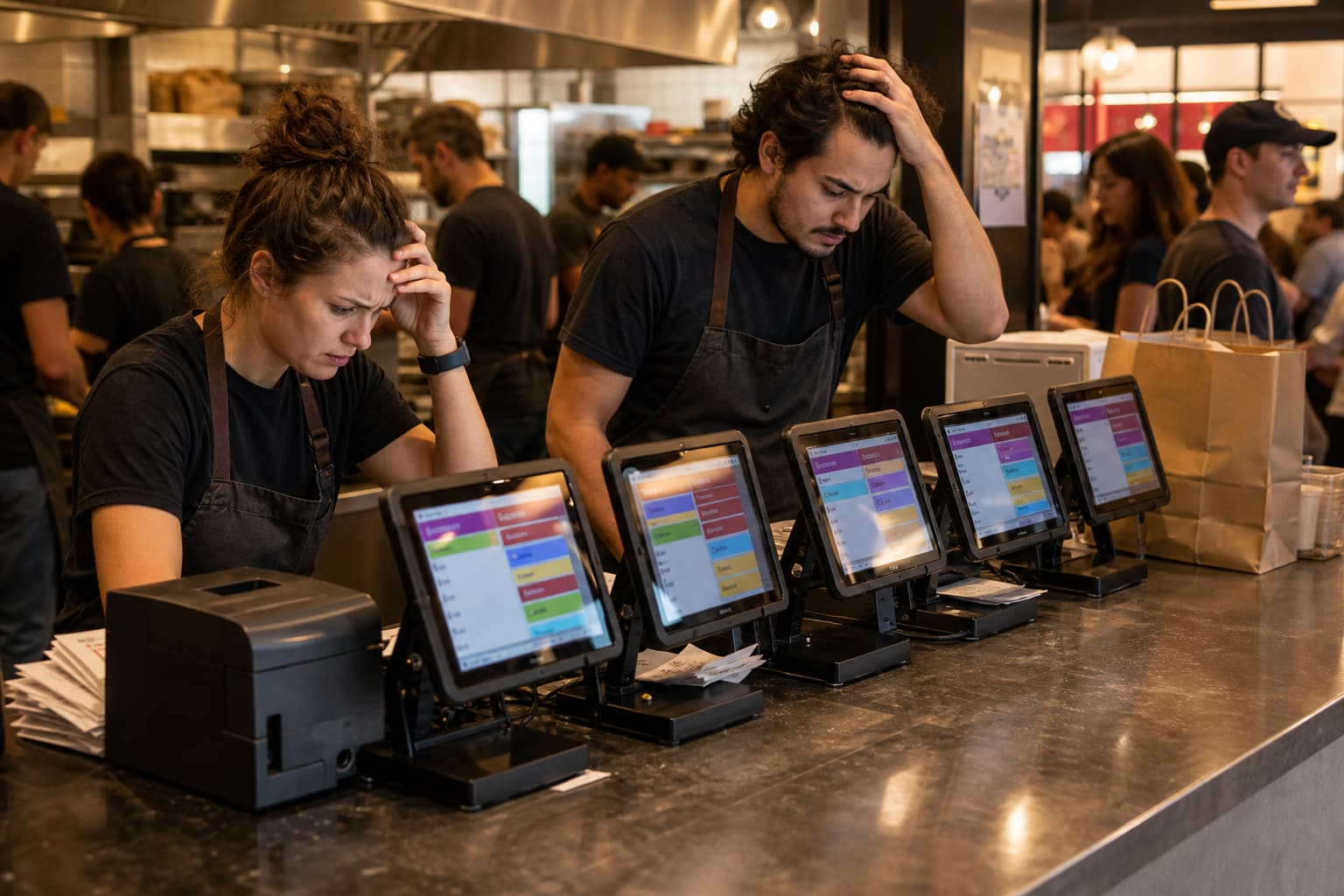
Kas kliente teenindades tuleb ikka veel žongleerida mitme eri tahvelarvutiga ning töötajad upuvad tellimuste käsitsi sisestamisse? Sobiva kassasüsteemi (POS) valik ei piirdu vaid maksete vastuvõtmisega – see on võimalus võtta kasumimarginaalid ja töörahu taas enda kontrolli alla. Siin on põhjalik ülevaade sellest, mida parimad restorani kassasüsteemid pakuvad ja kuidas need teie ärisse sobivad.
Olulised funktsioonid, mida enne ostmist võrrelda
Erinevaid platvorme hinnates tasub vaadata kaugemale tavapärasest maksete töötlemisest. Võrrelge lahendusi järgmiste peamiste kriteeriumide alusel:
- Tellimuste ja maksete kiirus: töökindel viipemaksete ja kaarditehingute töötlemine, võrguühenduseta töörežiim ning nobe tellimuste sisestamine nii lauas kui ka leti ääres.
- Tarnetellimuste koondamine: otseliidestused (API-d), mis koondavad eri kullerteenuste (nagu Wolt või Bolt Food) tellimused ühte süsteemi ilma lisatahvelarvutiteta.
- Laoarvestus ja aruandlus: reaalajas retseptipõhine laoarvestus ning analüütika tooraine- ja tööjõukulude ohjamiseks.
- Omaniku kogukulu (TCO): riistvara soetusmaksumus, igakuised tarkvaratasud (SaaS), kaardimaksete tehingutasud ja süsteemi juurutamiseks kuluv aeg.
Toast: Täisteenindusega restoranide raskekaallane
Toast on laialdaselt levinud Androidi-põhine platvorm, mis on mõeldud eelkõige täisteenindusega restoranidele ning mitme tegevuskohaga toitlustuskettidele.
- Hinnastus: tarkvarapaketid algavad tasuta paketist Starter ($0/kuu), Point of Sale maksab $69/kuu ja New Restaurant Basics $110/kuu. Riistvara ja maksetöötlus peavad pärinema otse Toastilt ning nende hind sõltub personaalsest pakkumisest.
- Peamised funktsioonid: lauas tellimine, menüü haldamine, kinkekaardid, püsikliendiprogrammid ja integreeritud köögiekraanid (KDS).
- Puudused: pikaajalised lepingud, kohustuslik Toasti tehingutöötlus ning tootjapõhine riistvara. Lisamoodulid (nt palgaarvestus või turundus) kergitavad igakuist kulu märgatavalt.
Square for Restaurants: Alustavate ettevõtete standard
Square on intuitiivne lahendus alustavatele söögikohtadele, kohvikutele ja tänavatoidu pakkujatele, kes vajavad lihtsat ning kiiret seadistust olemasoleval riistvaral (nt iPadidel).
- Hinnastus: tasuta pakett Free ($0/kuu tegevuskoha kohta) ja Plus ($60/kuu tegevuskoha kohta). Tehingutasu on kohapealsetelt kaardimaksetelt 2,6% + 15 senti, veebimüügilt 2,9% + 30 senti ning käsitsi sisestatud kaartidelt 3,5% + 15 senti.
- Peamised funktsioonid: saaliplaan ja laudade haldus, käikude juhtimine, automaatne jootraha arvestus ning baastasemel köögiekraanide tugi.
- Puudused: edasijõudnud funktsioonid nõuavad tasulist paketti. Lisaks vajab kullerteenuste tellimuste haldamine sageli väliseid lisatööriistu, mis võib põhjustada tarnetellimuste liidestamise probleeme.
Spindl: Kõik-ühes kaasaegne väljakutsuja
Kui vanema põlvkonna süsteemid muudavad letitaguse kaootiliseks tahvelarvutite padrikuks, siis Spindl koondab tellimuste vastuvõtmise, kullerteenuste liidestuse, laoarvestuse ja püsikliendiprogrammi ühte seadmesse. Vanad lahendused on nagu kunagised nuputelefonid – Spindl on selle kõrval kaasaegne nutitelefoni ajastu.
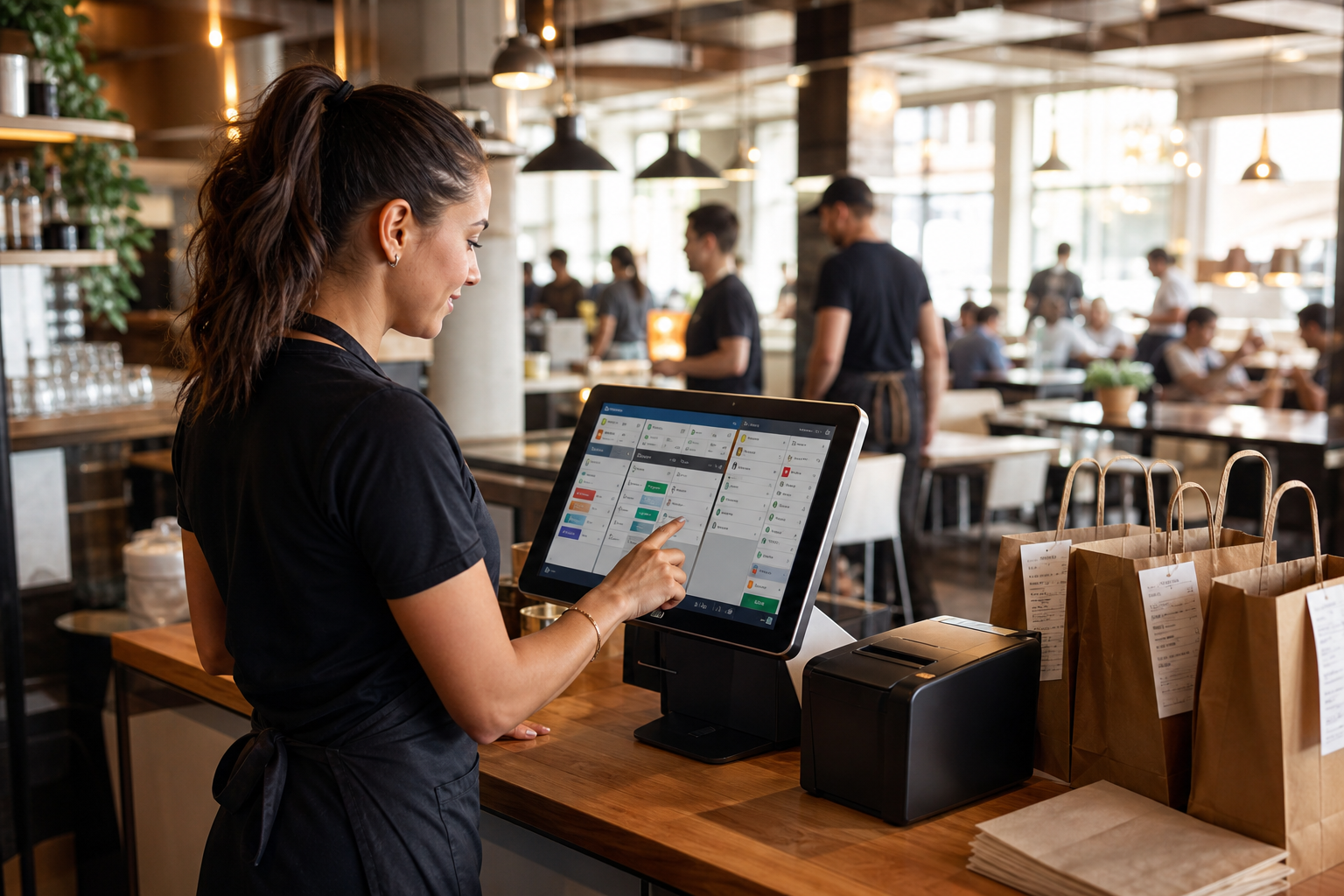
- Hinnastus: tarkvara on Pro-kasutajatele tasuta. Läbipaistvad igapäevased mahaarvamised kaardimakse käibelt hoiavad ära kuu lõpus tekkiva arvešoki. Tutvuge kõigi võimalustega Spindli hinnastamise lehel.
- Peamised funktsioonid: otsesed API-liidestused edastavad e-tellimused (DoorDash, Uber Eats jpt) otse ühtsesse järjekorda ja köögiekraanile, tagades kuni 98,5% tellimuste täpsuse. Süsteem pakub reaalajas laoarvestust läbi integreeritud laotarkvara ning erakordselt lihtsat liidest, mille selgeks õppimine võtab uuel töötajal vaid paar minutit.
- Tehisintellekti tugi: Spindl ühildub platvormiga AgenticPOS, võimaldades restoranijuhtidel teha haldustoiminguid (nt menüü- ja hinnamuudatused, töögraafikud ja aruandlus) AI-vestlusrobotite vahendusel (Claude, ChatGPT või Slack).
- Kellele sobib: toitlustusettevõtetele, kes otsivad kõik-ühes kassasüsteemi koos integreeritud kullerteenuste liidestustega, et vabaneda ülearustest seadmetest.
Lightspeed Restaurant: Andmeanalüüsi spetsialist
Lightspeed on loodud tipprestoranidele (fine dining) ja laienevatele toitlustuskettidele, mis vajavad ülidetailset aruandlust ning võimalust jälgida tellimusi kasvõi lauakohtade kaupa.
- Hinnastus: tarkvarapaketid algavad $69/kuu (Starter), $189/kuu (Essential) ja $399/kuu (Premium), kusjuures iga lisakassa litsents maksab $59/kuu. Lightspeed Paymentsi kaardimaksetasu kohapealsetelt tehingutelt algab määrast 2,6% + 10 senti.
- Peamised funktsioonid: tellimuste jagamine istekohtade kaupa, detailne saaliplaan, paindlikult kohandatavad menüüd ning põhjalik lao- ja müügianalüütika.
- Puudused: teenindajatele mõnevõrra keerukam õppida ning mitme kassa kasutamisel kasvavad igakuised litsentsitasud kiiresti.
Clover: Kiirteeninduse tõhususmeister
Clover on usaldusväärne valik kiirtoidukohtadele ja suure koormusega letiteenindusele, kus hindatakse sisseehitatud tšekiprinteriga nägusaid riistvaraterminale.
- Hinnastus: tarkvarapakett Full-Service Restaurant algab $84,95/kuu, millele lisandub Station Duo terminali ostuhind $1699. Kohapealsete kaardimaksete tasu algab määrast 2,3% + 10 senti, e-müügilt ja käsitsi sisestatud tehingutelt 3,5% + 10 senti.
- Peamised funktsioonid: esinduslik disain, laudade ja saaliplaani haldus ning ülikiire maksete sooritamine.
- Puudused: suured esmased investeeringud riistvarasse, pikaajalised lepingud ning vähem kohandamisvõimalusi keerukama saalikorralduse puhul.
TouchBistro: Võrguvaba töö iPadide spetsialist
TouchBistro on iPadidele ehitatud kassalahendus söögikohtadele, kus internetiühenduse kõikumise tõttu on kriitiliselt tähtis lokaalse võrgu töökindlus.
- Hinnastus: pelgalt tarkvarapakett algab $69/kuu, riistvara ja maksetöötlust sisaldav Essentials Bundle aga $119/kuu. Tehingutasud lepib TouchBistro Payments igale kliendile kokku individuaalselt.
- Peamised funktsioonid: stabiilne võrguühenduseta töö kohalikus iPadi-võrgus, lauas tellimine, saaliplaani kohandamine ja menüühaldus.
- Puudused: individuaalne tehingutasu hinnastamine teeb kulude prognoosimise keeruliseks ning lisafunktsioonid nõuavad tasulisi mooduleid.
Omaniku kogukulu arvutamine
Kassasüsteemi vahetus mõjutab restorani kasumlikkust märksa enam kui vaid kaardimaksetasude tasemel. Kaasaegsed integreeritud lahendused võivad tõsta laudade käivet kuni 20%, vähendada tellimisvigu 20–35% ning hoida töötundidelt kokku 5–12%.
Enne lõpliku otsuse langetamist tasub teha järgmist:
- Hinnake pikaajalist tasuvust (ROI): arvutage mitme aasta lõikes kokku riistvara-, tarkvara- ja tehingukulud, võttes aluseks kassasüsteemi uuendamise tasuvusanalüüsi.
- Kaardistage vajalikud liidestused: siduge müük otse tooraine laoseisuga, uurides kassasüsteemi ja laohaldustarkvara liidestamise juhendit ning põhjalikku kassasüsteemi integratsioonide juhendit.
- Lihtsustage tiimi väljaõpet: tehke uuele süsteemile üleminek valutuks, rakendades järeleproovitud töötajate koolitusstrateegiaid, mis aitavad meeskonnal uue kassa selgeks saada vaid 1–2 vahetusega.
- Pöörake andmed kasumiks: analüüsige müügi- ja roogade populaarsuse aruandeid ning eemaldage menüüst vähepopulaarsed positsioonid, rakendades kassasüsteemi analüütika parimaid praktikaid.

Restorani tehnoloogiapargi uuendamine
Kassasüsteemi eesmärk on kasvatada tulu ja muuta teenindus sujuvamaks – mitte tekitada täiendavat bürokraatiat ja seadmete kaost. Kui liidate müügikanalid, laoarvestuse ja maksed ühte mugavasse süsteemi, kaitsete oma äri kasumimarginaale juba esimesest päevast.
Selleks et lõpetada seadmetega žongleerimine ja võtta restorani kasumlikkus taas enda kätesse, tutvuge Spindli kõik-ühes funktsioonidega ning laia liidestuste valikuga. Lisaks võite proovida tasuta lahendust AgenticPOS, et juhtida oma olemasolevat kassasüsteemi tehisintellekti agentide abil kasvõi kohe.