Restaurant work: expectations vs reality
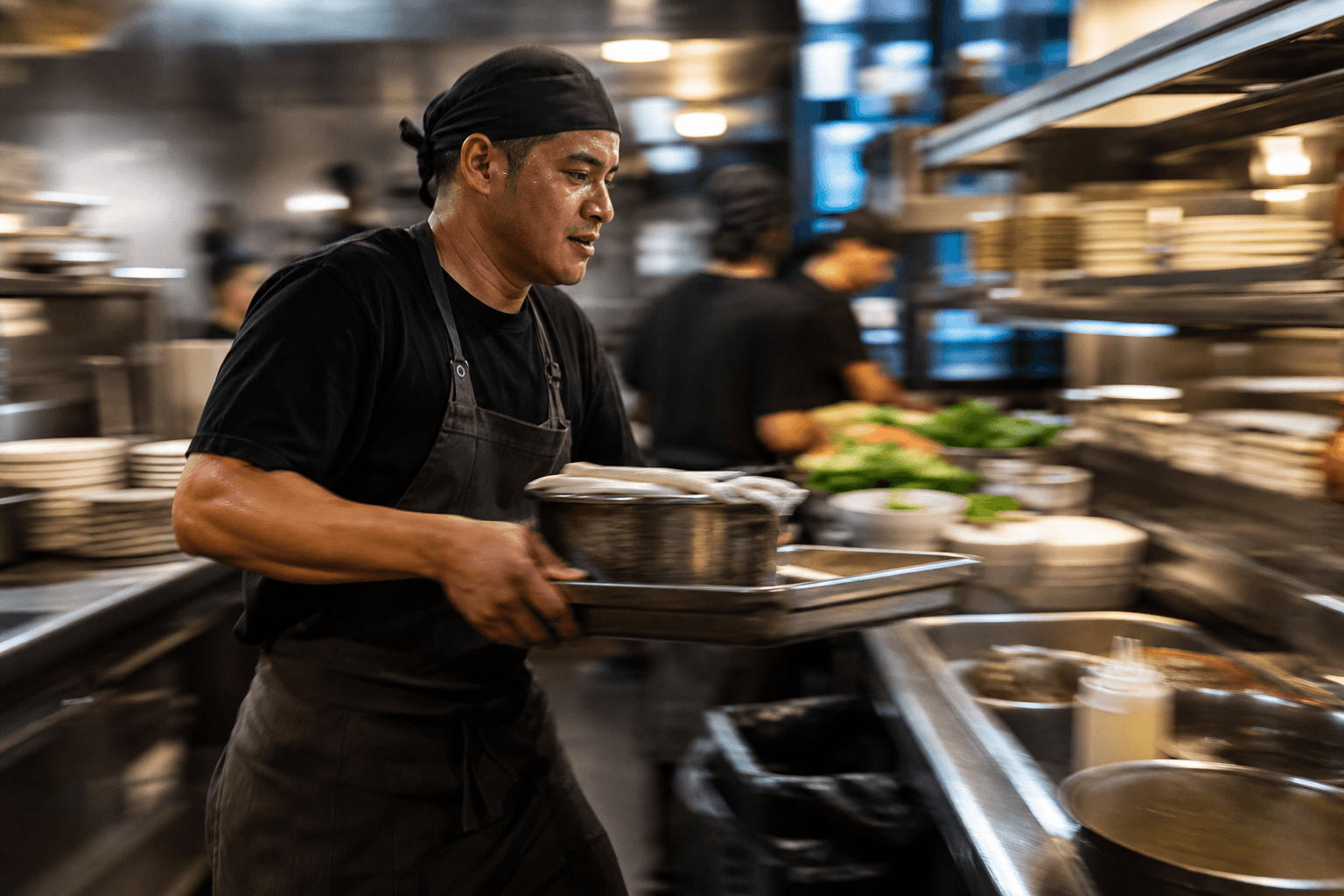
Thinking about taking a restaurant job but wondering if you can handle the shift? Food service accounts for nearly 8.7% of all U.S. jobs, offering fast hiring and zero degree requirements. Here is what daily duties, physical safety, pay structures, and rush hours actually look like.
What daily duties look like across the floor
Daily expectations depend on which side of the kitchen pass you work on. Front-of-house roles like servers and hosts focus on taking orders, serving food, clearing tables, and managing payments. Back-of-house roles like line cooks and prep cooks handle meal preparation, knife work, and station setup.
You do not need prior experience or formal culinary education to start. Most restaurants rely on on-the-job onboarding. Essential skills for success include:
- Active listening and clear oral communication
- Social perceptiveness and service orientation
- Multitasking under time pressure
- Quick coordination with teammates
According to industry benchmarks, new hires typically reach basic task competency within 7 to 14 days, achieving complete station independence between 60 and 90 days. Having a structured staff training program or clear kitchen staff onboarding framework helps new team members build confidence quickly without feeling overwhelmed.
Physical demands and essential safety guidelines
Restaurant work is physical. You spend almost your entire shift standing, walking, or carrying heavy trays and bus tubs. Staying safe requires strict adherence to workplace standards.
Safety protocols outlined by regulatory standards protect workers from common floor hazards:
- Slips, trips, and falls: Wear slip-resistant shoes with low heels, clean up spills immediately, and use rubber mats in wet areas.
- Sharp tools: Store knives in designated racks, never leave them soaking in soapy sinks, and use cut-resistant gloves during prep work.
- Heat and burns: Use dry potholders or mitts, turn pot handles away from stove edges, and allow hot oil to cool before handling.
- Heavy lifting: Keep loads close to your body and lift using your legs rather than your back.
- Hand hygiene: Wash hands for at least 20 seconds with warm water and soap at designated handwashing sinks before preparing food and after changing tasks.
- Illness reporting: Report symptoms like vomiting, diarrhea, jaundice, or fever immediately to managers to prevent foodborne disease transmission.
Schedules, pay structures, and tip regulations
Flexibility is a defining feature of food service, but unpredictability comes with it. U.S. Bureau of Labor Statistics data shows that work schedules vary for 90.3% of waiters and waitresses, with shifts frequently covering late nights, weekends, and major holidays.
Pay structures differ depending on your position:
- Tipped employees: Under federal law, employees who regularly receive more than $30 per month in tips may be paid a direct cash wage of at least $2.13 per hour, with employers taking a tip credit up to $5.12 per hour to meet the federal minimum wage of $7.25 per hour.
- Total compensation: If direct cash wages plus tips do not equal $7.25 per hour, the employer must make up the difference. Tips belong exclusively to employees and cannot be kept by managers.
- Average earnings: National wage data indicates a median wage of $16.94 per hour for waiters and waitresses and about $15.00 per hour for fast food and counter workers.
Navigating high stress and handling customer complaints
When the dinner rush hits, ticket volume spikes fast. Restaurant work scores high on stress scales, with chronic understaffing and tight shift pacing creating burnout risk.
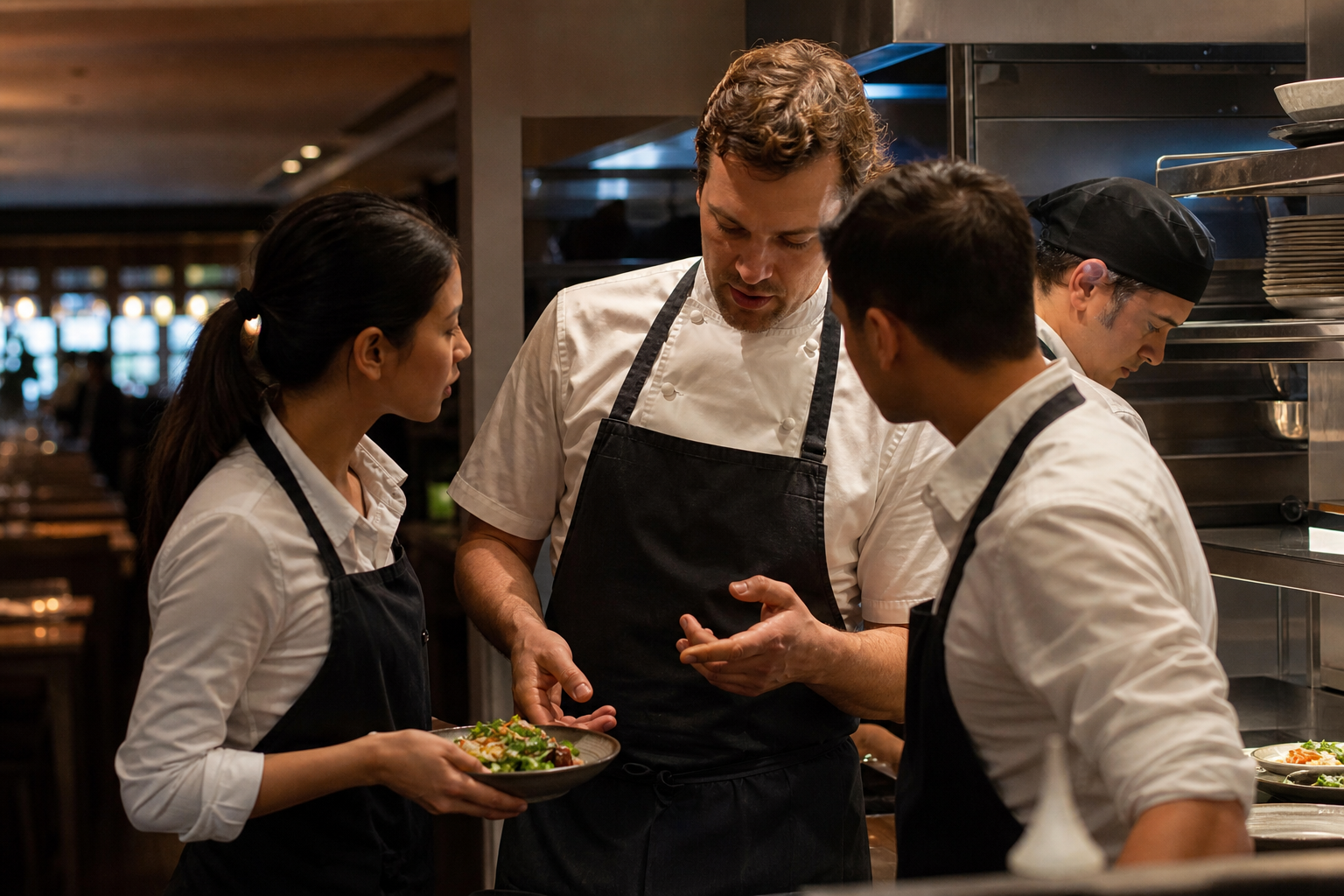
To manage shift pressure, practice simple reset techniques like box breathing (inhaling for 4 seconds, holding for 4, exhaling for 4, and holding for 4). Fostering strong team communication reduces chaos when orders pile up.
Handling guest complaints is another crucial skill. When an issue arises, listen actively without interrupting, express sincere empathy, and offer a swift solution. Mastering these complaint handling strategies turns dissatisfied guests into loyal regulars and protects your tips. Understanding customer service fundamentals and using tools to prevent employee stress problems keeps daily service running smoothly.
Leveraging tech to simplify your shift
Modern technology removes much of the administrative headache from daily restaurant shifts. Operating with separate tablets for delivery apps and clunky hardware slows order entry and creates unnecessary friction.
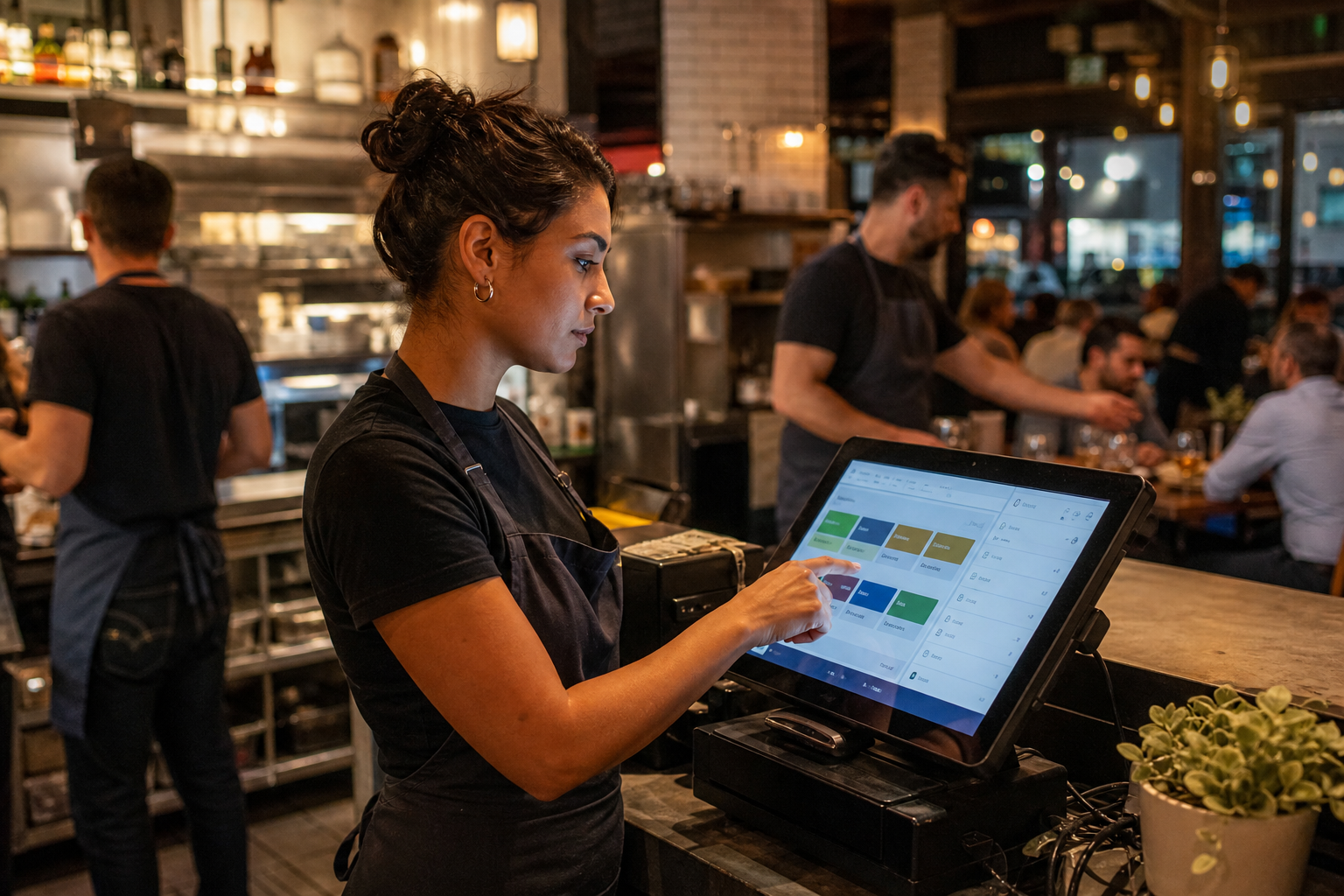
Using consolidated tools like Spindl POS features allows staff to handle dine-in, takeaway, and delivery orders on a single screen. New team members learn the system in minutes without memorizing complex user manuals. For operators looking to automate back-office operations and shift management, solutions like AgenticPOS enable managers and staff to query sales, inventory, and schedules directly through natural chat interfaces like Slack or AI copilots. Proper POS training for restaurant staff accelerates shift speed and lowers order error rates.
Take the next step in your hospitality career
Working in a restaurant builds unmatched skills in communication, crisis management, and multitasking. While physical demands and fast shift paces require resilience, working with the right tools and supportive management makes all the difference.
Discover how modern POS platforms streamline daily operations and reduce shift stress by testing out Spindl today.