How to prevent restaurant staff burnout and costly turnover
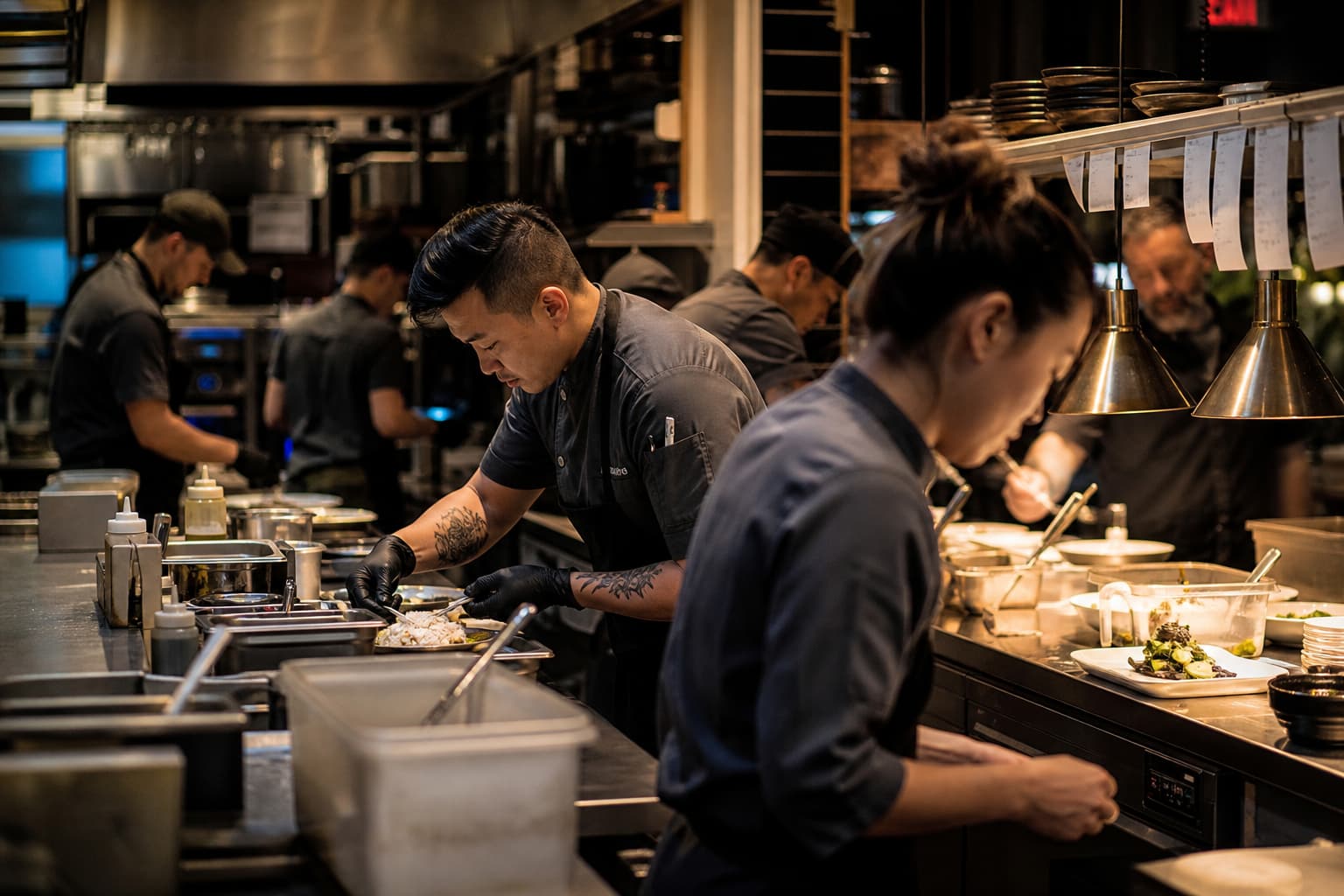
Did you know that hourly restaurant turnover can reach a crushing 135%? Working under constant peak-hour pressure wears your team down, hurts your bottom line, and drives good people away. Here is how to spot the warning signs and build a stress-resilient restaurant operation.
Why burnout is a restaurant crisis
The restaurant industry faces intense, daily operational stress. According to Black Box Intelligence, hourly employee turnover in limited-service restaurants was 135% in Q3 2024, while full-service hourly turnover sat at 96% [EXT11]. Furthermore, restaurant management turnover remains stubbornly high, resting at 55% for limited-service and 38% for full-service [EXT11].
This is not just a staffing headache; it is an expensive business problem. Every time an experienced worker walks out, it costs your business upward of $5,000 in recruiting and onboarding, not to mention the operational disruptions and lost efficiency [EXT5, EXT11].
Defining and recognizing burnout
To tackle this issue, we must understand what we are fighting. Workplace burnout is an occupation-related syndrome resulting from chronic workplace stress that has not been successfully managed [EXT21]. It manifests in three distinct ways: ongoing emotional exhaustion, psychological distance or negativity toward the job, and feelings of inefficacy [EXT21].
Keep an eye out for these clear warning signs among your team:
- Detachment, irritability, or emotional exhaustion during busy shifts.
- Physical fatigue, slower ticket times, or recurring service errors.
- Slipped performance, such as chronic lateness, missed shifts, or a sudden drop in the quality of work.
- Feelings of helplessness or overwhelm, especially when the kitchen is "in the weeds."
The root causes of restaurant stress
Why do restaurants breed such high levels of anxiety? Understanding the underlying challenges of working in a restaurant is the first step toward fixing them:
- Persistent understaffing: When your restaurant doesn't have enough staff to meet demand, the burden falls on the remaining crew. This forces them into longer hours and a vicious cycle of physical exhaustion [EXT6]. You can learn more about why this occurs by analyzing why are restaurants understaffed to better protect your team.
- High-pressure peaks: Managing a heavy workload during dinner rushes while keeping ticket times low creates intense, sustained stress [EXT24].
- Unpredictable changes: Fluctuating food costs, supply chain gaps, and changing guest expectations require staff to adapt constantly on the fly [EXT6].
- Lack of clear pathways: Employees who do not see opportunities for career growth feel trapped, which kills motivation and accelerates turnover [EXT1].
- Work-life imbalance: Irregular scheduling, lack of paid time off, and last-minute shift changes make it hard for workers to manage their personal lives [EXT18, EXT24].
Practical management strategies to reduce stress
To protect your team and bottom line, you must implement proactive changes. Here are actionable steps to optimize workloads and support your staff:
Establish fair and predictable scheduling
Avoid the stress of late schedules. Give your team enough time to plan their personal lives. Providing stable, predictable schedules and posting them at least 14 days in advance can reduce your turnover by up to 40% [EXT1]. You can review these strategic restaurant shift scheduling tips to streamline your scheduling processes. Using digital tools to factor in staff availability and preferences ensures fairness and keeps team morale high [INT2].
Redesign onboarding and training
Throwing a new hire straight onto a busy line without preparation is a recipe for instant burnout. Implementing a structured training program for kitchen staff with a clear 30/60/90-day plan helps build confidence step-by-step [INT3]. Similarly, using a standardized training program for restaurant staff ensures every server and host knows exactly what is expected, removing confusion during frantic shifts [EXT1].
Promote cross-training
When a key team member calls out, the shift shouldn't collapse. Cross-training front-of-house staff to handle basic kitchen prep or cleaning helps prevent bottlenecking during unexpected rushes [INT5]. This shared burden dramatically reduces pressure on individual workers.
Mandate real shift breaks
Do not let breaks become optional. Schedule them as non-negotiable slots. Encourage micro-breaks during long shifts to let employees step away and reset [EXT1].

Foster open, empathetic communication
Align your management style with official OSHA workplace stress guidance [EXT18]. Reassure your staff that they are not alone, that asking for help is a sign of strength, and that there is no shame in feeling anxious during hard shifts [EXT18]. Use simple, shame-free signals like a green, yellow, or red card system at stations so staff can indicate their stress levels before they hit a breaking point.
Build clear advancement tracks
People stay when they see a future. Define clear promotional paths and run regular, constructive reviews [EXT1]. Showing a server how they can progress to a shift lead or assistant manager gives them a sense of control and purpose, which are excellent natural buffers against burnout [EXT21].
The technology solution: cutting manual friction
When your staff has to juggle multiple delivery tablets, fight a slow point-of-sale system, and manually track inventory, it multiplies their cognitive load.
Instead of letting technology be a stressor, use it to streamline operations. Centralized restaurant software reduces manual tasks, coordinates online ordering, and simplifies communication [EXT1].
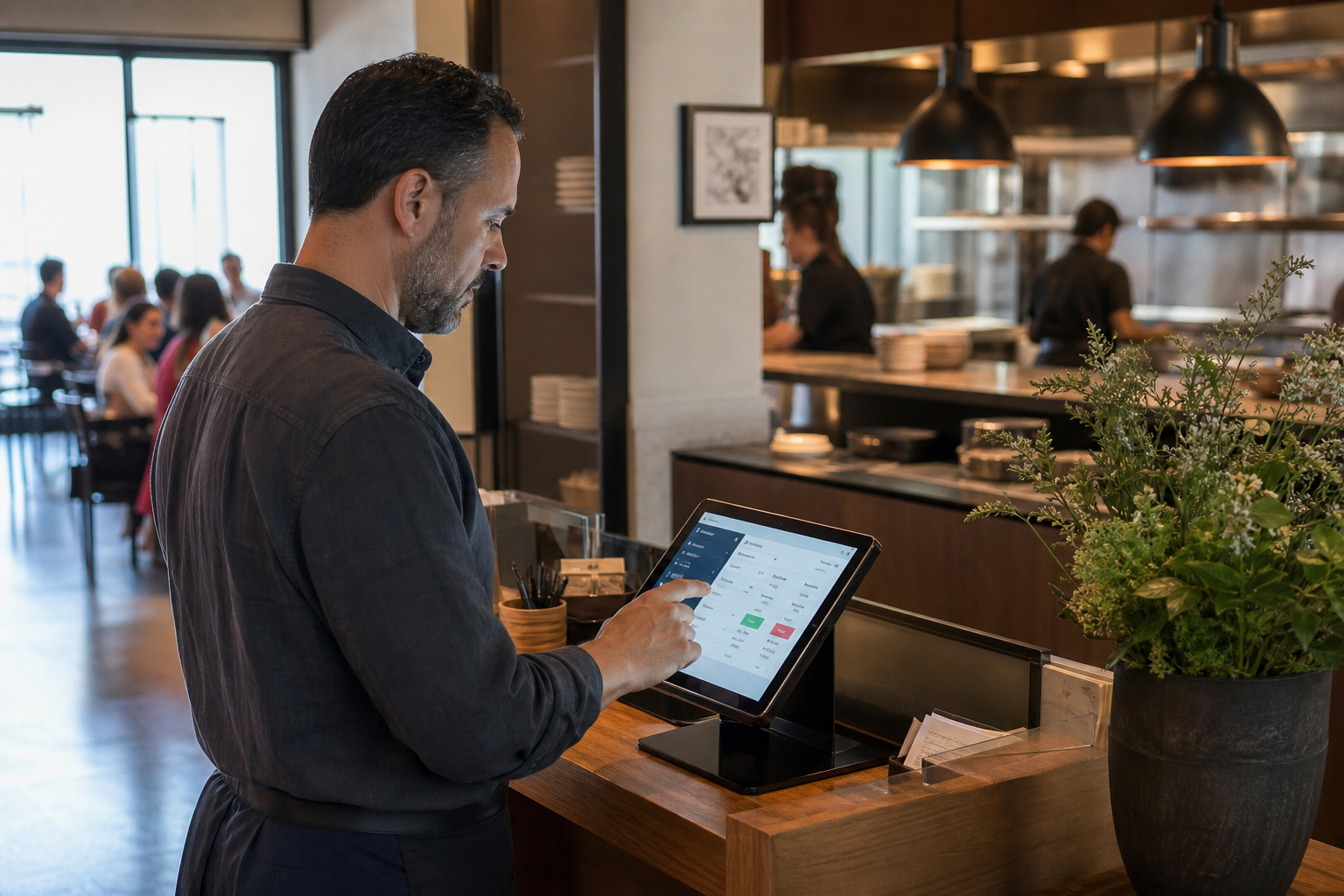
If you are looking for ways to streamline employee scheduling, time-tracking, and payroll, evaluating the best HR software for restaurants is a great place to start. To manage your entire front-of-house, reviewing the top restaurant management software will help you find the right system to eliminate order errors and reduce staff stress.
How Spindl and AgenticPOS work hand-in-hand
Operating with a fragmented tech stack creates unnecessary friction. Spindl solves this by acting as the world's first agentic restaurant OS. It consolidates ordering, delivery marketplaces, point-of-sale, and analytics onto a single device [INT1]. This unified workflow slashes employee training times and eliminates the chaotic "tablet farm" that stresses out front-of-house teams.
To take stress reduction further, the Spindl team developed AgenticPOS. It is an AI-powered MCP server that lets managers and operators control their existing POS using simple chat commands through Claude, ChatGPT, or Slack. You can manage shifts, check real-time reporting, update menus, or adjust pricing without clicking through complicated dashboards.
These systems work hand-in-hand. You can start completely free with AgenticPOS on the POS system you already have. When multi-location work starts hurting, you can easily scale into Spindl Pro. Move to the full Spindl OS only when you are ready to retire your old, clunky tech stack.
Prioritizing your team's mental well-being is a smart, defensive strategy to keep your restaurant profitable and consistent. By streamlining your training, offering predictable schedules, and eliminating technological friction, you can dramatically lower your turnover rates and build a culture where employees want to stay.
Ready to simplify your daily operations and lift the burden from your staff? Start using AgenticPOS for free today, or explore how the all-in-one Spindl platform can transform your kitchen's efficiency.