How to master restaurant supply chain management

Is your profit margin bleeding out through kitchen waste and price hikes? The USDA reports that 31% of the U.S. food supply goes to waste annually, totaling approximately $162 billion. Mastering restaurant supply chain management is your primary defense against shrinking margins.
Receiving and inventory control at the back door
To maintain a healthy P&L, target overall food costs between 28–32% of revenue. Tight supply chain execution starts the second delivery trucks arrive at your back door.
- Strict receiving protocols: Inspect all deliveries directly against purchase orders and invoices. Verify delivery temperatures – refrigerated goods must arrive at 40°F or lower, and frozen items at 0°F or below.
- First-In, First-Out (FIFO): Mark incoming containers with arrival dates or color-coded tape. Always rotate older stock to the front to minimize food spoilage.
- Consistent counting systems: Enforce a standardized shelf-to-sheet counting order after closing. Weigh high-cost proteins daily using digital scales.
- Variance auditing: Calculate inventory variance weekly. Target a variance under 2%; any spike past 5% signals theft, excessive prep trim, or portioning issues.
Adopting verified restaurant inventory management best practices keeps stock fresh and maintains 4–8 inventory turns per month without tying up cash flow.
Data-driven purchasing and vendor management
Manual reordering creates bloated storage rooms or crippling menu stockouts. Efficient operations leverage structured purchasing controls and dynamic reorder points.
- 30-day velocity pars: Set par levels and automatic reorder triggers using actual 30-day sales data rather than gut feelings.
- Three-way matching: Reconcile purchase orders, receiving logs, and vendor invoices to eliminate billing errors before payments settle.
- Supplier scorecards: Review suppliers monthly on pricing accuracy, fill rates, and on-time delivery performance.
- Vendor diversification: Maintain secondary approved suppliers for high-volume items to shield your kitchen from unexpected delivery delays.
Aligning vendor agreements with restaurant budgeting tips ensures wholesale ingredient costs protect your contribution margins.
Integrating POS and real-time inventory tracking
Static spreadsheets crumble when order volume spikes across dine-in, online ordering, and delivery apps. Disjointed devices lead to a chaotic service counter.
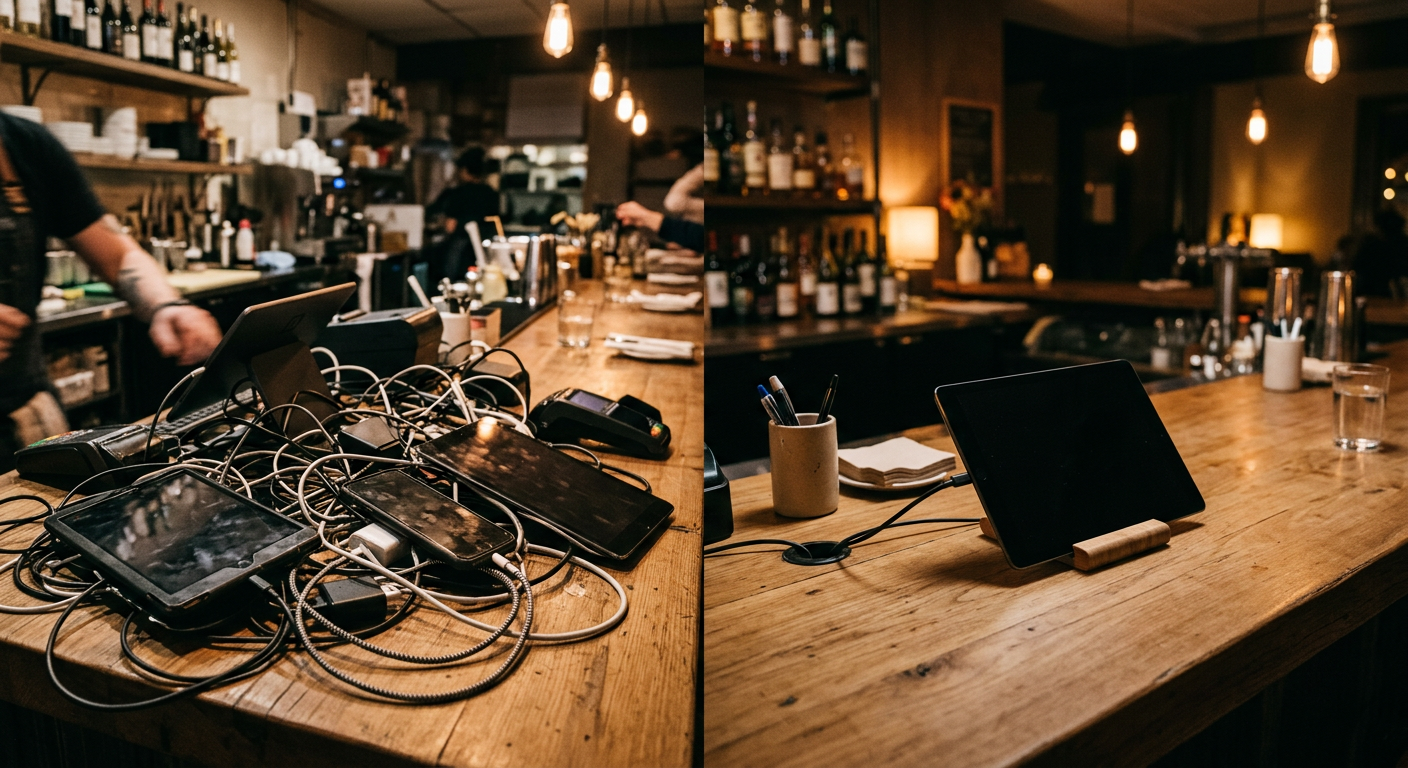
By integrating POS with inventory management systems, every customer transaction immediately depletes stock down to the ingredient level. Selling a burger automatically deducts 6oz of ground beef and a brioche bun from your digital inventory. This level of synchronization eliminates manual data entry and prevents costly inventory mismatches. Utilizing dedicated Spindl inventory management tools generates low-stock alerts before ingredients run out during a rush.
Scaling supply chain controls across multiple locations
Managing a single kitchen is demanding, but scaling across multiple units multiplies supply chain complexity. Without centralized controls, consistency breaks down across stores.
- Establish a centralized product database to keep ingredient SKUs, units of measure, and costs uniform across all stores.
- Standardize prep sheets and recipe yields across every kitchen to maintain strict portion control.
- Track channel profitability to analyze how delivery platform fees impact your true food margins.
Applying targeted multi-location restaurant management tips creates a single source of truth for vendor pricing, stock transfers, and menu updates. Choosing the best restaurant inventory management software ensures that expanding multi-unit concepts keep total food variance under control.
Managing operations with AI agents and AgenticPOS
Modern supply chain control goes beyond static dashboards. With AgenticPOS, operators can manage back-office kitchen operations directly through natural language chat.
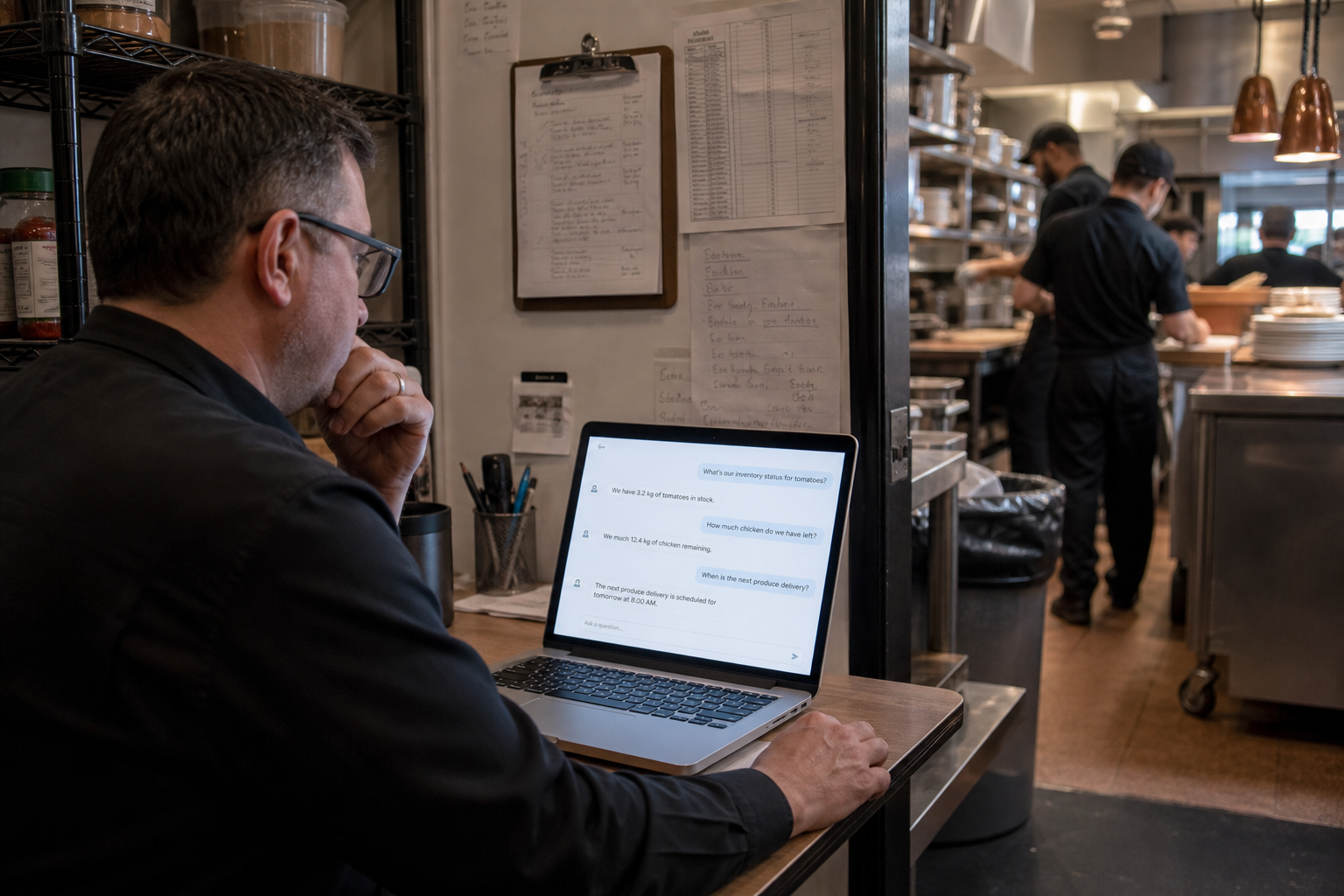
AgenticPOS operates as an open MCP server that connects to your existing point of sale, offering over 140 agent-callable tools. You can query stock levels, adjust menu prices across stores, or check item margins simply by messaging Claude, ChatGPT, or Slack. You can start free with AgenticPOS on your current POS system to automate daily management tasks without replacing hardware.
Unifying your entire operation with Spindl
When you are ready to retire fragmented middleware and tablet setups, the complete Spindl POS platform consolidates order taking, delivery management, inventory, and analytics into one device.
Spindl links live sales directly to ingredient tracking, protecting your bottom line and preventing stockouts before they happen. Paired with AI agent tools, Spindl delivers instant visibility and effortless control for single locations and growing chains alike. Explore our guide on best restaurant management software and see how Spindl can help you reclaim up to 5% of your food costs in your first 90 days.