What is a restaurant POS system and how it works
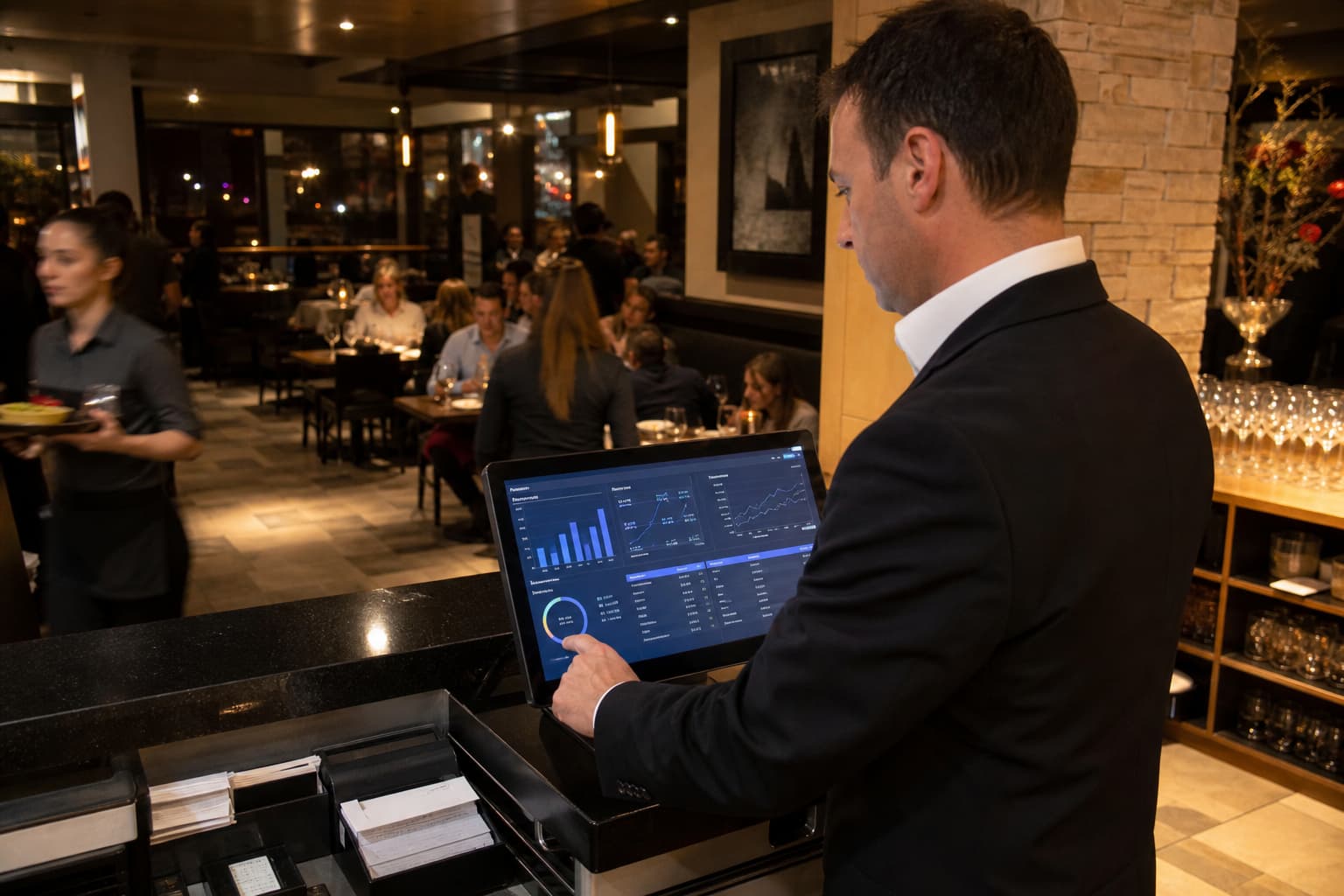
Are you still running your restaurant by juggling paper tickets and five delivery tablets? A modern point of sale (POS) is your operational engine, connecting front-of-house ordering directly to kitchen display systems, live inventory, and real-time payment processing.
The core function of a restaurant POS
A restaurant Point of Sale (POS) system is the central digital hub where all sales transactions, kitchen communication, and back-office data converge. Historically, cash registers simply stored money and printed receipts. Today, an integrated restaurant POS system coordinates the complete dining lifecycle – from guest ordering to ingredient deductions and financial reporting.
Think of your POS as the operating system for your venue. Modern platforms offer an intuitive experience designed for fast execution, while legacy systems feel like outdated gadgets. Operating with fragmented software slows down service. An integrated system unifies every order channel into one screen.
How restaurant POS hardware, software, and payments work
At its foundation, a point-of-sale platform combines physical hardware with intelligent cloud software to manage workflows in real time.
POS hardware components
- Touchscreen terminals: Front-of-house counter units built for quick order entry and check splitting.
- Kitchen display systems (KDS): Digital screens mounted in prep areas that instantly display incoming orders, ticket timers, and modification details.
- Mobile handheld tablets: Portable devices enabling servers to capture orders and accept payments directly at the table.
- Receipt printers and payment terminals: Hardware designed for clear guest receipts and secure card reading.
Software logic and data security
The POS software acts as the engine, processing orders, applying menu rules, and tracking employee shifts. When a customer pays, card data moves through encrypted channels.
All U.S. restaurants that store, process, or transmit cardholder data must comply with the Payment Card Industry Data Security Standard (PCI DSS). Industry standards outlined by the National Restaurant Association emphasize that restaurants remain responsible for protecting card data even when using third-party payment gateways. Core security layers like end-to-end encryption and tokenization replace raw card numbers with secure tokens. Through solutions like Spindl Pay, card authorizations clear securely, and funds are settled directly to your business account within one to two business days.
Key features that transform restaurant operations
Modern platforms go beyond taking payments. They eliminate operational bottlenecks across every shift.
Unified order management and accuracy
Manual order entry creates friction and costly mistakes. When dine-in, takeaway, online ordering, and third-party apps flow into a single queue, ticket errors drop significantly. You can read more about how digital ordering workflows prevent costly kitchen remakes in our guide on the impact of POS on order accuracy. Native app sync through third-party integrations removes the need for extra tablets on the counter.
Real-time inventory tracking
When your register is tied directly to your pantry, every sale updates stock levels automatically. For instance, selling a buffalo chicken sandwich immediately deducts the chicken, sauce, blue cheese, and brioche bun from on-hand counts.
- Recipe-level deductions: Map menu items directly to raw ingredients for exact usage tracking.
- Low-stock alerts: Receive automatic notifications before key ingredients run out during peak service.
- Variance control: Compare theoretical usage against actual physical stock to catch portion creep or waste.
To learn more about setting up ingredient tracking, explore our guide on integrating POS with inventory management systems or see how real-time inventory management protects profit margins.
Real-time analytics and server metrics
Data gives operators total clarity. Instead of waiting for weekly financial reports, live business intelligence dashboards track hourly sales velocity, average check sizes, and labor ratios. A study published in Production and Operations Management highlights that POS transaction data helps managers evaluate server performance and refine table-allocation strategies.
Combining live sales data with kitchen throughput allows you to optimize shift scheduling and menu pricing on the fly. Discover how live metrics drive faster service in our article on real-time sales data analysis in restaurants and see how operators use data to streamline workflows in our deep dive on streamlining operations with POS and analytics.
POS deployment options: Cloud, mobile, and self-service
Selecting the right deployment model depends on your service style and layout.
- Cloud-based POS: Runs on remote servers, letting you inspect sales figures, adjust menu pricing, or run payroll from anywhere with an internet connection.
- Mobile handheld terminals: Allows servers to take tableside orders and fire items directly to the kitchen without walking back to a fixed station.
- Self-service kiosks: Gives guests full control over ordering, driving higher check averages through structured, automated upselling prompts.
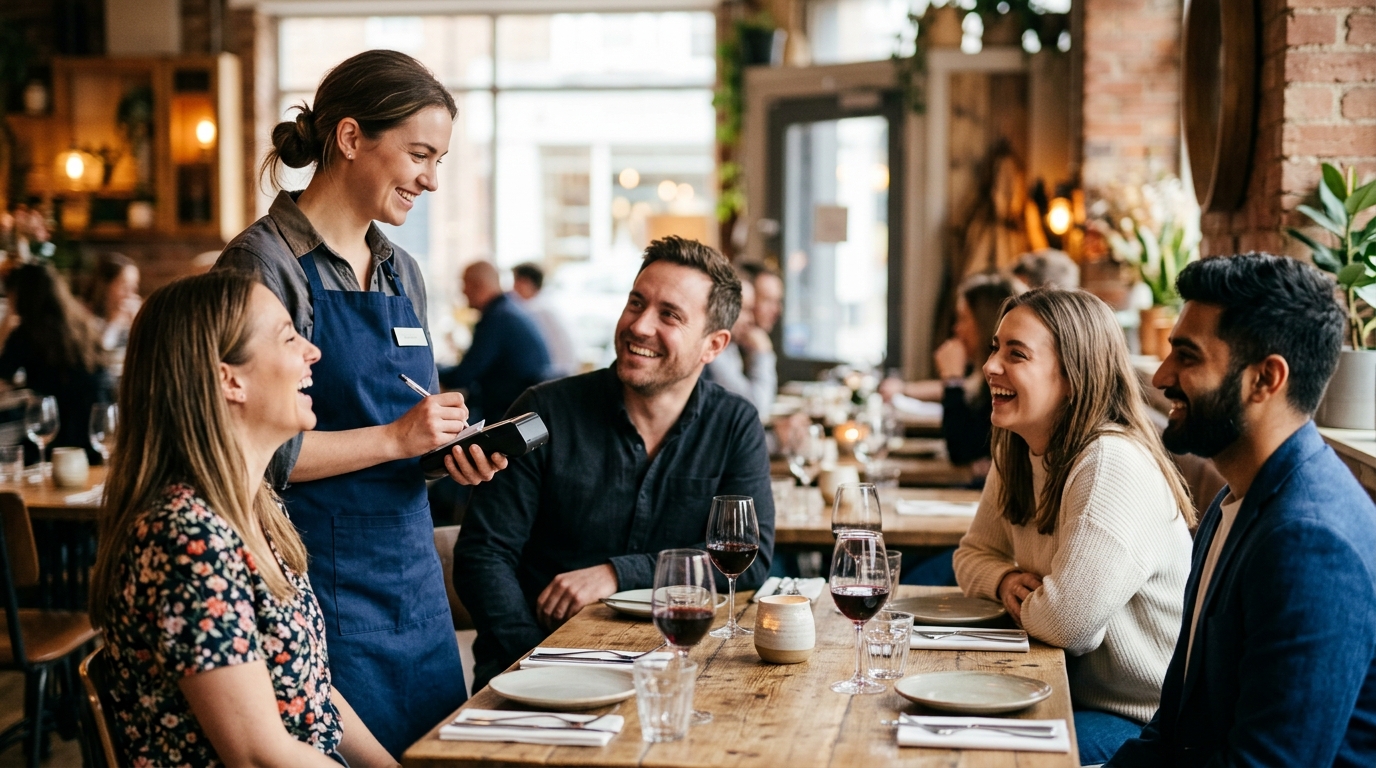
For a broader overview of how modern cloud architecture boosts operational efficiency, check out our report on the key advantages of POS system in restaurant environments.
Automated POS workflows and AI control
AI automation is redefining how management interacts with venue software. Instead of clicking through complex web dashboards, operators can now execute back-office tasks using plain language commands.
Through AgenticPOS, an open MCP server connects AI models directly to your existing POS. Managers can update pricing across multiple locations, inspect real-time margins, check shift schedules, or fire promotional updates inside tools like ChatGPT, Claude, or Slack.
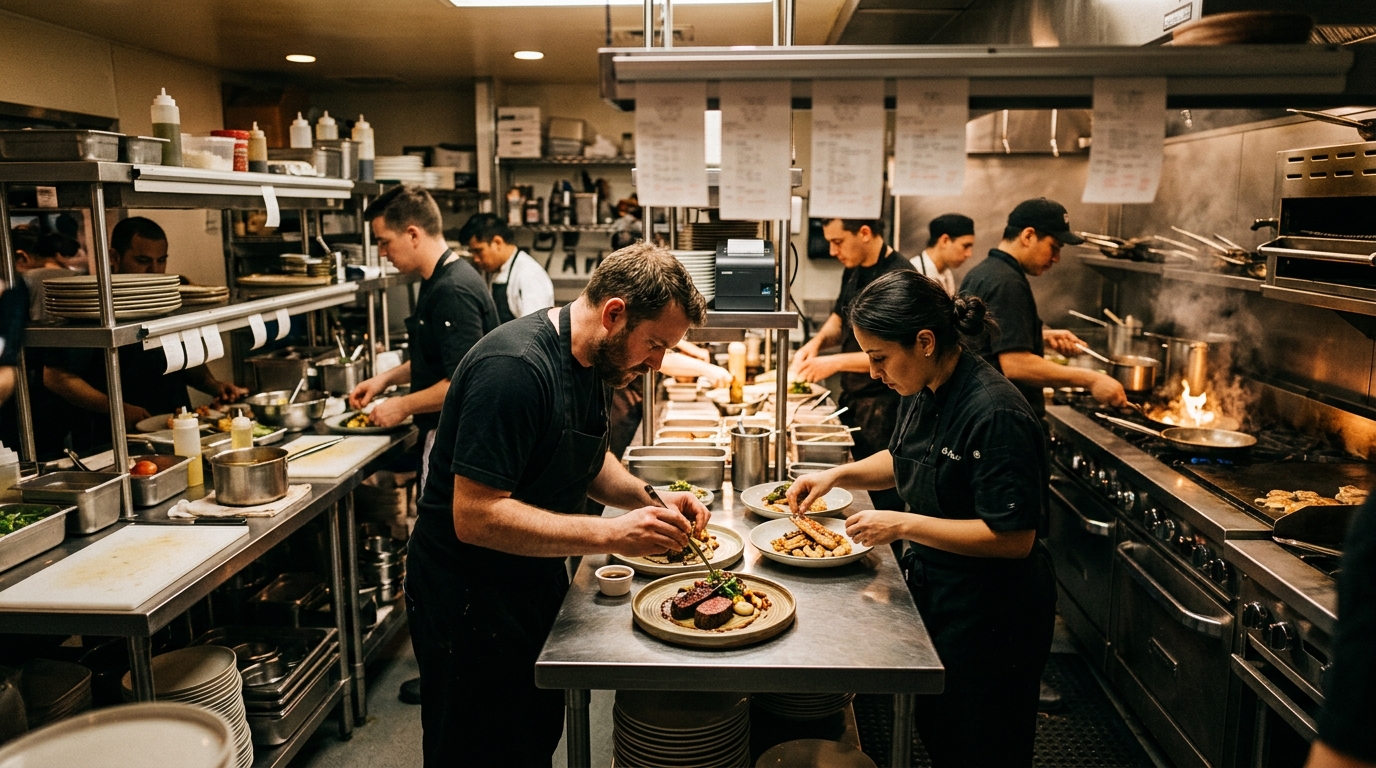
Combining automated workflows with native AI agent capabilities helps prevent labor bottlenecks and speeds up back-office tasks. You can read more about conversational menu management in our guide on restaurant POS automation with AI agents.
Upgrading your restaurant operating system
A point of sale is no longer just a cash drawer; it is the technological engine that drives kitchen speed, inventory control, and business profitability. Modern platforms eliminate manual data entry, streamline multi-channel orders, and give managers instant visibility into labor and sales.
You can start optimizing your existing setup for free using AgenticPOS to run daily tasks through AI chat. When you are ready to replace fragmented legacy hardware with an all-in-one operational platform, discover how Spindl unifies ordering, payments, kiosks, and analytics into a seamless system.