Hotel and restaurant marketing strategies that drive revenue
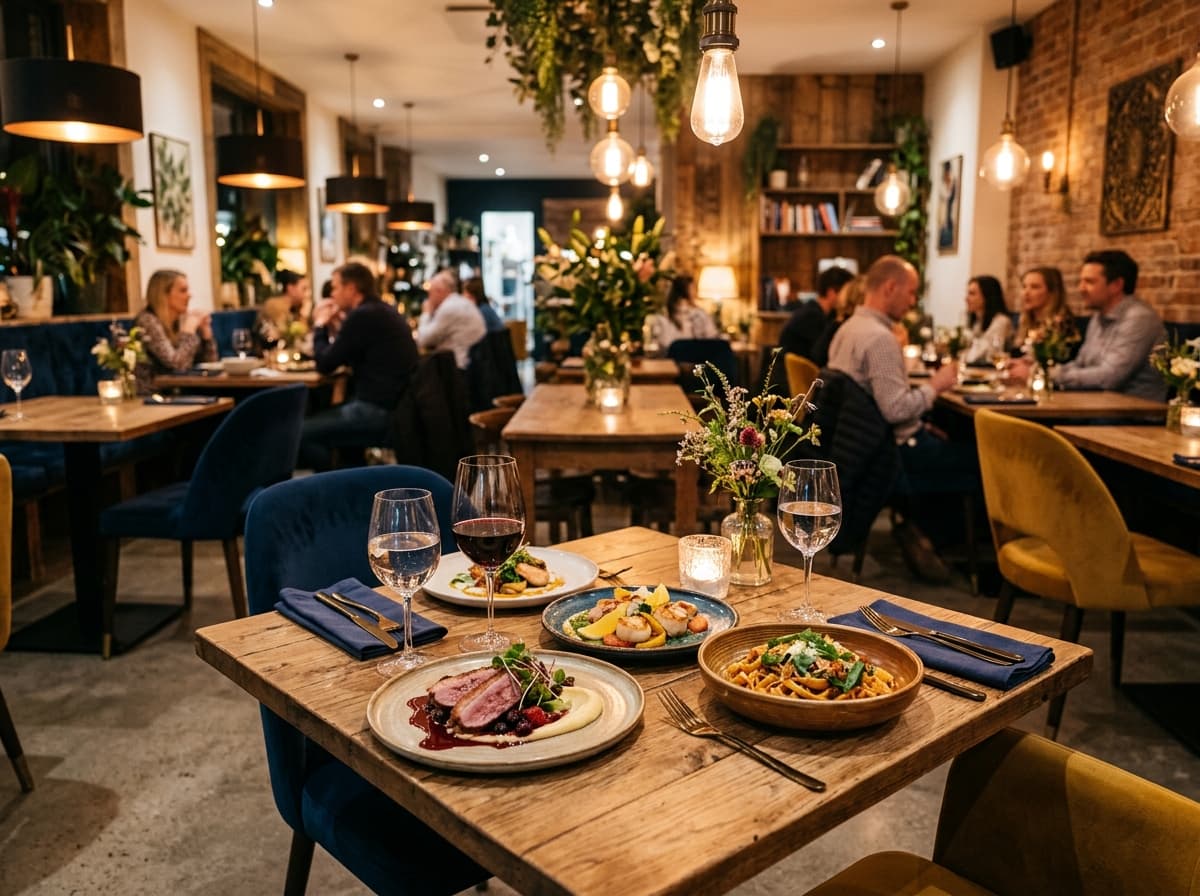
Are empty tables and vacant rooms burning through your margins? Strategic marketing isn't about posting random photos on social media – it's a system to attract guests, maximize check sizes, and drive repeat bookings consistently. Here is how to turn casual visitors into loyal regulars.
A 7-step marketing planning framework
Random promotions waste capital. A structured planning framework keeps your promotional spending tied directly to cover counts and revenue.
- Define your unique selling proposition: Identify what makes your venue distinct, whether it is locally sourced ingredients, signature cocktails, or an unbeatable rooftop view.
- Set specific, measurable goals: Focus on targets like increasing midweek covers by 15% or boosting direct booking margin.
- Identify target audience personas: Build profiles based on dining habits, spending preferences, and schedule needs.
- Select priority marketing channels: Pick two or three core platforms where your target guests actually spend time.
- Create a 3-month content calendar: Align promotions with seasonal changes, local events, and business objectives.
- Assign responsibilities and execution deadlines: Establish clear ownership for every campaign to maintain momentum.
- Review performance monthly: Use venue analytics to refine campaigns and discard what underperforms.
Before launching tactical campaigns, build a solid positioning foundation by refining the branding strategy for your restaurant or hospitality venue.
Maximizing local discovery with Google Business Profile
Your Google Business Profile is your digital storefront. For both hotels and restaurants, optimizing this free listing directly drives local discovery, calls, direction requests, and reservations.
- Maintain accurate operating details: Keep business operating times and holiday hours updated to build consumer trust.
- Select category attributes: Specify precise primary categories and secondary attributes like outdoor seating, free Wi-Fi, or delivery options.
- Upload high-impact imagery: Hotels should provide at least three photos per room type alongside amenity images, while restaurants need crisp dish and interior photos.
- Enable direct booking links: Integrate direct conversion features like Reserve with Google for table bookings and Order with Google for direct takeout orders.
- Execute review response workflows: Prompt replies to guest feedback build trust and signal an active, customer-focused operation.
Loyalty programs: The engine for repeat guest visits
Acquiring new guests costs significantly more than retaining existing ones. Digital loyalty initiatives convert casual visitors into high-value regulars.
- Value perception: According to the National Restaurant Association, 96% of loyalty program customers say rewards give them better value for their money.
- Traffic driver: 78% of guests are more likely to visit a venue where they can earn points, even if the location is less convenient.
- Churn reduction: 48% of loyalty members state they are less likely to try a new competitor because they prefer earning rewards where they already belong.
- Mobile preference: 60% of loyalty members prefer accessing programs through smartphone apps over physical cards.
Deploying a built-in loyalty system lets guests earn and redeem rewards seamlessly at the POS, kiosk, or online without managing separate hardware. Tracking visit patterns helps you spot lapsing guests and trigger automated retention offers using restaurant CRM software.
Direct ordering and digital channel management
Relying solely on third-party marketplace aggregators strips away guest data and slashes margins. Sustainable growth requires building direct digital relationships.
- Launch direct ordering with a commission-free online ordering platform to keep full guest data and protect profit margins.
- Tailor every pixel of your digital storefront using Spindl Studio custom code control to deliver an on-brand ordering flow.
- Convert third-party marketplace users into direct guests by inserting targeted first-party ordering incentives into takeout packaging.
- Automated email journeys: Build retention flows using email marketing campaigns for restaurants, including welcome series with free appetizer offers, 30-day win-back campaigns, and midweek flash deals.
- Off-peak incentives: Smooth out quiet shifts with targeted discounts – 85% of adults are willing to take advantage of dining discounts on off-peak days.
- Local SEO and digital reach: Combine direct channels with targeted digital marketing for food businesses and localized restaurant SEO tactics to capture high-intent searches.
Social proof, review management, and social media
Visual proof sells hospitality experiences. Combining active social media storytelling with structured feedback management turns online engagement into foot traffic.
- Social content schedule: Focus on short-form video, behind-the-scenes culinary prep, and user-generated posts. Follow a dedicated social media marketing strategy for restaurants to build authentic connections.
- Review management framework: Implement a "monitor → respond → improve" cycle. Centralize alerts, resolve guest feedback within 24–48 hours, and translate recurring issues into operational fixes. Apply our guide to effective reviews management to protect your online reputation.
- Targeted promotions: Run time-based specials, happy hours, and seasonal drops. Explore proven restaurant promotion ideas to fill empty tables during shoulder hours.
- Specialized concepts: Smaller formats can adapt these framework principles using cafe marketing tactics or draw inspiration from creative food marketing strategy examples.
Operational tech and real-time analytics
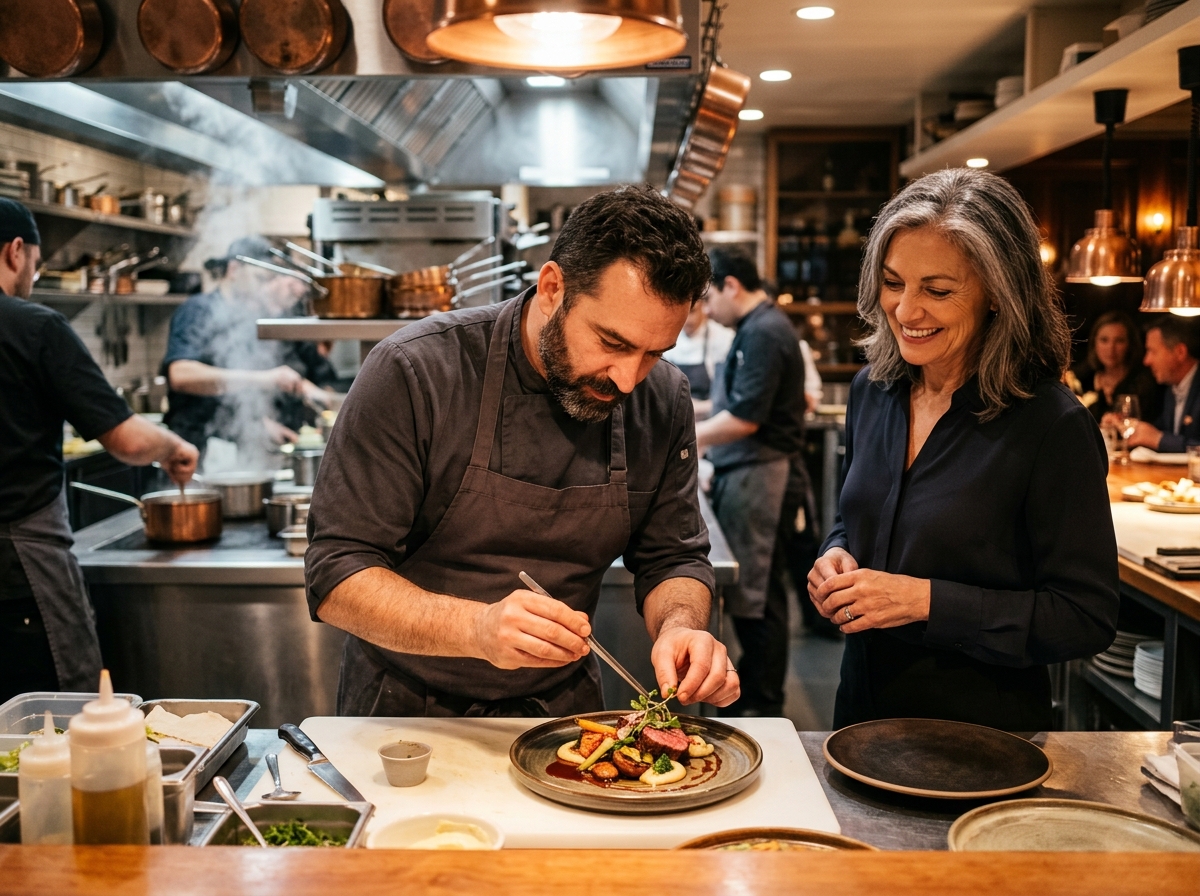
Executing multi-channel marketing campaigns requires unified operational visibility. Analyzing real-time sales data and analytics lets you tie promotions directly to covers, average ticket sizes, and shift margins.
Managing menu changes, pricing updates, and promo codes during busy shifts shouldn't require clicking through clunky dashboards. With AgenticPOS, operators can manage POS systems, menu updates, channel pricing, and multi-location promotions through AI agents in tools like Claude, ChatGPT, or Slack. You can start free with AgenticPOS on your existing POS, scale management across locations, and move to Spindl's integrated restaurant OS when you are ready to unify POS, direct ordering, delivery, and loyalty into one seamless system.
Turn marketing campaigns into predictable revenue
Sustainable hospitality growth relies on clear positioning, direct guest ownership, and data-driven execution. Stop relying on unmeasured discounts and start executing a unified plan that protects your margins. Audit your digital touchpoints, claim your direct ordering channels, and leverage automated tools to turn first-time diners into lifelong regulars.