How 5 brands won with restaurant digital transformation
Why are some restaurants shattering sales records while others struggle to keep their doors open? The difference is technology. By replacing manual chaos with unified systems, leading operators are driving massive efficiency and customer loyalty. Here is how they did it.
Chipotle: Mastering mobile loyalty and dedicated pickup lanes
Chipotle recognized the digital opportunity early, launching one of the industry's first restaurant apps back in 2009. While competitors were still debating whether digital mattered, Chipotle was building the foundation for a massive digital ecosystem.
Key digital initiatives:
- Mobile Ordering App: Integrated loyalty programs and mobile ordering, creating a seamless customer experience where frequent visitors feel recognized.
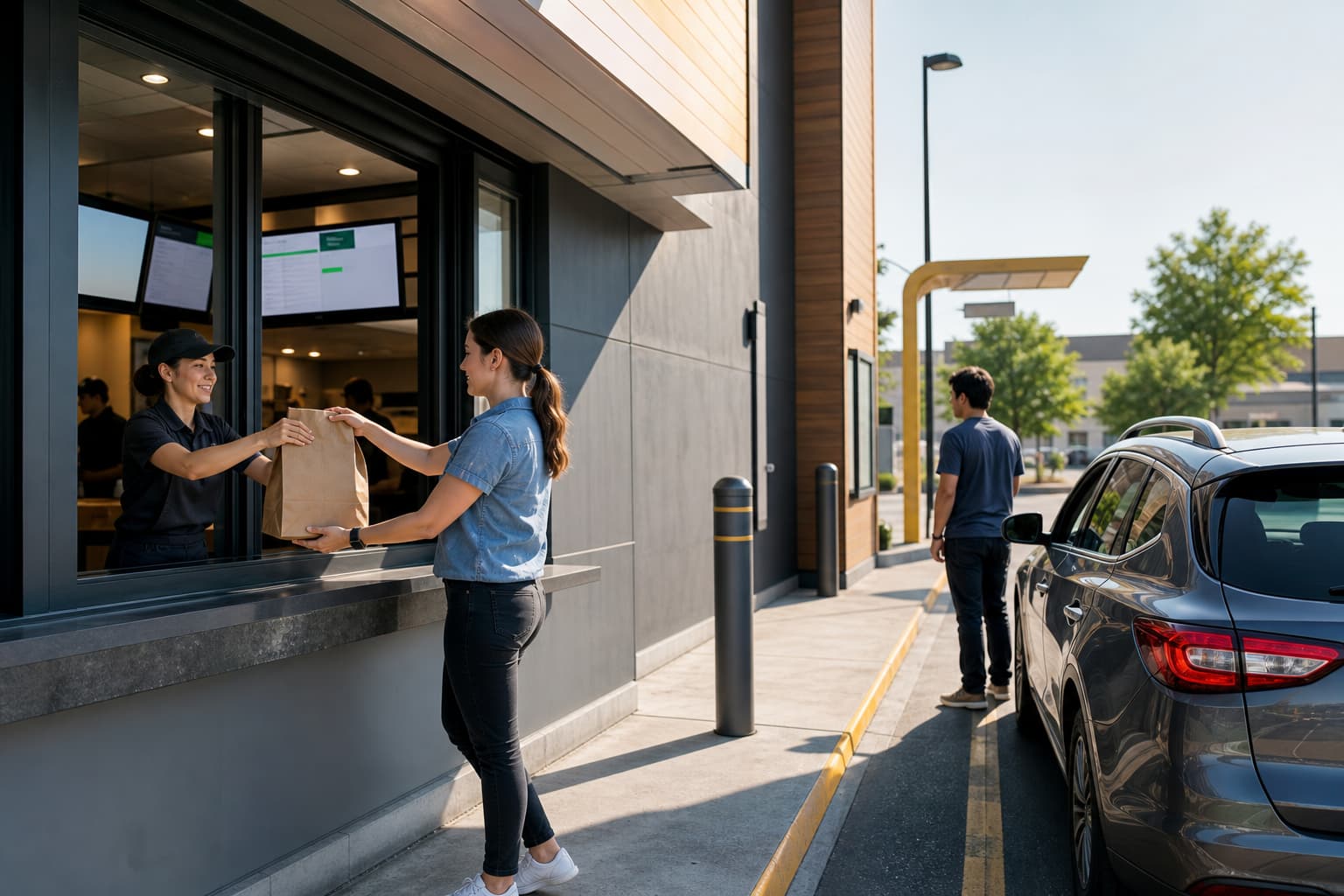
- Chipotlanes: Dedicated pickup windows for digital orders that boost sales at these locations by 10% to 15% compared to traditional stores, creating a high-margin revenue stream.
- Digital Kitchens: Specialized back-of-house production lines optimized exclusively for off-premise orders to slash wait times.
This friction-free approach demonstrates the massive impact of digital transformation on restaurant customer experience, proving physical layout and digital ordering pathways must work together. By early 2024, Chipotle boasted nearly 40 million rewards members who visit more often and spend more than non-members.
Starbucks and Domino's: The digital-first pioneers
Starbucks and Domino's proved that treating your brand like a tech company pays massive dividends. Successful execution relies on robust restaurant digital transformation strategies that treat technology as core business infrastructure rather than an afterthought.
Key digital initiatives:
- Starbucks Mobile Order & Pay: This system handles approximately 30% of total U.S. transactions. It uses saved preferences and complementary suggestions to drive order frequency and higher check sizes.
- Domino's AnyWare: Customers can order across smart TVs, smart speakers, and social media.
- Real-Time Delivery Tracking: Domino's turned the delivery process into an engaging, transparent experience, which helped drive a stock price increase of over 2,000% since 2010.
Jack's Family Restaurants and Famous Dave's: The loyalty engine
A great product keeps customers happy, but a great loyalty program keeps them coming back. Many operators find that engaging customers through restaurant apps is the fastest way to build stable, predictable revenue.
Key digital initiatives:
- Jack's Family Restaurants: Launched its digital loyalty program in 2020. The brand quickly captured a 56% growth in loyalty transactions and a 12% increase in average check size.
- Famous Dave's: Achieved a 20% year-over-year growth in program participation alongside a 19% year-over-year increase in reward redemption rates.
This data proves that restaurant loyalty programs do not just hand out freebies – they systematically increase guest lifetime value and purchase frequency.
Union Square Hospitality Group: AI and kitchen operations
Digital transformation is not limited to the front of the house. Top operators are using advanced AI and real-time inventory systems to cut down on food waste, optimize staff labor, and ensure order accuracy.
Key digital initiatives:
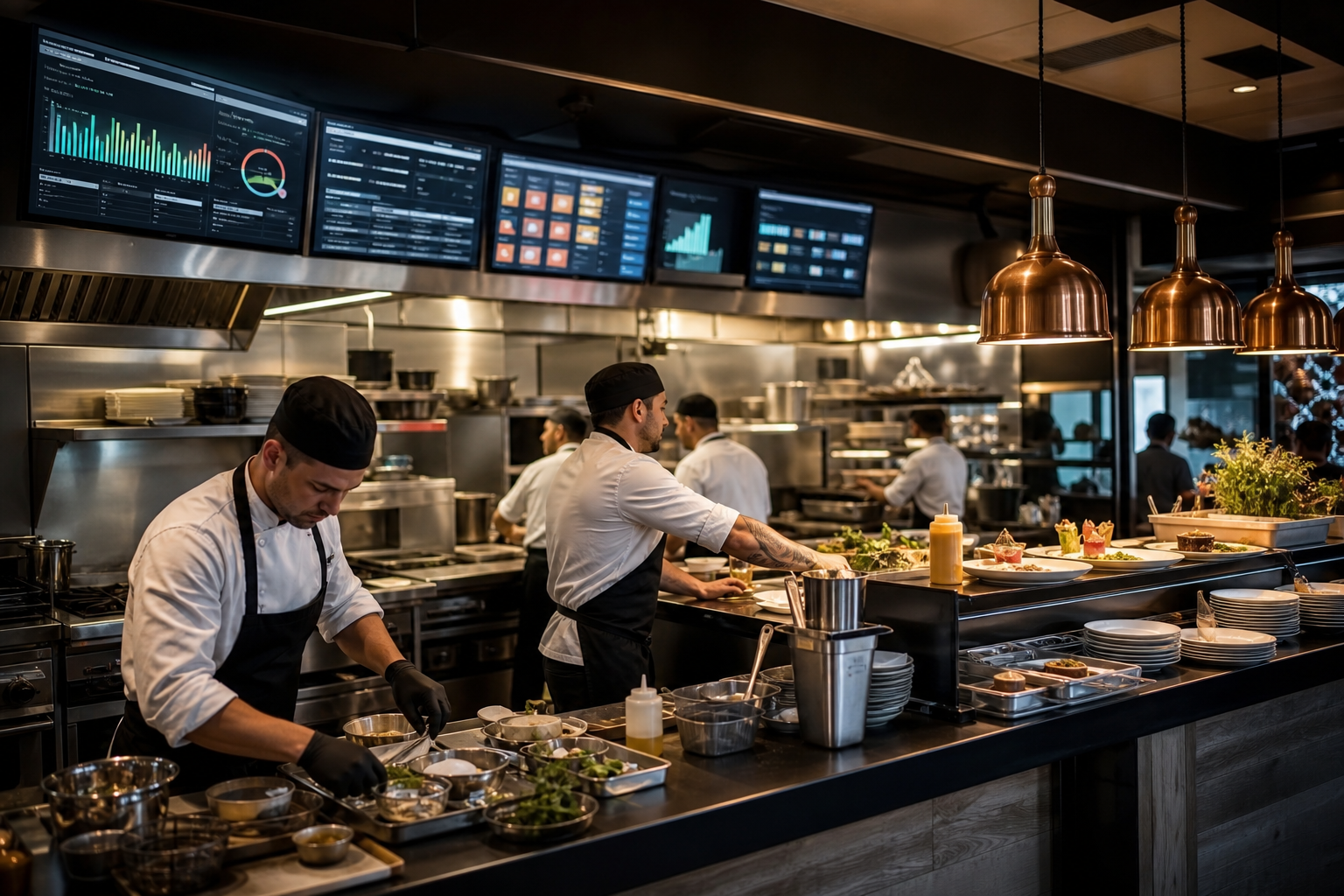
- Union Square Hospitality Group: Implemented PreciTaste, an AI system that predicts sales and recipes in real time to guide kitchen prep, ensuring hot food is ready without overproducing.
- Mid-Sized Casual Dining Chain: Implemented real-time inventory tracking and reconfigured its kitchen workflow to achieve a 15% reduction in food waste and a 20% increase in table turnover rates within six months.
- AI Phone-Ordering Assistants: A U.S. restaurant using the Bite Buddy AI assistant recovered $2,200 in lost phone-order revenue in just 72 hours by capturing unanswered calls during peak rush hours without adding staff.
These cases highlight the expanding role of AI in restaurant digital operations. By integrating POS with inventory management systems, you can align physical stock directly with real-time customer demand.
Keys to executing your digital transformation
When evaluating the ROI of digital tools in restaurants, many operators realize that system fragmentation is the silent killer of profitability. Managing five different tablets for third-party delivery apps leads to order errors and stressed staff.
Successful operators focus on streamlining operations with POS and analytics to reduce administrative workloads by up to 30%, saving about 12 hours of manual work every single week.
If you are not ready to rebuild your entire tech stack from scratch, you can take a phased approach:
- Start for free with AgenticPOS. It provides an MCP server that lets you control your existing POS using AI agents. You can manage menu pricing, view real-time sales reports, adjust loyalty points, and push multi-location updates using natural language inside Claude, ChatGPT, or Slack.
- Transition to a full, unified platform when you are ready to retire your old systems. The Spindl platform acts as an all-in-one operating system that integrates order taking, delivery management, self-service kiosks, POS, and loyalty into a single device.
Whether you are looking to cut down on manual order entry or want to build a high-converting first-party ordering experience, taking the first step is essential. Discover how a unified platform can maximize your impact of digital tools on restaurant efficiency and keep your business profitable in a digital-first world. Learn how to launch your own system with our guide on restaurant online ordering system setup.