How digital tools slash restaurant labor and order errors
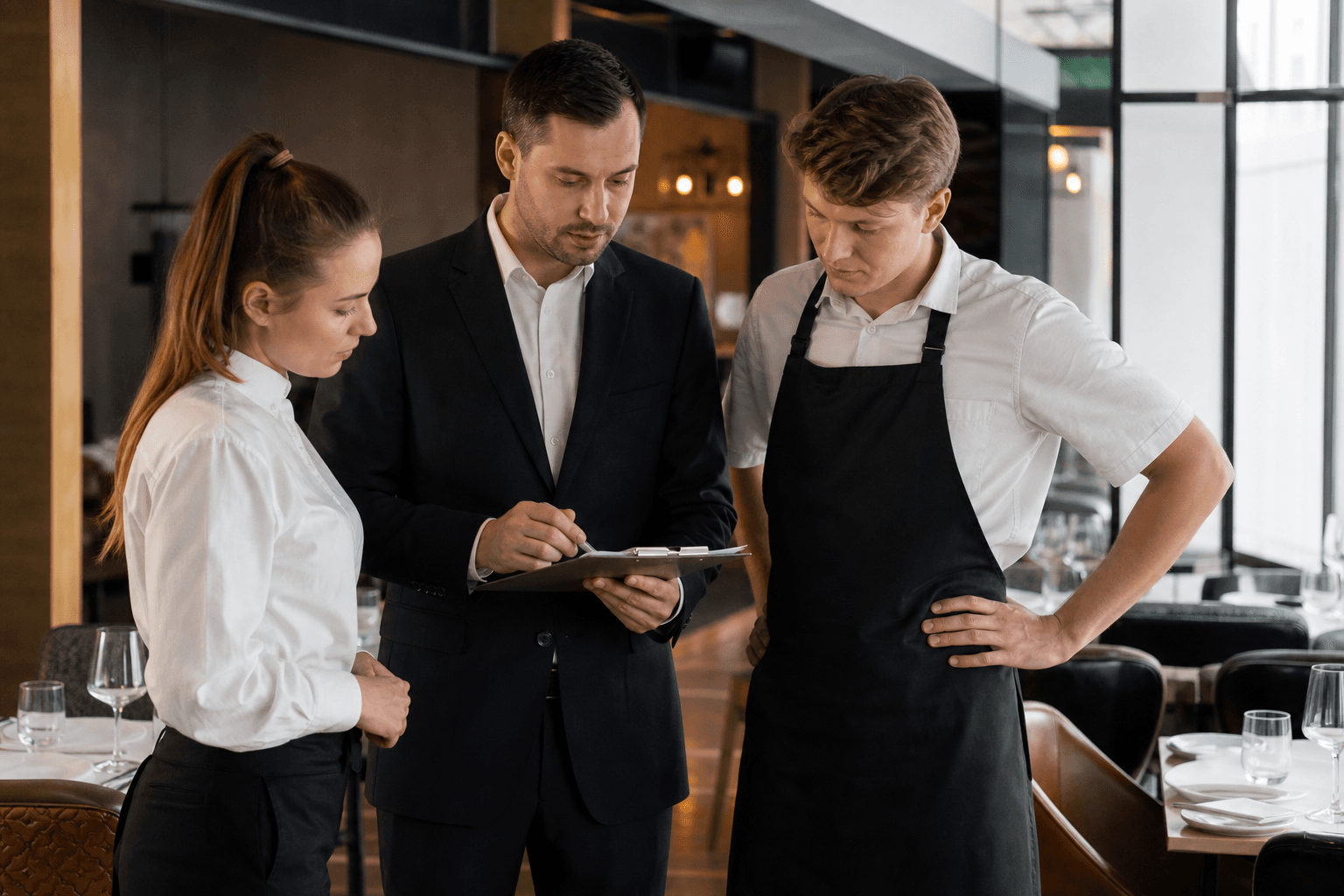
Are rising operational costs eating your restaurant's margins? With labor swallowing up to 36% of your revenue, legacy workflows are no longer sustainable. Digital tools offer a straightforward path to reclaim your profitability.
Reclaiming labor hours and automating schedules
According to the National Restaurant Association, median labor costs sit at 36.5% of sales for full-service restaurants and 31.7% for limited-service models. Scheduling on gut feeling or using static templates is a recipe for trouble. You end up overstaffed during mid-afternoon slumps or dangerously understaffed during dinner rushes.
By applying data-driven best practices for using POS analytics, you can sync your staffing directly to historical sales trends. Transitioning to AI-driven scheduling matches your labor to real-time demand, often cutting labor costs by 5% to 15%.
Administrative friction also pulls managers off the floor. Juggling fragmented spreadsheets and manually reconciling daily numbers wastes precious time. Implementing the right modern digital tools for restaurants streamlines this process. A unified system reduces administrative task time by 30%, handing your management team roughly 12 hours back each week.
Eliminating the costly drain of order inaccuracies
Order errors are silent margin killers. They cost you wasted ingredients, elevated kitchen stress, and expensive comps. More importantly, research on order accuracy from SMG confirms that precise orders are the single most critical driver of guest satisfaction and repeat visits.
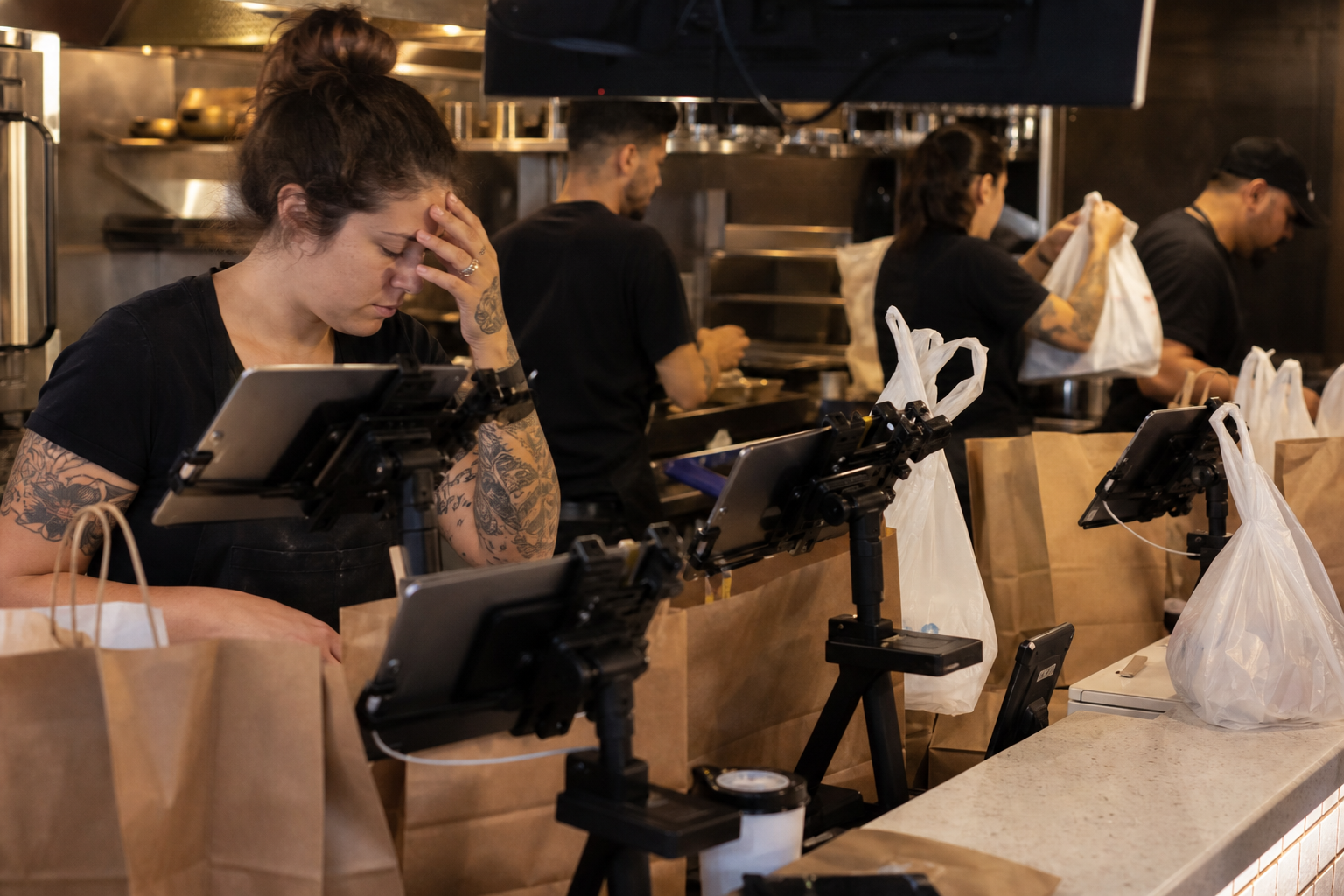
Most of this friction stems from tablet chaos. Juggling separate, buzzing tablets for third-party apps like DoorDash, Uber Eats, and Grubhub forces your staff to manually rekey orders. This extra step is highly prone to human error.
Modern digital tools mitigate this risk by putting data entry directly into the guest’s hands:
- Self-service kiosks and QR codes: Letting customers control the input eliminates communication breakdowns. Operators see order remake rates plunge from 12% to under 3%, while average order values jump by 15% to 30%.
- Enforced menu logic: Programmed modifier prompts ensure servers or guests select cooking temperatures, sides, and allergy restrictions before sending the order to the kitchen.
Understanding how modern POS systems improve accuracy is crucial to protecting your bottom line and your brand reputation.
Streamlining kitchen and inventory workflows
A chaotic line slows ticket times and degrades food quality. In contrast, a peer-reviewed study on restaurant automation reported a 52.76% decrease in service load time when operations are digitized.
By streamlining operations with POS and analytics, your kitchen display system (KDS) replaces messy paper tickets with dynamic, color-coded, real-time queues. Modifiers sync instantly, routing components directly to the correct prep stations.
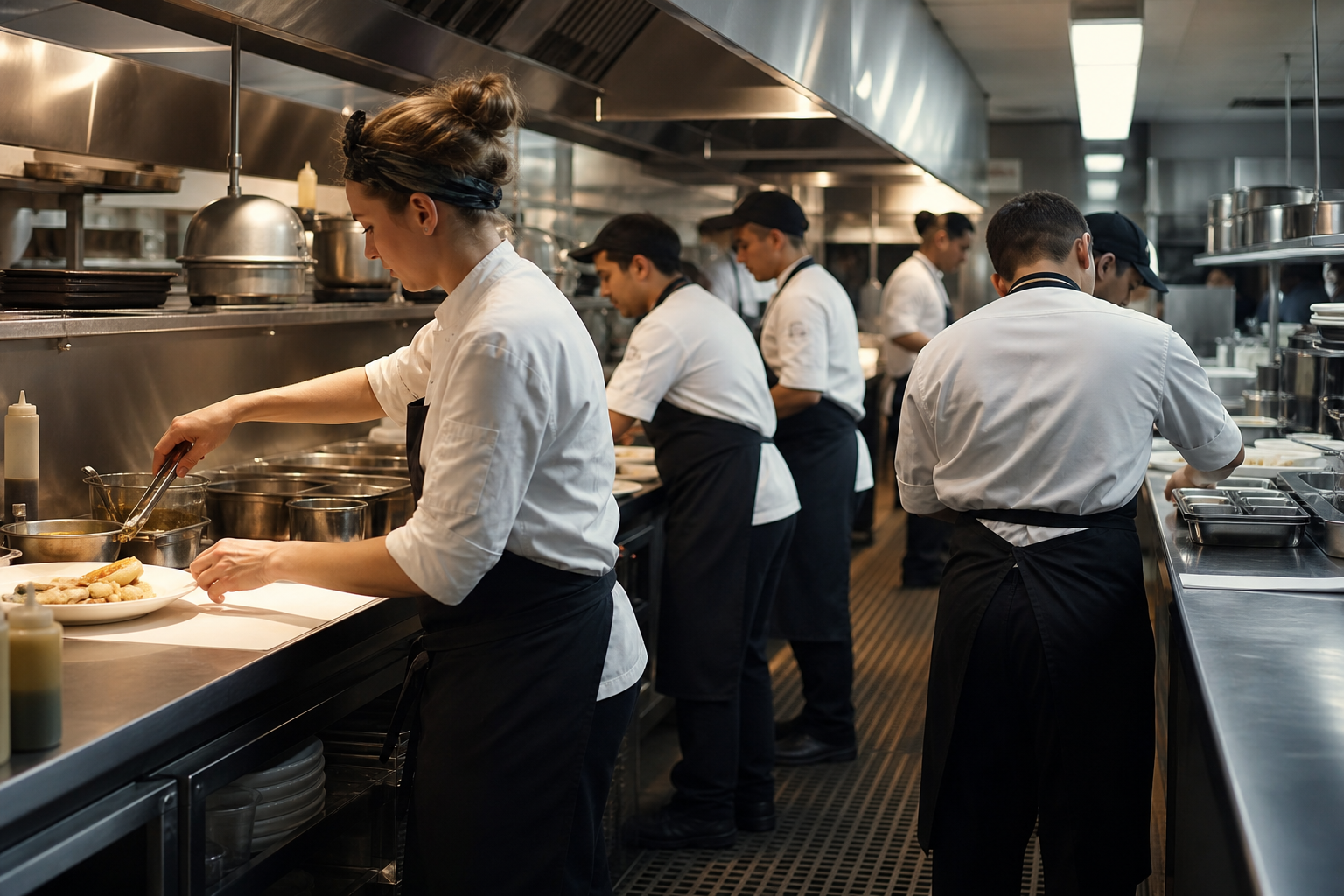
This efficiency must extend to the back-of-house. By integrating your POS with inventory, every sale instantly auto-deducts raw ingredients down to the ounce. Real-time recipe-level visibility lowers food costs by up to 5%, ensuring you never have to 86 a crowd-pleaser mid-service.
Scaling your operation without added friction
Managing multiple units multiplies your operational headaches. Fragmented tech setups break your data, making it incredibly difficult to compare cross-site performance. Standardizing your hardware and software is central to effective multi-location restaurant management.
Looking at case studies of restaurant digital transformation, heavyweights like Chipotle and Domino's didn't scale by simply working harder. They succeeded because they treated technology as core infrastructure.
When choosing your path, select a comprehensive system. Evaluating restaurant management software carefully allows you to scale without subscription bloat. Ensure your systems improve the overall impact of digital transformation on customer experience rather than adding complex friction points for your guests.
Say goodbye to legacy tablet chaos
Legacy POS setups operate like outdated flip phones. They are clunky, fragmented, and require separate, expensive integrations for every basic feature you want to add.
Spindl is the iPhone of restaurant operating systems. It is an AI-driven, agentic platform that unifies your POS, online ordering, delivery apps, self-service kiosks, inventory, and loyalty programs into a single, cohesive device. Your team can swap shifts, update menus, and check margins in real-time simply by asking the system.
Say goodbye to tablet farms and invoice shock. Spindl offers flat, volume-based card processing to keep your daily cash flow predictable.
Turn your restaurant into a streamlined, high-efficiency machine today. Explore Spindl features and check out our transparent pricing to get started.