5 frameworks to manage multiple restaurant locations

Is your expansion starting to feel like you are managing five different businesses instead of one cohesive brand? Multi-unit growth often breaks the systems that worked for a single storefront. You need a data-driven framework to maintain quality while you scale.
Standardize the center of excellence through tech
The biggest threat to multi-location consistency is "tablet farm" chaos. When each location juggles separate devices for DoorDash, UberEats, and in-house orders, your operational data becomes fragmented. According to research from Consolidated Concepts, fragmented data is a major pain point that limits leadership’s decision-making speed and leaves you guessing about performance.
To solve this, you must consolidate your technology stack. Restaurants using integrated POS systems report a 30% reduction in administrative task time, which saves a typical operation roughly 12 hours every week. By unifying order taking, delivery management, and payments into a single device, you ensure that a high-margin "Star" menu item in Location A has the exact same impact on order accuracy in Location B. This centralized approach eliminates manual re-entry and prevents the errors that occur when staff are forced to manage a dozen different screens.
Deploy a 30/60/90 onboarding framework
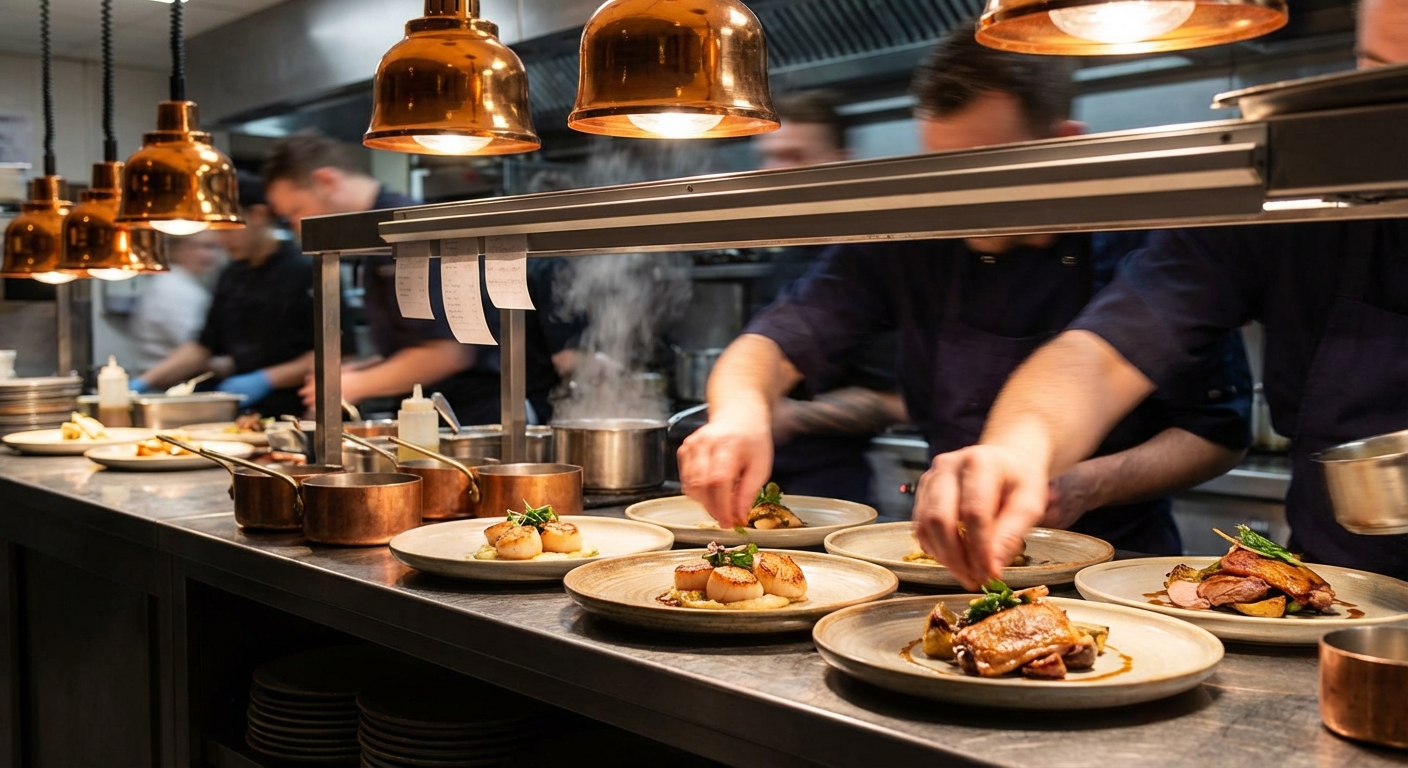
Staffing is the most expensive variable in your operation, and in today's market, you cannot afford a "sink or swim" culture. Replacing a single line cook can cost between $1,800 and $3,500 in recruiting fees and lost productivity. Without a standardized training program, your brand identity dilutes every time you hire a new team member.
Implement a structured onboarding timeline that focuses on progressive mastery. During the first 30 days, new hires should focus exclusively on safety, culture, and core kitchen staff training to ensure a solid foundation. Between days 31 and 60, the focus shifts to building speed, accuracy, and cross-training in adjacent roles. Finally, the 61-to-90-day window is designed to develop independence and leadership readiness. Using an intuitive all-in-one platform like Spindl, which is designed to pass the "Grandma Test" for ease of use, can significantly accelerate this timeline. When software follows already familiar delivery app logic, frontline staff can become productive in just one to two shifts.
Master demand-based labor forecasting
Labor typically represents 30–35% of restaurant expenses. In a multi-unit setup, overstaffing at one location while understaffing another kills your labor cost control. Scheduling based on "gut feeling" or using the same template every week leads to unnecessary waste or burned-out employees.
Instead, use real-time sales data analysis to match staffing levels to actual historical demand. AI-driven scheduling can deliver a 5–15% labor cost reduction by identifying exactly when you need an extra runner for a rush and when you can safely send a server home early. This level of precision is vital as McKinsey research shows consumers are trading down on spending, forcing multi-unit operators to protect every single point of margin to stay profitable.
Use real-time visibility to stop gut-feeling decisions
You cannot be physically present at every location during every shift. You need a "backstage" view that provides real-time analytics across your entire group. With digital channels projected to drive 70% of restaurant sales by 2025, operating without live data is like flying blind.
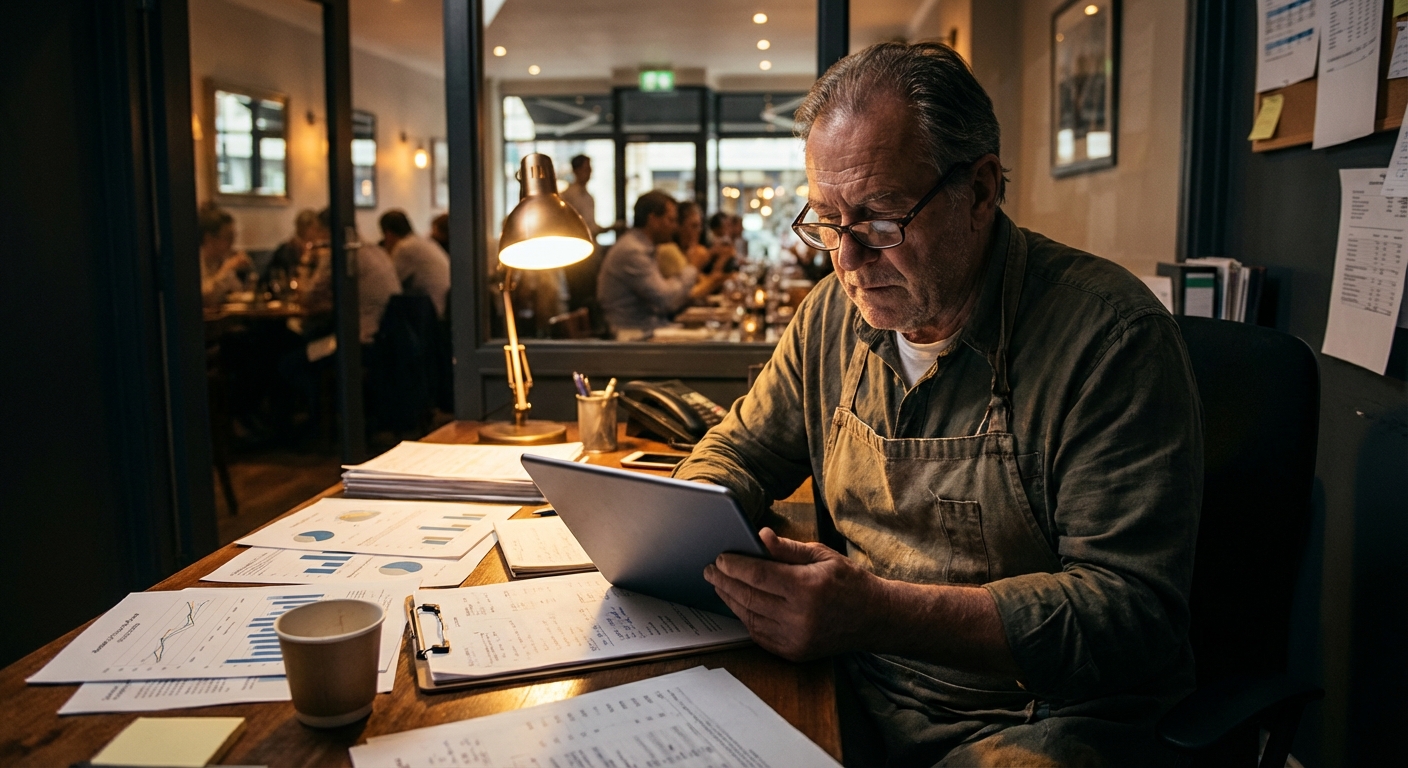
If you aren't monitoring your POS analytics in real-time, you won't catch a station causing an 8-minute kitchen delay until negative reviews are already trending. A unified dashboard allows you to monitor Revenue per Available Seat Hour (RevPASH) to diagnose pacing issues across branches instantly. You can also dive into your product mix to identify "Stars" – items with high margins and high popularity – versus "Dogs" that are draining your resources. This visibility also helps you spot inventory variance, catching potential theft or over-portioning before it significantly impacts your cost of goods sold.
Implement a closed-loop quality audit
Consistency is the ultimate virtue of a multi-unit brand, but it requires constant verification. Quality control measures should include non-negotiable front-of-house targets, such as greeting every guest within 60 seconds and maintaining an order accuracy rate of at least 98%. Payment processing should be optimized to take no more than three minutes to ensure high table turnover during peak hours.
To maintain these standards across different zip codes, leverage online training for staff and automated digital checklists. When a guest does have a sub-optimal experience, your team needs a systematic approach to handling complaints that remains identical at every branch. If Location A comps a dessert to fix a mistake but Location B chooses to argue with the guest, your brand equity suffers a major hit. Systematic verification ensures your guests receive the same high-quality experience regardless of which door they walk through.
Managing the modern multi-unit restaurant
Scaling your brand should not mean multiplying your stress levels. By consolidating your technology stack and moving away from fragmented, outdated systems, you gain the visibility required to run a tight, profitable operation.
Spindl’s all-in-one platform unifies order management, delivery aggregation, and real-time analytics into a single device, making multi-location management effortless.
Ready to see how a unified OS can streamline your operations? Explore Spindl’s features and start winning back your time.