Så tar du kontroll över restaurangens leveranskedja
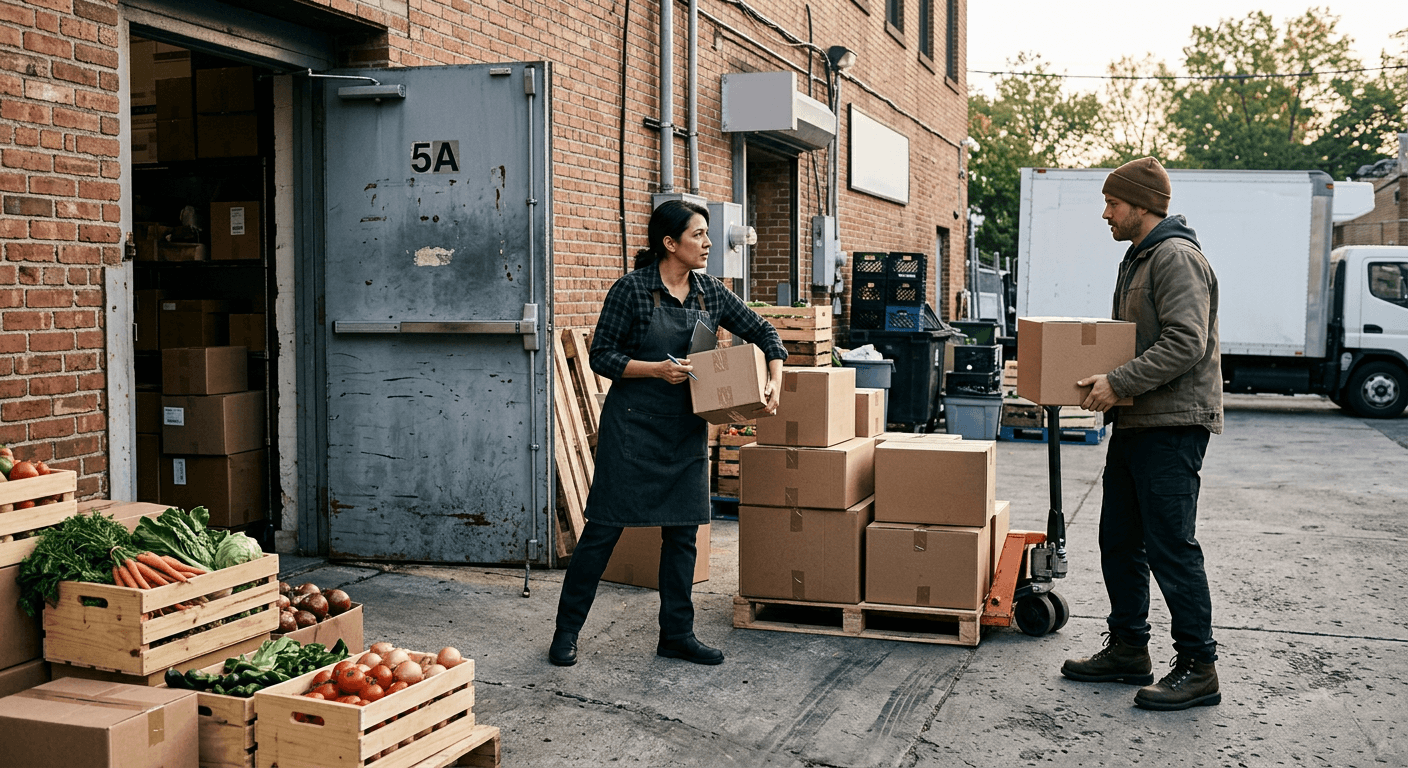
Äts dina vinstmarginaler upp av kökssvinn och ständiga prishöjningar? Enligt det amerikanska jordbruksdepartementet, USDA, slängs 31 % av den totala livsmedelsförsörjningen i USA varje år – vilket motsvarar ett värde på omkring 162 miljarder dollar. Att få full kontroll över restaurangens leveranskedja och inköp är ditt bästa försvar mot sjunkande marginaler.
Varumottagning och lagerkontroll vid varuintaget
För att hålla resultaträkningen hälsosam bör de totala råvarukostnaderna ligga mellan 28 och 32 % av omsättningen. En välfungerande och effektiv leveranskedja börjar i samma sekund som leverantörens lastbil backar upp mot varuintaget.
- Tydliga rutiner för varumottagning: Kontrollera alla leveranser direkt mot inköpsorder och följesedel eller faktura. Kontrollera alltid temperaturen – kylvaror ska hålla högst 4 °C (40 °F) och frysta varor -18 °C (0 °F) eller kallare.
- Först in, först ut (FIFO): Märk alla inkommande kartonger och behållare med ankomstdatum eller färgkodad tejp. Rotera alltid lagret så att äldre varor hamnar längst fram för att minimera matsvinnet.
- Konsekvent inventering: Inför en fast rutin för inventering efter stängning (från hylla till räkneark). Väg dyrbara råvaror, som kött och fisk, dagligen på en digital våg.
- Uppföljning av lageravvikelser: Följ upp avvikelser i lagersaldot varje vecka. Sikta på en avvikelse under 2 %. Tillfälliga toppar över 5 % är en varningsflagg för stöld, svinn i beredningsarbetet eller felaktiga portionsstorlekar.
Genom att tillämpa beprövade metoder för lagerhantering i restaurang håller du råvarorna färska och når en lageromsättningshastighet på 4–8 gånger per månad, utan att binda för mycket kapital.
Datadrivna inköp och leverantörsstyrning
Manuella beställningar slutar ofta i överfulla lagerhyllor eller i att nyckelrätter plötsligt måste strykas från menyn. I en välfungerande verksamhet arbetar man i stället med strukturerad inköpsstyrning och dynamiska beställningspunkter.
- Basera minimilager (par-levels) på 30 dagars försäljning: Sätt lagernivåer och automatiska beställningspunkter utifrån faktiska försäljningsdata från de senaste 30 dagarna, snarare än på magkänsla.
- Trevägsmatchning av fakturor: Stäm av inköpsorder, följesedlar och leverantörsfakturor mot varandra för att upptäcka och åtgärda felaktigheter innan fakturan betalas.
- Utvärdera leverantörer löpande: Följ upp dina leverantörer varje månad gällande prishållning, kvalitet och leveranssäkerhet.
- Säkra upp med alternativa leverantörer: Ha alltid godkända reservleverantörer för viktiga volymvaror så att köket inte drabbas vid oväntade leveransförseningar.
Genom att strukturera dina leverantörsavtal utifrån beprövade budgettips för restauranger säkerställer du att stigande råvarupriser inte äter upp dina marginaler.
Integrera kassasystemet med lageruppföljning i realtid
Manuella kalkylark räcker inte till när beställningarna samtidigt väller in från matsal, onlinebeställningar och budappar. Fristående system och en djungel av separata plattor skapar snabbt kaos i kassan.
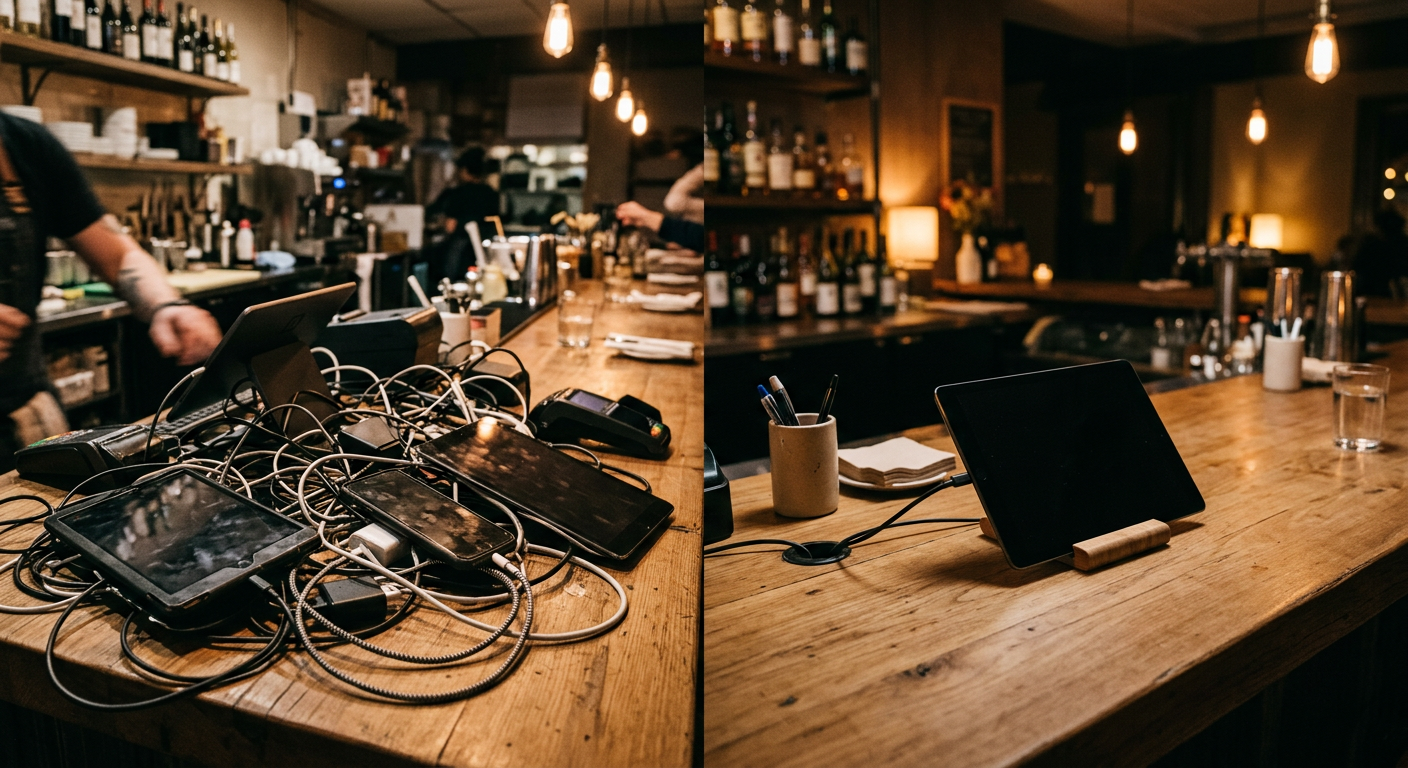
Genom att integrera kassasystemet med lagerhanteringssystemet räknas lagret ned på råvarunivå så fort en beställning slås in. När en burgare säljs dras exempelvis 170 gram nötfärs och ett briochebröd direkt från det digitala saldot. Denna synkronisering eliminerar manuell datainmatning och minskar risken för svinn. Med verktyg som Spindls lagerhantering får du automatiska varningar om låga saldon innan råvarorna tar slut mitt i ruschen.
Skala upp leveranskedjan över flera enheter
Att driva ett enskilt kök är utmanande i sig, men när verksamheten växer till flera enheter ökar leveranskedjans komplexitet exponentiellt. Utan central styrning blir det svårt att behålla samma höga kvalitet och kontroll på alla ställen.
- Skapa en central produktdatabas så att artikelnummer (SKU), måttenheter och priser är identiska på alla restauranger.
- Standardisera beredningslistor och receptkalkyler i samtliga kök för att hålla portionsstorlekarna helt jämna.
- Följ upp lönsamheten per försäljningskanal för att se exakt hur hemleveransplattformarnas avgifter påverkar dina nettomarginaler.
Genom att tillämpa beprövade tips för att driva restauranger på flera platser skapar du en gemensam källa till information gällande leverantörspriser, interna överföringar och menyuppdateringar. Att välja det bästa systemet för lagerhantering i restaurang gör det möjligt för växande restaurangkedjor att hålla råvaruavvikelserna på en låg nivå över hela linjen.
Effektivisera driften med AI-agenter och AgenticPOS
Dagens lagerstyrning handlar om betydligt mer än bara statiska rapporter. Med AgenticPOS kan restaurangägare och kökschefer styra hela den bakomliggande köksdriften direkt via en chatt i helt vanligt talspråk.
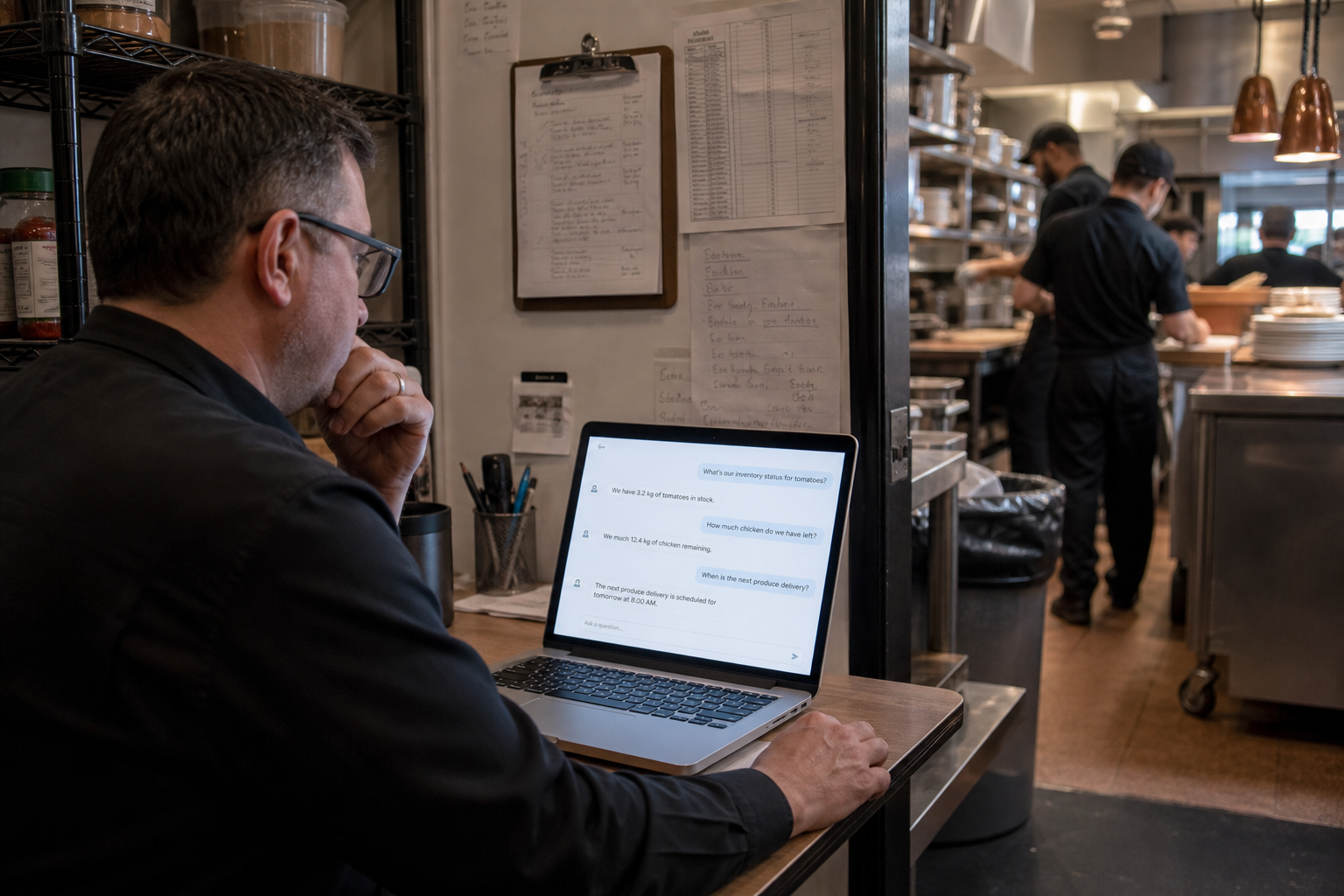
AgenticPOS fungerar som en öppen MCP-server som kopplas ihop med ditt befintliga kassasystem och ger tillgång till över 140 specialiserade verktyg. Du kan kontrollera saldon, uppdatera menypriser över samtliga enheter eller granska marginaler per rätt – bara genom att skicka ett meddelande i Claude, ChatGPT eller Slack. Du kan komma igång gratis med AgenticPOS på ditt nuvarande kassasystem och automatisera det dagliga administrativa arbetet utan att behöva byta ut någon hårdvara.
Samla hela verksamheten med Spindl
När du vill ersätta splittrade punktlösningar och bli av med djungeln av surfplattor samlar helhetsplattformen Spindl POS orderhantering, leveransstyrning, lager och analys i ett enda system.
Spindl kopplar försäljningen i realtid direkt till råvaruuppföljningen. Det skyddar ditt resultat och förhindrar att viktiga ingredienser tar slut under service. I kombination med våra AI-agentverktyg ger Spindl snabba insikter och smidig kontroll för både enskilda restauranger och växande kedjor. Läs vår guide om den bästa programvaran för restaurangledning och upptäck hur Spindl kan hjälpa dig att sänka dina råvarukostnader med upp till 5 % redan under de första 90 dagarna.