Beste ERP-systemer for restauranter i 2026: En guide for vekst og lønnsomhet

Sjonglerer du fortsatt mellom fem ulike nettbrett og et regneark bare for å få oversikt over dagens varekostnad? Fragmenterte data er den lydløse morderen av restaurantmarginer. Skal du skalere driften over flere lokasjoner, trenger du én felles sannhetskilde som kobler varelageret ditt direkte til bunnlinjen.
Å velge et ERP-system (Enterprise Resource Planning) for restauranten handler om mer enn bare programvare; det handler om å ta tilbake kontrollen over egen tid. Mange drivere ender opp med «integrasjonstretthet» og uforutsette gebyrer fordi de velger feil teknologistabel. Her er en oversikt over hvordan de største aktørene i bransjen ligger an for 2026.
Restaurant365: Spesialisten på back-office og økonomi
Restaurant365 regnes av mange som gullstandarden for virksomheter med komplekse regnskapsbehov. I motsetning til plattformer som har sitt utspring i kassesystemet (POS), ble dette systemet bygget spesifikt for administrasjon og bakkontor. Med en integrert hovedbok slipper du manuell eksport til eksterne regnskapsprogrammer, noe som gir deg umiddelbar innsikt i den økonomiske helsen.
Plattformens største styrke er analysen av faktiske kontra teoretiske matkostnader (AvT). Dette lar større kjeder identifisere nøyaktig hvor svinnet oppstår – enten det skyldes feilporsjonering eller tyveri. Vær imidlertid forberedt på en omfattende implementeringsprosess. Oppsettet tar ofte tre til seks måneder, og med en prismodell som ligger mellom $469 og $689 per avdeling i måneden, er det primært rettet mot store aktører med dedikerte regnskapsressurser.
Toast: Det komplette alt-i-ett-økosystemet
Toast har lykkes med å gå fra å være et rent kassesystem til å bli et omfattende «ERP-light»-økosystem. Det er spesielt effektivt for å skape en sømløs flyt mellom servering og kjøkken. Siden modulene for personalstyring og lønn er innebygd, synkroniseres tips og arbeidstimer automatisk. Dette reduserer risikoen for dobbeltføring og manuelle feil for lederne dine.
For virksomheter som satser på drift av flere lokasjoner, tilbyr Toast en sentralisert struktur for menyer og rapportering som forenkler skalering. Ulempen er den såkalte «tilleggsgebyr-effekten». Selv om grunnprisen kan virke overkommelig, kan de totale eierkostnadene fort passere $800 i måneden når du legger til moduler for varelager, lønnskjøring og lojalitetsprogrammer. Det er et kraftig verktøy, forutsatt at du har budsjettet til å låse deg til deres lukkede økosystem.
Lightspeed Restaurant: Eksperten på avansert lagerstyring
Dersom konseptet ditt involverer en kompleks meny med mange vareenheter (SKU-er) eller et stort volum av cocktails, er Lightspeed en sterk kandidat. Deres AI-drevne lagersporing er utviklet for å håndtere detaljert data. Det gjør det enklere å integrere POS med lagersystemer uten å miste oversikten over hver minste centiliter med brennevin eller gram med garnityr.
Systemet utmerker seg ved å avdekke svinn i sanntid, noe som kan hjelpe drivere med å redusere matkostnadene med 2–4 %. Denne funksjonaliteten krever imidlertid en del opplæring. Nyansatte må ofte gjennom omfattende kursing for å mestre de avanserte modulene, noe som kan være en utfordring i en bransje med høy personalomsetning. Dette er et presisjonsverktøy for de teknisk interesserte.
Oracle Micros: Den driftssikre veteranen
Oracle Micros er restaurantverdenens svar på «Nokia 3310». Det er robust, pålitelig og dypt forankret i globale hotellkjeder og store idrettsarenaer. Med enestående skalerbarhet og sikkerhet på enterprise-nivå, er det et trygt valg for internasjonale franchiser som trenger maskinvare som tåler ekstrem belastning.
Nedsiden er at brukergrensesnittet ofte føles utdatert sammenlignet med moderne, skybaserte løsninger. Det tunge systemet kan gjøre opplæring av yngre medarbeidere tidkrevende, og skreddersydde rapporter krever ofte bistand fra dyre konsulenter. Det er en pålitelig arbeidshest som prioriterer stabilitet fremfor smidighet og brukeropplevelse.
Revel Systems: Den fleksible hybridløsningen
Revel Systems tilbyr en solid skybasert løsning som plasserer seg et sted mellom et enkelt kassesystem og et tungt ERP-system for stordrift. Det er et populært valg for hurtigmatkjeder og regionale franchiser takket være et fleksibelt API, som åpner for omfattende tilpasning og integrasjon med tredjeparter.
Denne fleksibiliteten er en styrke, men kan også føre til utfordringer med integrasjonene. Ved å bruke mange ulike leverandører for levering, lojalitetsprogrammer og bemanning, kan det oppstå avvik i datasynkroniseringen. Hvis du liker å skreddersy din egen teknologistabel med «best-of-breed»-løsninger, gir Revel deg fundamentet, men du må påregne tid til å administrere koblingene mellom de ulike systemene.
Derfor er Spindl det moderne alternativet
Mens tradisjonelle ERP-systemer ofte bygger komplekse og isolerte moduler, fokuserer Spindl på den naturlige flyten i restaurantdriften din. Vi er det brukervennlige alternativet i et marked preget av utdatert maskinvare. Moderne ledelse skal ikke kreve en doktorgrad i IT eller måneder med kursing. Restauranter som bruker integrerte systemer som vårt, rapporterer om 30 % mindre tid brukt på administrative oppgaver – noe som tilsvarer rundt 12 timer spart for hver eneste leder, hver uke.
Spindl samler POS, leveringshåndtering og sanntidsanalyse av salgsdata i én felles plattform. Dette fjerner behovet for en «skog av nettbrett» og sørger for at lagernivåer og lønnskostnader oppdateres i det sekundet en bestilling legges inn – uansett om den kommer fra en bestillingskiosk, en leveringsapp eller en håndholdt terminal ved bordet.
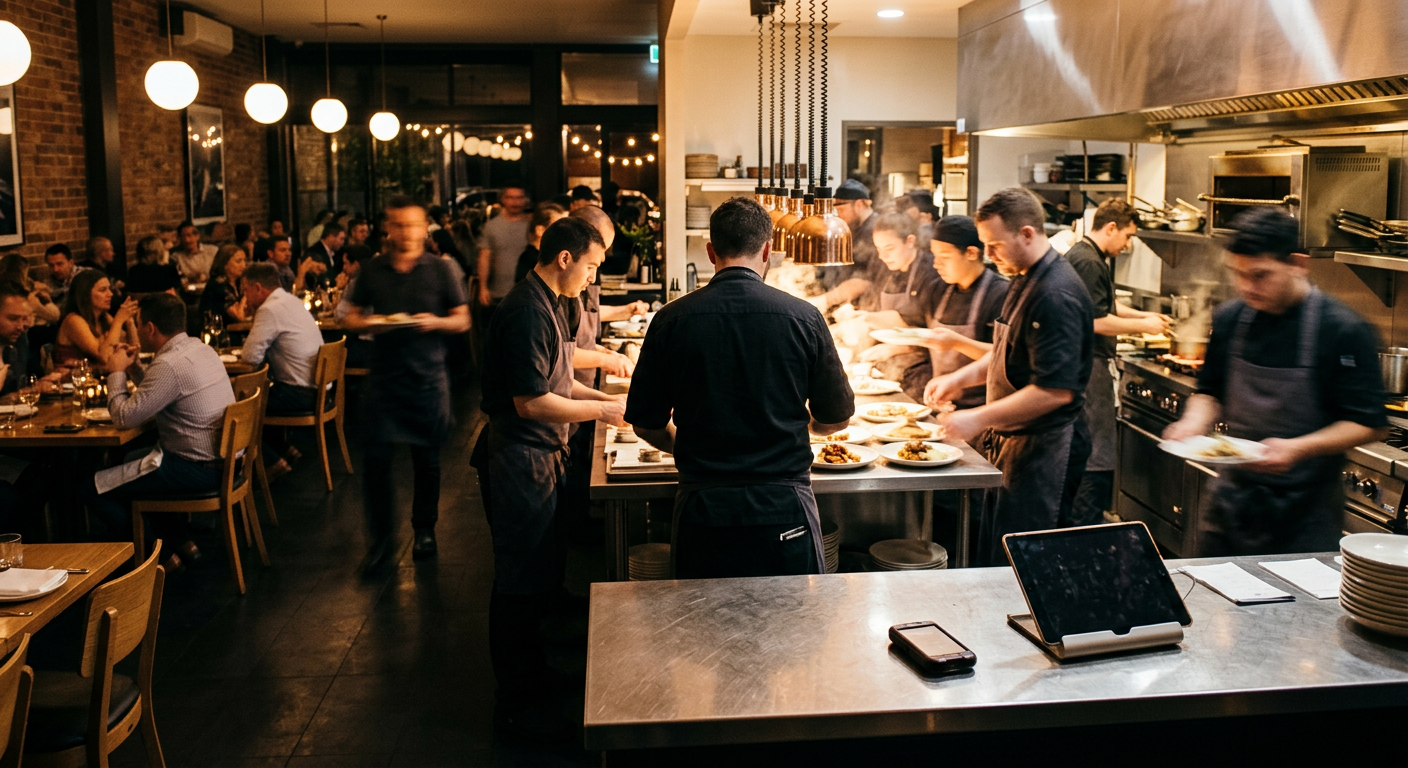
- Bestemor-testen: Brukergrensesnittet vårt er så intuitivt at nye ansatte er selvgående etter bare ett skift. Vi har fjernet alt unødvendig støy, slik at dere kan fokusere på gjestene.
- Samlet oversikt over levering: Slutt å sjonglere fem ulike skjermer. Administrer alle eksterne bestillinger og menyer fra samme enhet som du bruker i restauranten. Dette reduserer stress og eliminerer feilbestillinger.
- AI-drevne analyser: I stedet for å grave i endeløse regneark, kan du spørre vår AI-assistent om matkostnader eller lønnsprosenter og få svar umiddelbart.
Kritiske suksessfaktorer for ditt neste ERP-system
Når du vurderer ulike systemer, bør du se forbi den månedlige lisensavgiften. Du må beregne de totale eierkostnadene (TCO), som inkluderer maskinvare, transaksjonsgebyrer og tiden de ansatte bruker på å administrere systemet. Vurder disse tre faktorene før du tar en beslutning:
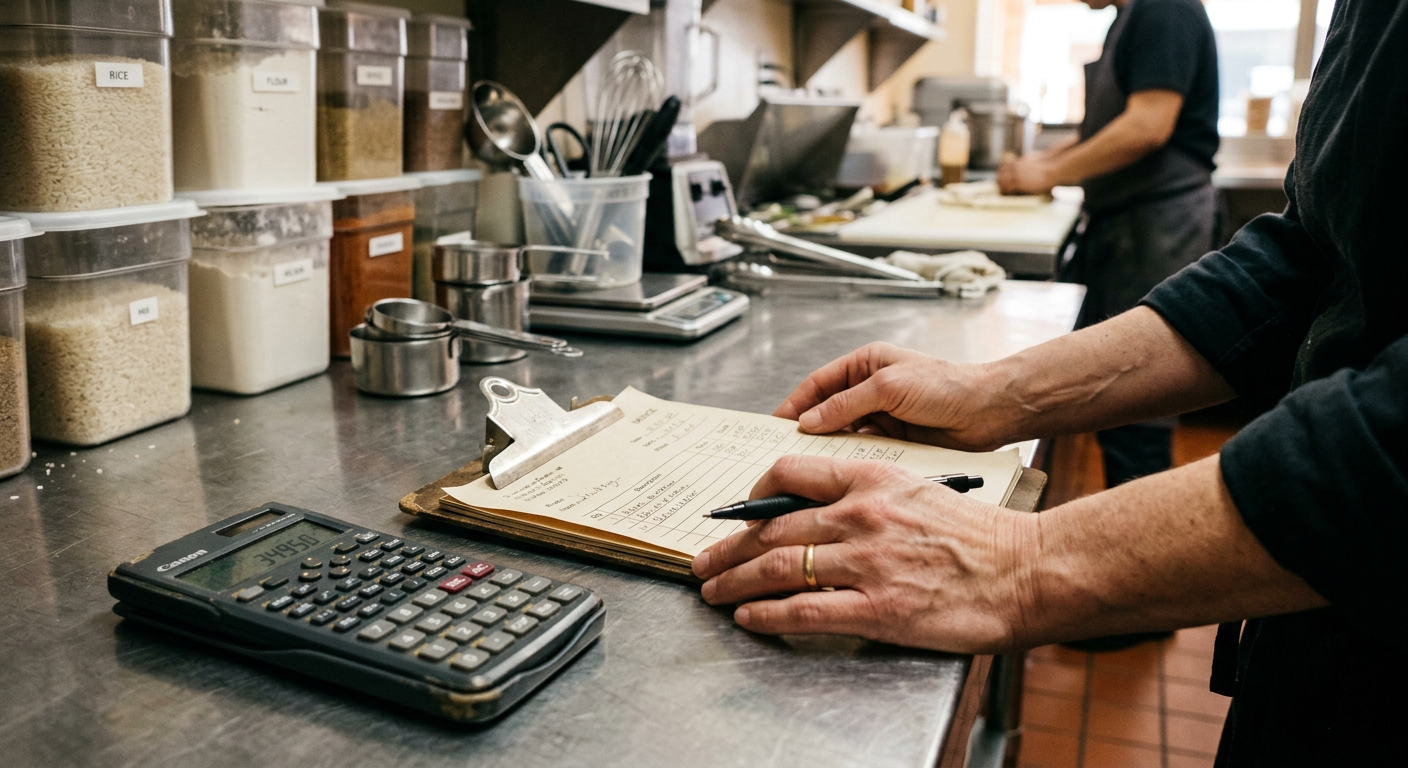
- Lagerpresisjon: Velg et system som tilbyr lagerstyring i sanntid basert på oppskrifter. En reduksjon på 2 % i matsvinn kan utgjøre 200 000 kroner i året for en restaurant med 10 millioner i omsetning.
- Sømløs regnskapsføring: Sørg for at systemet snakker direkte med verktøy som QuickBooks, Sage eller dine lokale systemer. Manuell overføring av data er ikke bare kjedelig; det er en kilde til feil og manglende oversikt.
- Opplæringstid: Hvor mange vakter kreves det for å lære opp en ny ansatt? I en bransje med høy turnover er brukervennlighet en direkte økonomisk fordel.
Slutt å tape marginer på grunn av systemer som ikke snakker sammen. Begynn å ta datadrevne beslutninger mens servicen pågår, ikke en uke etterpå. Hvis du er klar for å bytte ut de gamle «dinosaurene» med en moderne plattform som faktisk spiller på lag, book en demo med Spindl i dag.