Laita ravintolan kotiinkuljetukset tuottamaan – näin tilkitset katevuodon
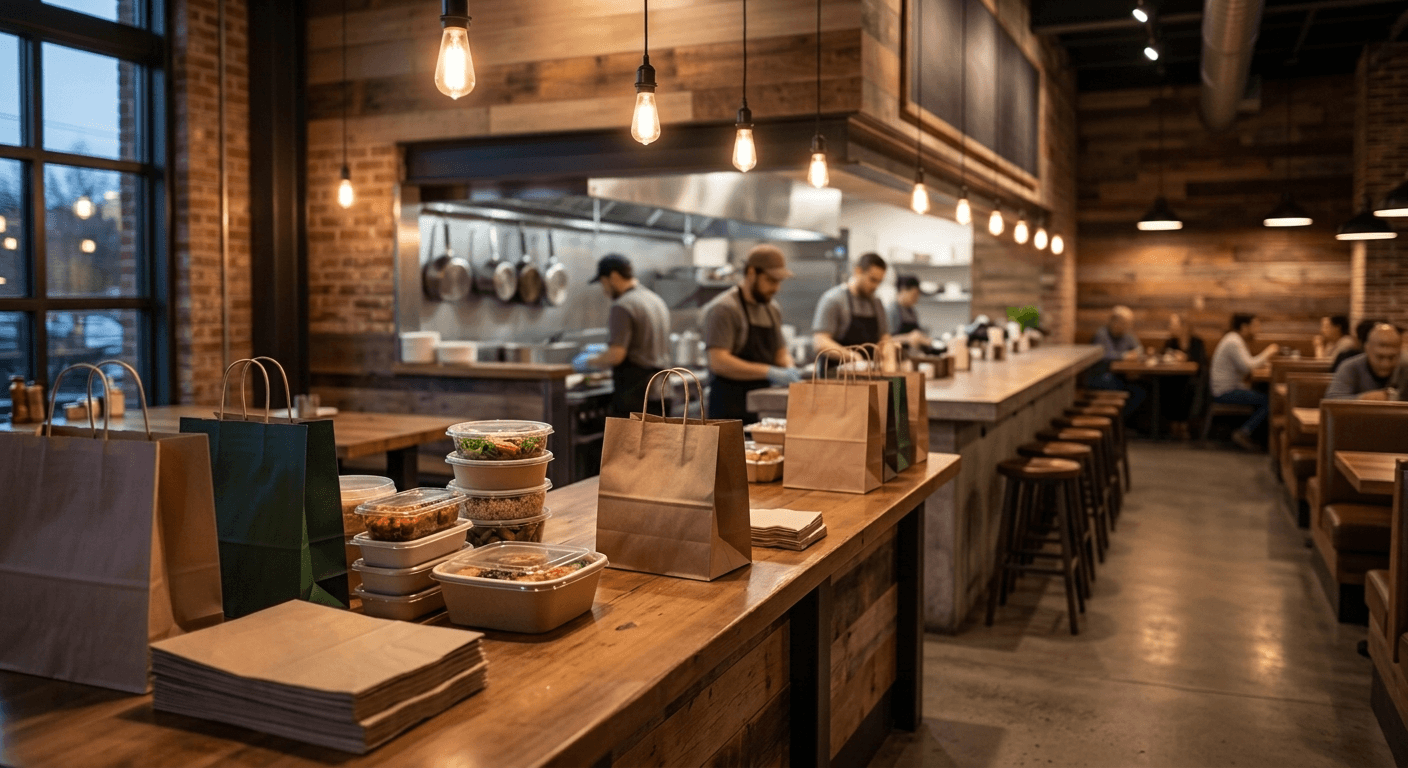
Kuljetuspalvelut haukkaavat usein turhan ison palan ravintolan katteesta. Tiesitkö, että kolmannen osapuolen alustan kautta tulevan tilauksen myyntikate voi olla jopa 94 % pienempi kuin ravintolassa nautitun aterian? Monelle ravintoloitsijalle kotiinkuljetusten suosio tuntuukin jatkuvalta vuodolta, joka syö viivan alle jäävää tulosta. Nyt on aika ottaa ohjat takaisin omiin käsiin ja kääntää kuljetuspalvelut kannattavaksi liiketoiminnaksi.
Hallitse kotiinkuljetusten yksikkötalous
Kotiinkuljetusten numerot ovat usein tylyä luettavaa, mutta niiltä ei voi sulkea silmiään. Vaikka kotiinkuljetusten ennustetaan kattavan 70 % digitaalisesta myynnistä vuoteen 2026 mennessä, mukanaolo on kallista. Tyypillinen 14 euron hampurilainen tuottaa paikan päällä myytynä noin 36 prosentin katteen. Lähettipalvelussa 30 prosentin välityspalkkio ja muut kulut voivat sulattaa katteen vain 6 prosenttiin.
Selviytyminen edellyttää ravintolan jakelustrategian hiomista tieteellisellä tarkkuudella. Käytännössä tämä tarkoittaa kurinalaisia, usein 10–20 prosentin hinnankorotuksia kuljetusvalikoimaan, jotta korkeat välityspalkkiot saadaan katettua. Suhtaudu lähettipalveluihin ensisijaisesti markkinointityökaluna uusien asiakkaiden hankkimiseen, mutta pyri siirtämään heidät aktiivisesti omiin tilauskanaviisi. Toinen tehokas keino katteen suojelemiseksi on luoda nimenomaan kuljetettaviksi sopivia tilauspaketteja, joiden raaka-ainekulut ovat matalat mutta koettu arvo ja kestävyys kuljetuksen aikana korkea.
Eroon tablettiviidakosta ja manuaalisesta työstä
Viiden eri laitteen hallinta tiskillä on varma tapa aiheuttaa operatiivinen kaaos. Tilausten manuaalinen näppäily kassajärjestelmään ei ole vain turhauttava päänvaiva henkilökunnalle, vaan se on suora taloudellinen riski. Tutkimusten mukaan manuaalinen kirjaaminen johtaa keskimäärin 3–5 prosentin liikevaihdon menetykseen inhimillisten virheiden ja unohtuneiden tilausmuutosten vuoksi.
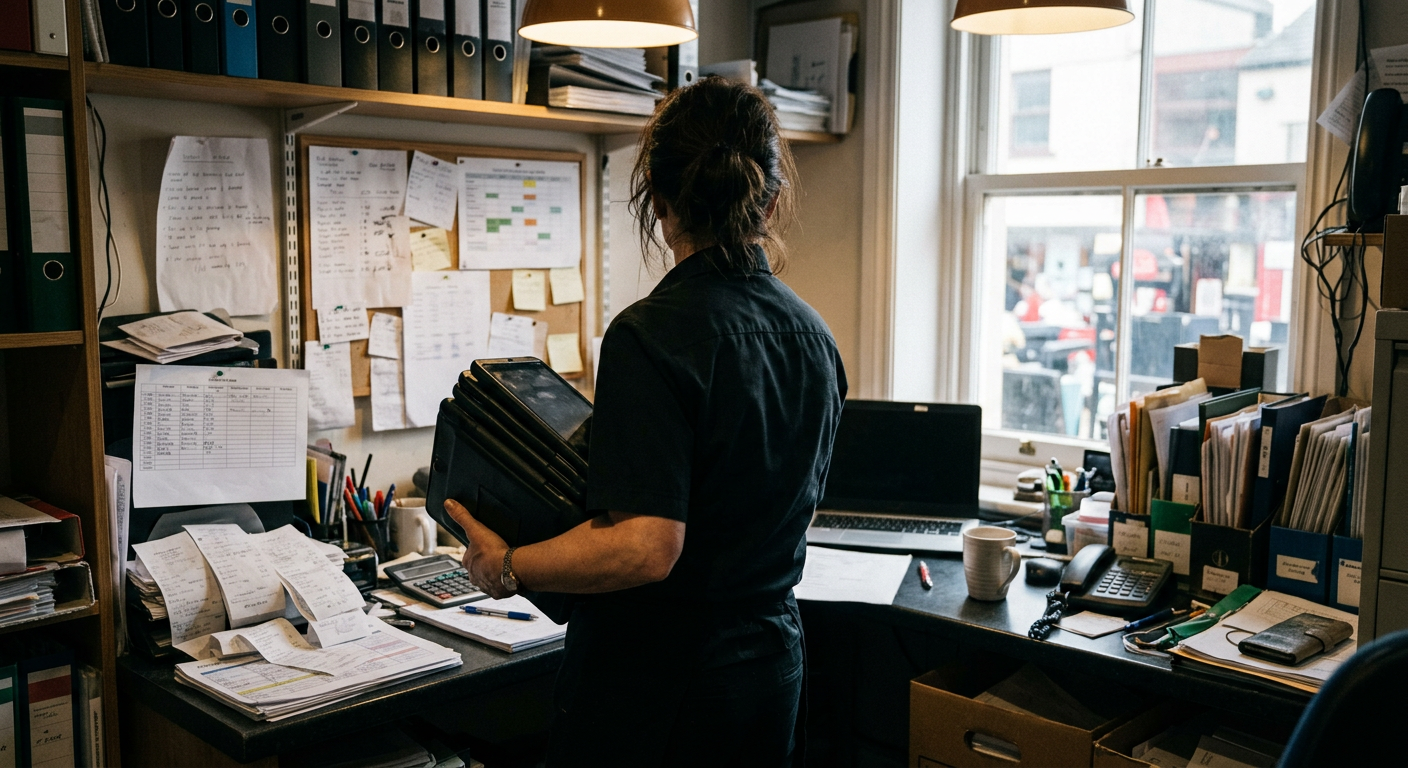
Nykyaikainen kotiinkuljetuspalveluiden integraatio poistaa tämän kitkan. Kun yhdistät eri alustat, kuten Woltin ja Foodoran, suoraan yhteen järjestelmään, tilaukset siirtyvät automaattisesti keittiöön. Hyödyntämällä kassajärjestelmän integraatio-opasta voit saavuttaa jopa 98,5 prosentin tilaustarkkuuden. Tämä tarkkuus säästää tuhansia euroja vuodessa, kun virheistä johtuvat hyvitykset ja ilmaiset paikkausateriat jäävät pois. Moni yrittäjä on raportoinut säästäneensä näin jopa useita tuhansia euroja jo ensimmäisen vuoden aikana.
Ohjaa tilausvirta omiin kanaviin
Lukuero on hätkähdyttävä: jos 45 euron tilaus lähettipalvelun kautta jättää ravintolalle 6 % katteen, sama tilaus oman tilausjärjestelmän kautta voi tuottaa jopa 38 % katteen. Tämän 32 prosenttiyksikön eron hyödyntäminen on elinehto kannattavalle digitaaliselle toiminnalle.
Saadaksesi asiakkaat vaihtamaan kanavaa, sinun on tarjottava etuja, joita suuret alustat eivät tarjoa. Käytä integroitua kanta-asiakasohjelmaa palkitaksesi asiakkaita, jotka tilaavat suoraan sinulta. Digitaaliset kanta-asiakkaat kuluttavat keskimäärin yli kaksi euroa enemmän tilausta kohden. Kun kanta-asiakasohjelma on osa kassajärjestelmää, liittymisaste on huomattavasti korkeampi kuin erillisissä sähköpostilistoissa. Samalla kerrytät arvokasta asiakasdataa, jonka avulla voit kohdentaa tarjouksia täysin asiakkaiden mieltymysten mukaan.
Optimoi keittiön työnkulku teknologialla
Kotiinkuljetustilausten ei tulisi koskaan heikentää ravintolassa istuvien asiakkaiden kokemusta. Keittiönäyttöjärjestelmä (KDS) korvaa epämääräiset kuittipinot reaaliaikaisella ohjauksella. Teknologia mahdollistaa valmistusaikojen tarkan seurannan: voit esimerkiksi asettaa tavoitteet, joissa alkupalat valmistuvat 8 minuutissa ja pääruoat 15 minuutissa.
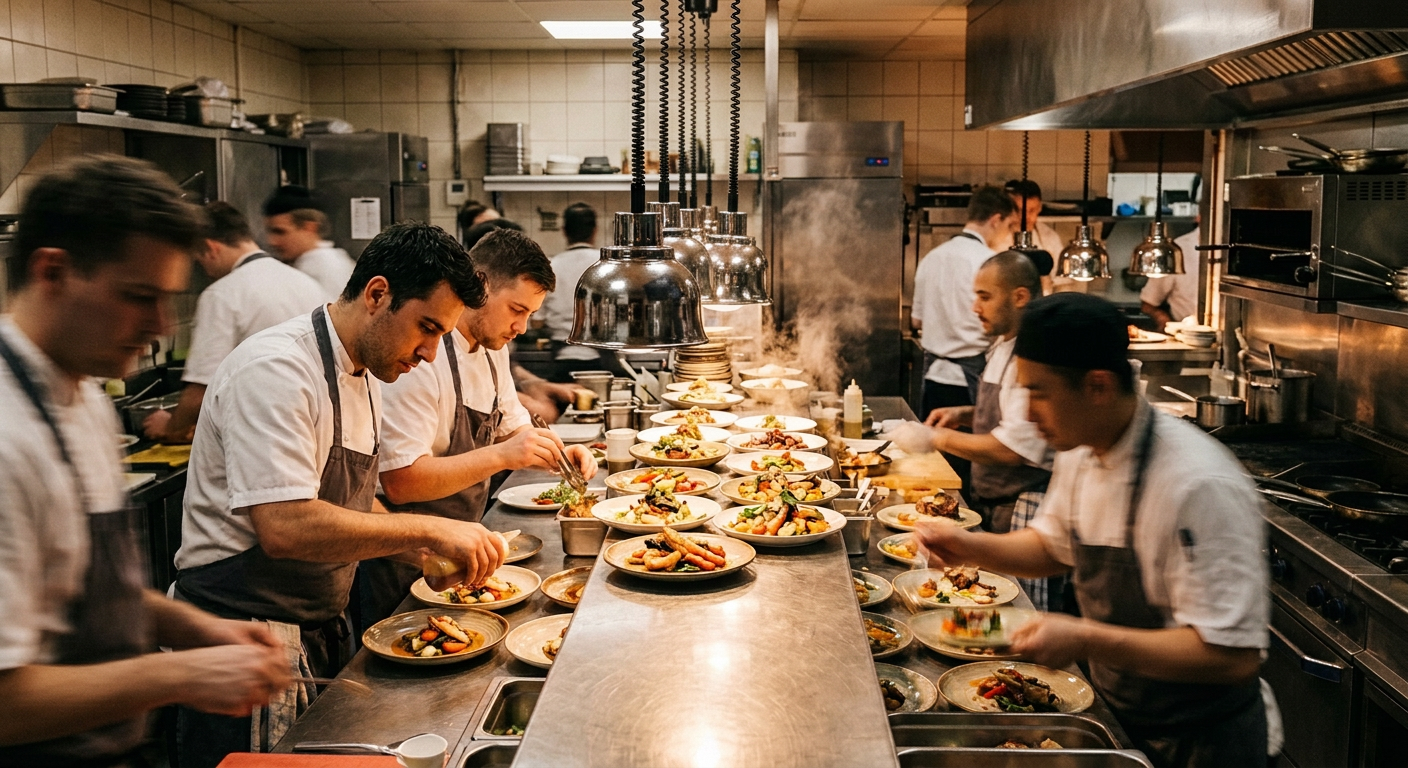
Tehokkuuden perusta on kassajärjestelmän ja varastonhallinnan saumaton yhteistyö. Jokaisen myydyn annoksen tulisi vähentää raaka-aineet varastosta automaattisesti gramman tarkkuudella. Tällainen seuranta voi leikata raaka-ainekustannuksia jopa 5 % jo muutamassa kuukaudessa. Lisäksi yhtenäinen järjestelmä varmistaa, että kun jokin raaka-aine loppuu, tuote poistuu automaattisesti myynnistä niin omilta sivuiltasi kuin kaikista lähettipalveluista. Näin vältät turhat peruutukset ja asiakaspettymykset.
Vähennä hävikkiä datan avulla
Lopeta mututuntumaan luottaminen ja siirry tietoon perustuvaan johtamiseen. Käytä kassajärjestelmää ja reaaliaikaista analytiikkaa tunnistaaksesi ruokalistasi menestyjät ja ne annokset, jotka vain hidastavat keittiötä olematta kannattavia. Jos data paljastaa, että tietty annos aiheuttaa valtaosan virhetilauksista, voit muokata reseptiä tai poistaa sen kuljetusvalikosta ennen kuin se aiheuttaa lisää kuluja.
- Keskity hallintaan: Yhdistä kaikki tilausvirrat yhteen näkymään henkilökunnan stressin vähentämiseksi.
- Seuraa kuluja: Tarkkaile reaaliaikaisia työvoimakustannuksia ja reagoi nopeasti hiljaisiin hetkiin.
- Hävikki kuriin: Seuraa poikkeamia tunnistaaksesi mahdolliset ongelmat annoskoossa tai raaka-aineiden käsittelyssä.
Ravintoloitsijat, jotka siirtyvät käyttämään kokonaisvaltaista hallintatyökalua, säästävät usein jopa 12 tuntia viikossa hallinnollisessa työssä. Se on aikaa, jonka voit käyttää liiketoiminnan kehittämiseen manuaalisen Excel-pyörityksen sijaan. Kotiinkuljetusten tehostamisessa ei ole kyse kovemmasta työnteosta, vaan fiksusta teknologiasta. Tutustu siihen, miten Spindl voi yhtenäistää ravintolasi toiminnot, ja varaa esittely jo tänään.