Lähimaksu ravintolassa: säästä 10 minuuttia pöytää kohden
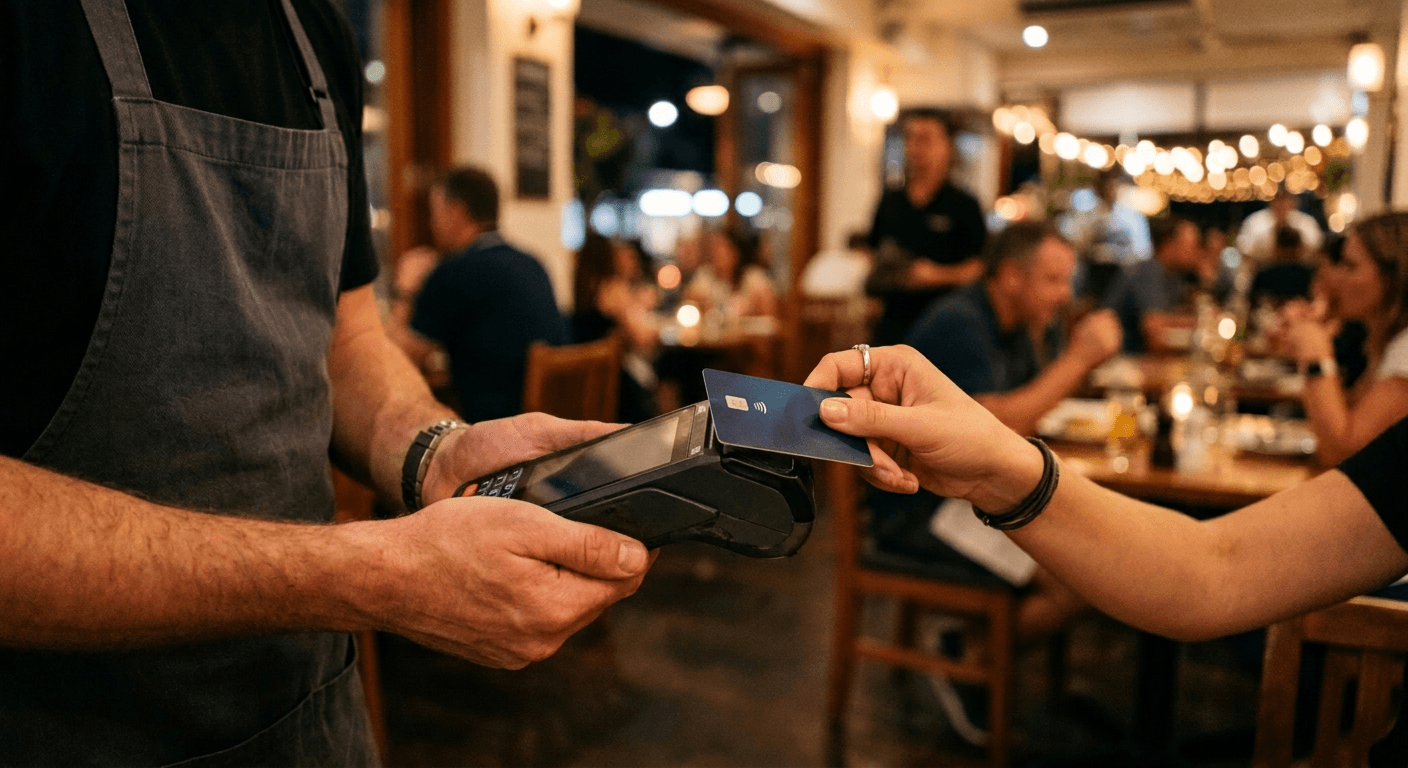
Kuluttaako salihenkilökuntasi edelleen minuuttikaupalla aikaa laskujen kantamiseen ja maksun odotteluun pöydässä? Yhdysvaltain keskuspankin maksutapahtumatilastojen mukaan jo seitsemän kymmenestä kuluttajasta suosii mobiilimaksamista. Hitaat ja vanhentuneet maksurutiinit syövät liikevaihtoa ja hidastavat pöytäkiertoa – lähimaksu puolestaan modernisoi ravintolasi asiakaspalvelun kertaheitolla.
Mitä lähimaksu tarkoittaa ravintolassa?
Ravintolassa lähimaksu tarkoittaa sitä, että asiakas voi maksaa ostoksensa kätevästi ilman maksukortin luovuttamista tarjoilijalle tai tunnusluvun näppäilyä yhteisellä maksupäätteellä. Teknologian taustalla on NFC-lähitiedonsiirto (Near Field Communication), joka takaa turvallisen langattoman datansiirron maksutavan ja maksupäätteen välillä muutaman senttimetrin etäisyydeltä.
Yleisimpiä lähimaksutapoja ovat:
- Älypuhelimiin ja -kelloihin tallennetut mobiililompakot, kuten Apple Pay ja Google Pay.
- Lähimaksuominaisuudella varustetut maksukortit (EMV-kortit).
- Ravintolan pöytä- tai kuittikohtaiset QR-koodit, joiden kautta asiakas voi maksaa laskun suoraan omalla laitteellaan verkossa.
- Digitaaliset itsepalvelukioskit, joissa on sisäänrakennettu lähimaksulukija.
Miten lähimaksuteknologia nopeuttaa ravintolan toimintaa
Edestakainen juokseminen laskukansioiden ja maksupäätteiden välillä on ruokaravintoloiden suurimpia toiminnallisia pullonkauloja. Nykyaikainen maksuteknologia karsii ylimääräiset työvaiheet, mikä lyhentää odotusaikoja ravintolassa ja voi nopeuttaa maksutapahtumaa aterian päätteeksi jopa 5–10 minuuttia pöytää kohden.
Kämmenkokoisten mobiilikassajärjestelmien avulla tilauksen voi ottaa ja maksaa suoraan pöydässä. Tarjoilijat voivat veloittaa maksut saman tien, ja QR-koodien käyttö ravintolassa antaa asiakkaille täyden vapauden maksaa ja lähteä juuri silloin kuin heille sopii.
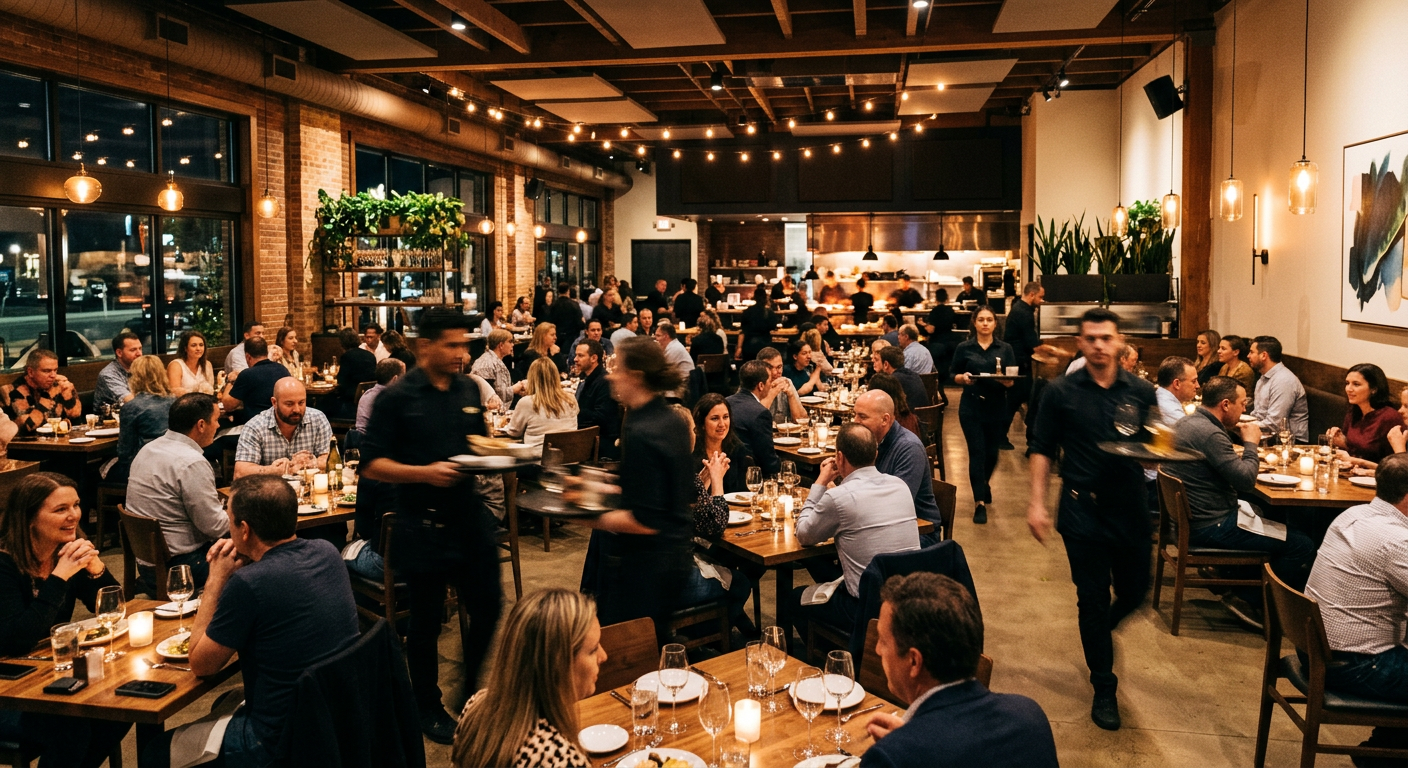
Operatiivinen tehokkuus ja tilaustarkkuus
Lähimaksu tekee muutakin kuin nopeuttaa rahastusta – se myös turvaa ravintolan katetta. Digitaaliset tilausratkaisut, kuten itsepalvelukioskit, esittävät lisämyyntiehdotukset automaattisesti jokaiselle asiakkaalle, mikä nostaa keskiostosta tasaisesti.
Kun asiakas näppäilee tilauksensa itse, väliin jäävät salin ja keittiön väliset inhimilliset virheet. Manuaalityön vähentäminen on avainasemassa tilaustarkkuuden parantamisessa ja kalliiden keittiövirheiden ehkäisyssä. Kun pöytämaksaminen yhdistetään suoriin verkkotilausjärjestelmiin, ravintola saa täyden tehon mobiilitilaamisen hyödyistä ravintoloille – niin paikan päällä ruokaillessa kuin nouto- ja kotiinkuljetustilauksissakin.
Tietoturva ja PCI-standardit: turvallisempaa kuin kortin lukeminen
Osa ravintoloitsijoista saattaa kantaa huolta langattoman maksamisen turvallisuudesta, mutta todellisuudessa NFC-maksaminen on huomattavasti turvallisempaa kuin perinteinen kortin lukeminen magneettijuovalta. Lähimaksu perustuu tokenisointiin: kriittiset korttitiedot korvataan kertakäyttöisillä digitaalisilla tunnisteilla (tokeneilla), joilla väärinkäyttäjät eivät tee mitään.
Mobiililompakot parantavat tietoturvaa entisestään vaatimalla aina biometrisen vahvistuksen, kuten kasvontunnistuksen tai sormenjäljen. Jokaisen maksutietoja käsittelevän ravintolan on myös noudatettava alan virallisia PCI DSS -tietoturvastandardeja. Mikäli lähimaksupäätteenä käytetään tavallista älypuhelinta tai tablettia, maksunvälittäjät noudattavat tiukkoja CPoC-määräyksiä (Contactless Payments on COTS) kortinhaltijoiden tietojen suojaamiseksi.
Näin otat lähimaksumahdollisuuden käyttöön ravintolassasi
Lähimaksuihin siirtyminen ei vaadi raskaita tai monimutkaisia järjestelmäuudistuksia. Pääset helposti alkuun seuraavilla askeleilla:
- Tarkista nykyiset laitteet: Selvitä, tukeeko nykyinen kassa- ja maksupäätelaitteistosi jo NFC-lähimaksua.
- Valitse yhtenäinen maksutapa: Ota käyttöön Spindl Pay -maksujärjestelmä, jolla hallitset maksuja saumattomasti niin salissa, mobiilissa kuin itsepalvelukioskeillakin.
- Varmista integraatiot: Varmista, että järjestelmäsi integraatiot välittävät kaikki tilauskanavat suoraan keittiönäytöille.
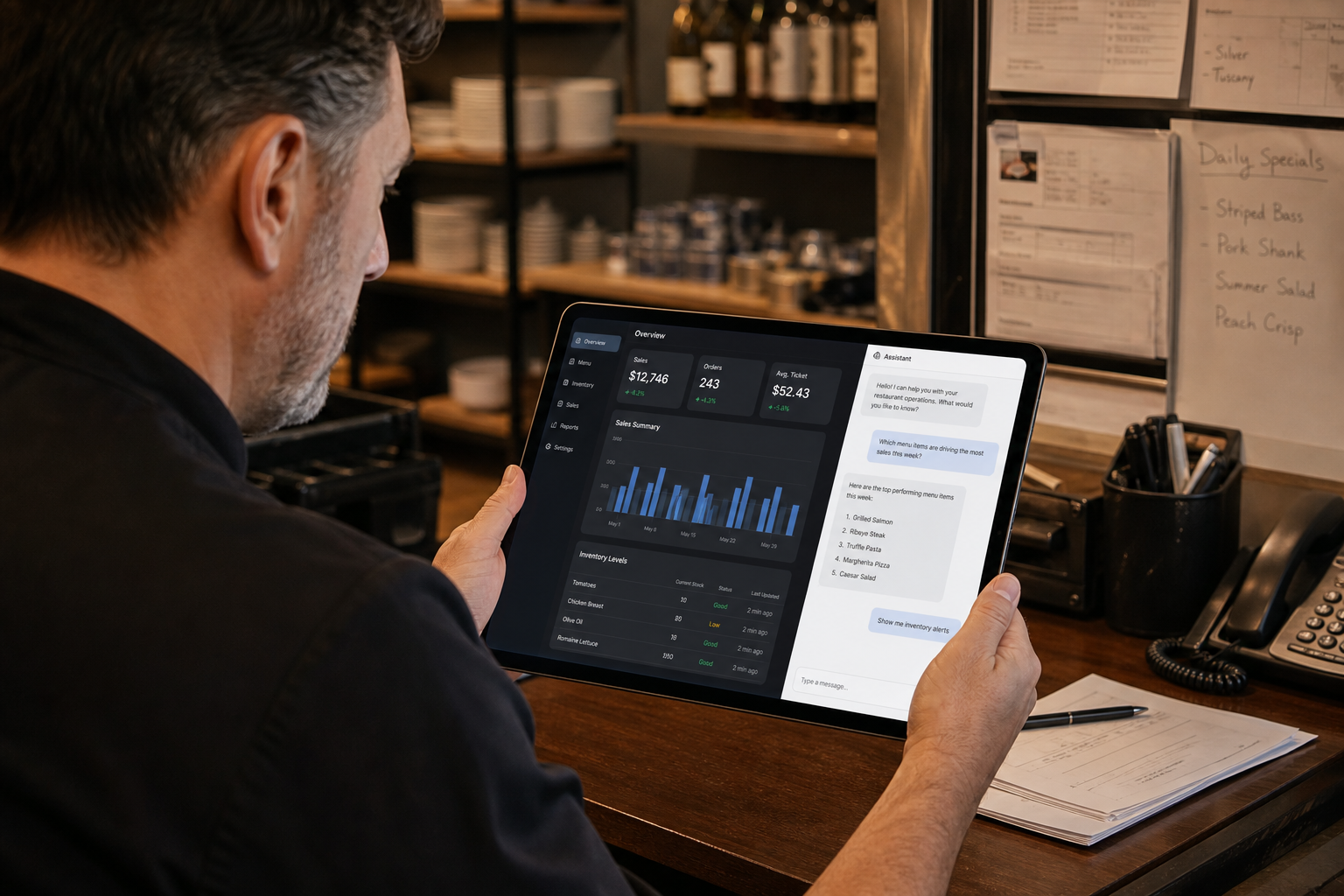
- Hyödynnä dataa: Yhdistä myyntitiedot kassajärjestelmään ja reaaliaikaiseen analytiikkaan, jotta voit seurata pöytäkiertoa ja myyntipiikkejä tarkasti.
- Perehdytä tiimisi: Kouluta salihenkilökunta uusiin maksutapoihin ja laitteisiin, mutta säilytä silti rinnalla perinteiset maksuvaihtoehdot, kuten käteinen ja sirukortti.
Jos eri kanavien kokonaishallinta tuntuu monimutkaiselta, erinomainen ratkaisu on AgenticPOS. Se kytkeytyy suoraan nykyiseen kassajärjestelmääsi ja mahdollistaa taustatoimintojen, ruokalistojen, varaston ja myyntidatan hallinnan yksinkertaisilla tekoälykehotteilla suoraan Clauden tai ChatGPT:n kaltaisista työkaluista.
Uudista maksukokemus jo tänään
Maksutapahtumien sujuvoittaminen pitää asiakkaat tyytyväisinä, nopeuttaa pöytäkiertoa ja keventää salihenkilökunnan kuormitusta. Oletko valmis jättämään hitaat rutiinit taaksesi ja nostamaan ravintolasi tehokkuuden uudelle tasolle? Tutustu siihen, miten Spindlin kaltainen integroitu alusta yhdistää tilaustenhallinnan, kassajärjestelmän ja lähimaksut yhdeksi saumattomaksi kokonaisuudeksi.