Miten nykyaikainen kassajärjestelmä suojaa ravintolan 5 prosentin voittomarginaalia
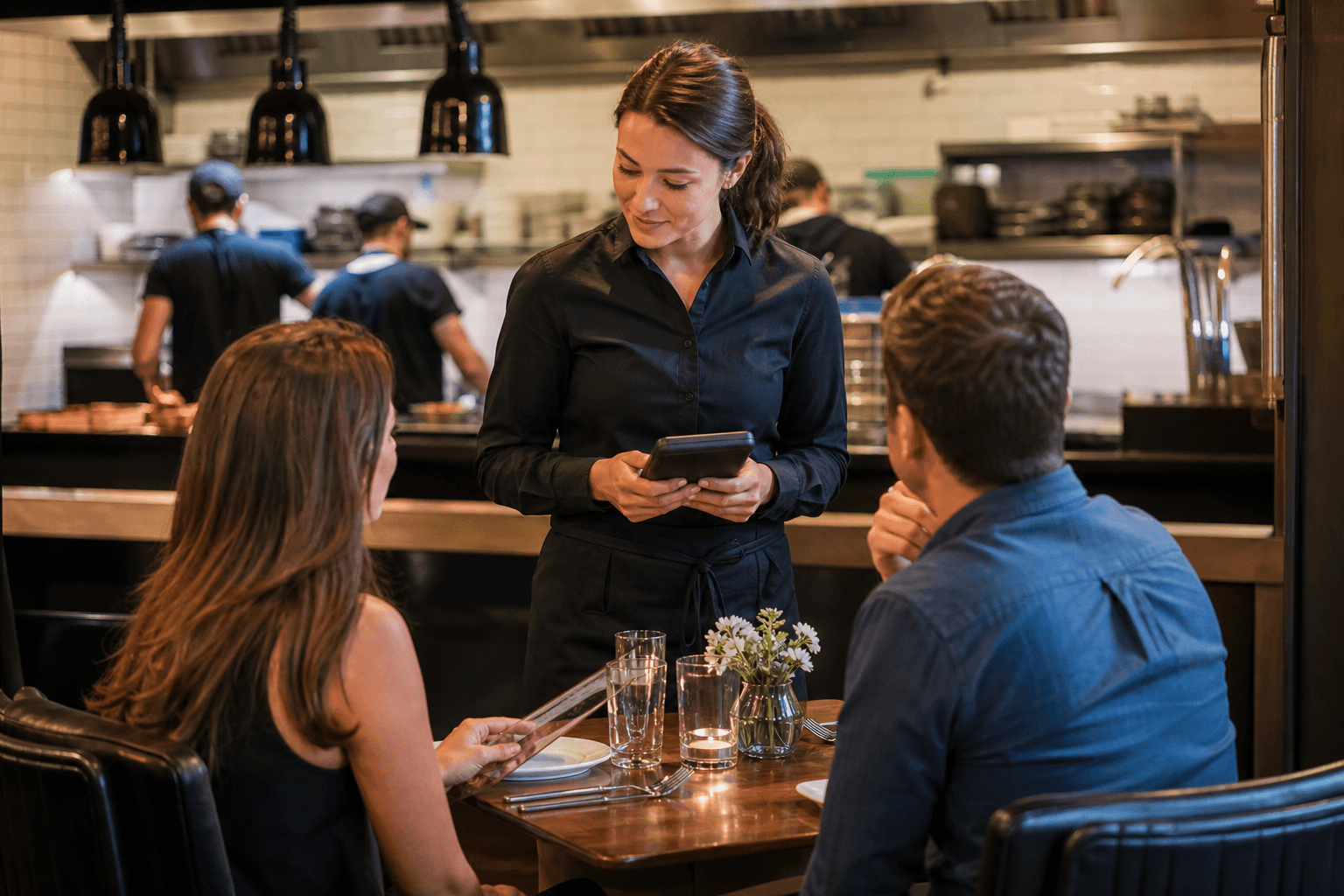
Tiesitkö, että ravintoloiden keskimääräinen nettovoittomarginaali on vain 3–5 prosenttia? Raaka-aine- ja työvoimakustannusten jatkuvasti noustessa jokapäiväisten käyttökustannusten reaaliaikainen hallinta on ainoa keino turvata liiketoiminnan tulos. Nykyaikainen kassajärjestelmä muuttaakin arjen sekamelskan tehokkaaksi ja tulokselliseksi toiminnaksi.
Nopeampi palvelu ilman ruuhka-ajan kaaosta
Ravintola-alalla jokainen minuutti on rahaa. Ruuhkahuippujen aikana viiveet tilausten ottamisessa tai niiden välittämisessä keittiöön rajoittavat suoraan sitä, kuinka monta asiakasta tuntia kohden voidaan palvella.
Yhdysvaltain ravintolaliiton (National Restaurant Association) tutkimuksen mukaan 81 % ravintoloitsijoista tukeutuu kassajärjestelmiin, ja lähes puolet suunnittelee lisäinvestointeja teknologiaan. Integroitu järjestelmä toimii koko ravintolan digitaalisena hermostona, joka yhdistää salin ja keittiön saumattomasti. Käsin kirjoitettujen lappujen sijaan henkilökunta ohjaa tilaukset pöydästä tai mobiililaitteelta suoraan keittiönäytölle (KDS, Kitchen Display System).
Tämä suora tiedonkulku tehostaa toimintaa mitattavasti:
- Pöytäkierto nopeutuu 10–15 minuutilla, minkä ansiosta ruokaravintolat voivat palvella ruuhkavuoroissa 10–15 % enemmän asiakkaita.
- Tilauskanavien keskittäminen poistaa päällekkäistä syöttötyötä ja vähentää viikoittaista hallinnollista työtä jopa 30 %.
- Intuitiivinen kassajärjestelmän käyttöliittymä varmistaa, että uusi henkilökunta oppii ottamaan tilauksia virheettömästi jo muutamassa minuutissa.
Lue lisää tuntikohtaisen kapasiteetin maksimoimisesta oppaastamme, joka käsittelee toiminnan tehostamista kassajärjestelmän ja analytiikan avulla.
Tilaustarkkuus yli 98 prosenttiin
Virheet tilauksissa syövät katetta huomaamatta. Yksikin väärä raaka-ainevalinta tai väärin ymmärretty annos haaskaa raaka-aineita, sitoo keittiön aikaa ja murentaa asiakaskokemusta.
Suurin osa virheistä johtuu pirstaleisista toimintatavoista, kuten kotiinkuljetuspalveluiden tilausten naputtelusta käsin pääpäätteelle. Tilauskanavien integrointi poistaa nämä sudenkuopat kokonaan.
- Asiakkaan tekemät suorat tilaukset QR-koodien tai itsepalvelukioskien kautta ehkäisevät näppäilyvirheet, sillä keittiö saa tiedon täsmälleen valituista tuotteista.
- Pakolliset lisävalinnat estävät puutteellisten tilausten lähettämisen keittiöön – esimerkiksi jos pihvin kypsyysaste on jäänyt valitsematta.
- Digitaaliset keittiönäytöt korvaavat katoavat paperilipukkeet ja korostavat erikoistoiveet värikoodatuilla ajastimilla.
Yhdistämällä ravintolassa nautittavien, mukaan otettavien ja kotiinkuljetettavien tilausten virrat yhteen järjestelmään ravintolat voivat yltää jopa 98,5 prosentin tilaustarkkuuteen. Tutustu virheiden vähentämiseen artikkelissamme kassajärjestelmän vaikutuksesta tilaustarkkuuteen.
Raaka-ainekustannukset haltuun reaaliaikaisella varastoseurannalla
Ruoka- ja juomakustannukset haukkaavat tyypillisesti 28–32 % ravintolan kokonaistuloista. Toimiala-analyysien mukaan ravintoloiden kokonaiskäyttökustannukset ovat nousseet 36 % vuodesta 2019, ja Yhdysvaltain maatalousministeriö (USDA) raportoi, että 30–40 % elintarvikkeista päätyy hävikkiin.
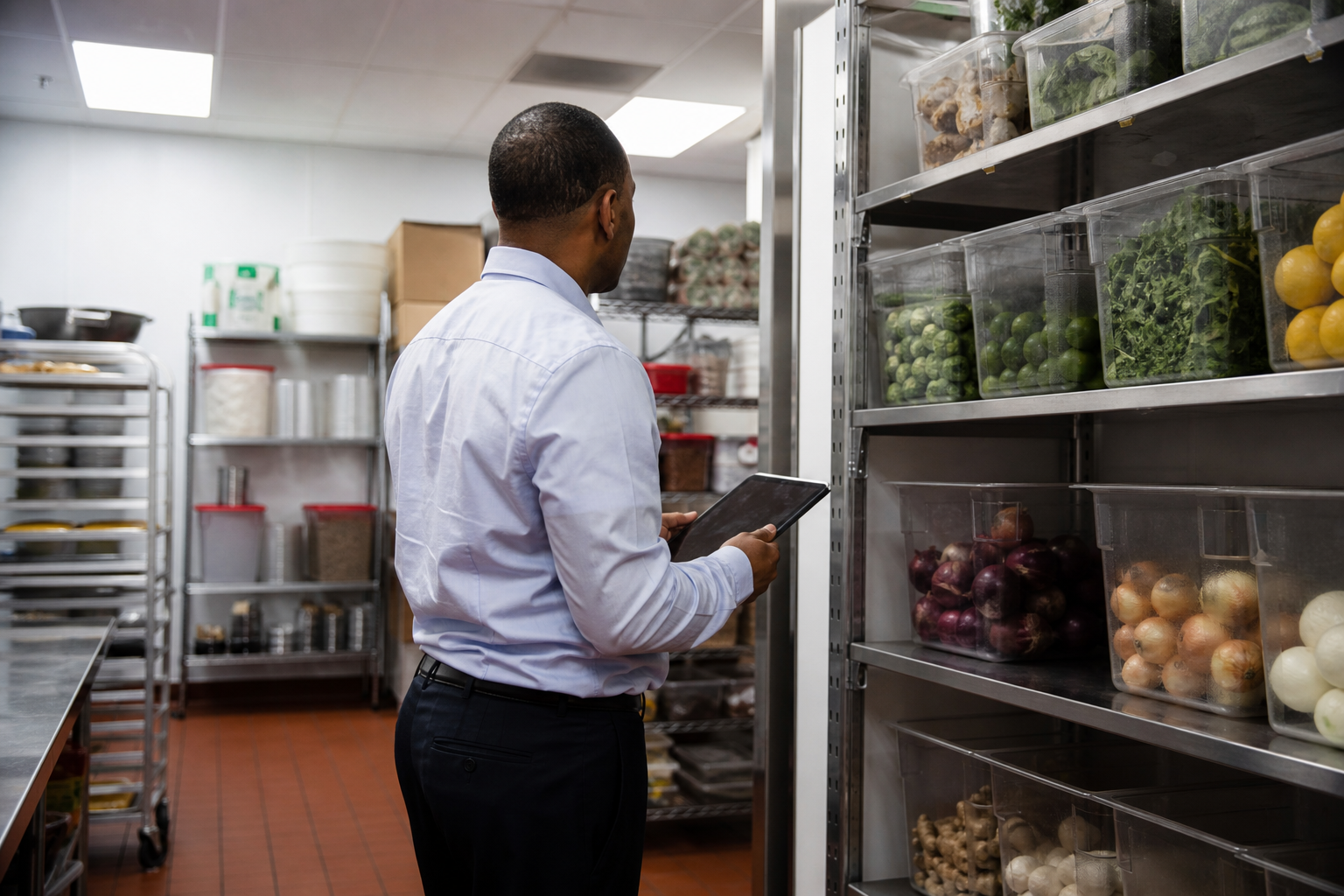
Kassajärjestelmän kytkeminen raaka-ainevarastoon tuo toimintaan jatkuvan näkyvyyden:
- Jokainen kassatapahtuma vähentää reseptin mukaiset raaka-aineet laskennallisesta varastosta täsmällisesti grammalleen.
- Laskennallisen kulutuksen vertaaminen fyysiseen inventaarioon paljastaa liian suuret annoskoot, hävikin ja mahdolliset varkaudet.
- Automaattiset hälytykset ilmoittavat varastosaldon hupenemisesta ravintolapäällikölle jo ennen kuin kriittiset raaka-aineet pääsevät loppumaan kesken vuoron.
Jos haluat päästä eroon erillisistä taulukkolaskentaohjelmista, tutustu kassajärjestelmän ja varastonhallinnan integroimiseen tai vertaile erikoistuneita ravintoloiden varastonhallintaohjelmistoja. Voit myös lukea, miten sisäänrakennetut kassajärjestelmän varasto-ominaisuudet pitävät saldot ajan tasalla automaattisesti.
Myyntidatan hyödyntäminen ruokalistan optimoinnissa (Menu Engineering)
Kaikki liikevaihto ei tuota saman verran voittoa. Suuri myyntivolyymi heikkokatteisella tuotteella voi viedä tilaa huomattavasti kannattavammilta annoksilta.
Arvioimalla tuotemyyntiä suhteessa reaalikustannuksiin ravintoloitsijat voivat luokitella ruokalistan annokset neljään luokkaan:
- Tähdet (suuri suosio, korkea kate): Nosta nämä tärkeimmät tulontekijät näkyvästi esiin fyysisissä ja digitaalisissa ruokalistoissa.
- Työjuhdat (suuri suosio, alhainen kate): Tarkista annoskoot tai tee maltillisia hinnankorotuksia katemarginaalin parantamiseksi.
- Arvoitukset (alhainen suosio, korkea kate): Kasvata myyntiä paremmalla asettelulla, tarjoilijoiden suosituksilla tai uudelleennimeämisellä.
- Koirat (alhainen suosio, alhainen kate): Karsi tai korvaa nämä annokset esivalmisteluajan säästämiseksi ja hävikin vähentämiseksi.
Näiden tietojen poimiminen ravintolakassan raportointiominaisuuksista antaa selkeän pohjan ruokalistan dynaamiselle kehittämiselle tiedon pohjalta.
Työvuorosuunnittelun sovittaminen todelliseen kysyntään
Työvoimakustannukset muodostavat 25–35 % ravintolan liikevaihdosta. Ylimääräinen miehitys hiljaisina iltapäivätunteina kuluttaa kassaa, kun taas alimiehitys odottamattoman ruuhkan sattuessa heikentää palvelun laatua.
Tuntikohtaisen myynnin analysointi mahdollistaa työvuorojen mitoittamisen suoraan historiallisen asiakasvirran mukaan:
- Tuntikohtainen myyntianalyysi paljastaa tarkat myyntihuiput, jolloin henkilökuntaa voidaan vuorottaa täsmällisesti tarpeen mukaan.
- Myynti työtuntia kohden -mittarit auttavat päälliköitä optimoimaan vuorojen limitykset ja reagoimaan henkilöstöbudjettiin jopa kesken vuoron.
- Joustavat vuoromuutokset pitävät ravintolan katteet kunnossa tinkimättä asiakastyytyväisyydestä.
Perehdy tiedolla johtamiseen työvuorosuunnittelussa lukemalla oppaamme parhaista käytännöistä ravintolan kassajärjestelmäanalytiikan hyödyntämisessä.
Liiketoiminnan johtaminen tekoälyn ja integroitujen työkalujen avulla
Nykyaikainen johtamisteknologia tarjoaa paljon enemmän kuin staattisia raporttinäkymiä. Tekoälyintegraatioiden ansiosta taustajärjestelmiä voi ohjata suoraan keskustelukomennoilla.
Esimerkiksi AgenticPOS tarjoaa avoimen MCP-palvelimen, jonka avulla Clauden tai ChatGPT:n kaltaiset tekoälyavustajat voivat käyttää kassajärjestelmää luonnollisen kielen kautta. Voit päivittää hintoja, hallinnoida useiden toimipisteiden ruokalistoja, tarkistaa vuorojen miehityksen ja tarkastella varastotilannetta ilman, että sinun täytyy selata läpi useita hallintapaneeleja.
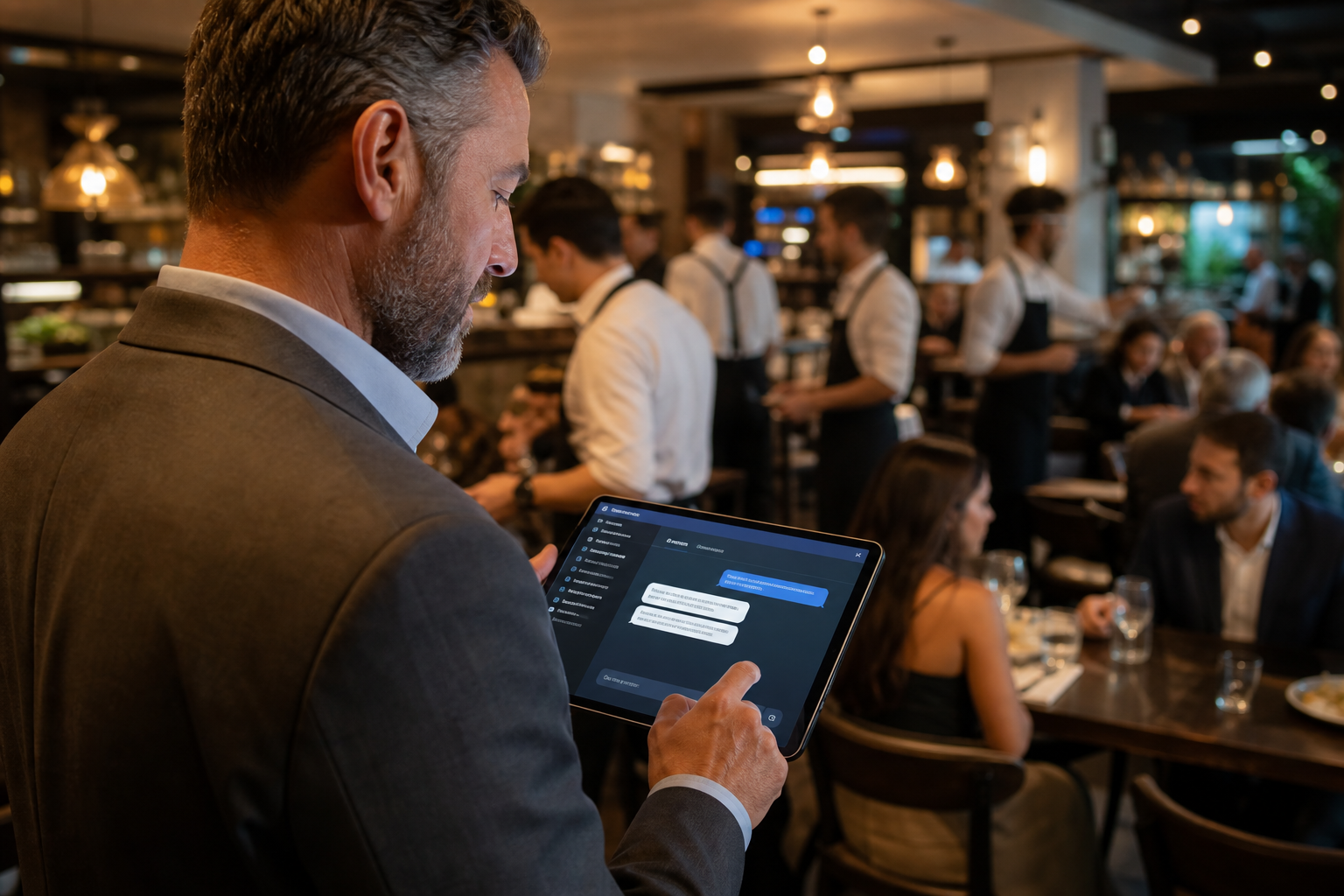
Keskustelevien tekoälytyökalujen ja kattavien kassajärjestelmän ominaisuuksien yhdistäminen luo vankan pohjan teknologialle. Kun yhdistät tilauskanavat kolmannen osapuolen alustaintegraatioiden avulla ja hyödynnät toimivaksi todettuja vinkkejä ravintolan toiminnan tehostamiseen, suojaat voittomarginaaliasi tehokkaasti.
Yhdistä ravintolan kaikki toiminnot
Lopeta kotiinkuljetustablettien, manuaalisten varastotaulukoiden ja erillisten raportointityökalujen pyörittäminen. Salihenkilökunnan asiakaspalvelun, keittiön tilausvirran ja taustahallinnan analytiikan kokoaminen yhteen ekosysteemiin on nopein tapa suojata ravintolan katteita.
Oletko valmis pääsemään eroon laitekaaoksesta ja ottamaan käyttökustannukset haltuun? Vieraile Spindlin ominaisuussivulla ja katso, miten kokonaisvaltainen alustamme tehostaa tilauksia, varastonhallintaa ja analytiikkaa – tai ota AgenticPOS ilmaiseksi käyttöön nykyisessä kassajärjestelmässäsi jo tänään.