Tekoäly ravintolan apuna: Näin tehostat toimintaa ja kasvatat kannattavuutta
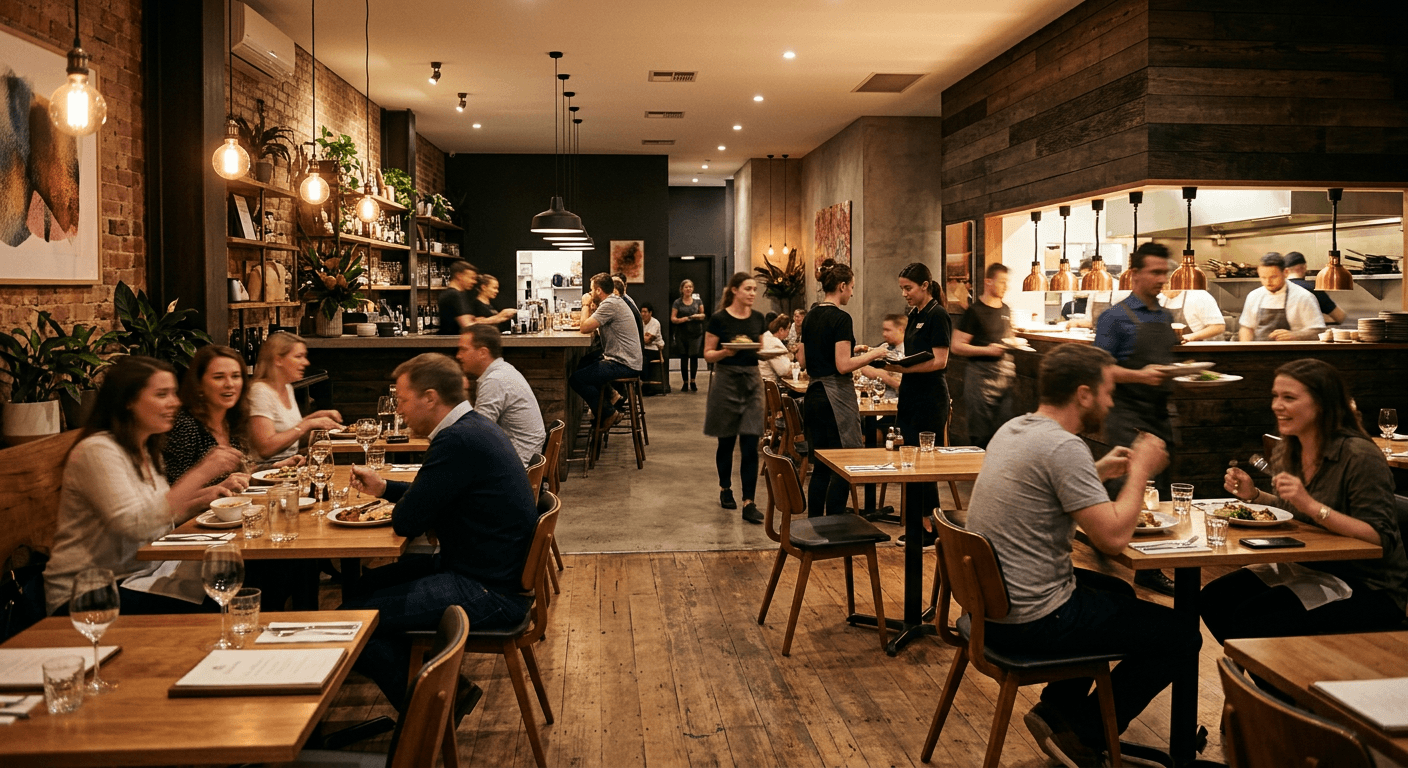
Johtaako ravintolaasi data vai pelkkä mututuntuma? Työvoimakustannusten noustua merkittävästi lyhyessä ajassa jo lähes 80 prosenttia ravintoloitsijoista on kääntynyt tekoälyn puoleen tehostaakseen toimintaansa. Tekoäly ei ole enää kaukainen tulevaisuuden visio, vaan uusi standardi, jolla varmistetaan kannattavuus korkeiden kustannusten markkinassa.
Sali: Sujuvampi ja virheetön asiakaskokemus
Salin puolella eli asiakasrajapinnassa (front-of-house) tekoälyn keskeinen tehtävä on purkaa palvelun pullonkauloja. Nykyaikainen teknologia tekee paljon muutakin kuin vain välittää tilauksia: se optimoi jokaisen kohtaamispisteen nopeuden ja tarkkuuden varmistamiseksi. Esimerkiksi tekoälyä hyödyntävät kassajärjestelmät saavuttavat jopa 98,5 prosentin tilaustarkkuuden. Inhimillisten virheiden karsiminen auttaa laskemaan annosten uudelleenvalmistusta merkittävästi, mikä suojaa suoraan katteita ja parantaa asiakastyytyväisyyttä.
Itsepalveluratkaisut ovat laajentuneet pikaruokaloista kaikenlaisiin ravintolaympäristöihin. Jopa 73 prosenttia asiakkaista suosii itsepalvelukioskeja ja mobiilitilaamista niiden nopeuden ja helppouden vuoksi. Nämä järjestelmät toimivat samalla tehokkaina lisämyyntityökaluina, jotka eivät koskaan unohda ehdottaa lisukkeita tai sesongin suosituksia. Tämän johdonmukaisuuden ansiosta alustat tyypillisesti kasvattavat keskiostoa 15–30 prosenttia ilman tarvetta henkilöstön lisäkoulutukselle.
Tehokkuus ulottuu myös puhelinpalveluun. Vastaamatta jäänyt puhelu on usein menetetty varaus, mutta tekoälypohjaiset puhelinpalvelut hoitavat nykyään tiedustelut ihmismäisen sujuvasti. Esimerkiksi teksasilainen Dos Salsas -ketju automatisoi tekoälyllä 41 000 puhelua kolmessa eri toimipisteessä. Tämä säästi yli 300 tuntia henkilöstön työaikaa ja kotiutti satoja tuhansia dollareita verkkomyyntiä ja varauksia. Kun rutiininomaiset kyselyt automatisoidaan, henkilökunta voi keskittyä täysillä ravintolassa jo olevien asiakkaiden palvelemiseen.
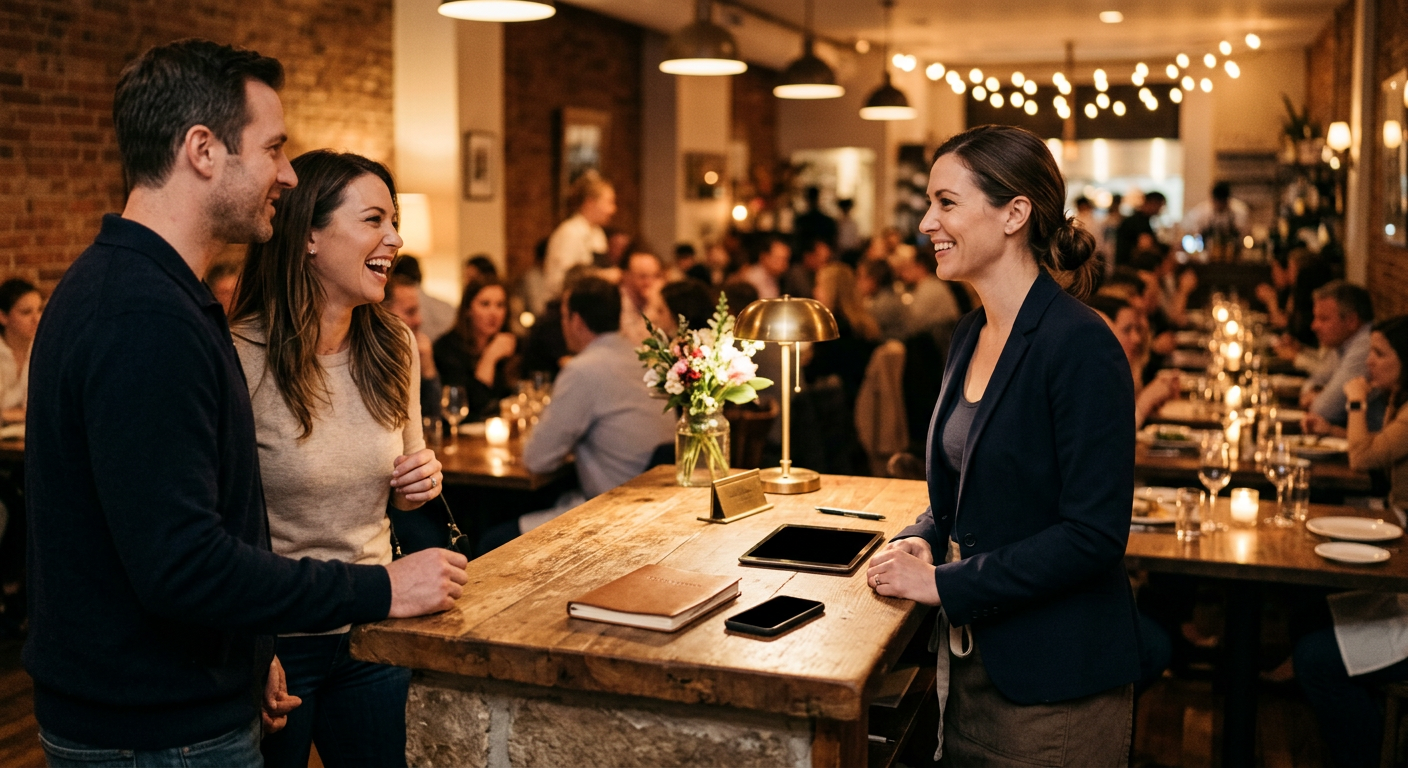
Keittiö: Tarkkuutta ja hävikin minimointia
Keittiö (back-of-house) on paikka, jossa ravintolan kannattavuus joko varmistetaan tai menetetään hävikin ja tehottomuuden vuoksi. Tekoäly toimii keittiötiimin digitaalisena ennustajana, joka ennakoi kysyntää jo ennen esivalmistelulistojen laatimista. Analysoimalla historiadataa, sääennusteita ja paikallisia tapahtumia järjestelmät pystyvät ennustamaan tarpeet tarkasti. On esimerkiksi havaittu, että tiettyjen raaka-aineiden kysyntä voi kasvaa jopa 40 prosenttia aurinkoisina perjantai-iltoina, mikä mahdollistaa tilausten säätämisen ajoissa.
Todellinen hukan vähentäminen vaatii kassadatan ja varastonhallinnan saumatonta integraatiota. Tämä mahdollistaa teoreettisen ja todellisen kulutuksen vertailun, joka paljastaa tarkalleen, mihin raaka-aineet katoavat. Kun jokaisella grammalla on merkitystä, automaattinen järjestelmä, joka huomauttaa ylisuurista annoksista tai vanhenevista tuotteista, on korvaamaton apu keittiömestarille.
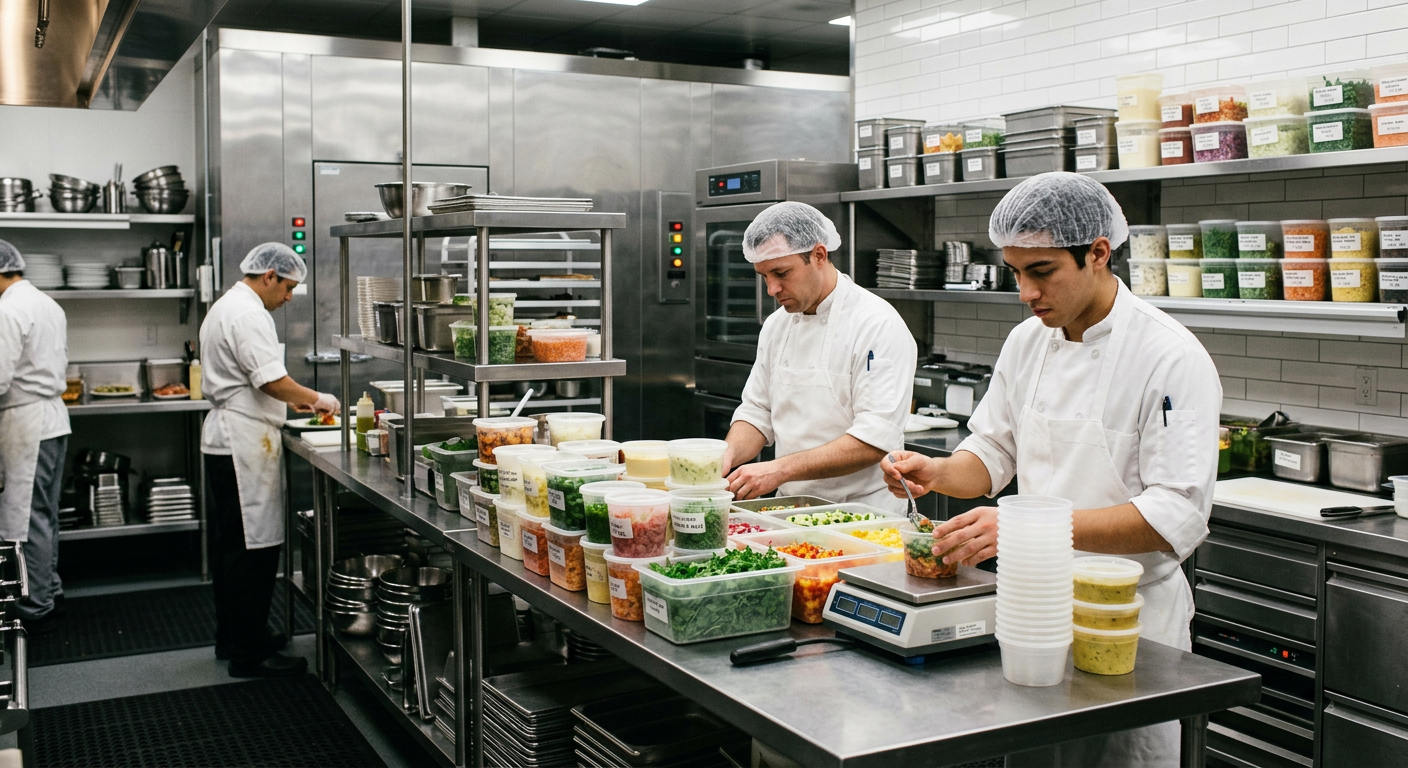
Myös johto hyötyy automatisoiduista ostoprosesseista. Manuaalisen varastokirjanpidon sijaan tekoäly voi luoda ostotilaukset automaattisesti, kun saldot laskevat määritetyn rajan alle. Tämä säästää esimiehiltä useita tunteja hallinnollista työtä viikossa ja varmistaa, ettei pääomaa sitoudu turhaan ylivarastoon.
Hallinto: Eroon manuaalisesta työstä
Hallinnolliset tehtävät ovat usein ravintolan tuottavuuden näkymätön este, joka vie aikaa pois vieraanvaraisuudelta ja liiketoiminnan kehittämiseltä. Siirtyminen integroituihin alustoihin voi leikata hallinnolliseen työhön kuluvaa aikaa jopa 30 prosenttia.
- Älykäs työvuorosuunnittelu: Kysyntäennusteisiin perustuva suunnittelu optimoi henkilöstökulut ja ehkäisee ruuhkapiikkien aiheuttamaa kaaosta.
- Automatisoitu raportointi: Poistaa tarpeen täsmäyttää manuaalisesti kotiinkuljetussovellusten ja kassajärjestelmän lukuja.
- Ennakoiva huolto: Tekoäly voi tunnistaa laitteiden vikaantumisriskit ennen kuin kallis rikkoutuminen pysäyttää koko keittiön.
Kuun lopun raporttien odottelun sijaan reaaliaikainen myyntianalytiikka mahdollistaa kurssin korjaamisen kesken vuoron. Jos päivän erikoisannos ei liiku odotetusti, esimies voi aktivoida kampanjan välittömästi. Tämä ketteryys varmistaa, että ravintola reagoi kuluvaan hetkeen eikä vain analysoi menneitä virheitä. Keskitetty tiedonlähde (single source of truth) takaa, että talousraportointi on aina ajan tasalla ilman uuvuttavaa naputtelua.
Hajanaisista työkaluista yhtenäiseen kokonaisuuteen
Monet ravintolat kamppailevat niin sanotun "Frankenstein-teknologian" kanssa – kyseessä on kokoelma erillisiä sovelluksia, jotka eivät keskustele keskenään. Tämä pirstaleisuus synnyttää tietosiiloja ja pakottaa henkilökunnan hallitsemaan useita eri laitteita samanaikaisesti. Digitaalinen kaaos johtaa tyypillisesti tuntuviin tulonmenetyksiin virheiden ja hyödyntämättömien mahdollisuuksien vuoksi.
Onnistunut digitaalinen transformaatio edellyttää näiden toimintojen tuomista yhteen ekosysteemiin. Kun kassajärjestelmä päivittää varastotilanteen automaattisesti jokaisen myydyn annoksen myötä, et enää vain pyöritä keittiötä – johdat datalla ohjattua, huippuunsa hiottua liiketoimintaa. Integraatio helpottaa myös henkilöstön koulutusta ja mahdollistaa personoidun palvelun keräämällä arvokasta tietoa asiakkaiden mieltymyksistä.
Tekoälyssä ei ole kyse ihmisyyden korvaamisesta, vaan rutiinien automatisoinnista. Kun manuaalisen tiedonsyötön ja arvailun taakka poistuu, tiimisi voi palata siihen, mikä todella merkitsee: erinomaisen asiakaskokemuksen luomiseen.
Lopeta erillisten järjestelmien kanssa painiminen ja aloita tietoon perustuva päätöksenteko. Lue lisää, kuinka Spindl OS yhdistää koko toimintasi yhdeksi tehokkaaksi, tekoälyvalmiiksi alustaksi.