Restorani reaalajas analüütika: lõpetage oletamine ja asuge kasvatama marginaale
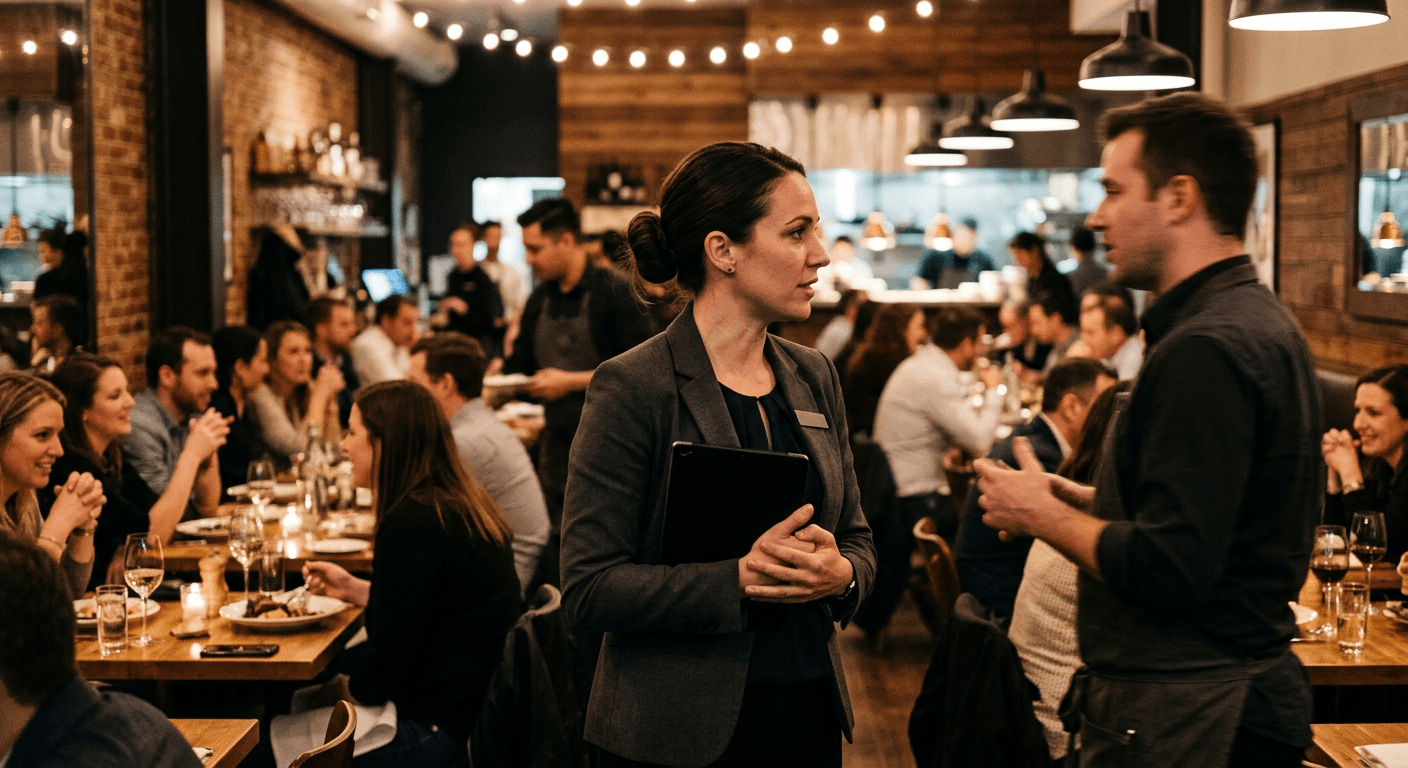
Miks oodata esmaspäevani, et teada saada, kas reede oli üldse kasumlik? Sektoris, kus 79% juhtidest peab reaalajas andmeid kriitiliselt tähtsaks, ei suuda ligi kolmandik endiselt jälgida isegi põhilisi tulemusnäitajaid (KPI-sid), nagu lisamüügi edukus või keskmine tellimuse täitmise aeg.
Kuidas muuta reaalajas andmed juhtimisalaseks eeliseks
Restorani juhtimine pelgalt kõhutunde põhjal on luksus, mida tänapäeval ei saa enam endale lubada. Traditsiooniline aruandlus meenutab sageli lahkamist – see ütleb teile, mis valesti läks, alles siis, kui kahju on juba sündinud. Reaalajas analüütika muudab aga fookust: järelanalüüsi asemel keskendutakse kohesele tegutsemisele.
Kui rakendate reaalajas müügiandmete analüüsi, saate muuta strateegiat otse keset teenindust. Kui märkate, et mõnes jaamas tekib kaheksaminutiline viivitus, saate tuvastada kitsaskoha ja selle 15 minutiga lahendada, selle asemel et avastada kuu lõpus arusaamatu käibelangus. Tipptasemel juhid kasutavad reaalajas töölaudu, et märgata hetki, mil personal suudaks teenindada 25% rohkem laudu, või saata töötajad varem koju, et kaitsta kahanevat marginaali.
Näitajad, mis määravad teie põhitegevuskulud
Tervisliku restorani kasumimarginaali säilitamiseks peaksid teie põhitegevuskulud (ingl prime cost) – ehk tooraine- ja tööjõukulud kokku – jääma vahemikku 55–65% käibest. Reaalajas nähtavus tagab, et need numbrid ei kalduks kiire vahetuse ajal ohtlikku tsooni.
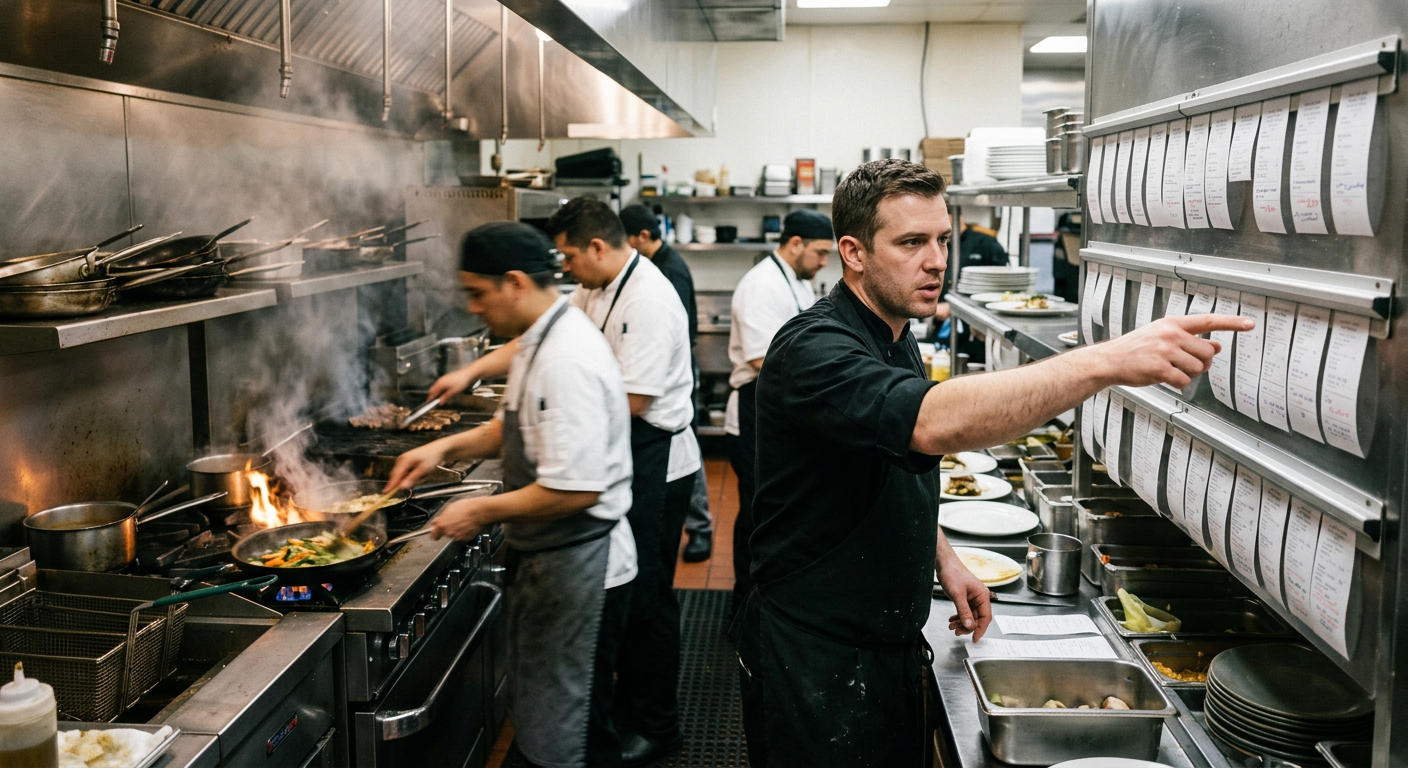
- Toidukulu juhtimine: Eesmärk on hoida see vahemikus 28–32%. Reaalajas laoseisu jälgimine hoiab ära „köögilekked“, mis on tingitud liiga suurtest portsjonitest või toiduraiskamisest. Üks liharestoran vähendas antrekoodi kadu seitsmelt kilolt nullini nädalas, jälgides tegelikku kasutust võrreldes teoreetilise kuluga reaalajas.
- Tööjõu efektiivsus: Tööjõud on teie suurim kontrollitav kuluartikkel, moodustades tavaliselt 25–35% kogukäibest. Rakendades tööjõukulude kontrolli strateegiaid, nagu tehisintellektil põhinev graafikute koostamine, on võimalik kulusid vähendada 15%, sobitades töötajate arvu täpselt ajaloolise müügitempoga.
- RevPASH: Tulu kättesaadava istekoha tunni kohta (Revenue per available seat hour) aitab tuvastada tühje kohti teie saaliplaanis. Isegi 2-eurone RevPASH-i paranemine võib keskmise suurusega restorani jaoks tähendada üle 400 000 euro täiendavat aastatulu.
Tahvlite rägastiku asendamine ühe tõeallikaga
Andmete eraldatus on kasumlikkuse vaenlane. Kui teie kojuveo tellimused, kohapealne müük ja laoseisud asuvad erinevates süsteemides, raiskate tõenäoliselt kuni 12 tundi nädalas andmete käsitsi ühitamisele. Sidustamata süsteemid sunnivad andmeid korduvalt sisestama ja peidavad teie tegevuse tegelikke kulusid.
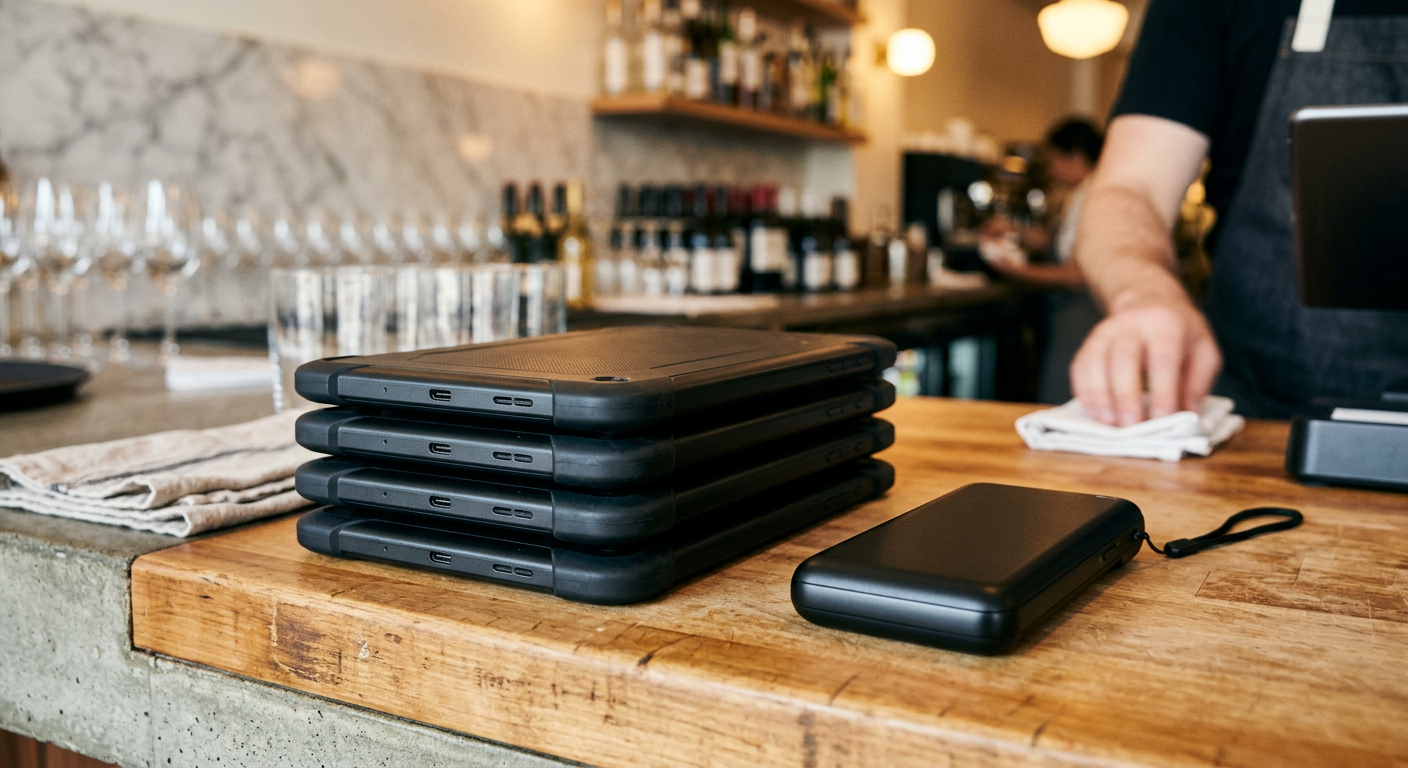
Spindl kaotab vajaduse „tahvelarvutite parve“ järele, koondades kõik kanalid ühte seadmesse. Kui saabub tellimus platvormilt nagu Bolt Food või Wolt, ei ilmu see lihtsalt ekraanile – süsteem arvutab koostisosad automaatselt laost maha ja uuendab teie kasumi- ja kahjumiaruannet hetkega. On tõestatud, et selline ühtne lähenemine kassasüsteemi ja laohalduse integreerimisele vähendab toidukulusid 5% juba esimese 90 päeva jooksul.
Miks Spindl on restoranihalduse iPhone
Enamik vanu kassasüsteeme on nagu Nokia 3310 – kömpakad, killustatud ja masendavalt aegunud. Me lõime Spindli modernset tööefektiivsust ja digipööret silmas pidades.
- Intuitiivsus: Meie kasutajaliides on nii lihtne, et personal muutub produktiivseks juba esimese vahetusega. Oleme kaotanud vajaduse pikkade koolituspäevade järele, et teie meeskond saaks keskenduda külalislahkusele, mitte tehniliste tõrgete lahendamisele.
- Tehisintellekt teie teenistuses: Te ei pea vastuste leidmiseks tabelites kaevama. Meie AI-agent võimaldab küsida: „Millistel menüüroogadel on suurim marginaal, kuid madalaim müük?“, et tuvastada koheselt lüngad menüü tulemuslikkuses.
- Kõik-ühes riistvara: Tellimused, kojuveo haldus, maksed ja lojaalsusprogrammid asuvad kõik ühes käsipeakomplektis. See vähendab personali koormust ja parandab tellimuste täpsust kuni 98,5%-ni.
Integreeritud tehnoloogiapaki kasutuselevõtuga on restoranid teatanud administratiivsetele ülesannetele kuluva aja 30%-lisest vähenemisest. See võidetud aeg võimaldab juhatajatel lahkuda tagakontorist ja naasta saali, kus neil on reaalne mõju külastajate kogemusele.
Lõpetage oma ettevõtte juhtimine tagasivaatepeegli kaudu. Tipptasemel operaatorid kasutavad andmeid selleks, et tipptunde ennetada, mitte ainult nendega toime tulla. Sõltumata sellest, kas juhite ühte kohvikut või suurt ketti, on reaalajas nähtavus see, mis eristab 3%-list marginaali 12%-lisest marginaalist.
Kas olete valmis nägema, mis teie köögis tegelikult toimub? Tutvuge meie platvormi funktsioonidega, et alustada andmepõhiste otsuste tegemist, mis toovad püsivaid tulemusi.