Kuidas muuta restorani negatiivsed arvustused 9% tulukasvuks

Kas teadsite, et ainuüksi ühe tärni võrra kõrgem reiting Yelpis võib kasvatada restorani tulu 5–9%? Kui aga postitatakse kehv arvustus, teeb ründav eneseõigustus brändile pigem kahju kui kasu. Vaatame lähemalt, kuidas tagasisidele professionaalselt vastata, kliendi pahameelt leevendada ja oma äri kasumlikkust kaitsta.
Miks negatiivsed arvustused mõjutavad otseselt äritulemusi
Veebimaine unarusse jätmine võib valusalt kätte maksta. Kuna näiteks koguni 83% USA tarbijatest otsib kohalikke söögikohti Google'i kaudu, on teie veebiprofiil esimene ja otsustav visiitkaart, mis loob külalisele esmamulje.
Viisakad ja professionaalsed vastused teevad enamat kui vaid ühe kliendisuhte päästmine – need kujundavad ka potentsiaalsete külastajate suhtumist teie brändi. Enne veebimaine kaitsmisele asumist tuleb aga võtta kontroll oma digikanalite üle. Näiteks nõuab Google arvustustele vastamiseks ettevõtte profiili kinnitamist. Täpsemalt saab selle kohta lugeda Google Business Profile'i vastamise juhendist.
Professionaalse suhtluse kuldreeglid
Kuigi halb tagasiside on sageli emotsionaalne, peab teie vastus olema alati ratsionaalne ja professionaalne. Brändi maine hoidmiseks tasub igale arvustusele vastates järgida neid põhimõtteid:
- Reageerige 24 tunni jooksul: Operatiivsus näitab professionaalset juhtimist. Kiire reageerimine tõestab nii rahulolematule kliendile kui ka teistele lugejatele, et te hoolite oma külalistest. Seda kinnitab ka teaduslik ostukavatsuste uuring: juhtkonna vastamise kiirus ja asjakohasus mõjutavad otseselt potentsiaalsete klientide otsuseid.
- Hoidke vastus lühike: Vältige pikki eneseõigustusi. Uuringud näitavad, et liiga detailsed selgitused tekitavad lugejas infotulva, mis võib uute klientide ostuhuvi hoopis pärssida. Selle nähtuse tagamaid avab põhjalikumalt infouputust käsitlev teadusuuring.
- Ärge vaielge ega pakkuge meelehead: Hoiduge avalikust vaidlemisest detailide üle. Ärge kunagi paluge külastajal arvustust kustutada ega pakkuge selle muutmise eest tasuta tooteid, teenuseid või rahalist hüvitist.
- Tunnistage viga avalikult, kuid lahendage see privaatselt: Andke veebis teada, et olete tagasiside kätte saanud, ning suunake arutelu detailide üle e-posti või telefoni teel toimuvasse privaatsesse vestlusesse. Tõhusa süsteemi loomiseks ja kliendisuhete taastamiseks väljaspool veebiruumi tutvuge meie juhendiga: kaebuste lahendamise strateegiad restoranides.
- Kasutage konkreetset ja tegudele suunatud keelt: Ebamäärased lubadused nagu „püüame edaspidi paremini teha“ mõjuvad lohakalt. Külalised usaldavad juhte, kes räägivad konkreetsetest sammudest, mida probleemi lahendamiseks juba astutakse. Seda kinnitab ka põhjalik keelestileid käsitlev teadusartikkel.
Valmis vastusemallid negatiivse tagasiside lahendamiseks
Järgnevad konkreetsed ja tegudele suunatud näidised aitavad lahendada kõige levinumaid teenindus- ja köögiprobleeme.
1. stsenaarium: Pikad ooteajad
Aeglaselt vabanevad lauad ja järjekorrad vastuvõtulauas on külaliste peamised pahameeleallikad. Kui pikad ooteajad kisuvad teie reitingut alla, tasub appi võtta need praktilised taktikad ooteaegade lühendamiseks.
"Täname teid tagasiside eest. Vabandame siiralt pika ooteaja pärast teie külastuse ajal. Oleme nädalavahetuse tipptundideks kohandanud oma saalitöötajate graafikut, et kiirendada laudade ettevalmistamist ja vältida järjekordade tekkimist. Palun võtke meiega ühendust aadressil [e-post/telefon], et saaksime selle olukorra teiega otse lahendada."
2. stsenaarium: Probleemid toidu kvaliteediga ja vead tellimustes
Jahtunud toit või valed lisandid rikuvad kliendi usalduse hetkega. Kui tagasisides hakkavad korduma sarnased eksitused, tasub üle vaadata oma tellimissüsteemi tehnoloogia ning uurida, milline on kassa- ehk POS-süsteemi mõju tellimuste täpsusele.
"Täname, et juhtisite meie tähelepanu sellele eksitusele. Viisime köögimeeskonnas läbi täiendava koolituse serveerimistemperatuuride kohta ja uuendasime köögiekraanide töövoogu – nüüd kontrollitakse kõik erisoovid enne toidu väljastamist kahekordselt üle. Palun võtke meiega ühendust aadressil [e-post/telefon], et saaksime pakkuda teile hüvitiseks uue eine või raha tagastada."
3. stsenaarium: Puudujäägid teeninduses
Ebaviisakale või lohakale teenindusele tuleb reageerida kiirete sisekorralduslike muutustega. Samuti on oluline sellest tulevastele külastajatele avalikult teada anda.
"Meie teenindusmeeskonnale kehtivad väga kõrged standardid ja vabandame siiralt ebameeldiva kogemuse pärast. Oleme meeskonnaga kohtunud ning külalislahkuse ja teeninduse põhitõed uuesti üle vaadanud. Soovime väga teie usaldust tagasi võita – palun kirjutage meie juhatajale aadressil [e-post], et saaksime kokku leppida teie järgmise külastuse."
Muutke negatiivsed arvustused väärtuslikuks infoks juhtimisotsuste tegemisel
Ärge suhtuge veebiarvustustesse kui lihtsalt juhuslikesse "tulekahjudesse", mida tuleb kiiresti kustutada. Vaadake neid pigem kui väärtuslikke andmepunkte, mis aitavad diagnoosida ja parandada köögi ning saali tööd.
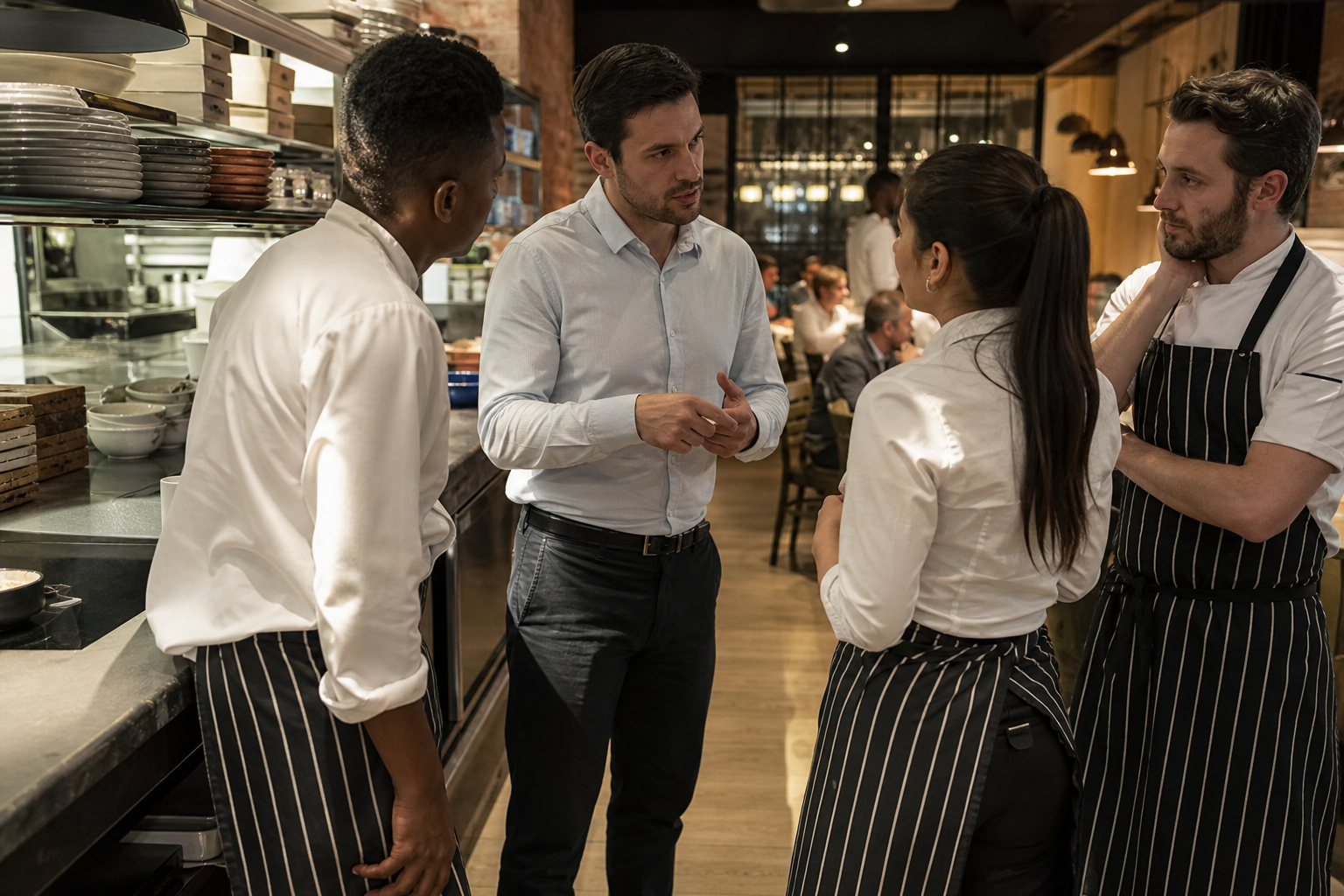
Kui mitmes tagasisides kurdetakse aeglase lõunateeninduse või unustatud erisoovide üle, peitub viga tõenäoliselt restorani siseses sidesüsteemis. Mitme eraldiseisva kullerplatvormi tahvli ja aegunud kassasüsteemi korraga kasutamine teeb inimlikud eksitused peaaegu vältimatuks.
Koondades tagasiside jälgimise ühte kohta, saate siduda korduvad probleemid reaalajas toimunud vahetuste ja tööl olnud meeskonnaga. Sobiva tehnilise lahenduse leidmiseks tutvuge parimate klienditagasiside tööriistadega restoranidele ja looge süsteemne protsess tõhusaks arvustuste haldamiseks restoranides.
Ennetage kaebusi enne, kui need jõuavad internetiavarustesse
Parim lahendus kehvale tagasisidele on see, kui seda ei kirjutatagi. Kui suudate kliendi rahulolematust märgata ja selle lahendada juba siis, kui külaline viibib veel restoranis, päästate suhte enne, kui see jõuab teie veebireitingut kahjustada.

Spindl pakub kõik-ühes restorani haldusplatvormi, mis lihtsustab igapäevaseid tööprotsesside lihtsustamist. See koondab tellimuste vastuvõtmise, kohaletoimetamise, iseteeninduse, kassa- (POS) ja lojaalsussüsteemid ühteainsasse seadmesse. Kui paljud konkurentide lahendused meenutavad oma killustatuse ja vananemisega pigem Nokia 3310 mudelit, siis Spindl on restoranihalduse iPhone. See ühendab kõik toimingud üheks tervikuks, et hoida ära tellimusvigu, lühendada ooteaegu ja koguda külastajate tagasisidet otse digikviitungi kaudu – enne, kui klient jõuab avada Yelpi, Google'i või mõne muu veebiportaali.
Kas olete valmis oma restorani tööprotsesse lihtsustama ja pakkuma tõelist viietärnikogemust? Broneerige Spindli demo juba täna.