Kuidas valmistada oma restoran tulevikuks ette: tehisintellekti ja automatiseerimise roll
Ligi 70% USA restoranidest on juba rakendanud tehisintellekti (AI), et tulla toime kiiresti kasvavate tööjõukulude ja survega kasumimarginaalile. Kui teie restorani tehnoloogiline arsenal meenutab pigem muuseumieksponaati, ei ole te lihtsalt ajast maha jäänud – te kaotate reaalselt raha. Siin on ülevaade sellest, kuidas liikuda automatiseerimise suunas nii, et säiliks restorani kõige olulisem osa: külalislahkus.
2026. aasta tehnoloogiapilt
Toitlustussektor on liikumas "põnevate vidinate" faasist sügava operatiivse integratsiooni ajastusse. 2026. aastaks on üleminek pelgalt uuendusmeelsusest vältimatuks vajaduseks lõpule jõudnud. Ellujäämiseks on kriitiline mõista, millised tulevikutrendid restorani kassa- ja POS-tehnoloogias loovad teie ärimudelile reaalset väärtust.
AI-põhine tellimine ja iseteenindus
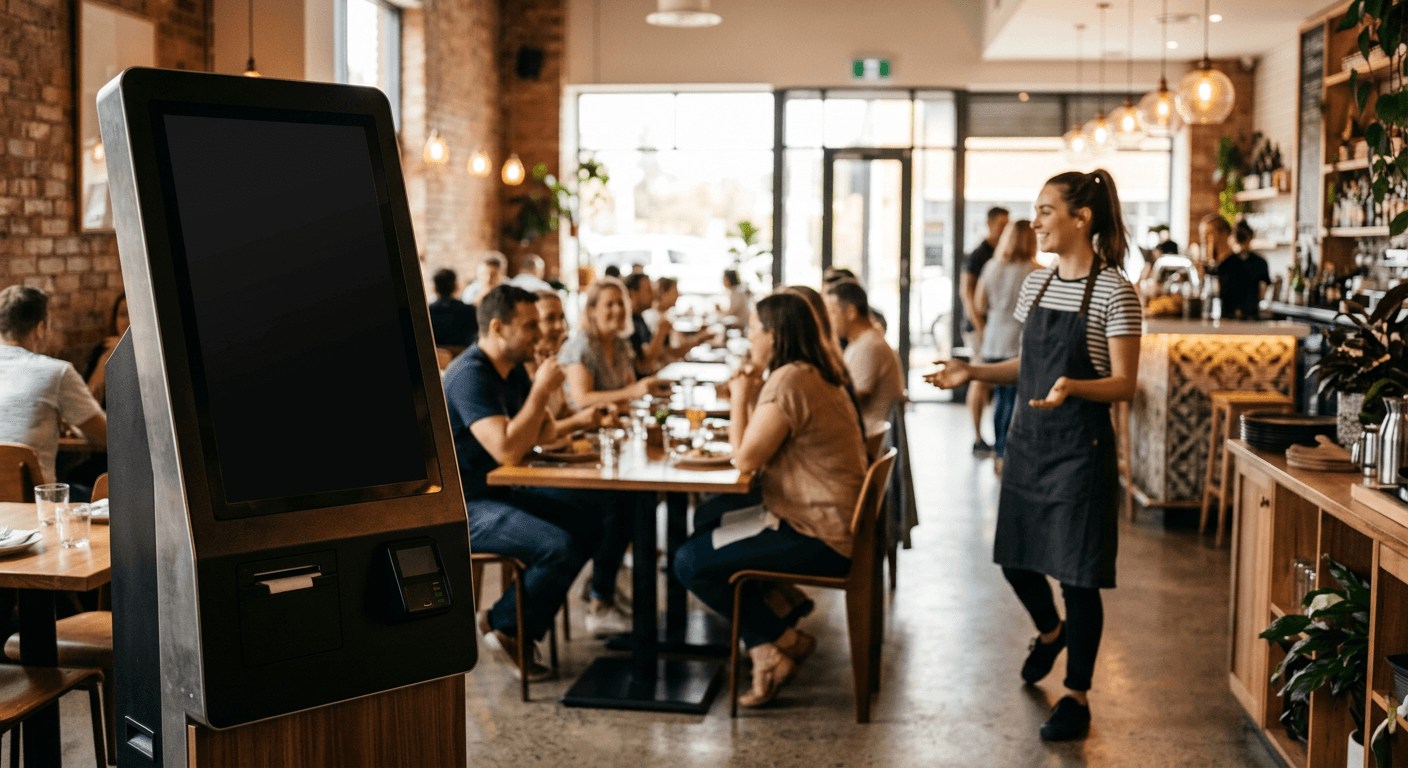
Iseteeninduskioskid ei ole enam ammu vaid globaalsete kiirtoidukettide pärusmaa. Need süsteemid kasvatavad keskmist arvet stabiilselt 15–30%, pakkudes andmepõhiselt lisatooteid. Kui teenindajal võib kiirel ajal ununeda jooki või lisandit soovitada, siis AI-liides ei eksi kunagi. Suured tegijad nagu McDonald's on täheldanud kioskitega asukohtades 5–6% müügikasvu. See võimaldab suunata personali lihtsast andmesisestusest väärtuslikumatele ja vahetumat suhtlust nõudvatele klienditeenindusülesannetele.
Ennustav analüütika köögis
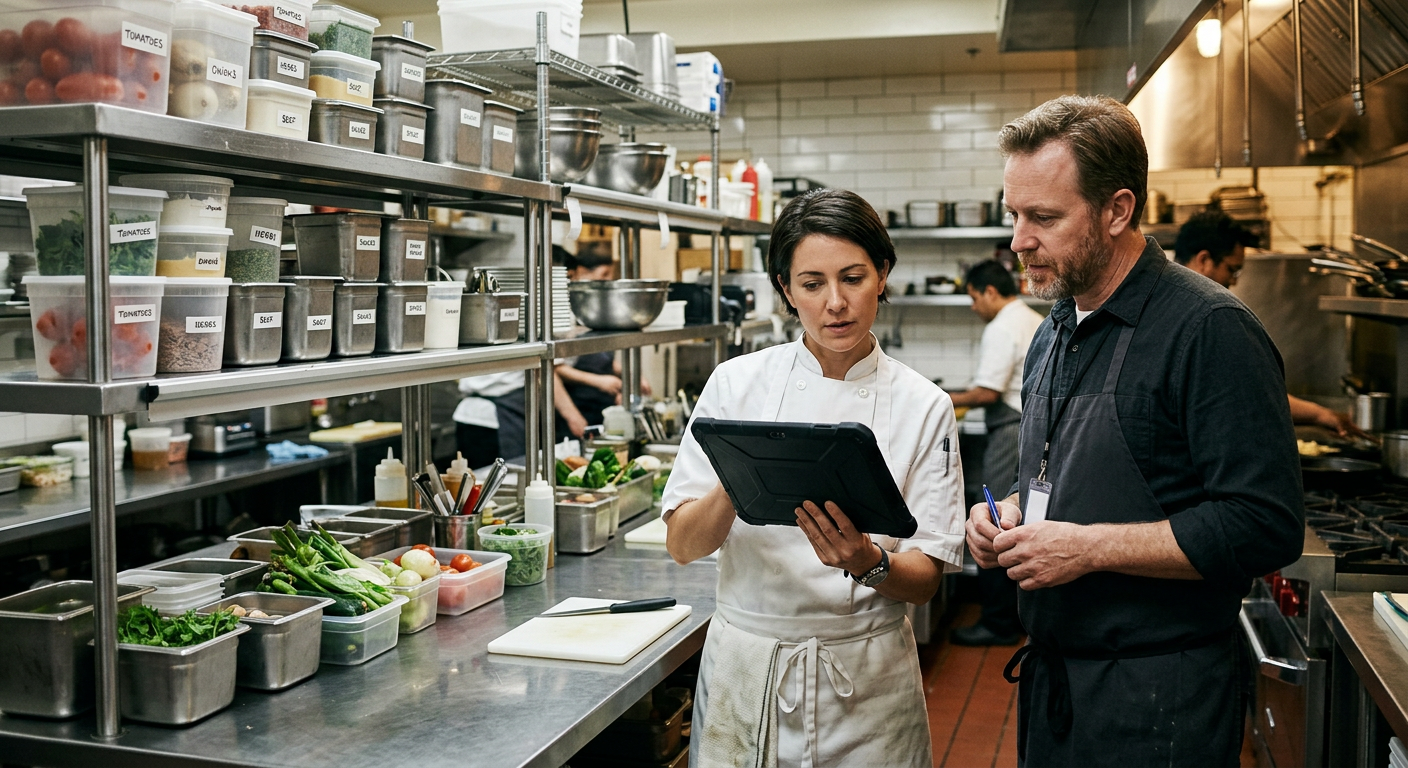
Tehisintellekt on muutumas tagasivaatavast raportist tuleviku prognoosijaks. Ennustav laohaldus ja nõudluse planeerimine võivad vähendada toidukadu kuni 30%. See on määrava tähtsusega, sest iga toidukulu arvelt säästetud euro on otsene lisakasum. Lisaks muudavad karmistuvad regulatsioonid digitaalsed süsteemid peagi kohustuslikuks. Kuna toiduohutuse eeskirjade järgimine restoranides muutub keerukamaks (näiteks FSMA Rule 204 nõuded USA-s), on digitaalne jälgitavus peagi vältimatu. Käsitsi täidetavad logiraamatud pole tulevikus enam lihtsalt ebatõhusad, vaid kujutavad endast juriidilist riski.
Strateegiline prioritiseerimine: kuhu investeerida esimesena?
Ärge laske trendide pimejärgimisel oma eelarvet dikteerida. Edukaimad digitaalsed transformatsioonid restoranides järgivad loogilist raamistikku. Enne uute süsteemide soetamist tuleb tuvastada oma äri peamised kitsaskohad – olgu selleks aeglane laudade ringlus, vead tellimustes või kontrolli alt väljuvad tööjõukulud.
Tõhus prioritiseerimine nõuab restoranide digitaalsete tööriistade tasuvuse (ROI) hindamist, et tagada investeeringu vastavus finantseesmärkidele. Enamik suure mõjuga lahendusi järgib prognoositavat tasuvusaega:
- Iseteeninduskioskid: saavutavad tasuvuse tavaliselt 4–6 kuuga, tõstes keskmist arvet ja vähendades saali personali kulu.
- AI-põhised töögraafikud: tasuvad end reeglina ära poole aastaga, vähendades tööjõukulusid 5–15%.
- Digitaalsed menüüd: võimaldavad paindlikku reaalajas hinnastamist ja jõuavad tasuvuspunktini umbes 9 kuuga.
- Köögirobotid: nõuavad suuremat alginvesteeringut, kuid võivad vähendada toidu ettevalmistusaega kuni 40% (tasuvusaeg 12–24 kuud).
Kõige kriitilisem tegur on integratsioon. Tööriist, mis ei suhtle teie kassasüsteemiga (POS), tekitab digitaalse kaose. Sellised killustatud lahendused sunnivad andmeid dubleerima ja võivad põhjustada 3–5% tulukaotust ainuüksi administratiivse lisatöö tõttu.
Õppetunnid turuliidritelt
Tehnoloogia juurutamine ei kulge alati tõrgeteta. Näiteks McDonald's loobus teatud tehisintellektil põhinevatest hääljuhtimisega tellimissüsteemidest drive-thru akendes, kuna need ei tulnud toime taustamüra ja erinevate aktsentidega. See on oluline õppetund: automatiseerimine peab meeskonda toetama ja kliendikogemust parandama, mitte seda keerulisemaks muutma.
Samas on Chipotle "Chipotlanes" lahendus digitaalsete tellimuste kättesaamiseks toonud kaasa 10–15% müügikasvu. Nende edu taga oli sujuvam operatiivtöö, mis eraldas digitaalsed tellimused tavalisest saalikliendist. Selline lähenemine hoidis ära köögi ülekoormuse ja tagas, et digitaalne kasv ei tulnud teeninduskvaliteedi arvelt.
Regulatiivsed ja personaliga seotud väljakutsed
Üleminek digitaalsetele protsessidele on enamat kui riistvara soetamine – see eeldab ka regulatsioonide järgimist ja kultuurimuutust. Näiteks karmistuvad mitmel pool seadused seoses töögraafikute ette teatamisega. Tsentraliseeritud digitaalsed tööriistad restoranidele suudavad seda hallata automatiseeritult, hoiatades juhatajaid rikkumiste eest enne, kui need muutuvad kulukateks trahvideks.
Andmekaitse on teine kriitiline valdkond. Kuigi globaalsed AI-seadused on alles kujunemisjärgus, reguleerivad andmete kogumist juba praegu ranged eeskirjad. Läbipaistvus püsikliendiprogrammide andmete kogumisel on brändi maine kaitsmiseks hädavajalik.
Samuti tuleb tegeleda meeskonna kaasamisega. Töötajad võivad peljata, et robotid asendavad nende töökohad. Oluline on esitleda tehnoloogiat kui abilist, mis vabastab nad rutiinsest tööst – nagu manuaalne inventuur või tellimuste vastuvõtmine telefonitsi –, et nad saaksid keskenduda külalistele ja tõelisele teeninduskunstile.
Ühtse ökosüsteemi suunas
Tahvelarvutite rägastiku aeg on läbi. Viie eri seadmega žongleerimine kullerrakenduste jaoks, kasutades samal ajal eraldiseisvat vana kassasüsteemi, on kindel tee operatiivsete tõrgeteni. Kaasaegsed juhid eelistavad ühtseid platvorme, mis koondavad tellimused, tarned ja analüütika üheks terviklikuks operatsioonisüsteemiks.

Kui läheneda operatsioonide digiteerimisele süsteemselt, väheneb väljaõppele kuluv aeg ja kaob vajadus manuaalse andmete sisestamise järele, mis röövib keskmiselt juhatajalt 12 tundi nädalas. See ei tähenda inimeste asendamist masinatega, vaid restoranide automatiseerimise tööriistade kasutamist oma marginaalide kaitsmiseks ja äri jätkusuutlikkuse tagamiseks.
Tulevikuvalmidus tähendab tööriistade valimist, mis kasvavad koos teie ettevõttega. Üleminek killustatud rakendustelt ühtsele platvormile võimaldab teil võita tagasi oma aega ja keskenduda sellele, mis on kõige olulisem: suurepärasele toidule ja rahulolevatele külalistele.
Kas olete valmis nägema, kuidas ühtne platvorm saab teie restorani tööd lihtsustada? Tutvuge Spindl OS-i võimalustega ja võitke oma aeg tagasi juba täna.