Menu upgrade ideas that increase your profit margins
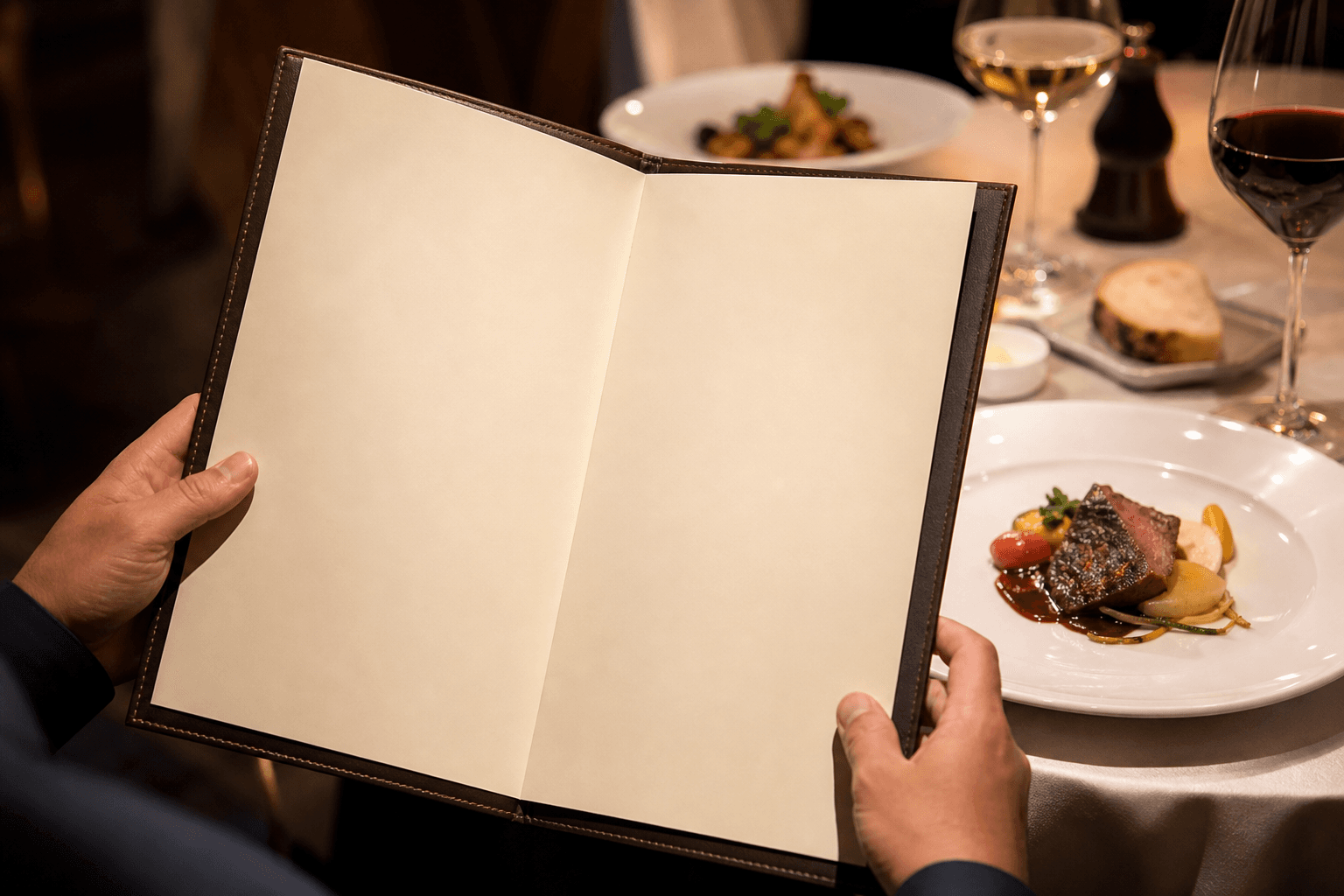
Is your menu driving profits, or is it just a list of ingredients? Most operators design menus by gut feeling rather than consumer psychology, leaving thousands of dollars on the table. Here is how to refresh your menu to boost revenue and streamline your operations.
Audit your menu using hard POS data
Never redesign a menu based on intuition. Your menu is your primary sales tool, but it only works when data dictates the layout.
Start by running a 30-day product mix report using your POS analytics. Menu engineering categorizes your dishes into four operational quadrants based on popularity and contribution margin:
- Stars: High popularity, high profitability champions. Give these prime real estate on your menu layout to maximize contribution margins.
- Plow Horses: High popularity, low profitability items. Keep them on the menu, but modestly increase prices, refine portion sizes, or tweak recipes to reclaim food cost.
- Puzzles: Low popularity, high profitability dishes. Use evocative naming, better visual cues, menu placement, or staff upselling incentives to drive demand.
- Dogs: Low popularity, low profitability items. Remove these entirely to decrease food waste, cut prep complexity, and clear space for higher-performing dishes.
Executing targeted restaurant menu changes keeps your inventory lean, lowers food costs, and focuses kitchen labor on high-margin offerings.
Master consumer psychology and menu design
Upgrading your menu requires leveraging how guests scan physical and digital layouts. When customers review a menu, their eyes follow a natural visual flow known as the "Golden Triangle" – first scanning the center, then moving to the top right, and finally shifting to the top left. Place your high-margin "Stars" along this path.
To master how to write a restaurant menu that converts guests into higher spenders, apply proven psychological triggers:
- Remove currency symbols: Omitting dollar signs (writing "15" instead of "$15") reduces the subconscious pain of paying, encouraging guests to order more freely.
- Use sensory, descriptive labels: A six-week field experiment on descriptive menu labels showed that replacing plain item names with evocative titles increased targeted dish sales by 27% and improved overall restaurant attitudes.
- Anchor with high-priced decoys: Placing a premium item like a $95 seafood platter at the top of a category makes a neighboring $38 ribeye feel like an attractive value, helping to increase average order value.
Optimize cross-utilization and maintain compliance
Strategic menu design is not just about graphics; it is about back-of-house efficiency and regulatory compliance. Streamlining what happens in the kitchen directly improves your bottom line.
- Practice ingredient cross-utilization: Design menu items so single ingredients appear across multiple dishes. Cross-utilization reduces stock-keeping units (SKUs), increases purchasing power, lowers food waste, and simplifies storage.
- Simplify SKUs for operational efficiency: Reducing menu complexity speeds up prep times and eases staff training, improving overall operational efficiency.
- Follow FDA menu labeling regulations: If operating a chain of 20 or more locations, ensure compliance with FDA menu labeling requirements. Covered establishments must display calorie counts next to standard menu items, include a standard daily calorie statement, and provide full written nutrition information upon request.
Deploy digital menus and automated upselling
A static paper menu limits your ability to adapt to ingredient costs or inventory shifts. Upgrading to modern digital ordering touchpoints turns your menu into an interactive revenue engine.
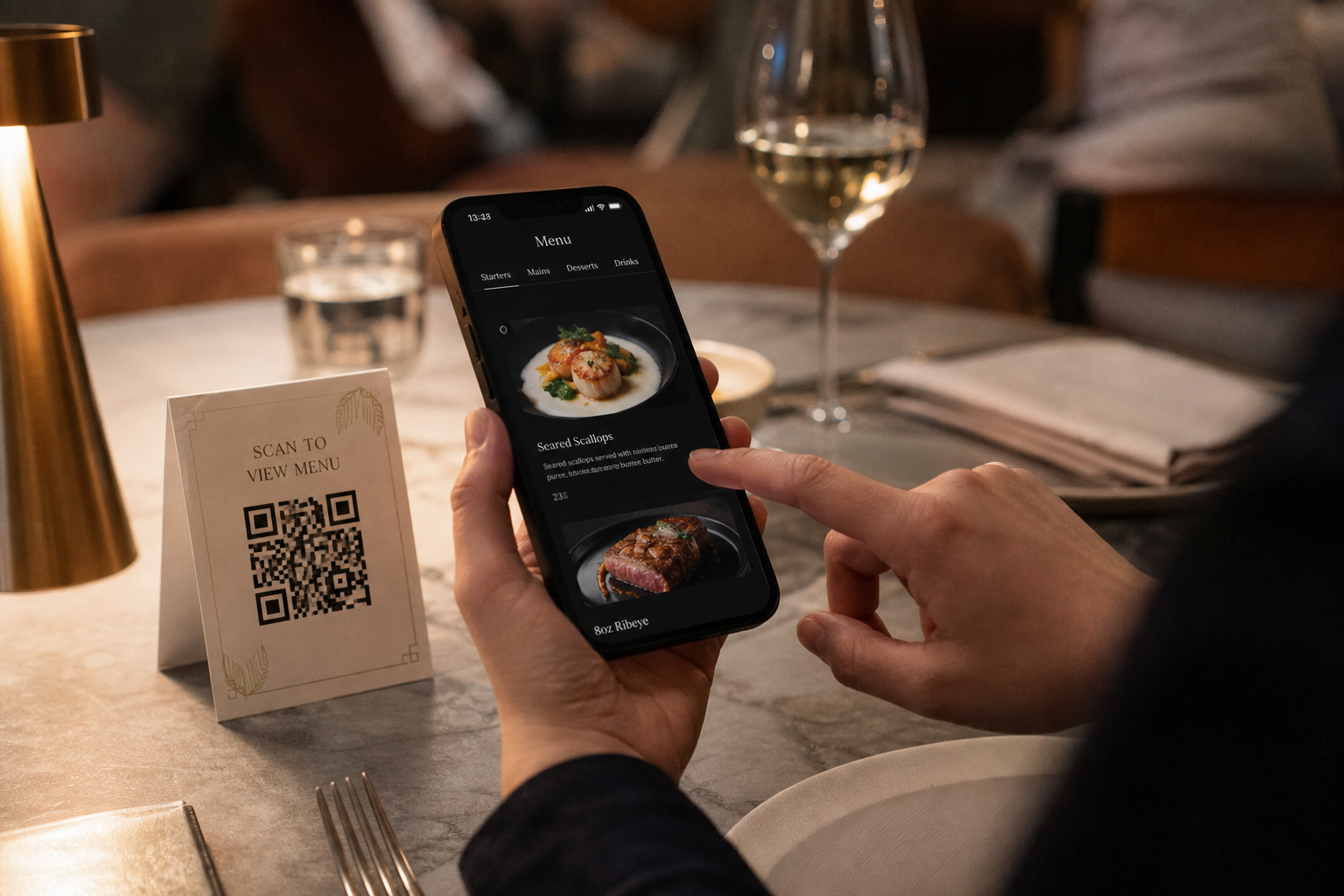
- Deploy dynamic QR codes: Using interactive tableside QR codes allows guests to view menus, order, and pay instantly. This cuts ticket times, eliminates re-printing expenses, and frees servers to handle more tables.
- Automate upselling with self-service technology: Implementing self-service kiosks and commission-free online ordering systems guarantees consistent upsell prompts for sides, premium toppings, and drinks. Automated prompts frequently increase ticket sizes by 15% to 30%.
- Connect live inventory to sales: Pair your ordering channels with real-time inventory tracking. By integrating POS with inventory, ingredients are deducted automatically per order, preventing accidental sales of out-of-stock dishes.
Streamline menu technology with AI automation
Managing menu updates across physical displays, legacy point-of-sale systems, and multiple delivery tablets creates fragmented operations prone to costly errors. Relying on disconnected hardware is like operating with a Nokia 3310 in a smartphone world.
Modern menu management requires a single source of truth across all channels. When updating pricing, 86ing an item, or launching a seasonal promotion, single-source sync pushes updates across your physical POS, direct online ordering, tableside QR menus, kiosks, and third-party delivery app integration simultaneously.
If you want to manage menu operations without clicking through endless dashboards, start free with AgenticPOS. AgenticPOS connects to your existing POS system and exposes key operational tools through AI chat. You can update pricing, 86 out-of-stock items, or launch promotions simply by messaging an AI agent in Claude, ChatGPT, or Slack.
As your operation grows, scale seamlessly into Pro for multi-location control, or transition to the full Spindl AI platform to unify your entire front-of-house, kitchen display systems, inventory, and online ordering into one connected system.
Ready to transform your menu into a high-margin sales engine? Connect your current setup to AgenticPOS today or book a demo with Spindl to see unified menu automation in action.