Why QR codes are non-negotiable in 2026
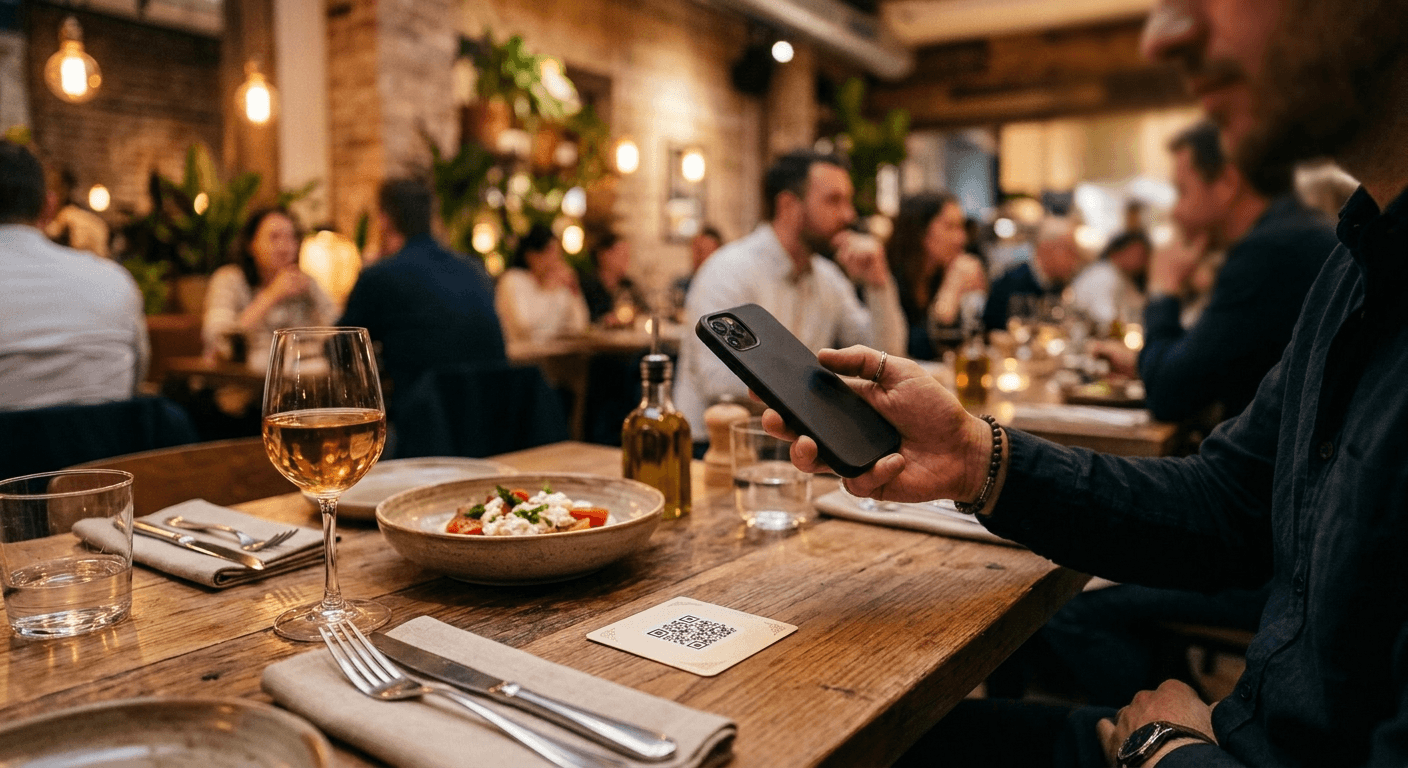
The era of the "Nokia 3310" restaurant – defined by fragmented systems and paper-only menus – is over. Modern diners expect control over their experience. Implementing QR codes for menus, ordering, and payments is a strategic move for the bottom line. For instance, guests can increase average order values by 15–30% when ordering via digital menus because they can browse high-quality visuals at their own pace. One cafe reported that guests using digital kiosks averaged 1.8 add-ons per transaction, doubling the 0.9 add-ons typically seen with a human cashier.
This technology also accelerates table turnover by shortening the end-of-meal checkout by 5–10 minutes per table, leading to significantly higher capacity and revenue during peak service periods. Beyond revenue, the efficiency gains are substantial. By following proven operational efficiency tips, one San Diego taqueria was able to reduce front-of-house staff by 30% while simultaneously improving service speed and order accuracy.
Implementing QR menus the right way
Static PDF menus are a relic of the past that are difficult to read on mobile devices and impossible to update on the fly. A truly dynamic menu management system syncs with your kitchen in real-time, allowing for instant "86-ing." When you run out of a specific item, it disappears from the digital menu immediately to prevent guest disappointment.
This flexibility allows you to apply strategic menu engineering by highlighting high-margin "Star" dishes at the top of the mobile screen. Furthermore, digital menus can utilize forced modifiers for allergies or side choices. This eliminates manual transcription errors and ensures the kitchen produces exactly what the guest ordered. It transforms the menu from a static list into a living sales engine.
Streamlining ordering and payments
The most significant benefits occur when guests move from simply viewing a menu to ordering and paying directly from their devices. This shift allows your staff to transition from being order-takers to being hospitality experts.
Tableside ordering and service speed
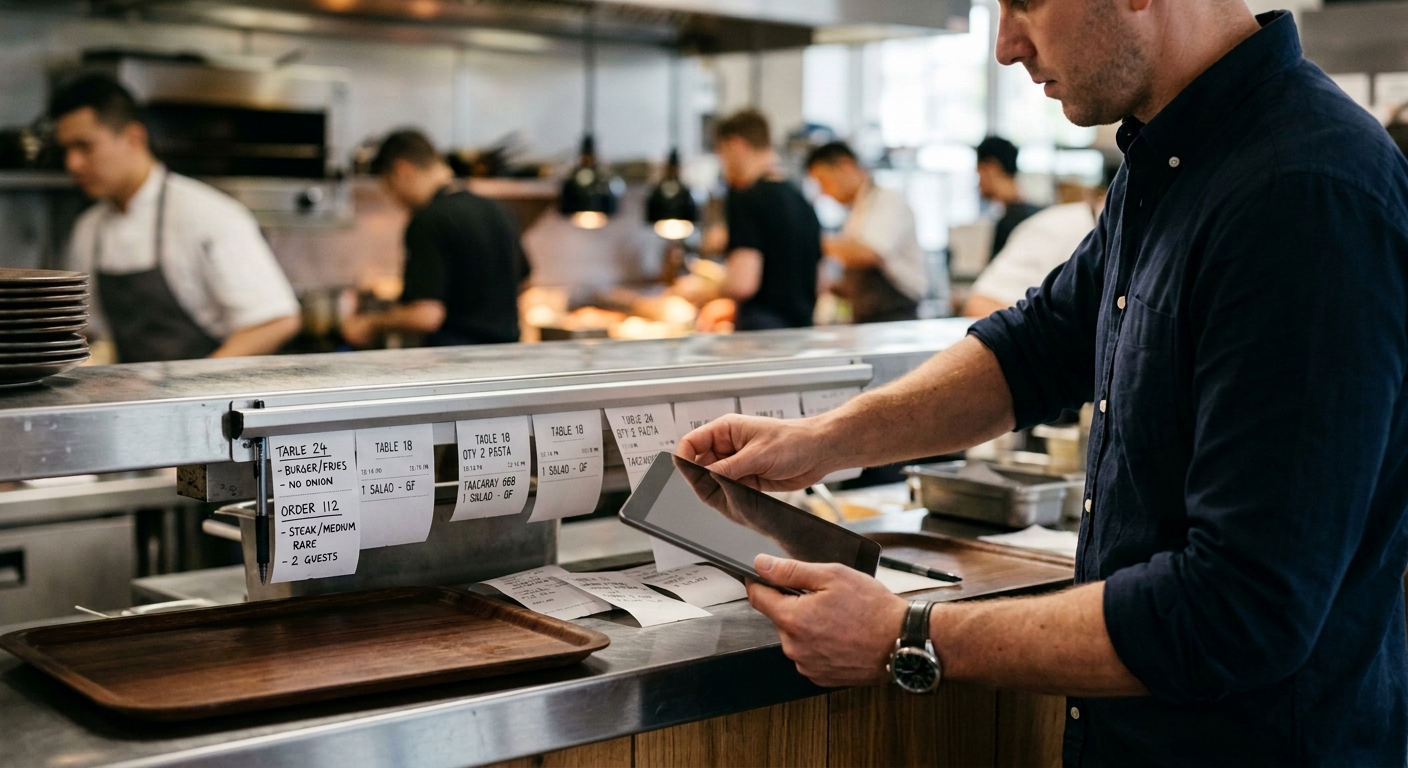
When guests manage their own orders, servers can handle 25% more service capacity because they are no longer tethered to a notepad. Instead, they can focus on food quality and guest engagement. Orders flow directly to a kitchen display system, which can reduce ticket times by an average of 12 minutes. This creates a smoother workflow that benefits both the back-of-house staff and the diner.
Frictionless payment and compliance
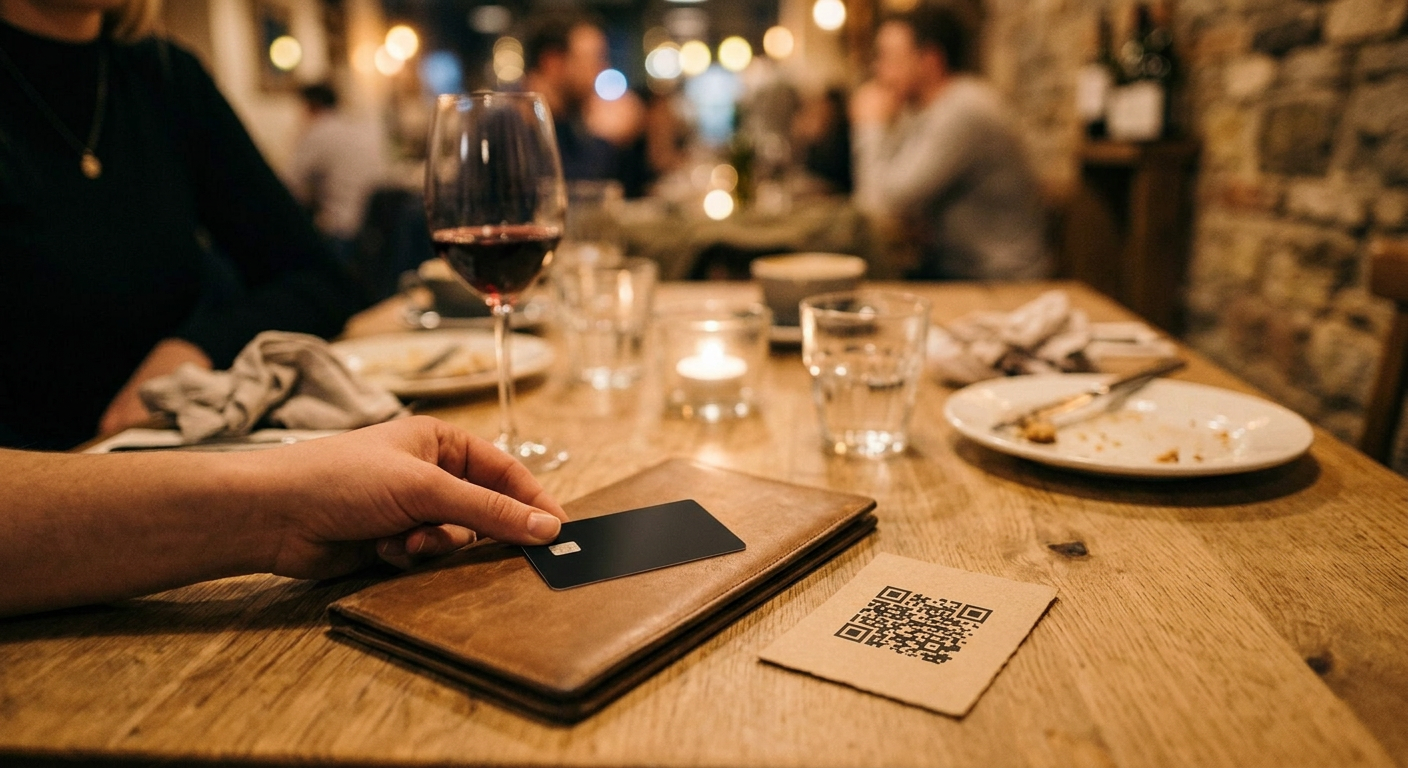
Waiting for the check is a primary complaint in casual dining, often adding ten minutes of friction to the end of a meal. QR code payments allow guests to settle their bill and leave whenever they are ready. While implementing these systems, it is vital to maintain security through encrypted data processing and ensure digital transformation strategies account for accessibility. Providing alternative ordering methods for guests who may struggle with smartphones ensures that your service remains inclusive for all demographics.
Avoiding the "tablet chaos" trap
Many operators fall into the "tablet chaos" trap by layering new QR technology on top of disconnected legacy systems. If your QR orders do not sync with your main point of sale, you are creating more administrative work rather than reducing it. Manual re-entry is a known drain, often leading to a 3–5% revenue loss from errors and missed modifications.
An all-in-one restaurant management system like Spindl unifies these channels. When a guest scans a table code, the order hits the same queue as walk-ins and delivery apps. There is no manual re-entry and no missed modifiers. It provides a single source of truth for your entire operation.
Best practices for a smooth rollout
Successful implementation requires more than just printing a code. Your infrastructure must be robust, starting with reliable guest Wi-Fi capable of handling the traffic of a busy service period. Staff should be trained to introduce the QR system as a tool for guest convenience rather than a replacement for personal service. It should feel like an upgrade, not a shortcut.
While the goal is digital efficiency, keeping a small stack of physical menus as a backup ensures you can still serve guests during rare tech failures or for those who are tech-averse. Finally, use the Spindl features to ensure the ordering interface reflects your restaurant's specific brand and aesthetic.
Transitioning to a digital workflow can reduce administrative tasks by 30%, effectively recovering roughly 12 hours of management time every week. By moving away from static, fragmented systems, you can focus your energy on growth. Explore Spindl’s integrated restaurant platform to see how simple it is to unify your ordering and supercharge your service.