How smart technology cuts restaurant staff burnout
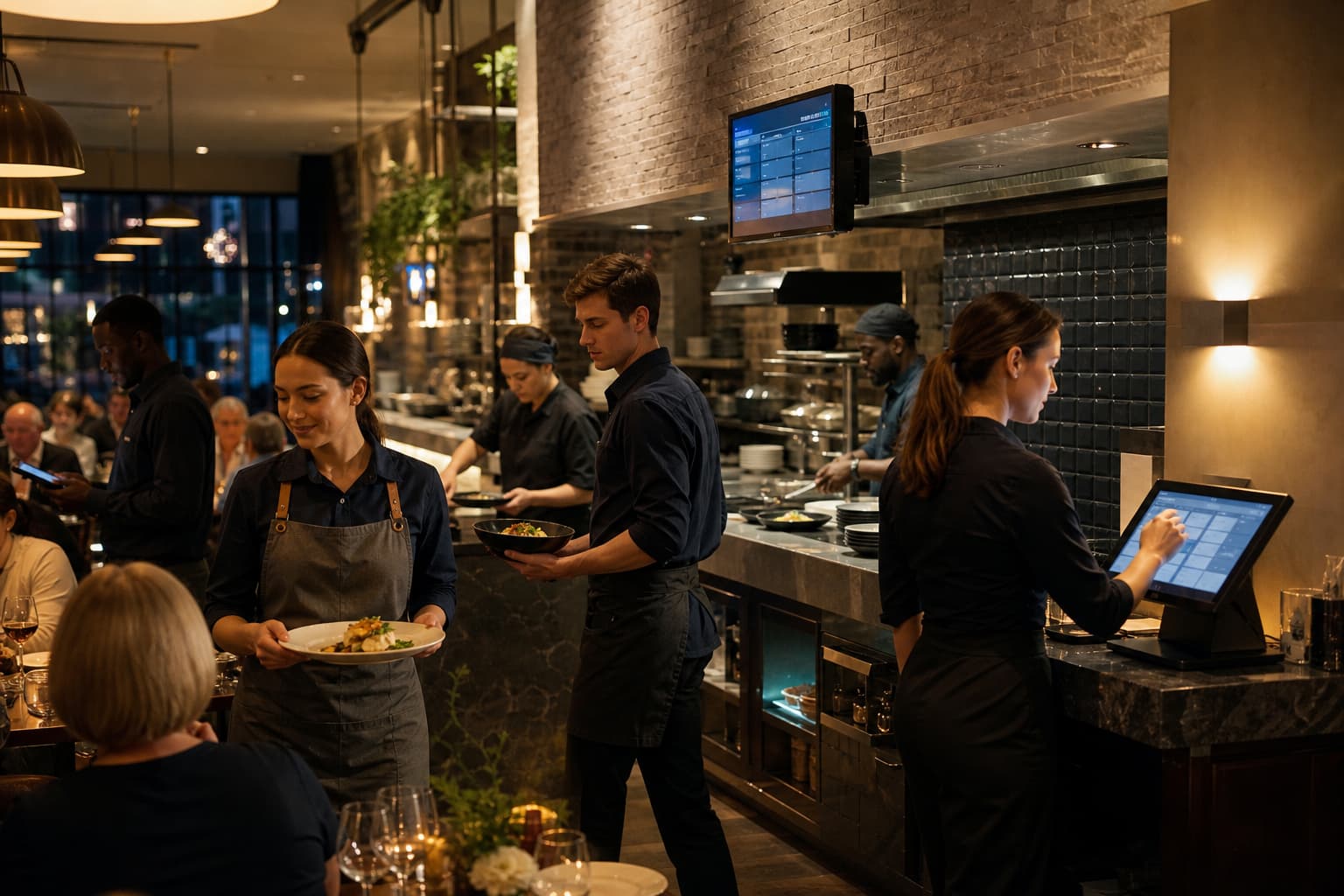
Over 51% of restaurant workers report feeling burned out. Frantic rushes, missing inventory, and ringing delivery tablets drain your team fast. Smart automation eliminates repetitive operational friction, giving your staff their focus and peace of mind back.
The real sources of restaurant burnout
Restaurant stress is rarely just about working hard. It stems from cognitive overload – forcing staff to juggle competing priorities during high-pressure shifts.
When your team spends energy rekeying delivery tickets, deciphering handwritten modifications, or dealing with unexpected stockouts, fatigue sets in quickly. To explore these root causes further, read our guide on restaurant employees stress problems.
Shift instability compounds this exhaustion. Research shows that food-service workers given predictable schedules with at least two weeks' advance notice experience a 24% turnover rate compared to 39% for those with unpredictable hours. Modern automation gives operators the visibility needed to fix these operational friction points.
High-impact ways technology relieves staff pressure
Strategic automation targets repetitive operational tasks, allowing your employees to focus on food quality and guest hospitality.
Consolidate order channels to end "tablet chaos"
Running five different delivery tablets at the host stand creates constant disruption. Staff must manually re-enter marketplace orders into the point of sale while greeting walk-in guests.
Using integrated delivery management software routes every order from major marketplaces straight into a unified kitchen queue. Consolidating incoming orders into one flow prevents missed tickets and drastically improves overall order accuracy.
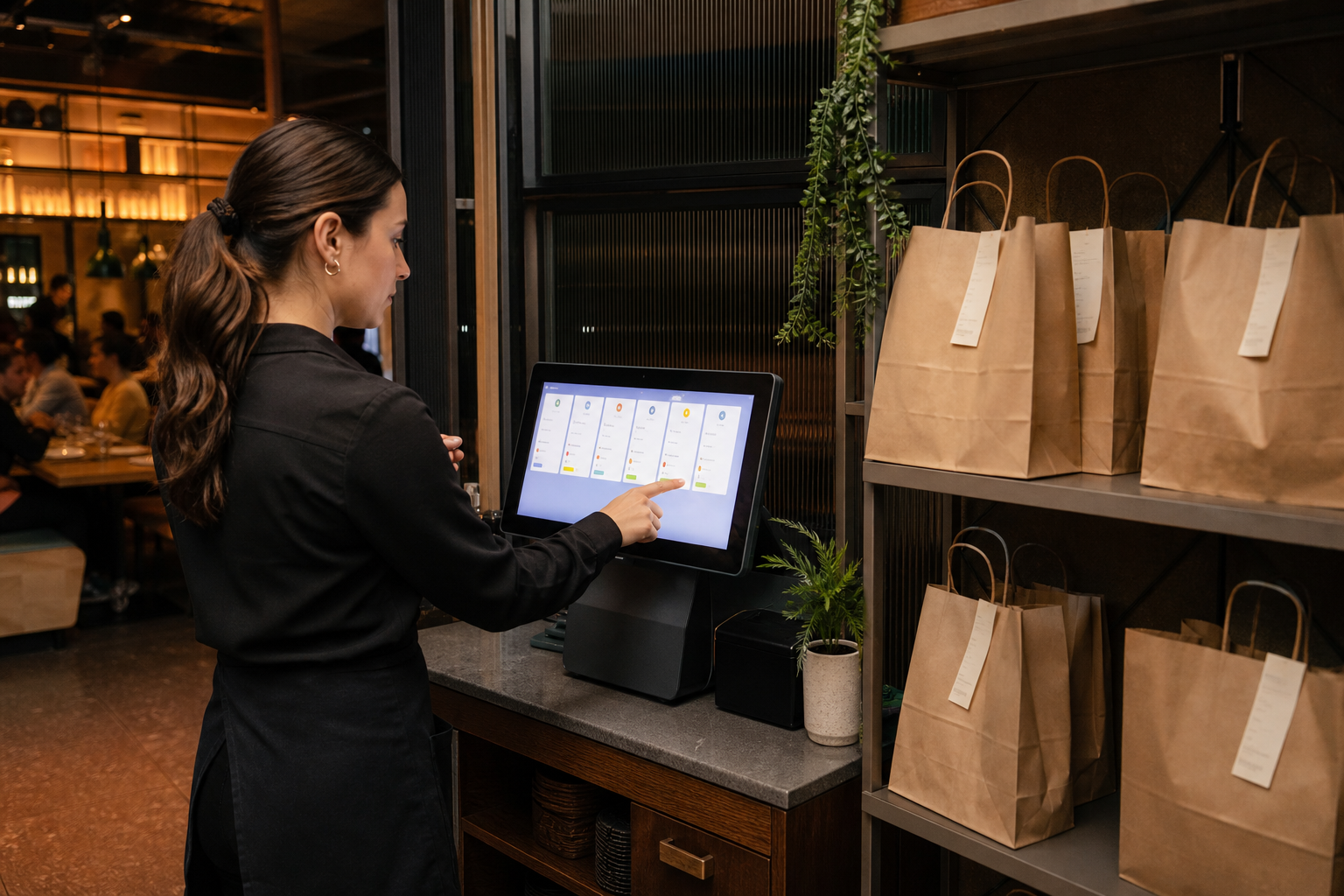
Offload order-taking with self-service technology
Counter lines during peak hours place immense stress on front-of-house teams. Implementing self-service kiosks or QR ordering offloads routine order entry directly to guests.
Studies on dining automation demonstrate that tabletop ordering devices cut guest dining times by 17% to 31% and significantly reduce required server contact time per table.
While self-order tools ease front-of-house counter workloads, faster order intake increases kitchen volume. Pair self-service options with a modern POS system and Kitchen Display System (KDS) so back-of-house staff can pace tickets effectively.
Automate shift forecasting and inventory tracking
Manual inventory counts after a 12-hour shift are exhausting. Automated inventory management draws down ingredient levels in real time with every sale, issuing reorder alerts before crucial items run out mid-service.
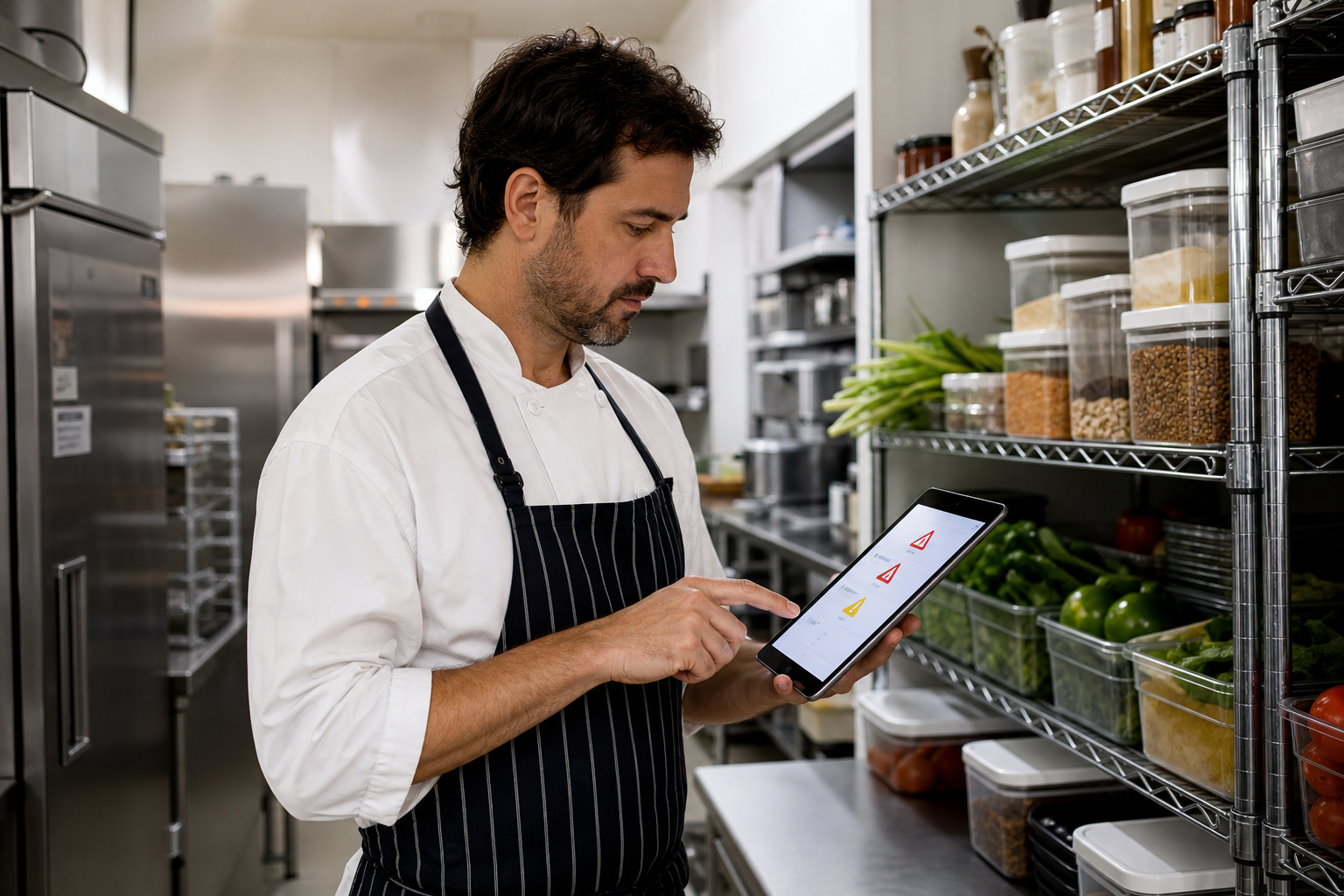
Predictive tools also analyze historical sales data to forecast busy shifts. Combining automated stock alerts with proven shift scheduling strategies ensures you never run out of prep or run a shift understaffed.
Eliminate back-office dashboard overload with AI
Managers often spend hours clicking through nested dashboards to update menus, adjust prices, or audit daily labor costs. This administrative strain takes leadership off the floor when the team needs support most.
Tools like AgenticPOS eliminate dashboard fatigue by letting operators control back-office tasks using simple conversational prompts via Claude, ChatGPT, or Slack. You can also explore Spindl AI agents to automate multi-location updates, menu adjustments, and daily reporting in plain language. For practical examples, check out these key restaurant AI agent use cases.
Best practices for rolling out tech without alienating your team
Introducing new technology can trigger stress if staff feel overwhelmed by unfamiliar tools or micromanaged by tracking systems. Follow these implementation steps to ensure smooth adoption:
- Involve staff early: European workplace safety guidelines recommend involving employees in selecting and testing tools to reduce technology-driven stress and build trust.
- Communicate clear purpose: Explain that automation is designed to make shift work easier, not monitor every second of their day.
- Pilot during slow windows: Test new hardware and software during off-peak hours before relying on them during Friday night rushes.
- Streamline your stack: Audit existing tools to eliminate redundant apps and single-purpose hardware. Review our guide to restaurant automation tools to design a lean tech stack.
Building a low-stress, high-efficiency operation
Reducing restaurant staff stress isn't about working slower – it is about removing unnecessary operational friction. By consolidating order streams, simplifying order entry, and automating back-office management, you protect your team from burnout while maintaining fast, reliable service.
Ready to simplify daily management? Start free with AgenticPOS on your current point of sale to control menu changes and reporting via chat. When multi-location work expands, scale into Pro, or transition to the complete Spindl platform when you're ready to retire your legacy stack.