How to manage multiple restaurant locations efficiently
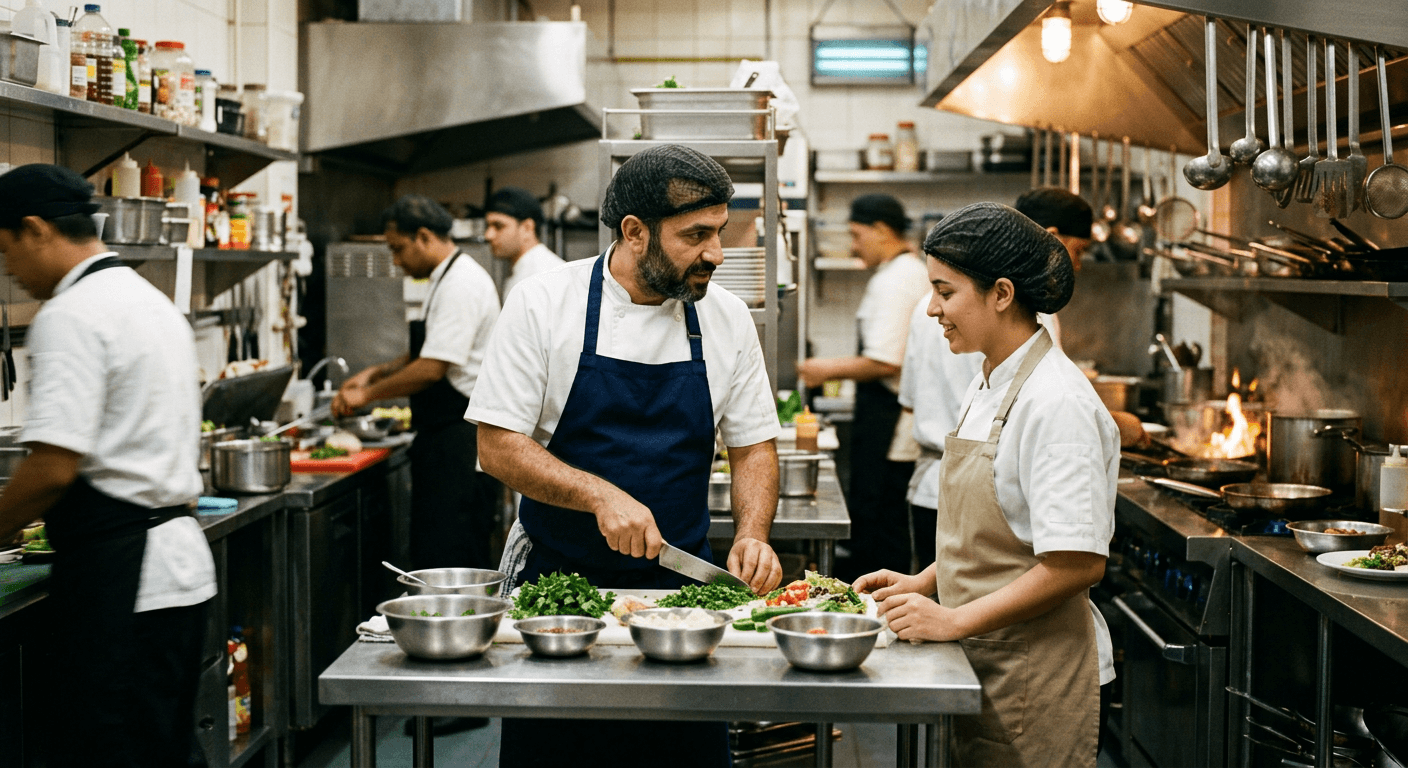
Can your restaurant brand survive your absence? Moving from single-site hustle to multi-unit operations requires system-led consistency across every location. Without unified controls, minor operational leaks quickly eat away at thin 3–5% net profit margins.
Standardize your tech stack across locations
The "tablet farm" – a chaotic counter covered in separate screens for DoorDash, UberEats, and in-house orders – breaks your operational data. Fragmented systems make real-time unit profitability impossible to calculate.
Consolidating your tech into an integrated POS system reduces administrative task time by 30%, saving roughly 12 hours every week. Built-in delivery app integrations pull all online channel orders into one kitchen queue, delivering 98%+ order accuracy across every store. This centralized visibility lets you stop firefighting and start managing by data.
If you want to streamline back-office tasks across sites through conversational AI on your existing setup, you can also connect AgenticPOS to handle menu changes, shift adjustments, and pricing updates via chat.
Deploy a structured onboarding framework
Staffing remains a huge bottleneck for multi-unit operators. Replacing a line cook costs $1,800 to $3,500 in recruiting fees and lost productivity.
Implementing a structured kitchen staff training program aligns new hires across every branch:
- First 30 days: focus on food safety, brand culture, and station fundamentals.
- Days 31–60: build speed, order accuracy, and cross-station competency.
- Days 61–90: achieve full station independence and shift leadership readiness.
Master demand-based labor forecasting
Labor represents 30–35% of overall restaurant operating costs. Relying on gut feel for scheduling across multiple units causes either bloated payroll or sluggish service.
Leveraging real-time sales data analysis matches hourly staffing levels directly to forecasted sales trends. AI-driven scheduling delivers a 5–15% labor cost reduction by deploying your top staff during peak Revenue Per Available Seat Hour (RevPASH) windows.
Enforce closed-loop quality audits
Consistency is the core of multi-unit brand equity. If your signature dish tastes different across zip codes, guest loyalty erodes.
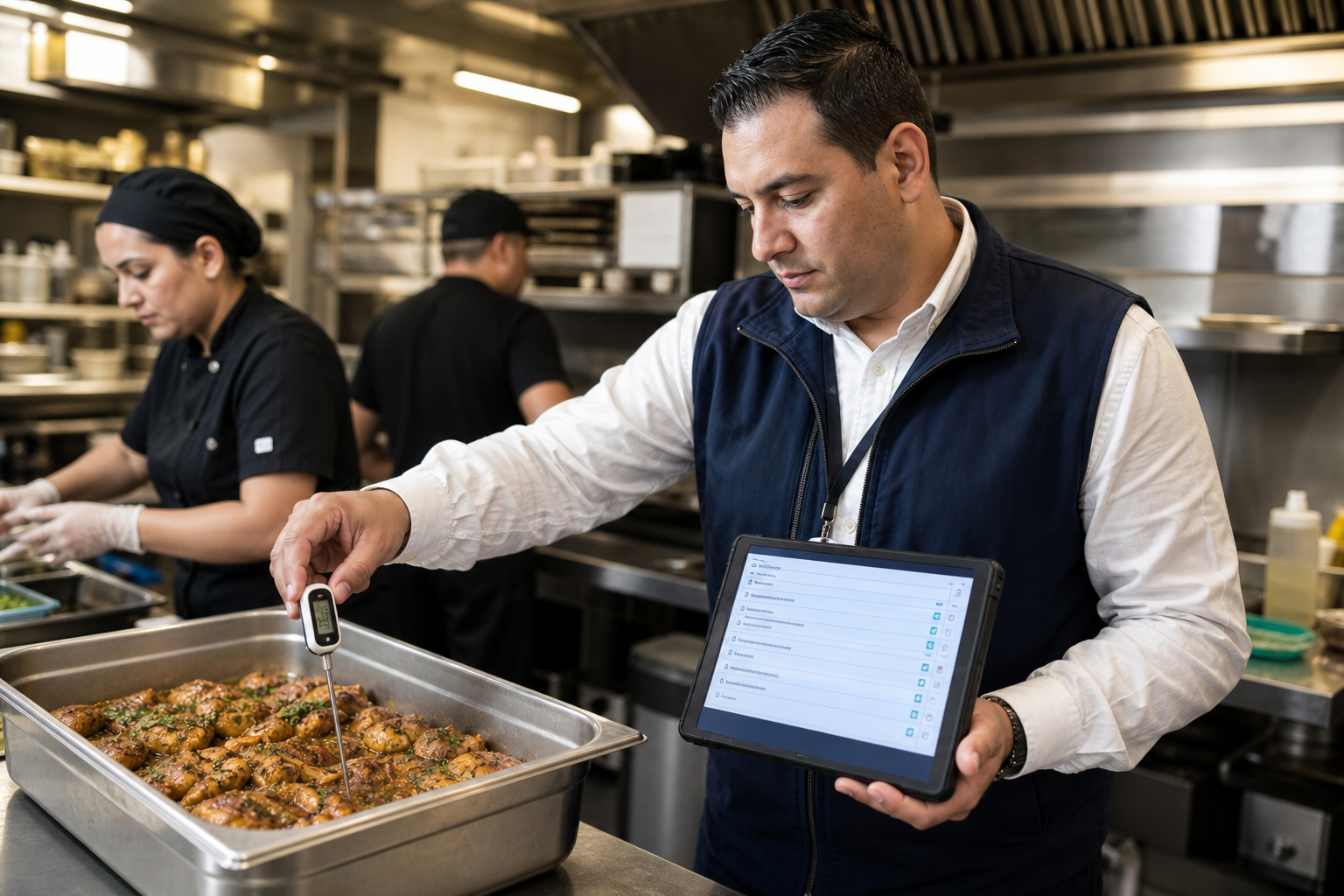
Establish clear operational guidelines aligned with the FDA Food Code. Use digital checklists and automated temperature monitoring recommended by the CDC to eliminate manual recordkeeping. Pair food safety logs with firm service standards – such as greeting guests within 60 seconds – to cut customer complaints by up to 25%.
Control prime costs and inventory in real time
Prime cost (food plus labor) should stay between 55% and 65% of total revenue. Unchecked food cost variances usually signal over-portioning, unrecorded waste, or theft.
Connecting sales directly to real-time inventory management automatically deducts ingredients per recipe. Adopting standard operating procedures and waste tracking aligned with EPA food waste prevention guidelines helps keep inventory variance below 2% and catches cost leaks before monthly financial reviews.
Build a scalable management strategy
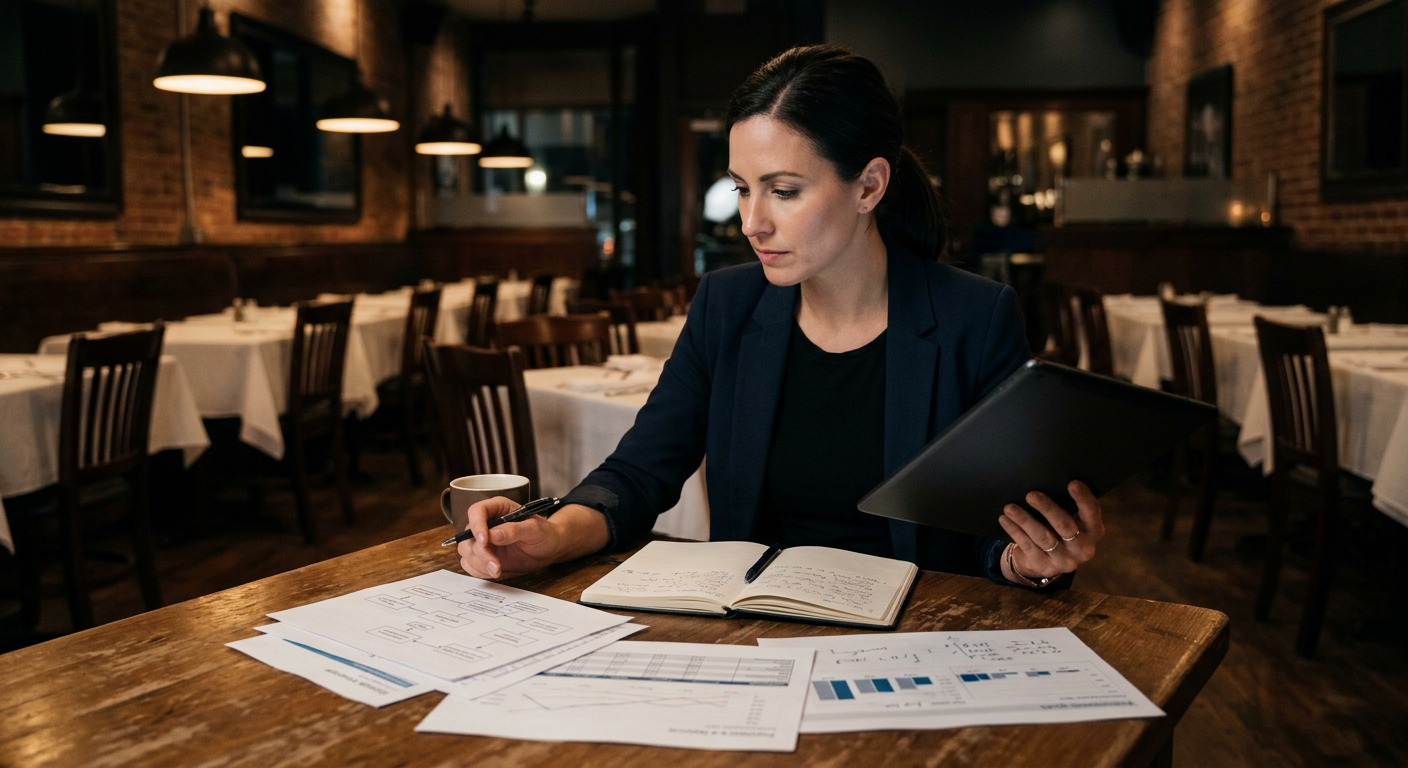
Scaling multi-unit operations requires shifting from manual clipboards to automated operational workflows. Centralizing your sales, inventory, and staff management into one system creates a repeatable model for long-term growth.
You can run daily multi-unit queries using AI restaurant management tools or manage existing point-of-sale setups via chat using AgenticPOS. Apply these proven multi-location management practices and explore Spindl's all-in-one restaurant platform to secure complete real-time visibility across all your sites.