How 7 fast-food survey questions stop $375k in churn
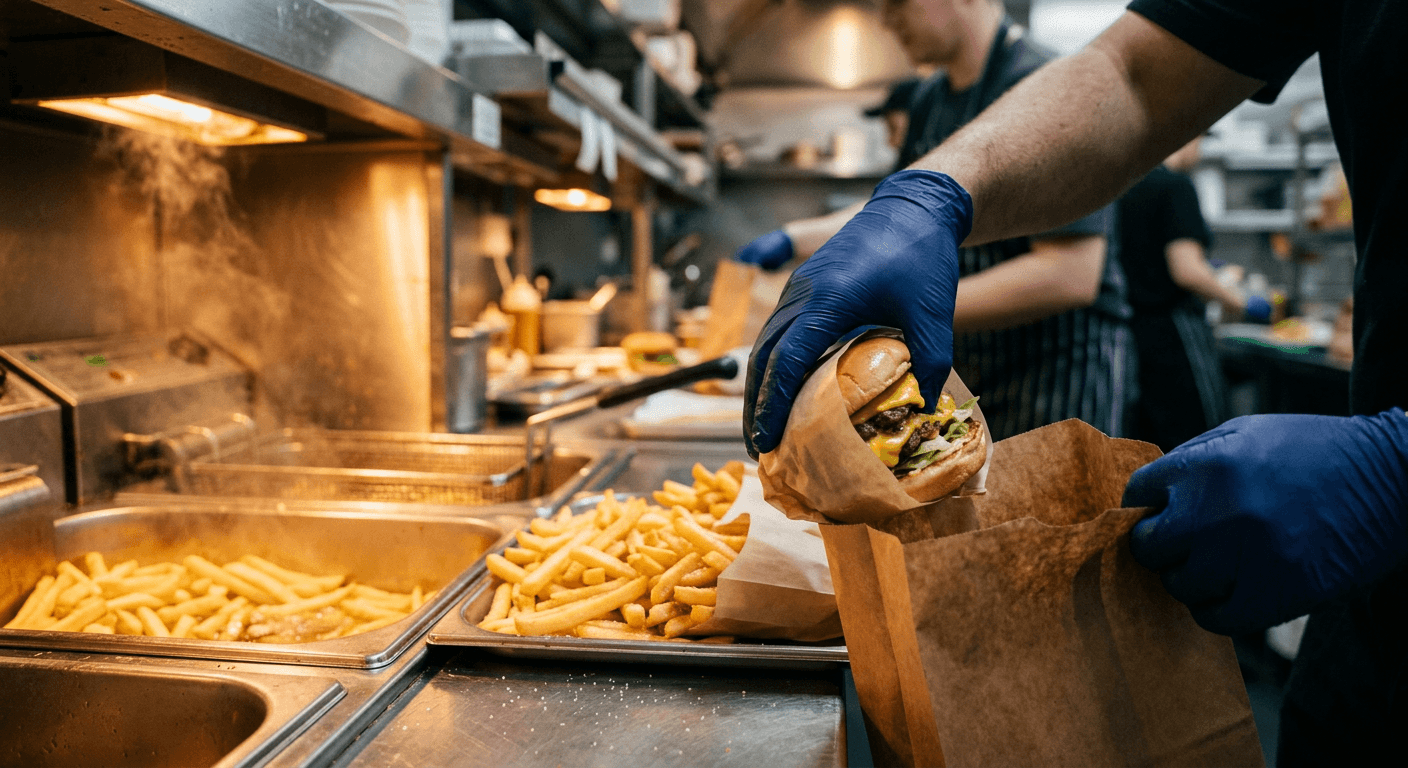
Most fast-food customers don't complain; they just never return. This silent churn costs operators roughly $375,380 in lost annual revenue per location. Here is how to build a short, high-yield guest survey that customers actually complete.
According to operational data, 75% of first-time visitors who experience excessive wait times will never come back. Retained customers represent $1,560 in lifetime value, compared to just $555 for those who walk away after a single bad visit. To plug this leak, you must transition from guessing to measuring. Deploying a targeted restaurant customer satisfaction survey is your best defense against silent churn.
Overall experience benchmark
Your first priority is establishing a Customer Satisfaction Score (CSAT). Ask your guests: "How satisfied were you with your overall experience today?"
To get the most accurate results, use a 5-point labeled satisfaction scale. Avoid using only numbers; anchor every point with clear labels: Highly Satisfied, Satisfied, Neither Satisfied nor Dissatisfied, Dissatisfied, and Highly Dissatisfied.
According to the American Customer Satisfaction Index (ACSI), the average quick-service customer satisfaction score sat at 79 out of 100 in 2025. While 4 in 5 consumers feel satisfied with fast-food dining overall, satisfaction levels vary heavily by channel. In-store counter service averages 85% satisfaction, drive-thrus sit at 83%, and self-service kiosks lag behind at 70%. Monitoring this baseline helps you identify localized operational dips before they tank your Google ratings.
Food order accuracy
Order errors are silent profit killers. Ask your guests: "Was your order 100% accurate, including modifications?"
The industry-average benchmark for order accuracy stands at 85 out of 100. When accuracy slips, ingredient waste rises and customer patience bottoms out. Keep this question completely focused. Avoid double-barreled questions like "Was your order accurate and hot?"
If your accuracy scores are lagging, it is a clear sign to upgrade your infrastructure. Using a modern Spindl operating system ensures all orders from kiosks, drive-thrus, and third-party delivery flow into a single screen, eliminating transcription errors and legacy hardware limitations.
Speed of service
Wait times dictate retention. Ask your guests: "How would you rate the speed of your service?"
Speed is a critical benchmark. Roughly 27% of U.S. adults expect their food within 2 to 3 minutes of ordering. Another 42% say 5 minutes is the maximum acceptable wait time.
If guests consistently flag your speed as "slow," your operational workflow has a bottleneck. Systematically reducing wait times in restaurants boosts your capacity and keeps guests from abandoning your drive-thru lane. Even a modest 10% increase in checkout and fulfillment speed can translate into thousands of dollars in found monthly revenue.
Food temperature and quality
Diagnose equipment failures or delivery lag by asking: "Was your food served at the appropriate temperature?"
The quick-service benchmark for food quality stands at 84 out of 100. If delivery orders consistently suffer from "cold fries," your handoff process is broken.
Consolidating your third-party delivery apps into a single interface prevents food from sitting too long at the pass. Direct integrations keep your kitchen in sync with courier arrival times so hot food goes out immediately.
Staff friendliness and attentiveness
Friendliness is often a proxy for staff stress. Ask your guests: "Did our staff make you feel welcomed and valued?"
The industry benchmark for staff courtesy and helpfulness sits at 84 out of 100. High-volume shifts and chronic understaffing directly trigger service breakdowns. When employees are forced to juggle five different delivery tablets, friendly service becomes impossible. Monitoring this metric helps management identify signs of staff burnout before it compromises the guest experience.
Net Promoter Score (NPS)
Calculate your brand health by asking: "On a scale of 0–10, how likely are you to recommend us to a friend?"
This single question remains the gold standard for predicting growth. Promoters are highly likely to forgive operational hiccups, and organic word-of-mouth is your most valuable marketing asset.
The open-ended improvement question
Quantitative scores tell you what is happening, but qualitative feedback explains why. Ask your guests: "What is one thing we could have done to make your visit better?"
Keep the vocabulary simple and accessible. One operator who adjusted portion sizes based on this exact open-ended question enjoyed a 22% increase in repeat business.
Strategies for deploying surveys that work
To maximize engagement, your surveys must remain highly focused. Keep questionnaires brief, ideally containing 5 to 7 questions. Shorter surveys prevent survey fatigue and keep completion rates high.
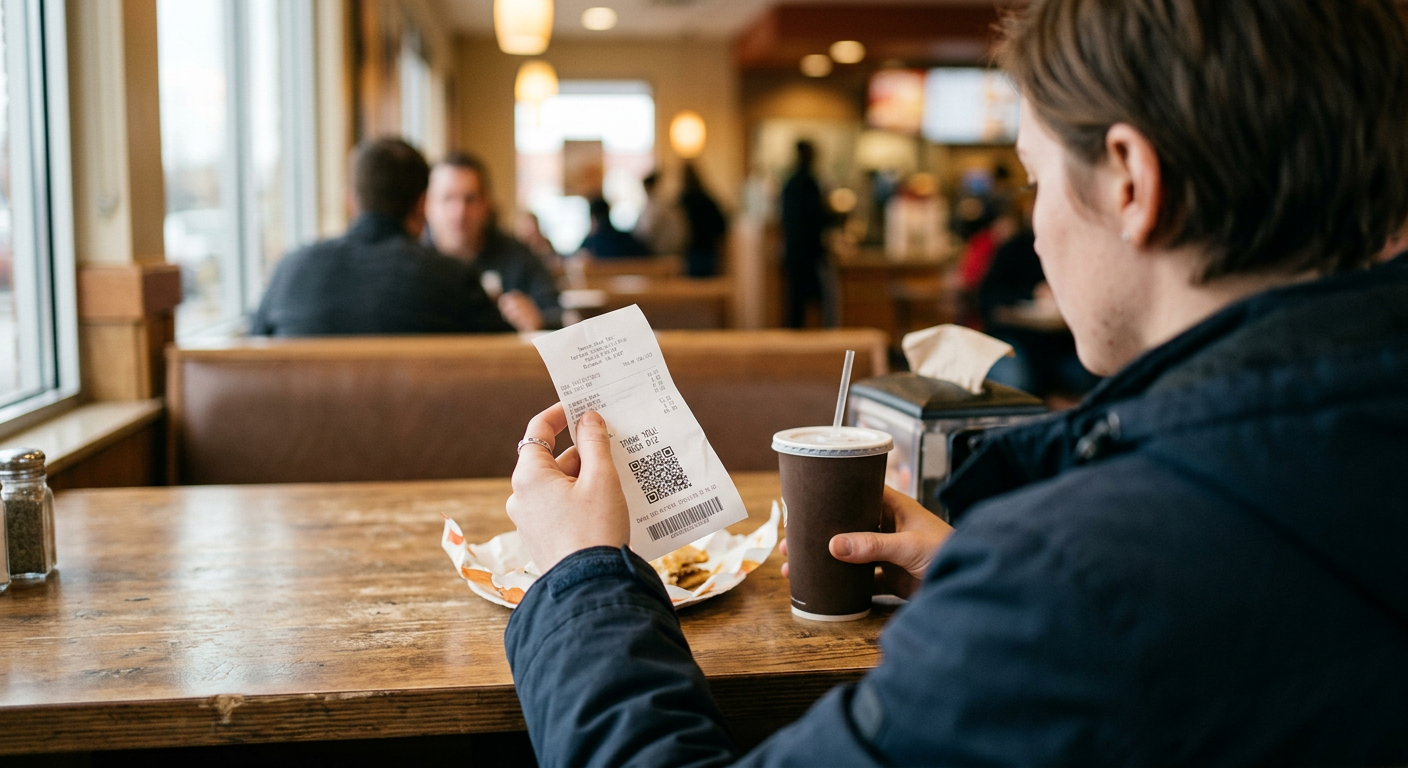
How you distribute your survey matters. Frictionless methods like receipt QR codes, tableside tablets, or post-visit SMS prompts yield the highest response rates. Offering a small incentive, such as a $5 credit or a free side, can boost your completion rates from a meager 8% to 31%.
When a guest does submit negative feedback, you must have immediate restaurant complaint handling strategies in place. Catching a dissatisfied guest while they are still in the building acts as a reputation firewall. A 1-star increase on public review platforms can yield a 5% to 9% lift in revenue. Deploying effective reviews management for restaurants allows you to route promoters to public directories and unhappy guests to private resolution forms.
Manual surveys are a chore that your busy staff does not have time to manage. You need unified restaurant feedback solutions that tie customer sentiment directly to real-time POS data.
To do this without replacing your entire tech stack on day one, you can start free with AgenticPOS. AgenticPOS connects to your existing POS system and exposes key operations – like promotions, shifts, and real-time reporting – directly to AI agents. You can manage daily tasks through Claude, ChatGPT, or Slack bots without clicking through complex dashboards.
As your business expands and multi-location management becomes more complex, you can seamlessly transition to the full, all-in-one Spindl operating system to unify order taking, loyalty programs, and automated guest feedback. Stop losing revenue to silent customer churn and discover how to improve customer satisfaction in dining with Spindl today.