Toast POS alternatives for managing restaurant margins
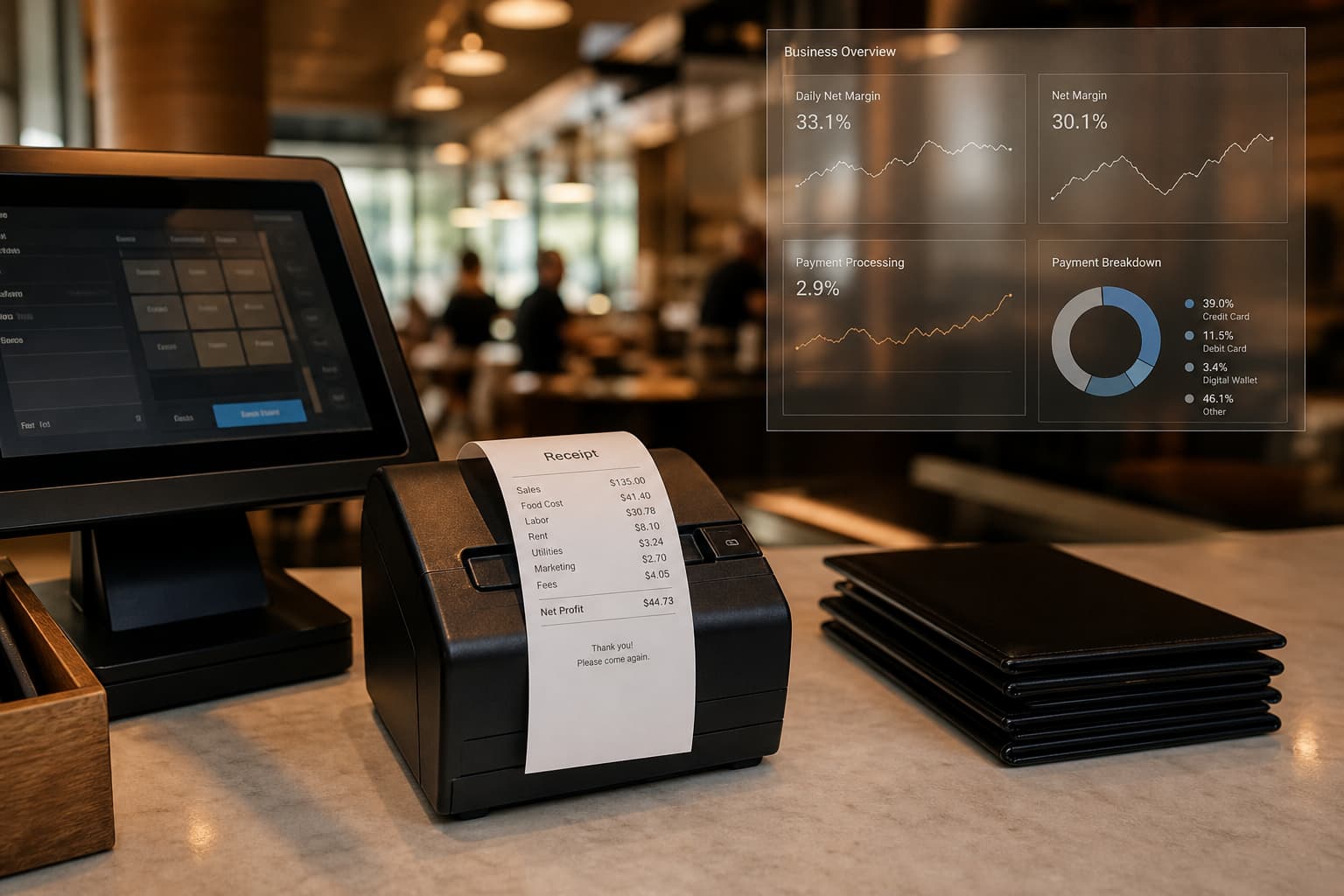
Is your restaurant POS holding your margins hostage with auto-renewing contracts and surprise payment processing fees? While Toast holds a massive 68.42% market share, rigid ecosystems are no longer your only option for streamlined operational control.
Why restaurant owners are looking for Toast alternatives
Dominance does not automatically equal the best fit for your specific cash flow. Many operators find themselves frustrated by three key operational realities:
- Locked-in contracts: According to Toast's renewal terms, their contracts automatically renew for successive one-year periods unless you provide at least 30 days' written notice.
- The processing fee trap: While Toast's "pay-as-you-go" Starter Kit advertises $0 upfront, it charges transaction processing fees between 3.09% + 15¢ and 3.69% + 15¢ depending on the tier. If your restaurant does high volume, these elevated processing rates quickly cost far more than paying for hardware and software upfront.
- Feature lock-in: To get essentials like online ordering, delivery integrations, and loyalty programs, you must upgrade your tier or purchase proprietary add-ons, which drastically raises your monthly bill.
Before committing to a long-term hardware setup, it helps to run a cost-benefit analysis of upgrading restaurant POS systems on your technology stack to identify where your margins are leaking.
The modern, agentic alternative: Spindl and AgenticPOS
If you want to skip the legacy dashboard-clicking and avoid tool sprawl, the modern alternative is a system built for the AI era.
Spindl is the world's first agentic restaurant operating system. It unifies your point of sale, kitchen display systems (KDS), online ordering, self-service kiosks, delivery dispatch, and loyalty programs into a single, cohesive database. Instead of navigating dozens of drop-down menus, your team can update menus, adjust prices, edit shifts, and count inventory simply by talking or typing to the system in plain English.
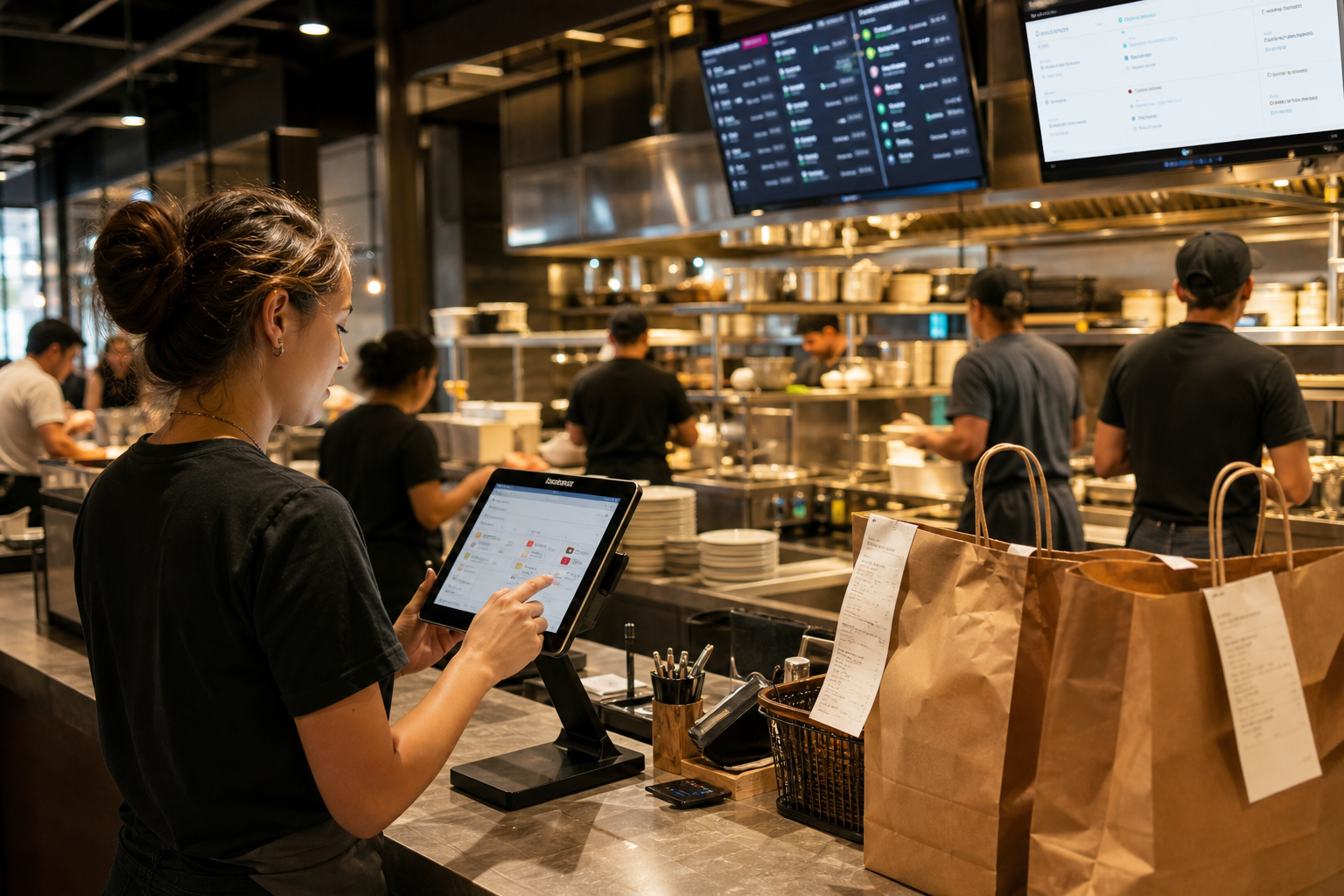
Additionally, the Spindl ecosystem includes AgenticPOS, an Model Context Protocol (MCP) server designed to connect directly with your existing POS.
Here is how Spindl and AgenticPOS work together:
- Start free: Connect AgenticPOS to your current POS system (including legacy setups). Use AI agents via ChatGPT, Claude, or Slack to handle back-office tasks like menu updates and real-time reporting.
- Scale to Pro: Upgrade to AgenticPOS Pro when multi-location management and complex automated scheduling start costing too many manual hours.
- Transition fully: Move to the comprehensive Spindl OS when you are ready to retire your legacy hardware stack entirely.
With the unique Spindl pricing model, the POS software is free for Pro users. Instead of monthly software invoice shocks, the system uses small, predictable daily deductions based on your actual card processing volume.
Comparing the top Toast POS alternatives
If you are evaluating other traditional systems alongside Spindl, here is a quick overview of how the top competitors compare on pricing and fit.
| POS system | Base monthly software fee | Standard processing rates | Best for | Key limitation |
|---|---|---|---|---|
| Spindl | $0 (Free POS on Pro plan) | Charged on card volume | Modern, delivery-heavy brands | Newer market entrant |
| Toast | $0 to $69+ | 2.49% to 3.69% + 15¢ | Full-service dine-in | Rigid 1-year auto-renewals |
| Square for Restaurants | $0 to $165 | 2.6% + 10¢ | Coffee shops & startups | Lacks advanced inventory depth |
| Lightspeed Restaurant | $69 to $399+ | Quote-based / Interchange | High-volume & fine dining | Steep learning curve |
| Clover | $69.95 to $84.95 | 2.3% to 2.6% + 10¢ | Quick-service | Rigid 36-month contracts |
In-depth breakdown of Toast competitors
If you are looking for a deeper breakdown of the entire market, see our comprehensive restaurant POS system comparison. Otherwise, read on for a focused look at the top alternatives.
Square for Restaurants: Best for simple setups
Square for Restaurants is a common alternative for quick-service concepts, coffee shops, and mobile food trucks that need to go live immediately.
- Pricing: Square offers a $0 software tier for single locations. Its Plus plan starts at $69 per location, and the Premium plan starts at $165. Standard in-person processing is 2.6% + 10¢.
- The Pros: No monthly software fees on the basic plan, highly intuitive hardware, and zero long-term contract lock-ins.
- The Cons: Square lacks operational depth. It does not provide the robust menu performance analytics or intricate inventory tools required for complex, scaling businesses.
Lightspeed Restaurant: Best for complex inventory
Lightspeed is designed for upscale dining, multi-unit groups, and high-volume operations with heavy back-of-house tracking requirements.
- Pricing: Three main tiers: Basic ($69/mo), Essential ($189/mo), and Premium ($399/mo), alongside customized Enterprise options.
- The Pros: Exceptional inventory management, seat-level order tracking, customizable floor plans, and built-in menu engineering tools.
- The Cons: The price escalates rapidly as you add essential features, and the system requires a steeper learning curve for your staff compared to simpler tablet-based systems.
Clover: Low transaction fees, high contract rigidity
Clover is a solid, hardware-first choice for quick-service and full-service restaurants that want stable card-present processing fees.
- Pricing: Table Service plans range from $69.95 to $84.95 per month, with standard in-person processing rates between 2.3% and 2.6% + 10¢.
- The Pros: Clover offers low standard transaction fees when purchased directly, and its terminal hardware is highly durable.
- The Cons: Clover requires rigid, long-term contracts – often a minimum of 36 months. It also offers less menu and floor-plan flexibility if your layout changes frequently.
TouchBistro: The traditional add-on model
TouchBistro is a hybrid cloud/local POS designed specifically for restaurants, ensuring your system stays up even if the internet goes down.
- Pricing: Base POS software starts at $69 per month.
- The Pros: Solid offline reliability and robust tableside ordering features that help staff increase average table turns.
- The Cons: Highly dependent on paid add-ons. If you want a kitchen display system (+$19/mo), online ordering (+$50/mo), reservations (+$229/mo), or loyalty (+$99/mo), your actual monthly bill will quickly triple.
SpotOn and SkyTab: Budget-friendly alternatives
For operators focused on keeping upfront costs low, SpotOn and Shift4's SkyTab offer competitive contract structures.
- SpotOn: Offers a $0 Quick Start plan with a 15" POS station included. Its Counter-Service plan is $99/month, and its Full-Service plan is $135/month, which includes QR-code ordering and a kitchen display system.
- SkyTab: Starts at an aggressive $29.95 per month with no upfront hardware costs. It includes integrated online ordering, loyalty programs, and mobile tableside terminals in the base price.
How to choose your next restaurant POS
Selecting the right system requires balancing your style of service with your growth plans. To find the right fit, run through this quick decision matrix:

- Evaluate your off-premise order volume: If a significant portion of your revenue comes from third-party delivery apps, you need a system with native delivery integration. Juggling multiple tablets wastes time, increases stress, and leads to order errors. By centralizing your tech stack, you can eliminate redundant hardware and avoid complex software subscriptions. Check out our POS system integration guide for restaurants to see how direct API bridges prevent order leaks and reduce food costs.
- Analyze your inventory complexity: If you need to track raw ingredients down to the ounce, a system with advanced tracking tools is essential. To read more about managing complex inventories alongside your front-of-house operations, check our guide on the best restaurant management software.
- Determine your risk tolerance for contracts: To avoid multi-year lock-ins, choose a month-to-month option or an agentic solution. Avoid legacy platforms that auto-renew your software agreements without your explicit consent.
To drive your profit margins upward, you need a best restaurant POS systems in 2026 candidate that treats operational data as a core asset. Understanding how data-driven decisions optimize your service starts with streamlining operations with POS and analytics to eliminate manual reconciliation.
Ready to stop clicking through legacy dashboards and start running your restaurant using natural language? Run a free pilot of AgenticPOS on your current system today, or transition your hardware entirely to the Spindl platform to consolidate your operations.