How to design a food marketing strategy that actually works
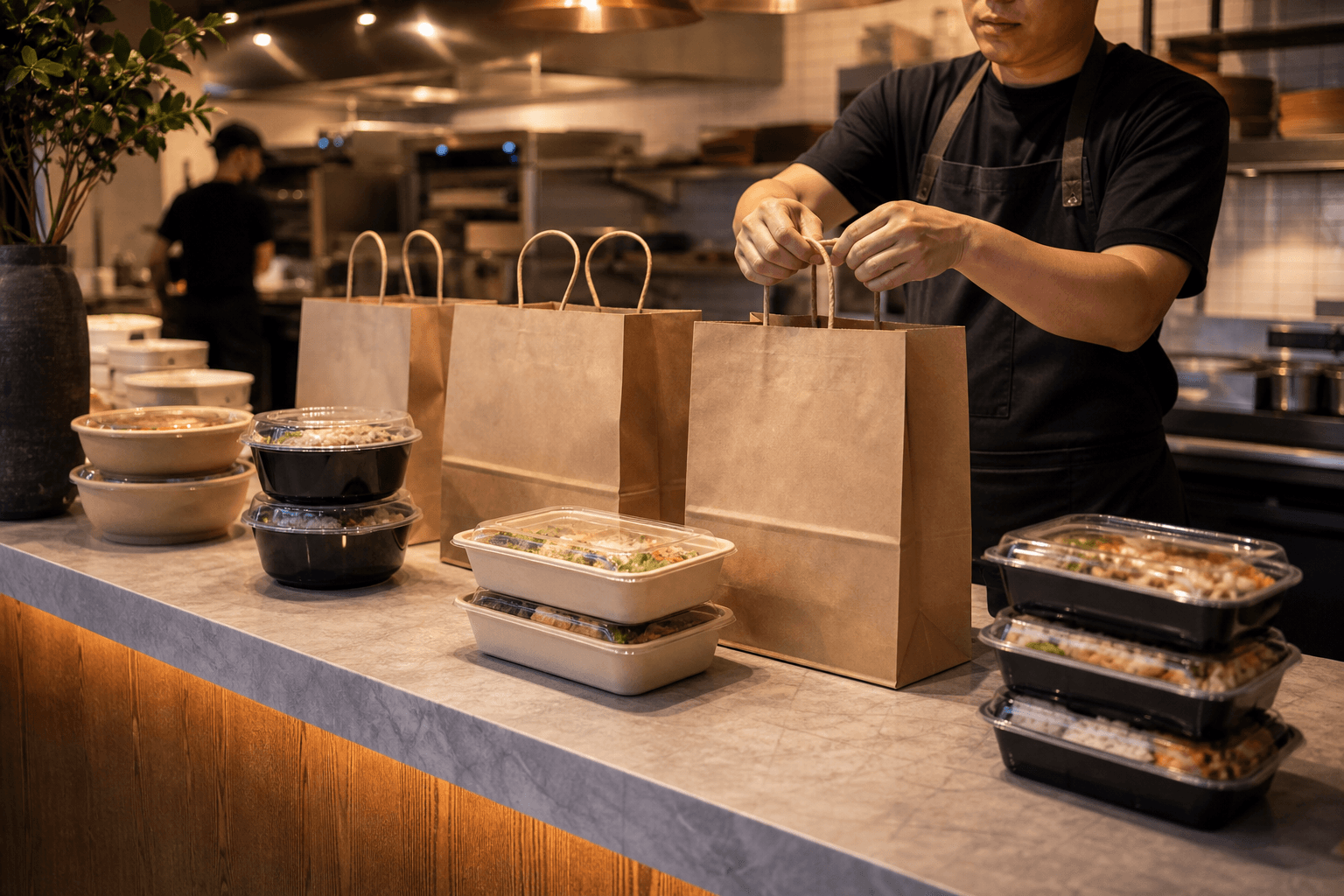
Are you tired of watching third-party apps eat 30% of your margins while guests never return? Building a profitable food business requires shifting your focus from one-time traffic to lifetime brand loyalty. Here is how to make it happen.
Anchor your brand positioning first
Marketing gets people in the door once, but branding keeps them coming back. If your restaurant has a fundamental positioning problem, paid traffic will only accelerate your losses. You must establish a clear reason why guests should choose your kitchen over the competition. Building a solid foundation requires a clear restaurant branding strategy built on three core pillars:
- Strategic positioning: Define your unique lane with extreme specificity. For example, a Seattle ramen shop grew sales by 23% in six months by positioning itself as the city’s only spot serving authentic Hokkaido-style ramen with noodles made fresh every four hours.
- Visual identity: Humans process images much faster than text. Professional food photography can increase individual menu-item sales by up to 30%, making your digital menu irresistible.
- Customer experience: Map every touchpoint across the guest journey. Aligning physical and digital touchpoints keeps your brand promise friction-free.
Optimize your distribution channels
Where you sell is just as critical as what you sell. Third-party delivery platforms offer massive reach, but their high commissions deeply erode your margins. Shifting customers toward direct ordering channels is key to reclaiming your profits.
Digital ordering platforms naturally drive increased customer spending and more indulgent food choices, particularly during dinner. To capture maximum margin on these orders, pair your marketplace reach with direct-to-consumer sales using custom commission-free online ordering. You can also use Spindl Studio to fully customize your digital storefront's styling, layout, and upsell logic.
Managing multiple off-premise channels shouldn't mean managing five different tablets. Using dedicated software for third-party delivery management lets you sync menus, prices, and orders automatically across every marketplace.
Dominate local search and social proof
Most diners decide where to eat while staring at their phones. Managing your online search visibility and local reputation is non-negotiable.
- Optimize for local discovery: Ensure your Google Business Profile is complete with accurate hours, menu items, and ordering links. According to Google guidance, complete business profiles improve local ranking signals. You should also publish menus as HTML rather than PDFs on your website to help search engines index individual dishes. For more details, explore our full restaurant SEO strategy.
- Manage reviews aggressively: Research shows that 79% of diners read online reviews before choosing where to eat, and over 80% select restaurants that actively respond to feedback. Follow a structured framework to monitor feedback, respond with empathy, and improve operational issues.
- Leverage high-impact social media: According to the National Restaurant Association, 75% of adults consider daily specials or discounts when choosing quick-service or casual spots. Deploy focused Instagram marketing strategies and leverage short-form video to convert online scrollers into dining room guests. Learn more in our guide on digital marketing for food businesses.
Build a data-driven guest retention engine
Acquiring a new customer is up to seven times more expensive than keeping an existing one. To build a profitable food brand, turn first-time diners into regulars using an automated retention system.
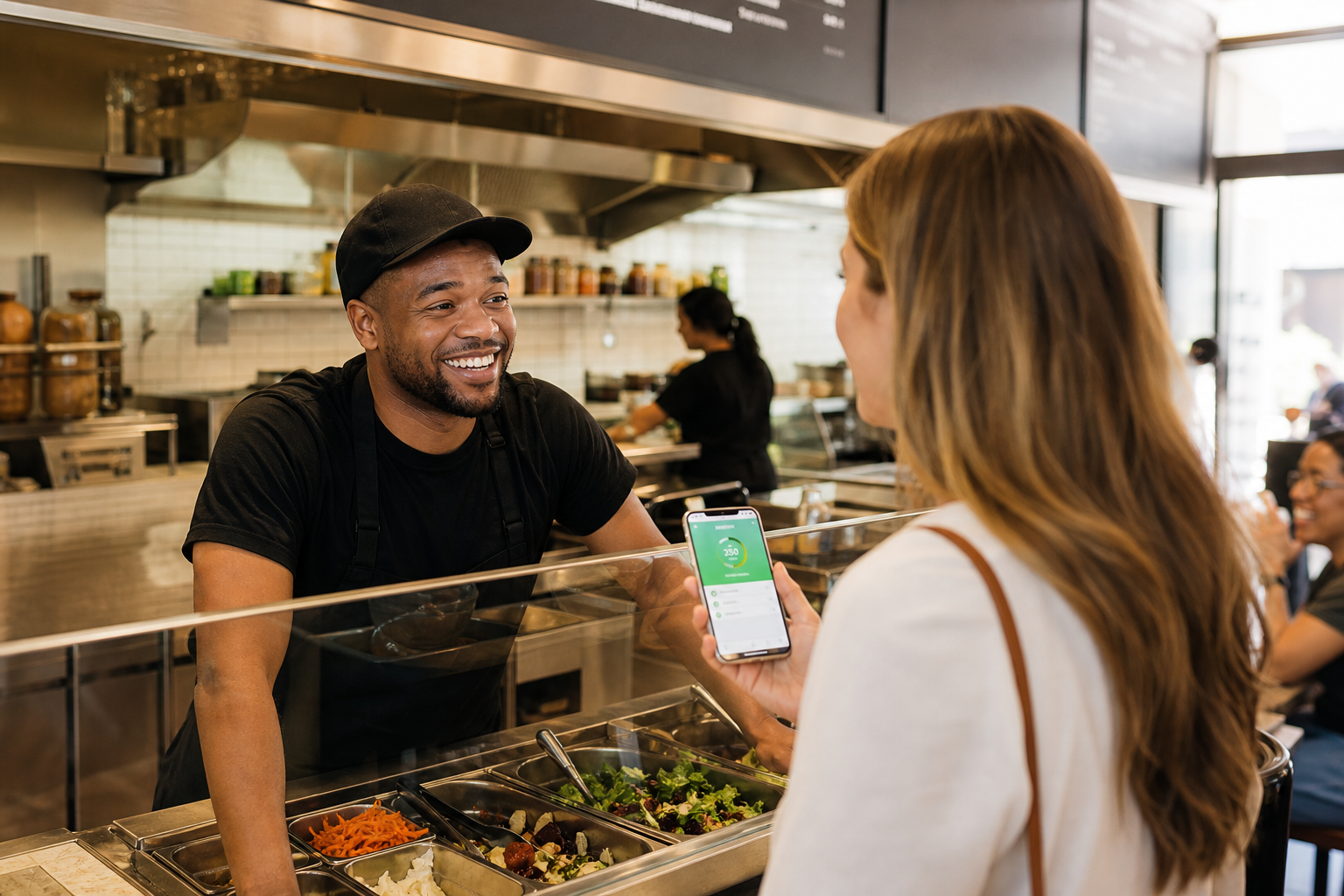
- Automate targeted messaging: Set up behavior-based email sequences for welcome offers, birthday rewards, and win-back campaigns. Segment your list by order preferences and timing to deliver relevant promotions.
- Launch a modern loyalty program: National Restaurant Association research indicates that 52% of adults participate in restaurant loyalty programs, with 96% agreeing it provides better value. Design an attractive restaurant loyalty program where the first reward is reachable within two to four visits to build immediate habits.
- Own your guest data: Disconnected systems lead to dirty, fragmented guest profiles. Consolidate interactions across dine-in, online ordering, and delivery into unified profiles using dedicated restaurant CRM software. You can read more about building direct guest relationships in our guide on engaging customers through restaurant apps.
- Run high-ROI promotions: Test targeted LTOs, happy hours, and seasonal bundles. For actionable tactics, check out our guide on restaurant promotion ideas.
Upgrade your operational tech stack
Executing a modern food marketing strategy is impossible if your team is juggling separate tablets, legacy POS screens, and disconnected loyalty tools. Operational chaos hurts margins and burns out staff.
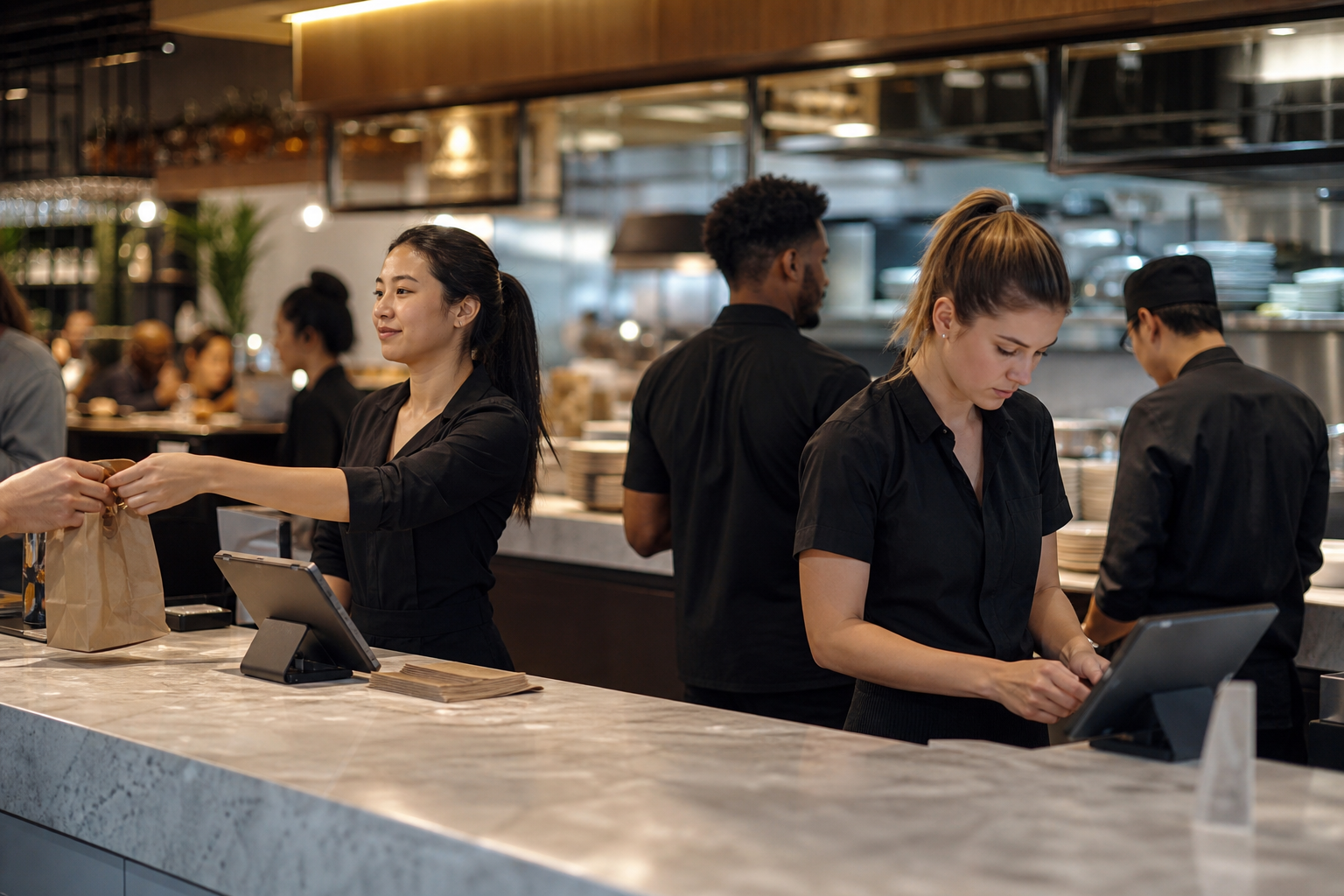
Before overhauling your entire setup, you can manage daily POS operations using AI. With AgenticPOS, you can connect an AI agent to your existing POS via chat. Update menus, adjust pricing, launch promotions, and analyze sales through Claude, ChatGPT, or Slack without navigating complex dashboards.
When you are ready to modernize your entire infrastructure, upgrade to Spindl.
Spindl is the "iPhone" of restaurant management – an all-in-one platform that consolidates POS, direct online ordering, third-party delivery, and loyalty into a single device. Legacy tech stacks are like the Nokia 3310: functional in the past, but clunky and fragmented today. By uniting your channels on Spindl, you eliminate double entry, reduce order errors, and capture maximum guest lifetime value. Explore Spindl today to streamline your operations and unlock sustainable revenue growth.