How modern POS systems protect 5% restaurant profit margins
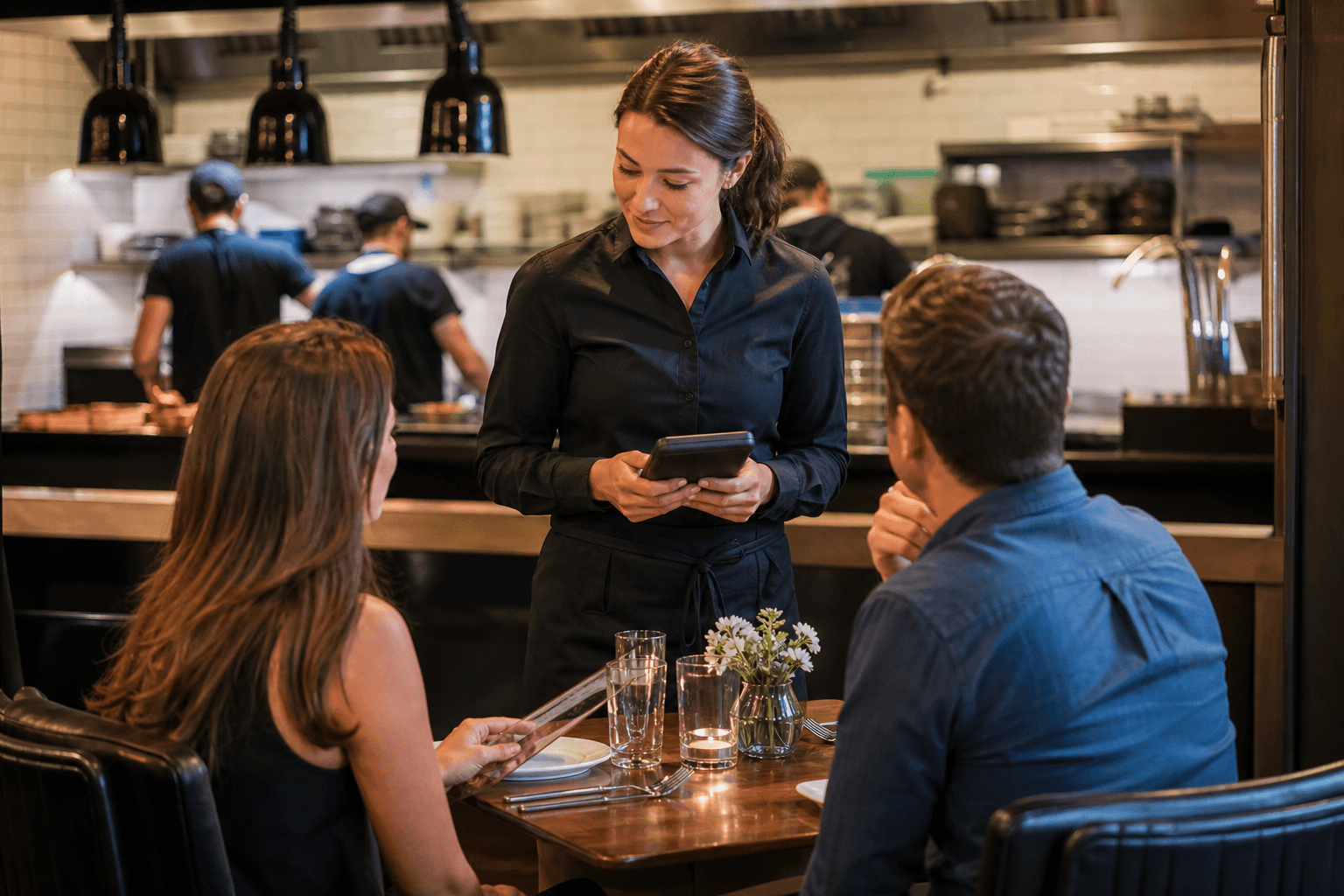
Did you know average restaurant net profit margins hover around a razor-thin 3% to 5%? Controlling daily operating expenses in real time is the only way to protect your bottom line from surging food and labor costs. A modern point-of-sale system turns operational chaos into a profitable machine.
Accelerating service speed without the chaos
In hospitality, minutes equal revenue. During peak rushes, delays in taking orders or passing tickets directly limit your hourly covers.
According to National Restaurant Association research, 81% of restaurant operators rely on POS tech, with nearly half planning further technology investments. An integrated platform acts as the digital nervous system coordinating front- and back-of-house teams. Instead of hand-writing tickets, staff route tableside or mobile orders straight to a kitchen display system (KDS).
This direct data flow delivers measurable operational efficiency:
- Shaving 10 to 15 minutes off table times allows full-service dining rooms to capture 10% to 15% more guests during peak shifts.
- Centralizing order channels cuts weekly administrative work by up to 30% by eliminating duplicate data entry.
- Using an intuitive point-of-sale interface lets new staff start taking orders accurately within minutes.
To learn more about maximizing hourly throughput, explore our complete guide on streamlining operations with POS and analytics.
Locking in 98%+ order accuracy
Order errors quietly gut your margins. A single wrong modifier wastes ingredients, consumes line labor, and risks losing a guest forever.
Most order mistakes stem from disjointed workflows, like re-keying delivery app orders into a central terminal. Consolidating your channels removes these friction points entirely.
- Direct customer input via QR codes or kiosks eliminates transcription mistakes because the kitchen receives exact selections.
- Mandatory modifier logic prevents staff from submitting incomplete orders without required options like steak temperature.
- Digital KDS screens replace lost paper tickets and highlight special modifications with color-coded timers.
By unifying dine-in, takeout, and delivery flows into a single queue, operators achieve order accuracy rates up to 98.5%. For an in-depth breakdown of error-reduction strategies, review the impact of POS on order accuracy.
Controlling food costs with real-time inventory sync
Food and beverage expenses typically consume 28% to 32% of total revenue. Industry analysis shows that total restaurant operating expenses have jumped 36% since 2019, while the USDA reports that 30% to 40% of the U.S. food supply is wasted.
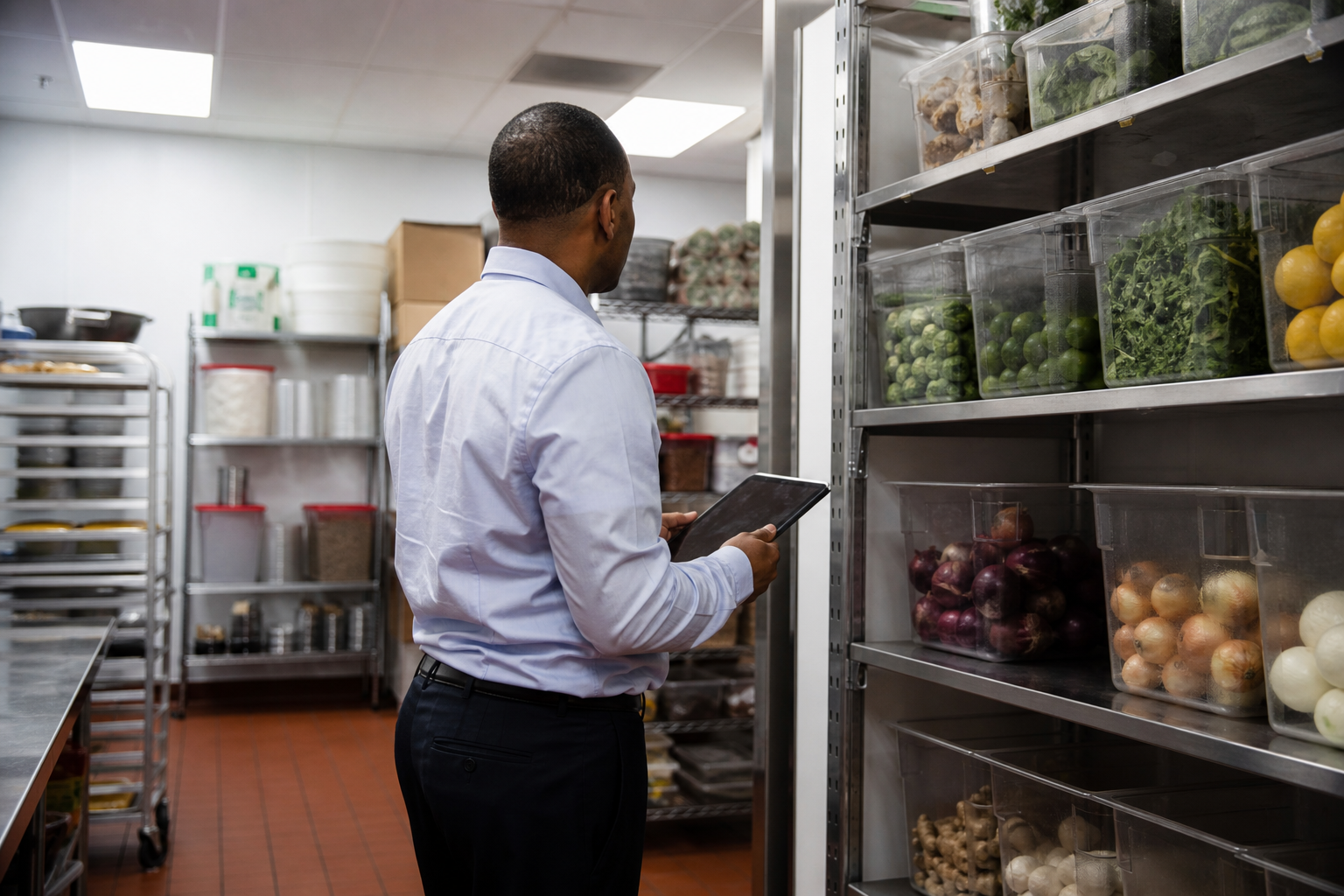
Linking your sales register to ingredient inventory establishes continuous control:
- Every register transaction automatically deducts specific recipe components down to the ounce from theoretical stock.
- Comparing theoretical inventory usage against physical stock counts flags portion creep, spoilage, or theft.
- Automated low-stock alerts notify managers before critical items run out mid-service.
To eliminate spreadsheet tracking, consider integrating POS with inventory management systems or evaluating specialized restaurant inventory management software. You can also discover how built-in POS inventory features maintain accurate counts automatically.
Turning sales data into menu engineering
Not every dollar of revenue brings equal profit. Selling high volumes of a low-margin item can crowd out more lucrative dishes.
By evaluating item sales alongside real-time food costs, operators categorize menu items into four key engineering quadrants:
- Stars (High popularity, high margin): Highlight these profit drivers prominently on physical and digital menus.
- Plow horses (High popularity, low margin): Re-evaluate portion sizes or make modest price adjustments to protect contribution margins.
- Puzzles (Low popularity, high margin): Increase sales through strategic placement, server recommendations, or revised naming.
- Dogs (Low popularity, low margin): Remove or replace these items to streamline prep time and reduce waste.
Extracting these insights from restaurant POS reporting features gives you a clear blueprint for dynamic menu design.
Matching labor scheduling to real demand
Labor accounts for 25% to 35% of restaurant revenue. Overstaffing during slow afternoon lulls drains cash, while understaffing during an unexpected surge hurts service quality.
Analyzing hourly sales performance allows you to align shift scheduling directly with historical guest traffic:
- Hourly sales analysis pinpoints exact volume spikes so you schedule staff only when needed.
- Sales-per-labor-hour metrics help managers optimize shift overlapping and adjust labor budgets mid-service.
- Dynamic shift adjustments keep prime costs in check without compromising guest satisfaction.
To master data-driven scheduling, review our handbook on best practices for using POS analytics in restaurants.
Managing operations with AI and integrated tools
Modern management tech extends beyond static dashboards. AI integration allows operators to control back-office workflows through simple conversational prompts.
For example, AgenticPOS provides an open MCP server that lets AI assistants like Claude or ChatGPT control your POS through natural chat. You can update pricing, manage multi-location menus, check live shift labor, and review inventory without clicking through multiple admin dashboards.
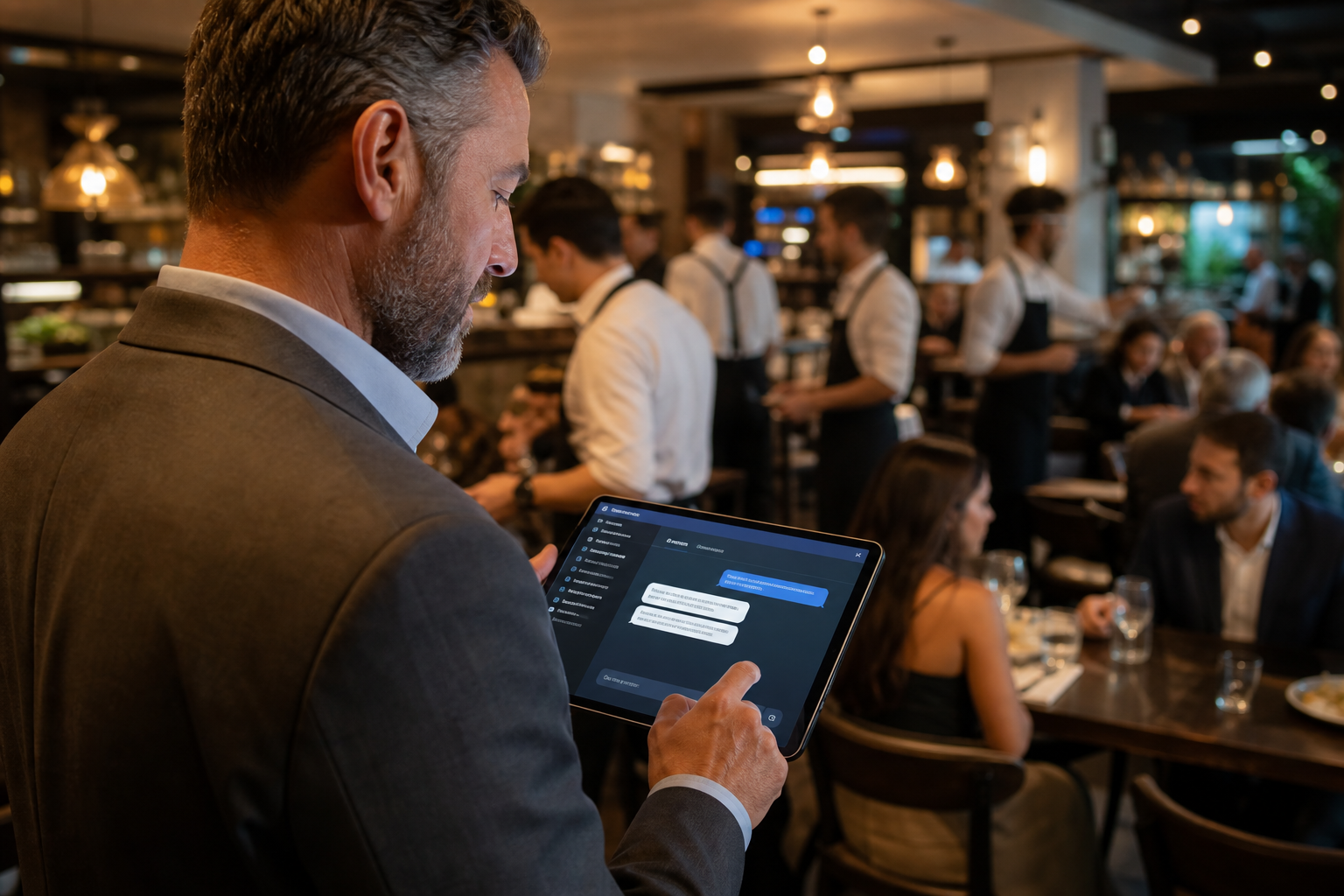
Combining conversational AI tools with comprehensive POS software capabilities creates a resilient tech foundation. By connecting your ordering channels through third-party platform integrations and following proven restaurant operational efficiency tips, you protect your margin against inflation.
Unifying your restaurant operations
Stop juggling separate delivery tablets, manual inventory spreadsheets, and disconnected reporting tools. Consolidating your front-of-house service, back-of-house kitchen workflows, and back-office analytics into one ecosystem is the fastest way to protect your profit margins.
Ready to eliminate tablet chaos and control your operating costs? Visit the Spindl features page to see how an all-in-one platform streamlines orders, inventory, and analytics, or get started free with AgenticPOS on your current point-of-sale system today.