Sådan øger du restaurantens bundlinje med op til 95 % ved at holde på gæsterne
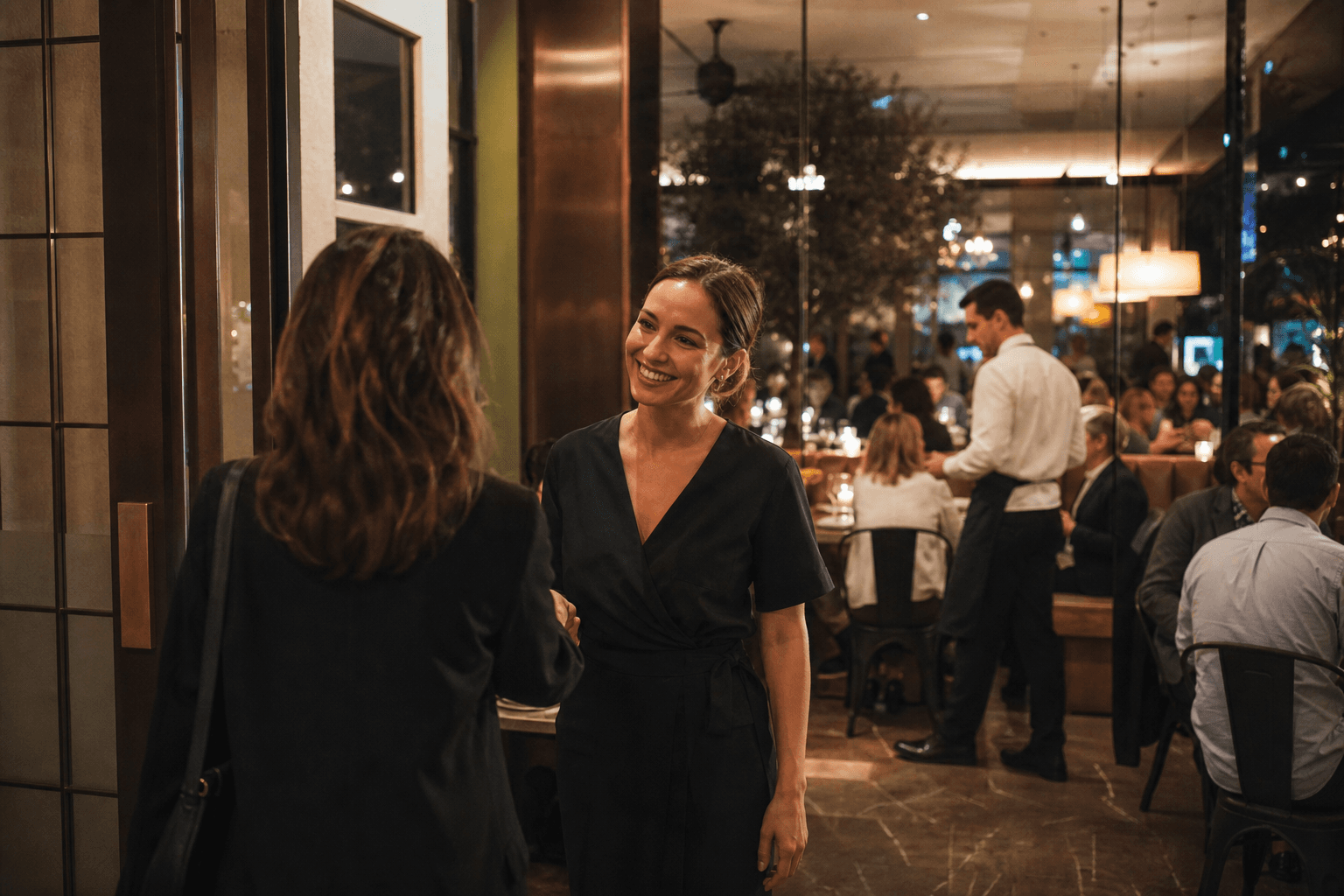
Bruger du også formuer på markedsføring, blot for at se gæsterne forsvinde ud af døren igen efter et enkelt måltid? Mange restauratører kæmper med den klassiske "spand med huller i", hvor nye kunder hele tiden siver ud. Men faktisk er det langt nemmere – og billigere – at få de eksisterende gæster til at komme igen, end du måske tror.
Matematikken bag de tilbagevendende gæster
At tiltrække helt nye kunder er en bekostelig affære. Selvom nye ansigter i restauranten er afgørende for vækst, æder det din avance op, hvis de kun spiser hos dig en enkelt gang. Data viser faktisk, at en stigning på 5 % i kundefastholdelse kan øge indtjeningen med mellem 25 % og 95 %. Hvis du vil stoppe tabet, skal du have styr på dine gæsters livstidsværdi (LTV) og implementere målrettede strategier til at fastholde restaurantgæster – så førstegangsbesøgende bliver til loyale stamgæster.
Opskriften på et loyalitetsprogram, der faktisk virker
Ifølge tal fra National Restaurant Association vælger hele 78 % af forbrugerne bevidst restauranter, hvor de kan optjene point – også selvom de skal køre lidt længere efter det. Samtidig har de seneste års økonomiske pres gjort gæsterne ekstremt prisbevidste. En ny undersøgelse fra PAR Technology bekræfter, at næsten 70 % af restaurantgæsterne aktivt bruger loyalitetsprogrammer til at strække madbudgettet.

Står du uden et gennemtænkt loyalitetskoncept, forærer du reelt gæster til konkurrenterne. Cirka hver fjerde gæst (25 %) indrømmer nemlig, at de gerne vælger en mindre foretrukken restaurant, hvis de her kan hente bedre fordele og rabatter. Vil du opbygge et stærkt loyalitetsprogram til din restaurant, der for alvor rykker på gæsteadfærden, bør du have fokus på følgende tre principper:
- Gør den første belønning let at nå: Fang gæsternes interesse med det samme ved at sikre, at den første bonus kan indløses efter blot to til fire besøg. Hvis det kræver ti besøg eller mere blot at få en lille erkendtlighed, falder engagementet lynhurtigt med op mod 50 %.
- Indfør niveaudelt VIP-status: Beløn dine absolutte stamgæster ekstra godt. Den amerikanske kæde Qdoba arbejder eksempelvis med forskellige niveauer, hvor gæster, der besøger dem mindst 25 gange om året, låser op for eksklusive månedlige overraskelser og markant bedre fordele.
- Hold skarpt øje med tallene: Lad dig ikke styre af mavefornemmelser. Du bør opsætte en klar model til at måle afkastet (ROI) af dit loyalitetsprogram, så du har sort på hvidt, at medlemmerne rent faktisk øger deres gennemsnitlige forbrug per besøg.
Personlig service i stor skala
Upersonlige nyhedsbreve og masseudsendinge er spild af både tid og penge. Nutidens forbrugere forventer kommunikation, der taler direkte til dem. Det ses tydeligt på tallene: Personligt tilpassede kampagner har en konverteringsrate på over 25 %, mens de brede fællesbetingede tilbud ofte må nøjes med beskedne 12 %.
Skal du ramme plet, må du omsætte dine gæstedata til konkrete handlinger:
- Brug intelligente marketing-triggere: Brug eksterne faktorer og historisk adfærd til at fylde restauranten på de ellers stille hverdage. En asiatisk nudelbar formåede eksempelvis at øge hverdagsomsætningen med 30 % blot ved at tilbyde dobbelte loyalitetspoint på regnvejrsdage.
- Skab helstøbte gæsteprofiler: Nøglen til at personliggøre gæsteoplevelsen er at samle alle kontaktpunkter ét sted. Uanset om gæsten spiser i restauranten, henter takeaway eller bestiller udbringning, skal data flyde sammen. Når dine systemer taler sammen, ved personalet med det samme, hvem der har skaldyrsallergi, eller hvem der altid foretrækker hjørnebordet.
- Invester i de rette værktøjer: Hjemmestrikkede Excel-ark rækker ikke langt i dag. Du har brug for et professionelt CRM-system skræddersyet til restauranter for automatisk at samle præferencer, besøgshistorik og gennemsnitligt forbrug i overskuelige, brugbare profiler.
Fjern de driftsmæssige flaskehalse
Selv det mest veltilberedte måltid falder til jorden, hvis serviceoplevelsen halter. Hvis de interne processer driller, kommer de nye gæster aldrig igen.
- Nedbring ventetiden: Undersøgelser viser, at hele 42 % af gæsterne fravælger en restaurant fremover, hvis de skal vente mere end en halv time på et bord. Sæt ind på at reducere ventetiderne i restauranten ved at optimere bordstyringen, rydde af i et hurtigere tempo og tilbyde nem betaling direkte ved bordet.
- Tag problemerne i opløbet: Du må ikke først opdage en fejl i køkkenet eller betjeningen, når du læser en sur anmeldelse på nettet. Ved at bruge smarte værktøjer til gæstefeedback kan du sende en lynhurtig tilfredshedsundersøgelse via sms eller en QR-kode på regningen. Får du feedbacken i realtid, kan restaurantchefen nå at yde proaktiv klagehåndtering og vende en dårlig oplevelse til en positiv overraskelse, inden gæsten overhovedet har forladt matriklen.
- Undgå udsolgte skuffelser: Der er intet mere irriterende for en sulten gæst end at bestille en ret for blot at få at vide, at den er udsolgt. Det løses nemt med en direkte integration af leveringsapps, der forbinder kassesystemet (POS) med alle dine digitale kanaler. Så snart en ret meldes udsolgt på skærmen i køkkenet, fjernes den automatisk på både jeres egen hjemmeside og eksterne portaler.
Saml dine systemer, og slip for unødigt besvær
Det er tæt på umuligt at drive et succesfuldt loyalitetsprogram, hvis dine gæstedata ligger spredt i øst og vest. At skulle navigere mellem uafhængige systemer til POS, onlinemenuer, kundeklubber og feedbackværktøjer skaber uigennemskuelige datasiloer, øger fejlraten og skaber unødig stress blandt personalet.
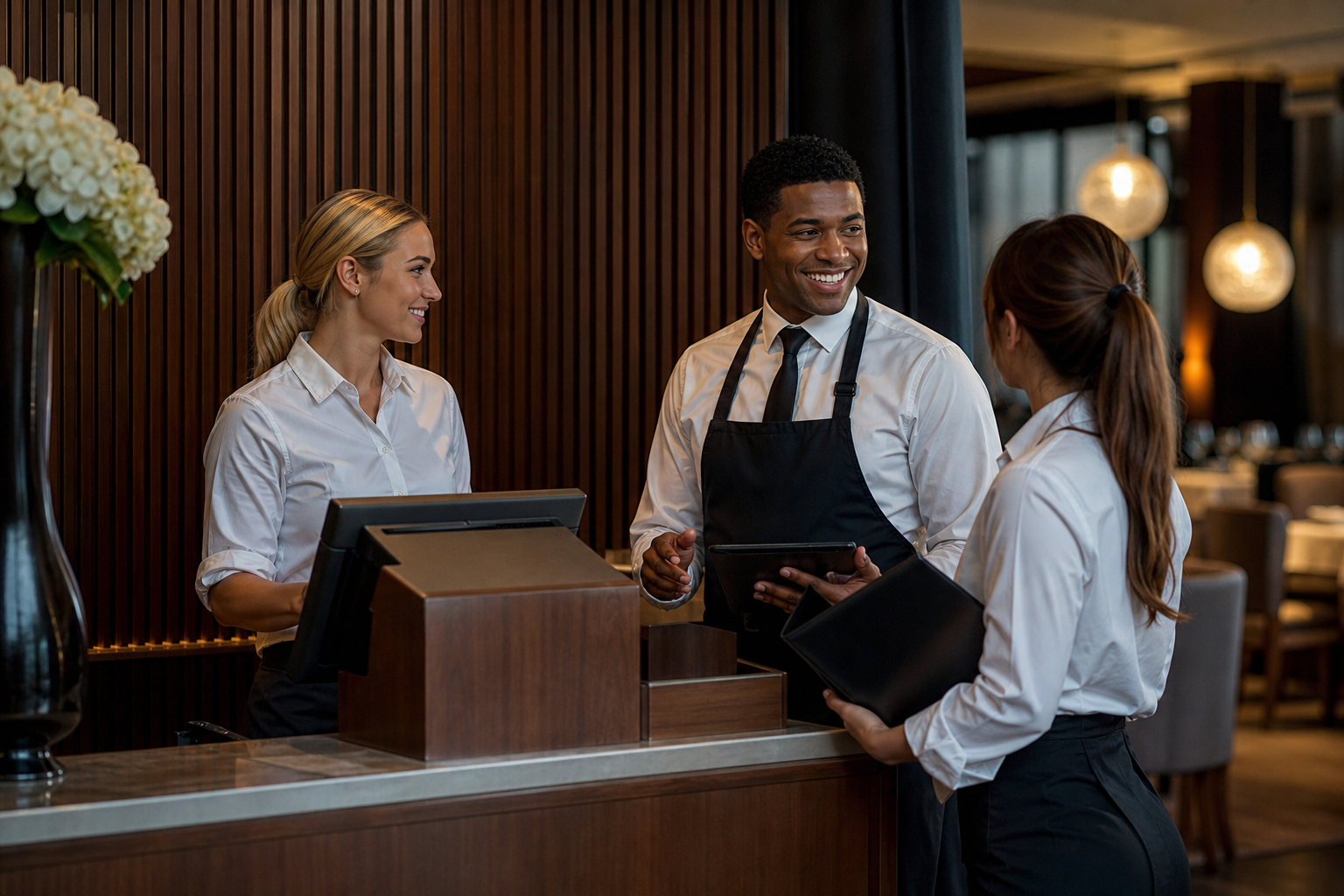
Vil du tage det digitale gæsteengagement til næste niveau, er det også værd at se på, hvordan man kan engagere gæster via egen restaurant-app. En app i eget brand giver dig en eksklusiv og direkte kanal til gæstens lomme, hvor du kan sende skræddersyede push-beskeder, hvilket beviseligt øger både besøgsfrekvensen og den gennemsnitlige ordrestørrelse.
At styrke gæsteloyaliteten behøver hverken at betyde oceaner af ekstraarbejde eller et uoverskueligt puslespiel af forskellige softwarelicenser. Ved at forenkle arbejdsgangene og samle dine data kan du nemt opbygge en sund og yderst profitabel forretning baseret på trofaste stamgæster. Gå på opdagelse i Spindls funktioner og se, hvordan vores alt-i-et, AI-drevne styresystem til restauranter samler POS, udbringning, loyalitetsprogrammer og øjeblikkelig feedback i én samlet platform. Book en uforpligtende demo i dag.