Tablet POS systems for streamlined restaurant operations
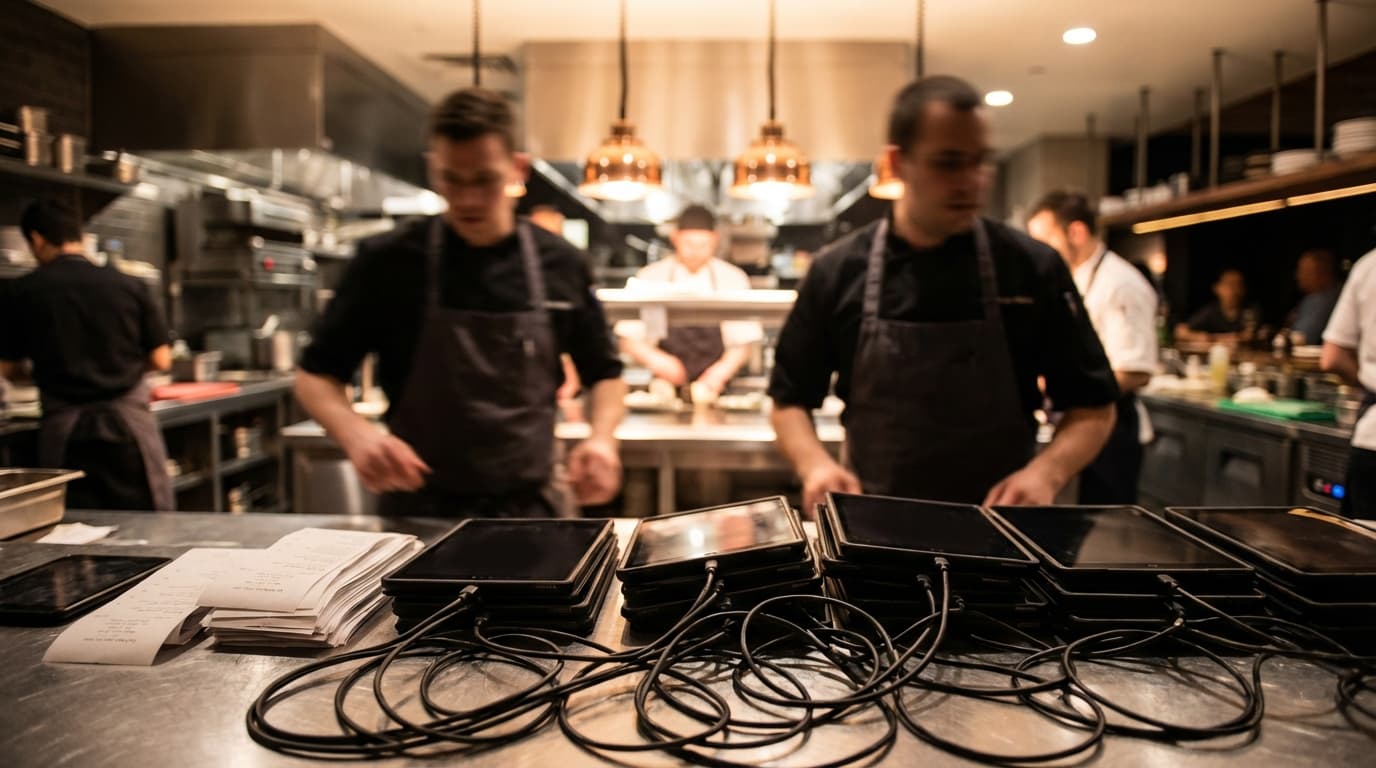
Is your staff wasting 20% of their time rekeying orders from delivery tablets into a legacy terminal? This manual friction causes an 8% order error rate that eats your margins. Spindl’s tablet POS system consolidates ordering, payments, and delivery into a single device.
Kill the "tablet farm" chaos
Most US restaurants juggle five or more different tablets to manage DoorDash, Uber Eats, and Grubhub. This "tablet farm" inevitably leads to missed notifications, forgotten modifications, and kitchen chaos. By integrating these third-party platforms directly into your primary POS, you eliminate the need for manual data entry and the hardware clutter that slows down your expo station.
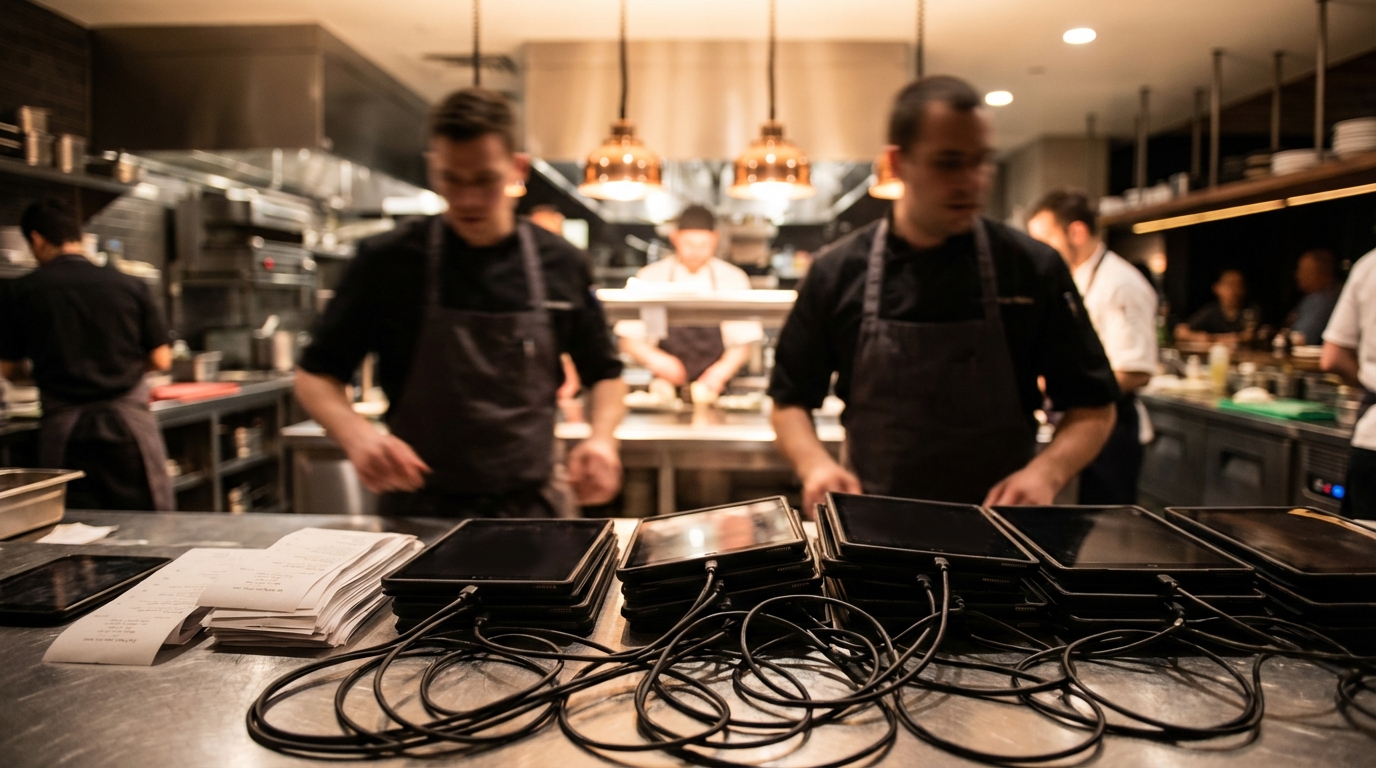
The financial impact of consolidation is measurable. One Brooklyn restaurant saved over $4,000 annually by eliminating redundant hardware fees and reducing the number of comps triggered by rekeying errors. When you update a menu price or 86 a dish on your Spindl tablet, the change syncs across all channels in under ten minutes. You no longer have to call guests to apologize for selling a dish that was already out of stock.
Tableside speed that boosts guest checks
Stationary terminals create service bottlenecks. When servers are forced to run back and forth to a central "mothership" terminal to enter orders or print checks, they lose valuable minutes that could be spent engaging with guests. Transitioning to a mobile, tableside model reduces wait times by up to 50% by putting the ordering power directly in the server's hand.
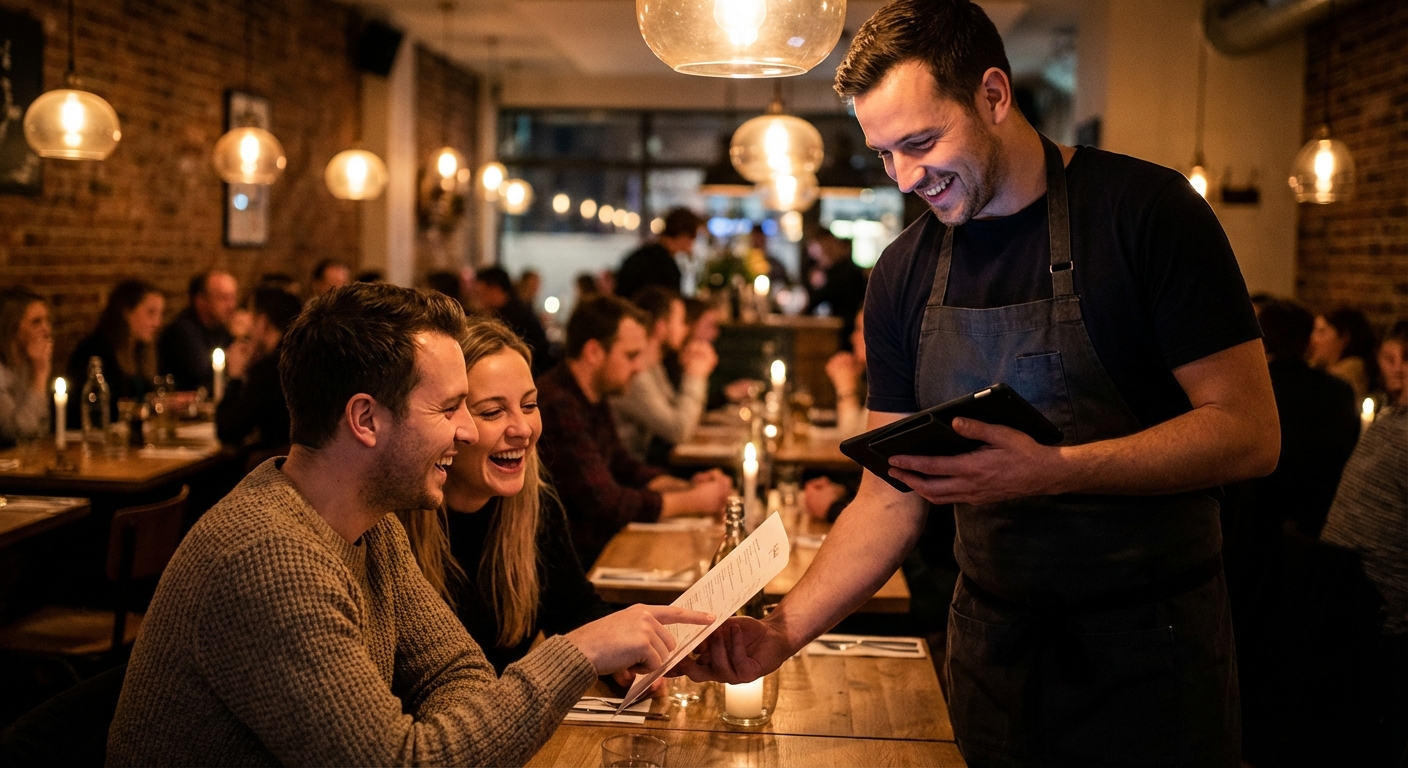
This efficiency naturally drives higher revenue. Tableside payments typically cut checkout times by 5–10 minutes per table, allowing for faster turnarounds during peak hours. Furthermore, the use of handheld devices and self-service kiosks can increase average order value by 15–30% because the software uses automated modifier prompts to ensure every upsell opportunity is presented. Accuracy is baked into the workflow; forced prompts for cooking temperatures and allergen confirmations ensure the kitchen receives the correct information the first time.
Hardware and software built for your service model
Whether you operate a high-volume fast-casual counter or a 100-seat full-service dining room, your hardware must be rugged and intuitive. Spindl provides a cohesive ecosystem of devices that bridge the gap between front-of-house hospitality and back-of-house execution:
- Handheld Tablets: Lightweight devices featuring a UI that has passed "The Grandma Test." If your staff can navigate a smartphone, they can master Spindl with zero training.
- Kitchen Display Systems (KDS): Digital screens that replace paper tickets with color-coded timers to improve order accuracy to 98.5%.
- Payment Terminals: Integrated card readers that support tap, dip, and mobile wallets, keeping your PCI compliance simple.
- Self-Service Kiosks: Countertop or floor pedestal configurations designed to reduce labor pressure and capture customer data at the point of purchase.
Real-time intelligence in your pocket
Operating on instinct is a recipe for thin margins in an industry where labor and food costs are constantly shifting. Spindl’s real-time analytics allow you to monitor sales performance and labor ratios mid-shift, rather than waiting for end-of-month reports to spot a problem.

You can interact with your data through a personal AI agent to get instant answers to specific operational questions. For example, asking which high-margin items are underperforming during a lunch shift allows for dynamic menu optimization on the fly. This level of visibility also tightens inventory control; one steakhouse successfully cut ribeye waste from 15 lbs to zero weekly, saving $15,600 annually, simply by utilizing recipe-level inventory tracking to spot and fix portioning issues.
Transparent pricing and rapid ROI
Legacy POS providers frequently hide fees in complex, long-term contracts. Spindl provides a straightforward pricing model with tiers tailored to your specific scale and service style.
Monthly SaaS fees generally range from $50 to $249 per terminal, paired with competitive payment processing rates between 2.4% and 3.5%. Because the system reduces administrative tasks by 30% and significantly cuts down on order errors, most operators hit their breakeven within 8–14 months. Stop fighting outdated technology and start using a system built for the digital-first era of hospitality.
Request a custom quote or book a live demo to see Spindl in action.