Mastering restaurant delivery app integration with Spindl
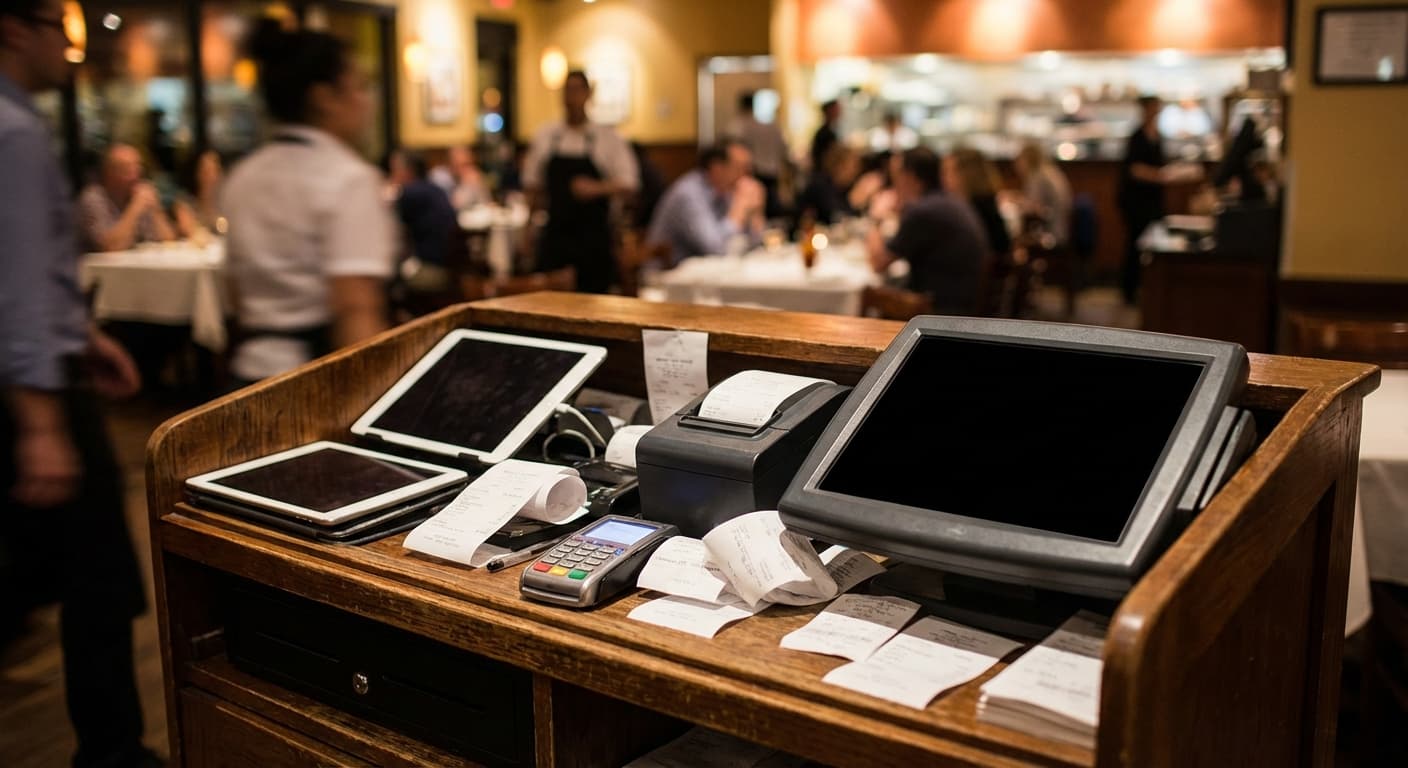
Is your host stand drowning in tablets? Managing separate feeds for DoorDash and Uber Eats isn’t just stressful – it’s causing manual re-entry errors that drain 3–5% of your revenue. It is time to trade the "Nokia 3310" workflow for a unified operating system.
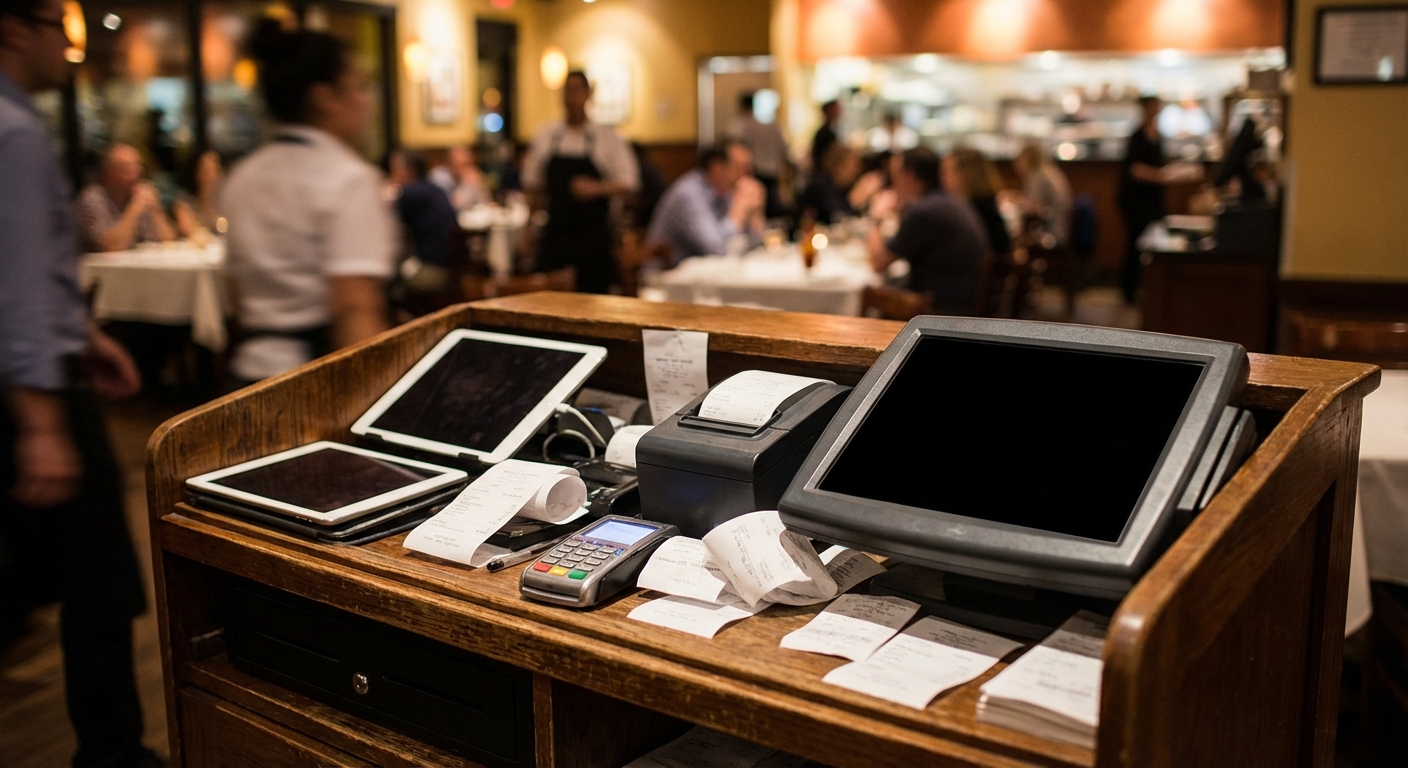
In an era where digital channels drive 70% of restaurant sales, using legacy hardware is an operational liability. You need a platform that treats delivery as a core function, not an afterthought. Spindl acts as the central nervous system for your restaurant, consolidating every order, menu change, and reporting stream into one device.

The high cost of the tablet farm
Most US-based restaurants juggle between three and five delivery tablets. This "tablet farm" forces staff to manually re-key orders into the POS, leading to illegible tickets and missed modifications. These friction points do more than just frustrate the kitchen; they lead to expensive comps, ingredient waste, and refunds.
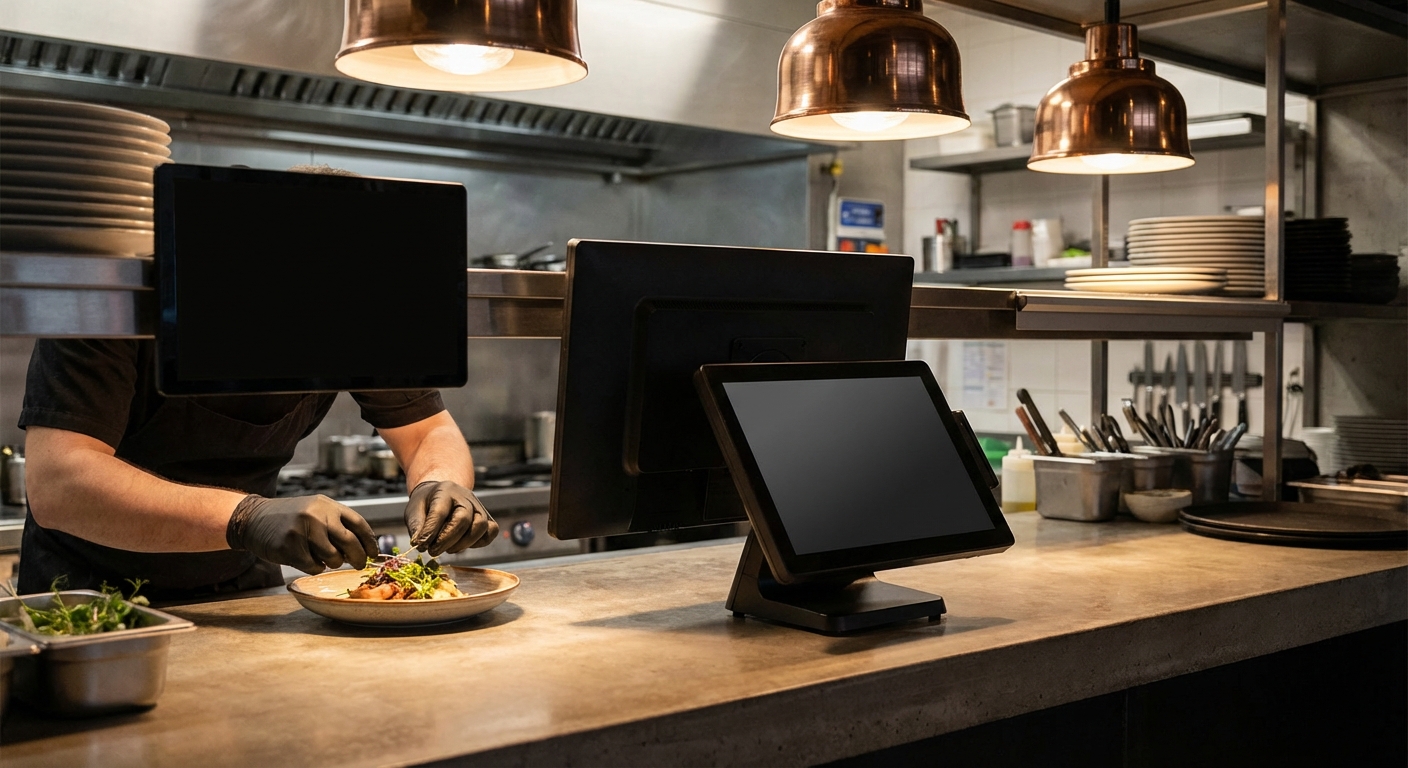
Operators who move from fragmented systems to integrated POS platforms report a 30% reduction in administrative tasks. This transition recovers roughly 12 hours of manager time every single week. By centralizing your tech stack, you eliminate the "digital chaos" that kills your margins and allow your team to focus on hospitality rather than data entry.
How Spindl centralizes your delivery ecosystem
Spindl is not a simple middleware solution; it is an all-in-one restaurant management platform designed to be delivery-native. Every button and flow is optimized for the high-velocity demands of modern off-premise dining.
- Unified order queue: Whether an order comes from a third-party marketplace, your own website, or a walk-in guest, it appears in a single, standardized list for the kitchen.
- Single-source menu management: When you need to 86 an item on your Spindl POS, it instantly disappears from your website and every integrated third-party app simultaneously.
- Real-time inventory sync: Every buffalo chicken sandwich sold automatically deducts the chicken, bun, and sauce from your stock levels. This recipe-level tracking can reduce food costs by up to 5% within 90 days.
- Consolidated analytics: Instead of logging into five different portals, you get a single dashboard showing your true channel mix and real-time sales velocity.
Supported integrations and direct channels
Spindl is built to support the primary players in the US delivery market while empowering you to grow your own direct channels. This hybrid approach protects your margins from heavy commission fees.
- Third-party marketplaces: Full API integration with DoorDash, Uber Eats, and Grubhub ensures orders flow directly to the kitchen without manual intervention.
- Direct online ordering: You can launch your own branded ordering site to bypass 15–30% marketplace commissions. For context, a $45 order typically yields a 38% contribution margin direct versus only 6% through third-party apps.
- Kitchen display systems (KDS): Route orders directly to kitchen stations with color-coded timers to ensure 98.5% order accuracy.
- Loyalty and CRM: Unified guest data across all channels allows you to send behavior-triggered offers that achieve 10–25% redemption rates, far outperforming generic promotions.
Simple steps to integrate your operations
Setting up a centralized hub does not require an IT degree. Spindl follows the "Grandma Test" – if the interface is not intuitive enough for anyone to use in 30 seconds, it does not make the cut. The onboarding process is designed for speed so you can see ROI in days, not months.
- Audit your stack: Identify which tablets and manual tasks are causing the most friction and labor spend.
- Connect via API: Link your marketplace accounts to Spindl using direct API connections to avoid the lag and hidden costs of third-party middleware.
- Standardize your menu: Build one master menu in the Spindl Backstage and push it to all digital channels at once.
- Live training: Most staff are productive within one or two shifts due to the familiar, app-like interface that requires zero formal training.
From click to kitchen: A practical workflow
Imagine a Friday night rush. A customer in Brooklyn orders a burger on Uber Eats. Without an integrated system, a server must hear the ping, run to a tablet, and manually type the order into the POS. If they miss a "no onions" note, the kitchen makes it wrong, and you pay for both the remake and the refund.
With Spindl, that same order flows directly from Uber Eats to your kitchen display. The "no onions" modifier is highlighted in red, the inventory system deducts the patty and bun, and the manager sees the sale hit the real-time dashboard instantly. One Brooklyn operator saved $4,000 annually just by eliminating redundant hardware and error-driven comps. By consolidating your delivery apps and POS into a single source of truth, you protect both your margins and your sanity.
Explore Spindl OS features and reclaim your 12 hours a week.