Så uppgraderar du menyn och ökar dina vinstmarginaler
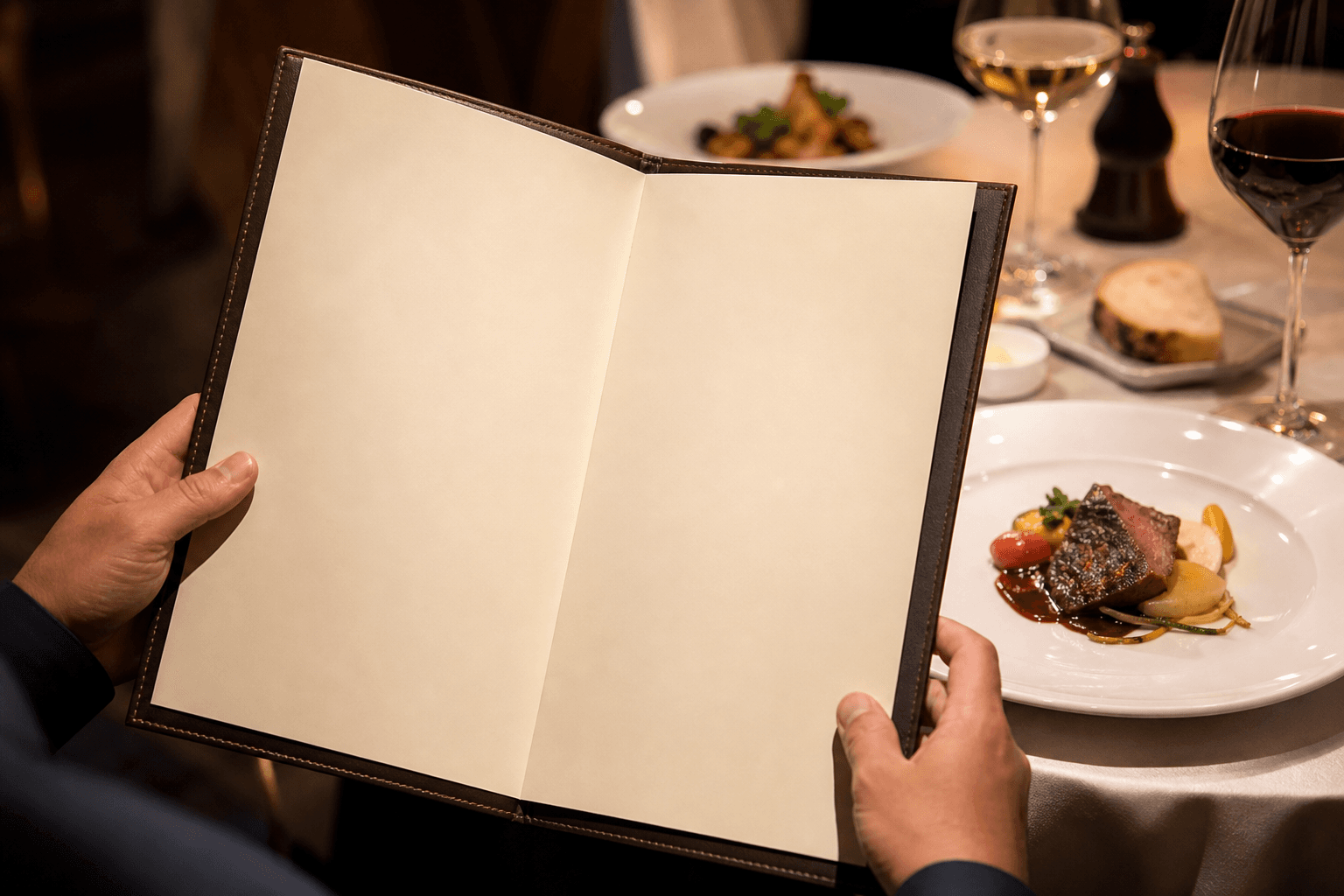
Är din meny en drivkraft för lönsamhet eller bara en förteckning över rätter? Många restaurangägare komponerar sin meny utifrån magkänsla i stället för konsumentpsykologi – och går därmed miste om betydande intäkter. Här är strategierna för att förnya menyn, öka intäkterna och effektivisera driften.
Utvärdera menyn med data från ditt kassasystem
Bygg aldrig om menyn på ren intuition. Menyn är ditt viktigaste säljverktyg, men den når sin fulla potential först när utformningen styrs av data.
Börja med att ta fram en produktmixrapport för de senaste 30 dagarna via din POS-analys. Med klassisk menyoptimering (menu engineering) delar du in rätterna i fyra strategiska kvadranter baserat på popularitet och bidragsmarginal:
- Stjärnor (Stars): Hög popularitet och hög lönsamhet. Ge dessa rätter den mest framträdande placeringen i menylayouten för att maximera dina marginaler.
- Arbetshästar (Plow Horses): Populära rätter med lägre lönsamhet. Ha kvar dem på menyn, men höj priset något, justera portionsstorleken eller skruva på receptet för att sänka råvarukostnaden.
- Pussel (Puzzles): Hög lönsamhet, men låg efterfrågan. Lyft dem med säljande beskrivningar, tydligare visuell framsävning, strategisk placering eller incitament för personalen att sälja mer av dem.
- Hundar (Dogs): Låg popularitet och låg lönsamhet. Stryk dessa helt för att minska matsvinnet, förenkla kökets förberedelser och ge plats åt mer lönsamma rätter.
Genom riktade menyändringar håller du lagret slimmat, sänker råvarukostnaderna och fokuserar kökets resurser på de rätter som ger bäst avkastning.
Bemästra konsumentpsykologi och menydesign
En lyckad menyuppgradering kräver förståelse för hur gäster läser och avkodar både tryckta och digitala menyer. När en gäst ögnar igenom en meny följer blicken ofta ett mönster som kallas den "gyllene triangeln": ögonen söker sig först till mitten, vidare till det övre högra hörnet och därefter till det övre vänstra. Placera dina lönsammaste "Stjärnor" längs denna synfältsslinga.
För att lära dig hur du skriver en restaurangmeny som får gästerna att spendera mer kan du nyttja ett par beprövade knep:
- Ta bort valutasymboler: Att utelämna tecken som "kr" eller "$" (skriv t.ex. bara "150" i stället för "150 kr") dämpar den undermedvetna tröskeln för att spendera pengar och gör gästerna mer benägna att beställa fritt.
- Använd sensoriska och beskrivande namn: Ett sex veckor långt fältexperiment om beskrivande menybeteckningar visade att försäljningen av utvalda rätter ökade med 27 procent när enkla namn ersattes med mer smakrika beskrivningar – samtidigt som gästernas helhetsintryck av restaurangen blev mer positivt.
- Använd ett exklusivt lockbete (anchoring): Genom att placera en lyxig rätt högst upp i en kategori – till exempel en skaldjursplatå för 95 dollar – framstår en entrecôte för 38 dollar plötsligt som ett mycket prisvärt val. Det är ett effektivt sätt att öka det genomsnittliga ordervärdet.
Optimera råvaruanvändningen och följ regelverket
Strategisk menykonstruktion handlar inte bara om utseende – det påverkar kökets effektivitet och regelefterlevnaden minst lika mycket. Att förenkla flödena i köket ger en direkt positiv effekt på sista raden.
- Korsanvänd ingredienser: Skapa rätter där samma råvaror används i flera menyalternativ. Det minskar antalet unika lagerartiklar (SKU:er), ger bättre inköpsvillkor, minskar matsvinnet och underlättar lagerhållningen.
- Förenkla utbudet för högre effektivitet: En mindre komplex meny snabbar upp förberedelsearbetet och gör det enklare att lära upp ny personal, vilket i sin tur höjer restaurangens operativa effektivitet.
- Följ lagkrav kring menymärkning (FDA): Om du driver en kedja med 20 eller fler enheter i USA måste du uppfylla FDA:s krav på menymärkning. Det innebär bland annat att visa kaloriinnehåll vid standardrätter, ha med en generell upplysning om dagsintag samt erbjuda skriftlig näringsinformation på begäran.
Inför digitala menyer och automatiserad merförsäljning
En statisk pappersmeny gör det svårt att snabbt parera ändrade råvarupriser eller skiftande lagernivåer. Genom att uppgradera till digitala beställningsytor förvandlar du menyn till en dynamisk säljmotor.
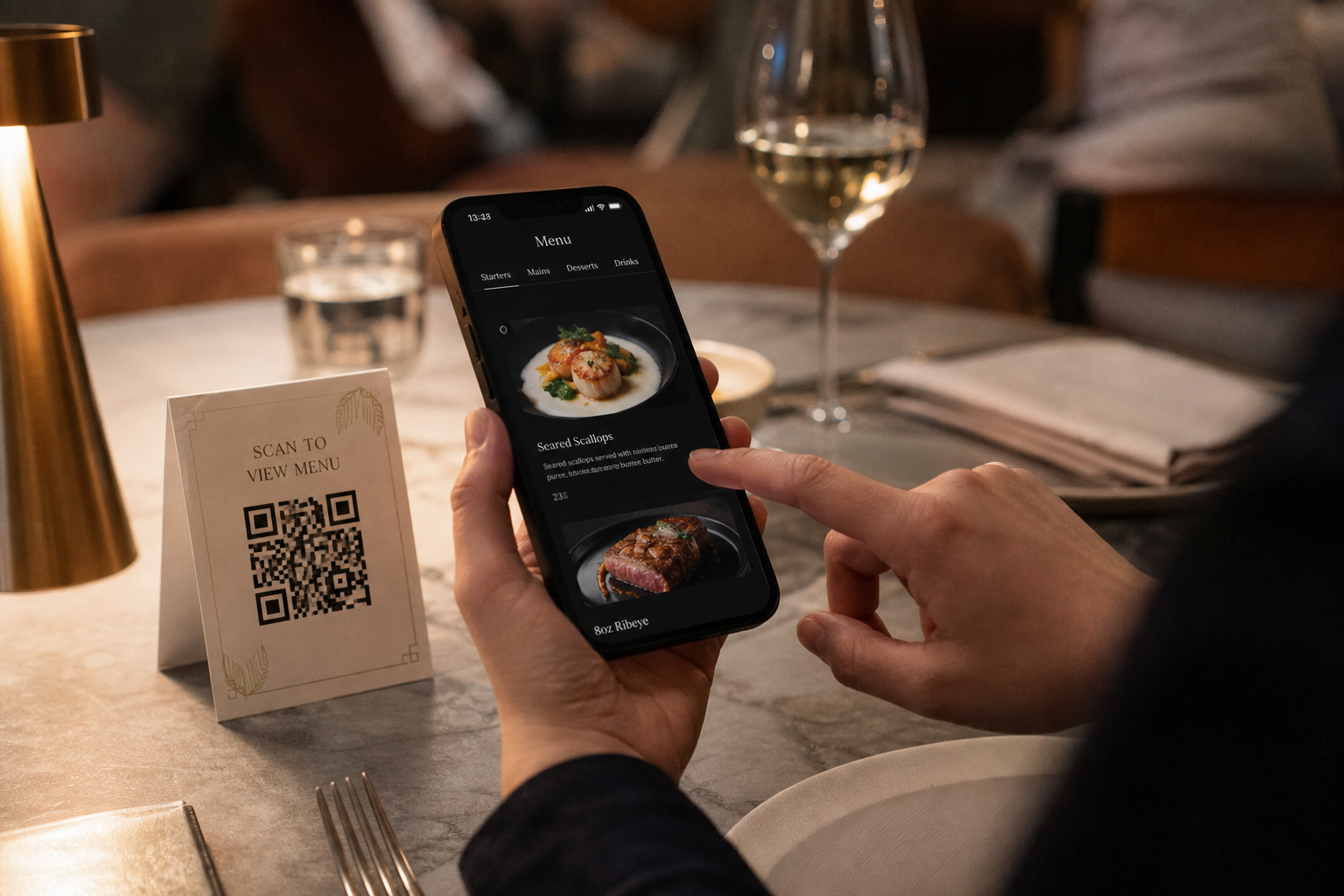
- Satsa på dynamiska QR-koder: Med interaktiva QR-koder på borden kan gästerna bläddra i menyn, beställa och betala direkt vid bordet. Det kapar väntetider, tar bort tryckkostnader och frigör tid för personalen så att de kan ge bättre service till fler gäster.
- Automatisera merförsäljningen: Genom att använda självbetjäningskiosker och provisionsfria system för onlinebeställning får gästen alltid relevanta förslag på tillbehör, extra toppings och dryck. Sådan automatiserad merförsäljning ökar ofta snittnotan med 15–30 %.
- Koppla försäljningen direkt till lagret: Anslut dina beställningskanaler till lagerspårning i realtid. När du integrerar kassan med lagerhanteringen dras råvarorna av automatiskt vid varje köp, vilket gör att du slipper sälja rätter som redan tagit slut.
Samla menyhanteringen med AI och automatisering
Att manuellt uppdatera menyer på skyltar, i gamla kassaapparater och i olika leveranspaddor tar inte bara tid – det skapar en splittrad vardag där fel lätt smyger sig in. Att förlita sig på fristående enheter utan synkning är lite som att försöka driva en modern verksamhet med en Nokia 3310.
Dagens menyhantering kräver en central källa för all data. När du ändrar ett pris, markerar en rätt som slutsåld (86:ar) eller sätter igång en kampanj ser ett samlat system till att ändringen slår igenom direkt överallt – i kassan, på den egna sajten, i QR-menyerna, i kioskerna och via integrationerna med leveransappar.
Vill du styra menyhanteringen utan att behöva klicka dig runt i komplicerade kontrollpaneler? Då kan du börja helt gratis med AgenticPOS. AgenticPOS kopplas till ditt befintliga kassasystem och ger dig tillgång till allt du behöver direkt via chatt. Du uppdaterar priser, markerar slutsålda rätter eller lanserar kampanjer genom att helt enkelt skriva ett meddelande till din AI-agent i Claude, ChatGPT eller Slack.
När verksamheten växer kan du enkelt skala upp till Pro för att hantera flera enheter, eller kliva över till hela Spindl AI-plattformen för att knyta samman matsal, köksskärmar (KDS), lager och onlinebeställningar i ett enda smidigt ekosystem.
Är du redo att förvandla din meny till en effektiv försäljningsmotor? Koppla ditt nuvarande system till AgenticPOS redan i dag, eller boka en demo med Spindl för att uppleva framtidens menyautomatisering.