Så bygger du en marknadsföringsstrategi för din restaurang som faktiskt fungerar
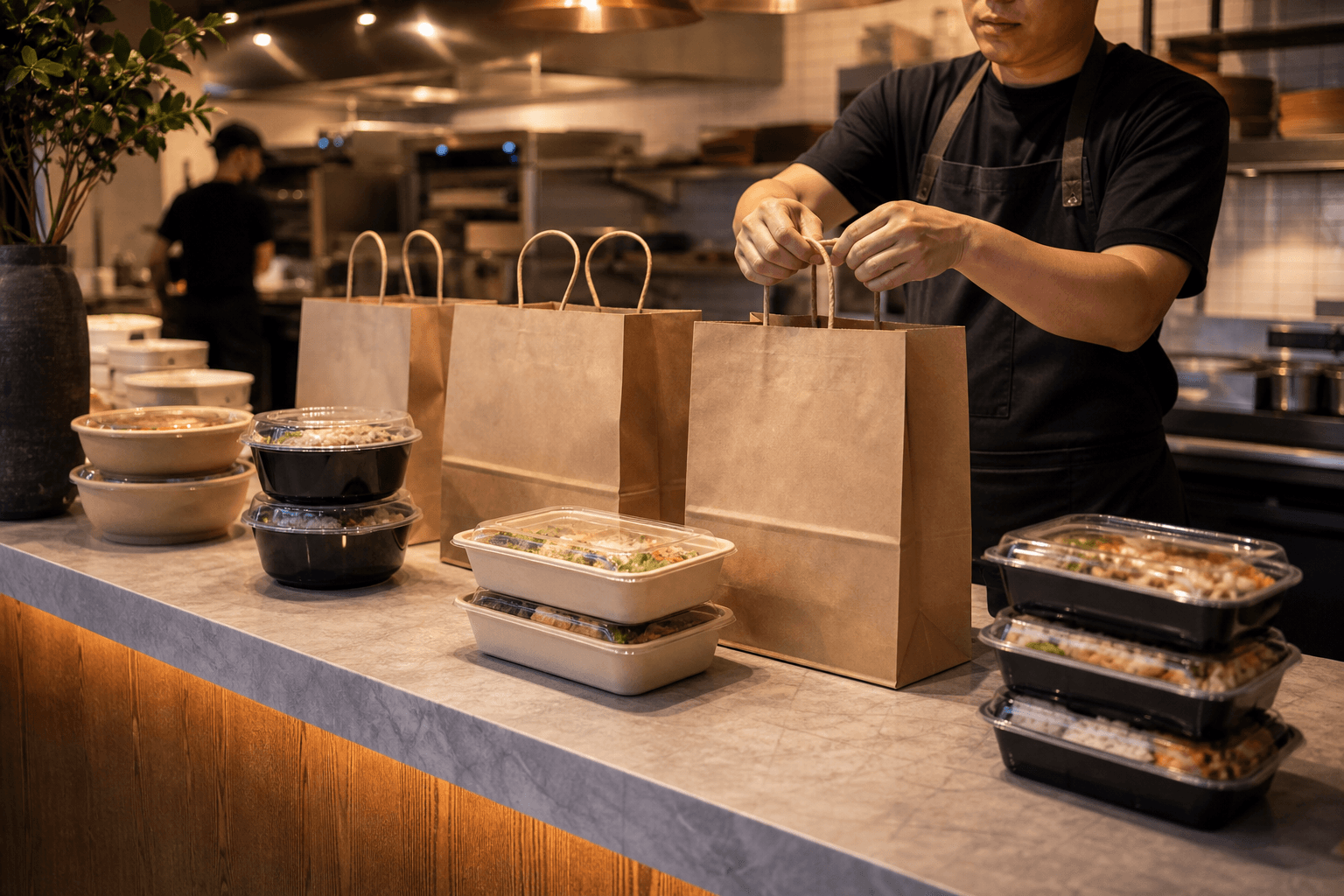
Försvinner upp till 30 % av dina marginaler till tredjepartsappar – utan att det ger dig återkommande gäster? Att bygga en lönsam restaurang handlar i grunden om att skifta fokus: från engångsbesökare till långsiktig varumärkeslojalitet. Så här lyckas du.
Börja med att förankra din varumärkespositionering
Marknadsföring får gästerna att hitta till dörren den första gången, men det är varumärket som får dem att komma tillbaka. Om restaurangen har brister i sin grundläggande positionering kommer köpt trafik bara att påskynda förlusterna. Du måste ge gästerna ett tydligt skäl att välja just din restaurang framför konkurrenterna. En stabil grund kräver en genomtänkt varumärkesstrategi för restauranger, byggd på tre hörnstenar:
- Strategisk positionering: Definiera din nisch med stenhård precision. Ett ramenställe i Seattle ökade exempelvis försäljningen med 23 % på sex månader genom att positionera sig som stadens enda restaurang som serverar äkta Hokkaido-ramen med färska nudlar gjorda var fjärde timme.
- Visuell identitet: Människor avkodar bilder betydligt snabbare än text. Professionell matfotografering kan öka försäljningen av enskilda rätter med upp till 30 % och göra din digitala meny helt oemotståndlig.
- Gästupplevelse: Kartlägg varje beröringspunkt i gästresan. När fysiska och digitala möten samspelar sömlöst levererar du på ditt varumärkeslöfte helt utan friktion.
Optimera dina distributionskanaler
Var du säljer är minst lika viktigt som vad du säljer. Tredjepartsappar ger bred räckvidd, men deras höga avgifter gröper ur marginalerna. Att styra gästerna till dina egna beställningskanaler är nyckeln till att ta tillbaka kontrollen över vinsten.
Digitala beställningsplattformar leder ofta till högre snittordrar och mer påkostade matval, i synnerhet under middagstid. För att maximera marginalerna bör du kombinera matplattformarnas räckvidd med direktförsäljning via egen provisionsfri onlinebeställning. Med Spindl Studio kan du dessutom skräddarsy design, layout och merförsäljning i din digitala meny helt utifrån dina behov.
Att hantera flera externa försäljningskanaler ska inte behöva betyda fem olika surfplattor i köket. Med dedikerad mjukvara för hantering av tredjepartsleveranser synkroniserar du automatiskt menyer, priser och beställningar över alla plattformar.
Dominera det lokala söket och stärk ditt digitala rykte
De flesta gäster bestämmer sig för var de ska äta med mobilen i handen. Därför är det helt avgörande att du har full kontroll över din lokala sökbarhet och ditt digitala rykte.
- Lokal sökoptimering: Se till att din Google Business Profile är komplett med korrekta öppettider, menyalternativ och länkar för beställning. Enligt riktlinjer från Google stärker en komplett företagsprofil de lokala rankningssignalerna. Publicera dessutom menyerna som vanlig HTML-text på hemsidan i stället för som PDF-filer, så att sökmotorer kan indexera enskilda rätter. Läs mer i vår guide om SEO-strategi för restauranger.
- Arbeta aktivt med recensioner: Undersökningar visar att 79 % av alla gäster läser recensioner på nätet innan de väljer restaurang, och över 80 % väljer ställen som aktivt svarar på feedback. Bygg upp en rutinerad process för att följa upp omdömen, bemöta kritik med empati och åtgärda eventuella operativa brister.
- Satsa på sociala medier som ger effekt: Enligt National Restaurant Association har dagens erbjudanden eller specialrätter stor betydelse för 75 % av alla vuxna när de väljer snabbmats- eller casual dining-restauranger. Använd målinriktade marknadsföringsstrategier på Instagram och utnyttja kortvideo för att förvandla följare i skärmen till gäster runt borden. Läs mer i vår guide om digital marknadsföring för restauranger.
Bygg en datadriven motor för gästlojalitet
Att värva en ny gäst kan vara upp till sju gånger dyrare än att behålla en befintlig. Vill du bygga ett lönsamt varumärke i restaurangbranschen gäller det att förvandla engångsbesökare till stamgäster med hjälp av ett automatiserat lojalitetssystem.
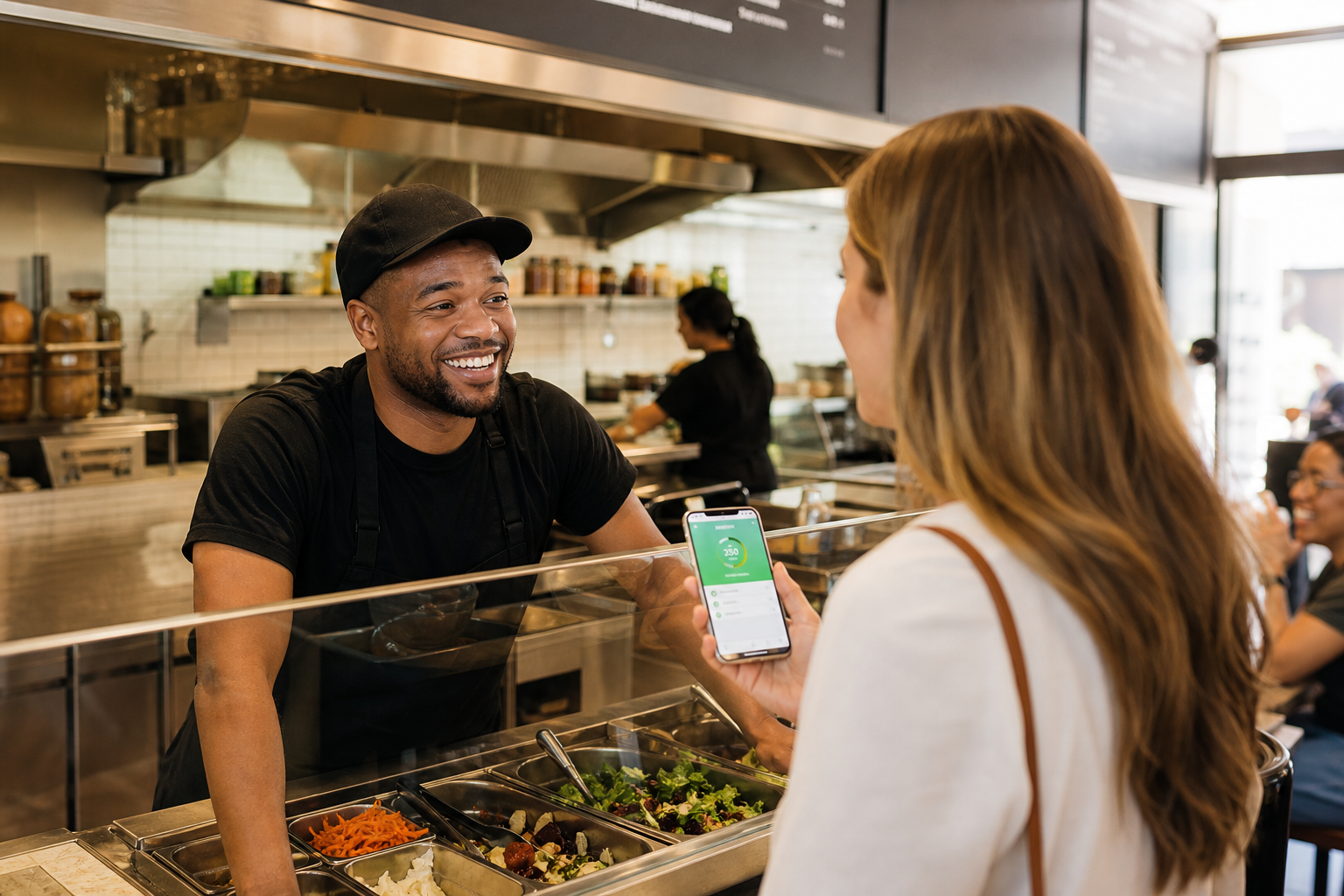
- Automatisera riktad kommunikation: Sätt upp triggerbaserade e-postflöden med välkomsterbjudanden, födelsedagshälsningar och återaktiveringskampanjer. Segmentera kundregistret utifrån köphistorik och besöksfrekvens så att du alltid skickar pricksäkra erbjudanden.
- Skapa ett modernt lojalitetsprogram: Forskning från National Restaurant Association visar att 52 % av alla vuxna är med i restaurangers lojalitetsprogram – och 96 % tycker att det ger mervärde. Utforma ett attraktivt lojalitetsprogram för din restaurang där gästen når sin första belöning redan efter två till fyra besök, så att du snabbt bygger upp ett återkommande beteende.
- Ta kontroll över din gästdata: Splittrade system ger osammanhängande gästprofiler. Samla alla interaktioner från bordsbokningar, onlinebeställningar och leveranser i enhetliga profiler med ett skräddarsytt CRM-system för restauranger. Läs mer om hur du bygger starka relationer i vår guide om kundengagemang via restaurangappar.
- Kör kampanjer med hög ROI: Testa riktade, tidsbegränsade erbjudanden (LTO), happy hours och säsongsbetonade paket. Du hittar konkreta upplägg i vår guide med kampanjidéer för restauranger.
Uppgradera din tekniska plattform
Att genomföra en modern marknadsföringsstrategi blir nästintill omöjligt om personalen tvingas rodda med separata surfplattor, föråldrade kassasystem och fristående lojalitetsverktyg. Operativt kaos gröper ur marginalerna och stressar ut personalen.
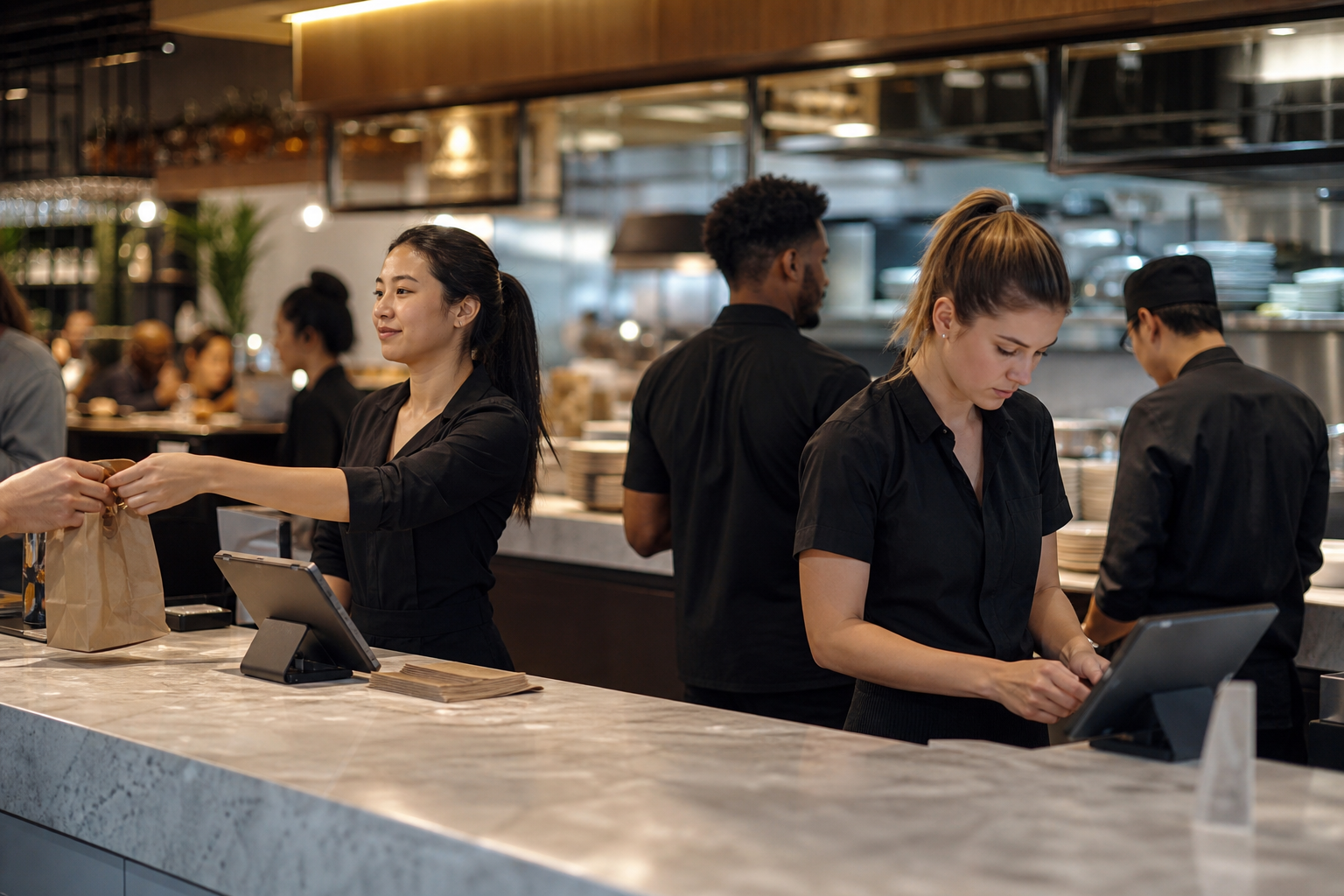
Innan du byter ut hela infrastrukturen kan du effektivisera den dagliga kassa- och menyhanteringen med AI. Med AgenticPOS kopplar du en AI-agent direkt till ditt befintliga kassasystem via chatt. Du kan uppdatera menyer, justera priser, lansera kampanjer och analysera försäljningsdata direkt via Claude, ChatGPT eller Slack – helt utan att behöva klicka runt i krångliga kontrollpaneler.
När du är redo att ta ett helhetsgrepp om din infrastruktur är nästa steg Spindl.
Spindl är restaurangbranschens motsvarighet till iPhone – en komplett plattform som samlar kassa, egen onlinebeställning, tredjepartsleveranser och lojalitetsprogram på ett och samma ställe. Föråldrade system är som en Nokia 3310: de fyllde sin funktion förr, men dagens marknad kräver något betydligt mer sömlöst än klumpiga, osammanhängande verktyg. Genom att samla alla kanaler i Spindl eliminerar du dubbelarbete, minskar felbeställningar och maximerar gästernas livstidsvärde. Utforska Spindl i dag för att effektivisera driften och skapa långsiktig, hållbar tillväxt.